
Limited mobility can make walking, personal care, meal preparation, household tasks, and community activities more difficult. The cause may be a health condition, an injury, surgery, a hospital stay, or gradual changes in strength, balance, flexibility, and endurance.
Home care for mobility issues can provide practical assistance without taking over decisions or tasks a person can still manage. Depending on assessed needs, this may include personal care, walking or transfer assistance, homemaking, transportation, medication-related support within the Care Plan, and companionship.
Mobility support at home can reduce avoidable strain, address practical safety concerns, support established clinical recommendations, and help older adults remain involved in their routines while aging in place.
Here is the Quick Answer:
- Limited mobility may affect personal care, household responsibilities, transportation, and social participation.
- Home care can provide mobility assistance, personal care, homemaking, transportation, and companionship according to an individualized Care Plan.
- Transfers, exercises, and mobility equipment should follow guidance from the appropriate healthcare or rehabilitation professional.
- Home adjustments, appropriate mobility support, and attention to known risk factors can help make everyday movement safer, but no measure can eliminate every fall or injury.
Understanding Limited Mobility in Older Adults
Limited mobility means having difficulty moving comfortably, efficiently, or reliably enough to complete everyday activities. It may affect walking, standing, changing position, climbing stairs, transferring between surfaces, or covering longer distances outside the home.
Common contributors include:
- Arthritis and joint pain
- Muscle weakness or reduced endurance
- Balance or coordination changes
- Stroke
- Parkinson’s disease
- Multiple sclerosis and other neurological conditions
- Osteoporosis or fractures
- Joint replacement or other surgery
- Illness, hospitalization, or an extended period of inactivity
- Vision, medication, or environmental factors that affect steadiness
Some limitations are temporary and improve during recovery. Others fluctuate or progress over time. Understanding the cause matters because appropriate support for short-term recovery after joint replacement may differ from support for a progressive neurological condition.
A new or sudden mobility change should not automatically be attributed to aging. Sudden weakness, facial drooping, speech difficulty, inability to bear weight, severe pain, or a new loss of balance may require urgent medical assessment.
How Mobility Issues Affect Daily Life and Independence
Mobility limitations affect more than walking. They may change how a person manages self-care, completes household responsibilities, leaves home, and participates in relationships or activities that matter to them.
Personal Care May Require More Time or Assistance
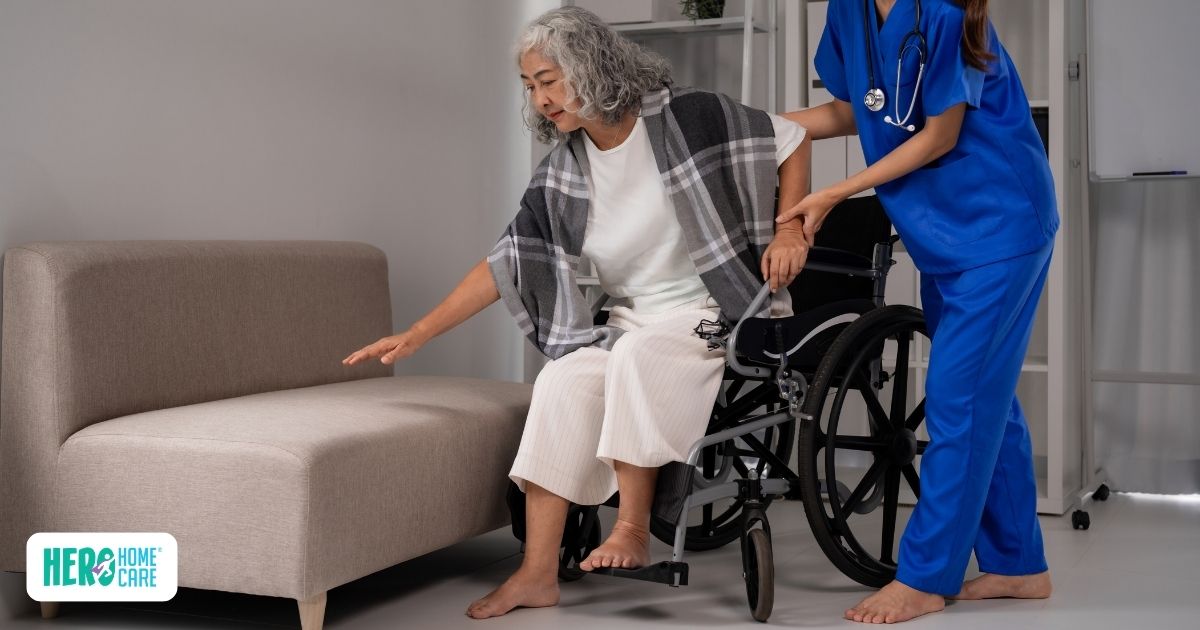
Bathing, toileting, dressing, grooming, and getting in or out of bed may become harder when standing tolerance, reach, balance, or lower-body strength changes. A person may remain fully able to direct their care while needing physical assistance with part of the routine.
Household Tasks Can Become More Demanding
Meal preparation, laundry, changing bed linens, carrying groceries, vacuuming, and reaching stored items can require more energy or involve movements that no longer feel manageable. As a result, essential tasks may be postponed or take up most of the person’s available energy.
Transportation Barriers Can Limit Community Access
Appointments, rehabilitation sessions, errands, family visits, and social activities become harder to attend when a person cannot drive, walk long distances, or use conventional transit without assistance.
Confidence and Social Participation May Change
Concern about fatigue, public spaces, stairs, or another fall may lead some people to limit activities. Reduced participation can affect confidence and social connection, but these effects are not inevitable and vary from person to person.

How Home Care for Mobility Issues Helps Seniors Stay Independent
Home care supports independence by providing help where it is needed while preserving the person’s participation in tasks and decisions they can still manage. The objective is not to complete everything for the person.
Effective mobility support at home is built around several principles:
- Individualized assistance: The Care Plan reflects current abilities, routines, preferences, home layout, and clinical recommendations.
- Participation where possible: The person remains involved in manageable parts of personal care, meals, household routines, and community activities.
- Consistent routines: Assistance can reduce unnecessary rushing and make daily activities easier to plan.
- Aging-in-place support: Practical help addresses tasks that could otherwise make remaining at home more difficult.
- Adaptability: Care can be reviewed when mobility, health, family availability, or rehabilitation guidance changes.
Home care can work alongside medical and rehabilitation support by helping the person follow established routines and recommendations at home.
What mobility assistance services can a professional caregiver provide?
A professional caregiver may help with personal care, mobility-related routines, homemaking, transportation, and companionship when these duties are included in the Care Plan and appropriate to the caregiver’s training and role.
| Professional Home Care Services for Mobility-Related Needs | |
|---|---|
| Service | How It May Support Mobility and Independence |
| Personal care | Provides assistance with bathing, dressing, grooming, toileting, and other self-care routines |
| Walking assistance | Offers assigned support while the person moves through familiar areas |
| Transfer assistance | Supports approved transfers according to the Care Plan, training, and equipment requirements |
| Homemaking | Reduces the physical demands of laundry, light housekeeping, dishes, and household organization. |
| Meal support | Assists with meal preparation when prolonged standing, lifting, or reaching is difficult. |
| Transportation | Helps the person reach appointments, errands, rehabilitation, and community activities. |
| Medication-related support | Supports medication routines according to the person’s Care Plan and the responsibilities assigned to the appropriate care team member. |
| Companionship | Maintains social interaction and supports participation in familiar activities. |
The exact service mix varies according to the person’s needs and Care Plan. Transfer methods, rehabilitation exercises, and mobility equipment should follow any guidance provided by the appropriate healthcare or rehabilitation professional.
Mobility Assistance With Activities of Daily Living (ADLs)
Activities of daily living are basic self-care tasks such as bathing, dressing, grooming, toileting, and moving between bed and chair. Mobility assistance with ADLs helps a person continue these routines with privacy and as much participation as their abilities allow.
Hero Home Care’s Personal Care Services may include:
- Bathing and hygiene assistance
- Dressing and undressing
- Grooming and oral hygiene
- Toileting and incontinence care
- Mobility support during morning and evening routines
- Ambulation and approved transfer assistance
The person’s preferences should guide how assistance is provided. Some customers may need help throughout a routine, while others may need support only with setup, standing, reaching, or moving between locations.
Personal care should never be rushed merely to complete a task. Privacy, consent, communication, cultural preferences, and the person’s current comfort remain important throughout the visit.
Safe Transfers and Physical Assistance Throughout the Home
Transfer assistance may be needed when a person has difficulty moving between a bed, chair, wheelchair, toilet, or vehicle. These movements should follow an individualized plan because the appropriate approach depends on strength, weight-bearing ability, cognition, pain, equipment, home layout, and the assistance the person requires.
Where transfer assistance is part of the Care Plan, a Hero can provide support based on the person’s needs, the transfer method being used, and any relevant professional guidance. Transfer belts, walkers, mechanical lifts, or other equipment should be used only when selected for the individual and when the people involved have been instructed in their use.

Related: How to Create a Safe Home Environment for Aging Parents
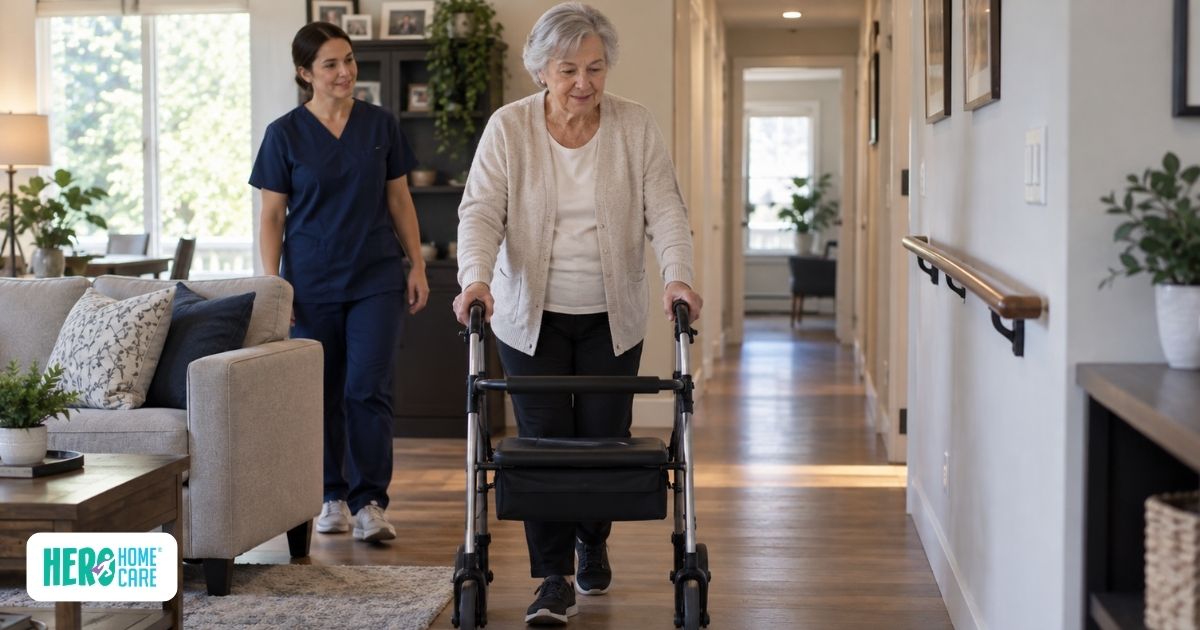
Walking assistance may include staying close, offering the appropriate level of support, allowing enough time, and keeping the planned route clear. Any changes to the person’s physiotherapy or mobility plan should come from the appropriate healthcare or rehabilitation professional.
Stairs and vehicle transfers require separate consideration. Families should confirm that the person’s current abilities, vehicle, entrance, handrails, equipment, and available assistance are suitable before relying on a routine transfer method.
Family members should not improvise lifting or transfer techniques. If a transfer has become noticeably harder, the person cannot bear weight as expected, or the caregiver cannot assist without strain, the plan should be reassessed by the appropriate healthcare or rehabilitation professional.
Fall Prevention Strategies for Seniors With Mobility Challenges
Falls often involve more than one factor. Reduced balance, muscle weakness, vision changes, medication effects, unsuitable footwear, rushing, and environmental hazards can all contribute.
Practical fall-risk reduction measures include:
- Keeping frequently used walkways clear
- Removing or securing loose rugs and electrical cords
- Improving lighting in hallways, bathrooms, entrances, and stairs
- Cleaning spills promptly
- Keeping commonly used items within manageable reach
- Using appropriately installed handrails and grab bars
- Wearing supportive, well-fitting footwear
- Using prescribed or recommended mobility aids as instructed
- Discussing dizziness, drowsiness, or mobility changes with the appropriate healthcare professional
- Following an individualized strength or balance programme when one has been provided
Hero Home Care’s guide to reducing fall risk for seniors provides additional household considerations.
Fear after a fall may lead a person to avoid movement, but simply encouraging more activity is not always appropriate. Pain, injury, a new change in balance, or uncertainty about safe movement should be assessed before routines resume.
After a fall, seek urgent help if there may be a head injury, fracture, severe pain, loss of consciousness, new confusion, or an inability to get up or bear weight safely. Do not move the person if doing so could worsen a suspected injury.
Mobility Equipment and Assistive Devices That Support Independence
Mobility equipment can support movement, transfers, bathing, toileting, or access to different parts of the home. The correct device and fit depend on the person’s abilities, body measurements, environment, and intended use.
Walkers and Rollators
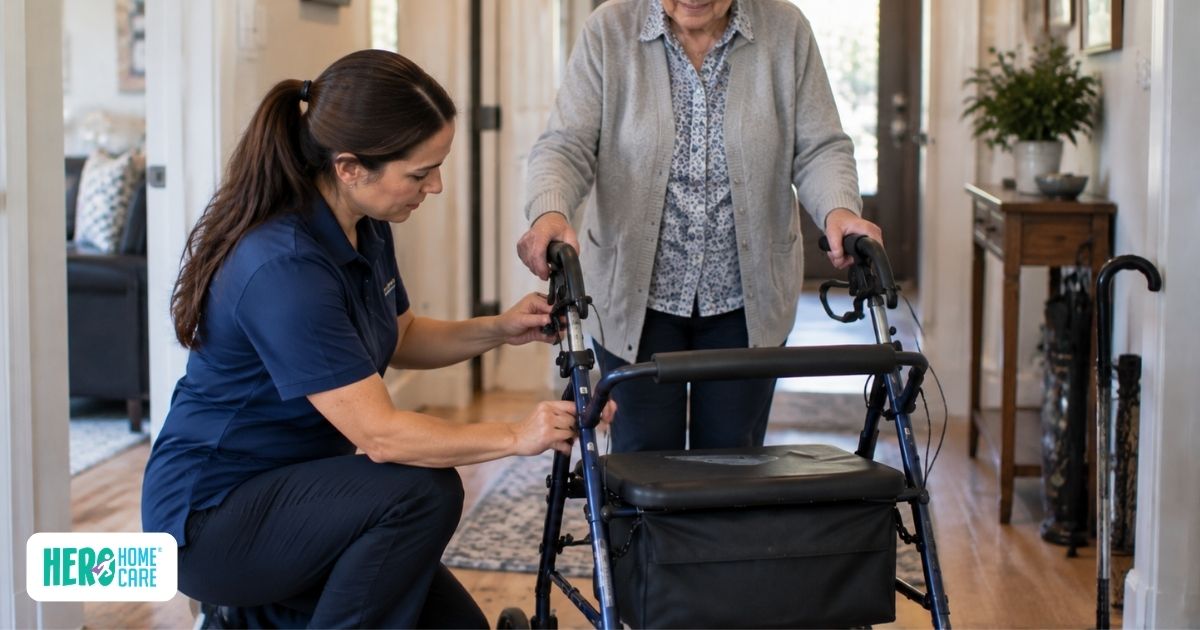
Walkers may provide a broad base of support, while rollators have wheels and commonly include brakes and a seat. They are not interchangeable. Brake use, turning space, walking pattern, endurance, and the home environment all affect suitability.
Canes and Walking Supports
A cane may help some people who need limited support, but its height, side of use, tip condition, and the person’s walking pattern matter. A cane is not a substitute for a walker when more support is required.
Wheelchairs and Transport Chairs
Wheelchairs and transport chairs may support longer outings or people who cannot safely cover required distances on foot. Consider seating, pressure management, propulsion, transfers, vehicle compatibility, and whether another person is needed to operate the chair.
Grab Bars and Handrails
Properly installed grab bars and handrails provide stable contact points in bathrooms, hallways, entrances, and stairways. Towel bars and other household fixtures should not be treated as substitutes for weight-bearing supports.

Related: How to Care for Aging Parents Who Live Far Away: A Long-Distance Caregiving Guide
Lift Chairs and Transfer Equipment
Lift chairs, transfer poles, sliding equipment, and mechanical lifts may help in specific circumstances. Mechanical transfer devices require appropriate selection, space, maintenance, compatible slings or accessories, and trained users.
Choosing the Right Mobility Aid
A physiotherapist or occupational therapist can assess movement, function, home layout, and equipment needs. Professional assessment is particularly important when mobility has changed, falls are occurring, or a device is being considered for transfers or weight-bearing support.
Home Modifications That Improve Mobility and Safety
Home modifications should address the specific routes and tasks a person uses rather than follow a generic renovation checklist.
| Table: Home Areas to Review for Mobility and Accessibility | |
|---|---|
| Area | Possible Considerations |
| Bathroom | Properly installed grab bars, non-slip surfaces, bathing or toileting equipment, adequate turning space |
| Bedroom | Clear route to the bathroom, accessible storage, appropriate bed height and placement |
| Stairs | Secure handrails, consistent lighting, clear steps, visible edges where appropriate |
| Kitchen | Frequently used items within practical reach, manageable work areas, reduced carrying |
| Entrances | Stable surfaces, lighting, railings, threshold access, suitable drop-off space |
| Living Areas | Clear pathways, stable furniture placement, accessible seating |
Some changes can be made through household organization, while structural modifications or equipment installation may require an occupational therapist, contractor, landlord, strata approval, or other qualified professional.
A home safety assessment can identify task-specific concerns and help families prioritize practical changes around the person’s daily routines.
Supporting Strength, Balance, and Physical Function at Home
Home care can help a person follow an established rehabilitation plan by supporting routines, reminders, transportation, and practical preparation at home. Exercise type, intensity, equipment, and progression should follow guidance from the appropriate healthcare or rehabilitation professional.
Within that boundary, a caregiver may:
- Provide reminders for an established home exercise programme
- Prepare the agreed space or equipment
- Support transportation to rehabilitation appointments
- Encourage the person to follow the pacing and rest guidance already provided
- Assist with everyday routines in a way that reflects current recommendations
- Report relevant observations through Hero Home Care’s established communication process
A person should not be encouraged to push through new or concerning symptoms during an activity. If pain, dizziness, shortness of breath, weakness, or another symptom is unexpected, severe, or different from the person’s usual experience, the activity should stop and appropriate medical or rehabilitation guidance should be sought.
Homemaking Services That Reduce Physical Strain
Household tasks may consume a large share of a person’s available strength and endurance. Homemaking services can reduce this workload while allowing the customer to continue directing how the home is managed.
Support may include:
- Light housekeeping
- Laundry and bed linen changes
- Dishes and kitchen tidying
- Organizing commonly used areas
- Keeping agreed walkways clear
- Grocery-related assistance
- Small household routines documented in the Care Plan
Hero Home Care’s Cooking and Meal Support can also help when standing, carrying cookware, reaching, or completing multiple preparation steps has become difficult.
Homemaking can reduce physical strain and help keep everyday spaces more manageable. Repairs, structural modifications, equipment installation, and formal accessibility assessments should be handled by the appropriate qualified professional.
Transportation Support and Staying Connected to the Community
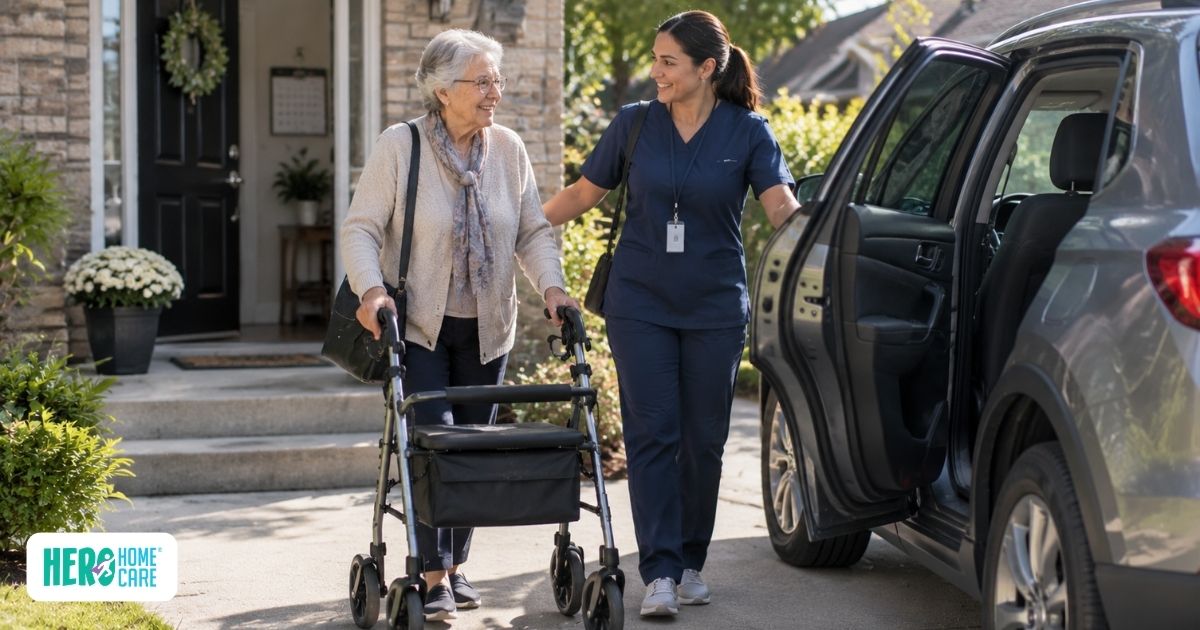
Transportation support can help older adults attend medical appointments, rehabilitation sessions, errands, family visits, and community activities when driving or travelling alone is no longer practical.
Hero Home Care’s Transportation for Seniors provides door-to-door support, with a Hero accompanying the customer according to the confirmed transportation arrangement and Care Plan. Depending on the booking, support may include mobility assistance, navigation, carrying items, and remaining with the customer during an appointment or outing.
Families should confirm:
- Whether the vehicle accommodates the person’s mobility aid
- What transfer assistance is required
- Whether accompaniment is needed beyond the building entrance
- The expected duration and destination
- Whether the person needs support during the appointment
- Current scheduling and service availability
Companionship and Emotional Well-Being for Seniors With Mobility Limitations
Limited mobility may reduce spontaneous outings and opportunities for social contact, but emotional effects differ from person to person. Reduced mobility should not automatically be equated with loneliness, depression, or loss of motivation.
Companionship Care can support:
- Conversation and shared interests
- Familiar hobbies and activities
- Accompanied walks or community outings
- Contact with friends and family
- Participation in routines that remain meaningful
- A consistent social presence at home
Companionship can support social connection and familiar routines. Persistent low mood, anxiety, withdrawal, or other concerning emotional changes should also be discussed with an appropriate healthcare professional.
Related: How We Create Personalized Care Plans at Hero Home Care
Supporting Seniors With Mobility Challenges After Surgery or Hospitalization
After surgery or hospitalization, Recovery & Rehabilitation at home can assist with personal routines and household demands while the person follows discharge instructions, medical follow-up, and rehabilitation guidance.
Recovery After Hip Replacement Surgery
Support may include personal care, meals, homemaking, transportation to follow-up appointments, and assistance with transfers or walking when these tasks are included in the Care Plan and consistent with discharge precautions.
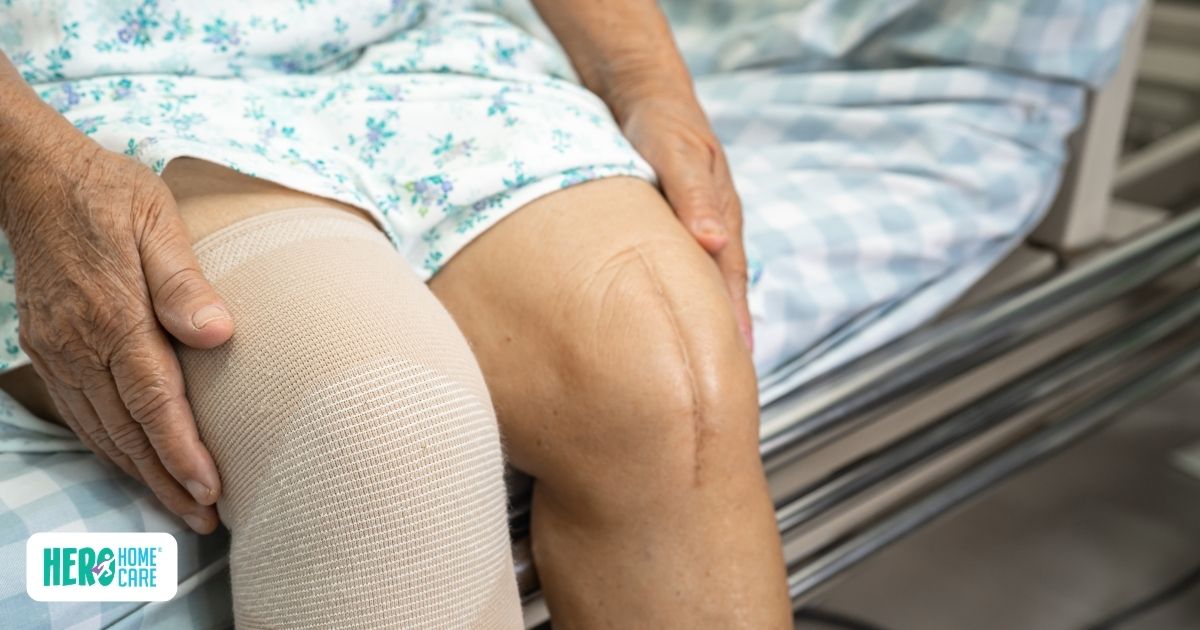
Recovery After Knee Replacement Surgery
A person may need temporary help with bathing, dressing, meals, household tasks, transportation, and the practical setup required to follow an established rehabilitation programme.
Post-Stroke Mobility Support
Stroke-related needs vary widely. Home support must reflect the person’s discharge plan and may need to account for changes in strength, balance, communication, cognition, swallowing, vision, or fatigue.
Regaining Strength and Confidence
Recovery does not follow the same timeline for everyone. Caregivers can support routines and established recommendations, but clinical professionals determine rehabilitation goals and progression.
Supporting the Transition Home
A practical transition plan may include:
- Understanding the discharge instructions provided by the clinical team
- Arranging follow-up and rehabilitation appointments
- Clarifying who manages medication-related tasks
- Preparing required equipment before arrival
- Identifying changes that require medical attention
- Confirming family and professional coverage
- Reviewing the plan as function changes
Hero Home Care’s Hospital Discharge Support can provide additional practical help with everyday needs and routines after a return home.

Mobility Support for Seniors Living With Chronic Health Conditions
Chronic conditions can affect mobility in different ways. Home care should respond to the person’s actual function and clinical plan rather than make assumptions based only on a diagnosis.
Arthritis and Joint Pain
Pain, stiffness, or reduced range of motion may affect dressing, bathing, meal preparation, stairs, and household tasks. Practical assistance can reduce the need for repeated bending, carrying, or prolonged standing.

Related: Critical Questions To Consider Before Hiring A Caregiver For A Loved One
Parkinson’s Disease
Parkinson’s disease may affect movement, balance, coordination, speech, cognition, and daily routines differently over time. Home support should follow the person’s established clinical and rehabilitation guidance.
Stroke Recovery
Some people experience weakness, balance changes, fatigue, communication difficulty, or altered sensation after a stroke. The type and amount of assistance should reflect the discharge and rehabilitation plan.
Osteoporosis
Osteoporosis can increase the consequences of a fall or injury. Mobility equipment, transfer methods, exercise, and home modifications should be selected with appropriate professional guidance.
Multiple Sclerosis and Other Neurological Conditions
Symptoms may fluctuate and can include fatigue, weakness, balance changes, pain, or coordination difficulty. Flexible scheduling and pacing can help the Care Plan respond to changing day-to-day needs without altering clinical treatment.
Heroes provide practical support around each person’s established Care Plan, while diagnosis and treatment remain with the appropriate healthcare professionals.
How Family Caregivers Can Support a Loved One With Mobility Issues
Family support is most effective when it respects the person’s choices and recognizes the physical limits of the family caregiver.
Helpful steps include:
- Ask what kind of help the person wants before taking over a task.
- Keep frequently used routes and items accessible.
- Follow transfer and equipment instructions provided by qualified professionals.
- Note meaningful changes in walking, balance, transfers, fatigue, or self-care.
- Share responsibilities rather than relying on one family member.
- Arrange backup support before a crisis.
- Seek reassessment when the existing plan no longer works.
Family members should not attempt lifts or transfers that exceed their training or physical ability. Repeated lifting, catching someone during a loss of balance, or assisting without appropriate equipment can injure both people.
Growing exhaustion, disrupted sleep, pain, resentment, or an inability to maintain other responsibilities may signal that the family care arrangement needs to change. Hero Home Care’s guide to avoiding caregiver burnout discusses additional planning considerations.

Community Mobility Resources in North Vancouver and Metro Vancouver
Vancouver and the North Shore have public and community services that may support transportation, rehabilitation, equipment access, and aging at home. Eligibility, referral requirements, fees, equipment availability, and wait times vary.
- TransLink HandyDART is a door-to-door shared-ride service for eligible people who are unable to use conventional public transit without assistance because of a physical, sensory, or cognitive disability. Registration is required. HandyDART drivers provide assistance between the vehicle and the first accessible exterior door at the pickup location and destination.
- Vancouver Coastal Health Home Health provides healthcare services in the home or at Home Health clinics and may connect eligible clients with services such as case management, community nursing, occupational therapy, physiotherapy, and social work. North Shore residents can contact the Home and Community Care access line at 604-983-6700.
- Vancouver Coastal Health Home Support provides assessed assistance with activities such as bathing, dressing, toileting, movement, getting in or out of bed, meals, and caregiver respite. Public home support does not generally include extensive cooking, cleaning, errands, driving, or companionship.
- Canadian Red Cross Health Equipment Loan Program offers different short- and long-term equipment programmes in BC. Available equipment, eligibility, loan duration, referral requirements, and waitlists depend on the programme.
Families should confirm current details directly with each provider before relying on a service for discharge, transportation, equipment, or ongoing care.
Signs a Senior May Benefit From Professional Mobility Assistance
Professional mobility assistance may be worth considering when changes begin affecting daily routines, family capacity, or the person’s ability to remain at home as they prefer.
Possible signs include:
- Falls or repeated near-falls
- Difficulty bathing, dressing, toileting, or getting out of bed
- Increasing difficulty standing, walking, or transferring
- Missed meals, appointments, errands, or rehabilitation sessions
- Household tasks consuming most of the person’s available energy
- Reduced community participation because assistance is unavailable
- New needs after illness, surgery, injury, or hospitalization
- Family members attempting physically unsafe levels of assistance
- A current care arrangement that is no longer sustainable
A sudden or significant mobility change requires clinical assessment rather than only an increase in caregiver hours.

How Hero Home Care Supports Seniors With Limited Mobility in North Vancouver
Hero Home Care provides personalized home care in North Vancouver for customers who need assistance with mobility-related routines and everyday activities. Support is based on the customer’s assessed needs, preferences, home environment, existing clinical guidance, and current service availability.
Hero Home Care develops a personalized Care Plan with the customer and family based on their needs, preferences, routines, and goals. Depending on that plan, Heroes may provide:
- Personal care services for bathing, dressing, grooming, toileting, ambulation, and approved transfers
- Homemaking services to reduce the physical demands of light household tasks
- Cooking and meal support when meal preparation has become difficult
- Transportation for seniors for appointments, errands, and community activities
- Companionship care for social engagement and accompanied activities
- Medication-related support and routine assistance included in the Care Plan
Heroes provide practical support around the person’s Care Plan. Where transfer methods, mobility equipment, rehabilitation activities, or clinical restrictions have been established by a healthcare or rehabilitation professional, that guidance can be reflected in the support provided at home.
Hero Home Care offers flexible scheduling, but the timing and level of care available must be confirmed for the customer’s location, needs, and requested schedule. A free in-home Care Consult can help the family discuss current routines, mobility needs, family involvement, and available home care options.
Creating a Personalized Mobility Support Plan
A mobility support plan should define what the person can manage independently, where assistance is required, and which needs belong to family, Heroes, or regulated healthcare professionals.
| Elements of a Personalized Mobility Support Plan | |
|---|---|
| Planning Area | Questions to Address |
| Current Mobility | How does the person walk, stand, transfer, use stairs, and manage longer distances? |
| Daily Routines | Which personal care, meal, household, and community tasks are becoming difficult? |
| Safety Concerns | Where have falls, near-falls, fatigue, pain, or transfer difficulties occurred? |
| Equipment | Which devices have been professionally recommended, and who is trained to use them? |
| Personal Goals | Which activities and routines does the person most want to continue? |
| Roles | What will the person, family, Heroes, and clinical professionals each manage? |
| Escalation | Which changes require a Care Plan review, clinical call, or emergency response? |
| Review | When will the plan be reviewed and updated? |
The plan should be reviewed after a fall, hospitalization, significant health change, equipment change, or noticeable difference in the person’s ability to complete usual tasks.
How Home Care Helps Seniors Age in Place With Confidence
Home care can help older adults continue living in familiar surroundings by supporting personal routines, household responsibilities, transportation, and social participation. Its value lies in filling practical gaps without unnecessarily removing the person’s control over daily life.
A well-defined plan may:
- Preserve participation in self-care and household decisions
- Reduce avoidable physical strain
- Address some home and routine-related fall risks
- Support attendance at appointments and community activities
- Give family caregivers more sustainable responsibilities
- Adapt as mobility and support needs change
Whether aging in place remains appropriate over time depends on the person’s health needs, home environment, available support, family capacity, finances, and preferences. The Care Plan can be reviewed as those circumstances change.
Families considering professional home care for mobility issues can begin by identifying the tasks that have become difficult, obtaining any needed clinical or rehabilitation guidance, and discussing available support with Hero Home Care.