
Choosing among senior services can become difficult when health, transportation, housing, memory, social connection, and family-caregiving needs change at different times. A resource that is useful after a hospital discharge may not address longer-term concerns such as isolation, mobility, dementia planning, or the sustainability of the current living arrangement.
This guide to senior resources in North Vancouver covers healthcare, in-home care, transportation, community programs, dementia resources, caregiver services, financial assistance, housing, and safety planning. It also explains how these resources may work together and when a different level of assistance may need to be considered.
Here is the Quick Answer:
North Vancouver seniors can access primary and community healthcare, transportation services, social programs, dementia and caregiver support, financial benefits, housing resources, and safety-planning guidance. The right combination depends on the person’s health, mobility, cognition, living environment, finances, and available family support. Families can often begin with a primary-care provider, Vancouver Coastal Health, or a local navigation service such as Seniors One Stop. When daily routines or caregiver responsibilities can no longer be managed consistently, public or private in-home assistance, assisted living, or long-term care may need to become part of the plan.
Healthcare Resources for Seniors in North Vancouver
A person managing a stable chronic condition may require very different resources than someone recovering from a hospitalization or experiencing new mobility concerns. As health concerns become more complex, understanding the purpose of different healthcare services can make planning and decision-making easier.

Family Physicians
Family physicians and nurse practitioners are often the first point of contact for healthcare concerns. They address everyday medical concerns, provide ongoing primary care, and arrange referrals when specialist assessment or other services are needed.
For North Vancouver residents, a family physician or nurse practitioner is often the gateway to specialist care, diagnostic testing, rehabilitation services, and broader healthcare planning. The North Shore Primary Care Network provides information about finding primary care and other options for people without a regular family physician or nurse practitioner.
Geriatric Services
Geriatric services are often recommended when several age-related health concerns affect daily life at the same time. These services may consider medical conditions, mobility, cognition, medications, and the person’s ability to manage everyday activities.
A geriatric assessment can provide a broader view of how several health concerns are affecting daily life.
Specialist Care
Specialist care may be recommended when a health concern requires focused evaluation or treatment. Fields such as cardiology, neurology, orthopaedics, and ophthalmology address conditions requiring specialized assessment, follow-up, or care.
On the North Shore, many specialist services are connected through referral pathways associated with primary-care providers and regional healthcare facilities such as Lions Gate Hospital, which provides a wide range of acute and specialized services. Knowing which provider is responsible for each part of care can make appointments and follow-up easier to understand.
Community Health Centres
Not every healthcare need is addressed through physician visits alone. Community health centres may provide access to services from nurses, therapists, social workers, and other healthcare professionals.
Vancouver Coastal Health provides several community-based services across the North Shore. These services may be relevant when a person needs nursing, rehabilitation, social work, or ongoing assistance beyond individual medical appointments.

Home Health Services
For some older adults, receiving certain healthcare services at home may reduce the need for frequent travel to clinics. Home health services may include nursing, occupational therapy, physiotherapy, speech-language therapy, and other eligible clinical services.
Receiving eligible services at home may make care more accessible when travel or repeated clinic visits are difficult. Vancouver Coastal Health provides North Shore home and community care services for eligible residents who require healthcare or assistance outside hospital and clinic settings.
Service scope, referrals, and eligibility vary based on individual circumstances.
Rehabilitation Programs
Recovery after illness, injury, surgery, or hospitalization may include rehabilitation as well as medical follow-up. Rehabilitation programs may address mobility, strength, communication, or everyday activities, depending on the person’s condition and clinical recommendations.
Some North Vancouver seniors may be referred to rehabilitation services during or after care at Lions Gate Hospital or another healthcare facility. Access and referral requirements depend on the service and the person’s clinical needs.
Chronic Disease Management
For many older adults, chronic disease management becomes an ongoing component of healthcare planning. Conditions such as diabetes, heart disease, arthritis, and respiratory illness may require regular follow-up and ongoing management.
Primary-care providers, specialist teams, and community-based healthcare programs each play a role in helping seniors manage long-term conditions. Care may include treatment, regular follow-up, education, and planning based on the condition and the person’s healthcare needs.

In-Home Care and Aging-in-Place Services in North Vancouver
Many older adults prefer to remain at home while receiving help with routines that have become difficult to manage independently. Depending on the person’s circumstances, in-home assistance may be used alongside family involvement, public healthcare, and community programs.
Personal Care Assistance
Help with bathing, dressing, grooming, and other personal routines may become useful when these tasks are physically difficult or take increasing effort.

Related: Home Care vs. Long-Term Care Facility: What’s the Difference?
Eligible residents may receive certain publicly funded services through Vancouver Coastal Health Home and Community Care following assessment. Private personal care may also be used when additional or more frequent assistance is required.
Companion Care
Companion care may provide regular social interaction, assistance with activities, and greater structure during the week. It can complement community programs offered through organizations such as Silver Harbour Seniors’ Activity Centre and North Shore Community Resources, particularly when a person also needs help attending or participating in activities.
Dementia Care
Memory-related conditions introduce a different set of day-to-day considerations. Early concerns may involve reminders and help with everyday routines, while later stages may require more consistent assistance with personal care, safety, and daily activities.
The Alzheimer Society of BC and Yukon’s First Link® dementia support connects people affected by dementia with information, education, support groups, and helpline services before or after diagnosis. Alongside these resources, in-home dementia assistance may support familiar routines, personal care, companionship, and a more consistent home environment.
Respite Care
Respite care temporarily transfers agreed-upon responsibilities to another caregiver so that relatives or friends can attend to work, appointments, rest, or other commitments. Depending on the arrangement, it may include personal care, companionship, meal assistance, or overnight support.
Family Caregivers of BC provides information and guidance for people managing unpaid caregiving responsibilities.

Post-Hospital Support
Returning home after hospitalization is rarely as simple as discharge paperwork and transportation. The transition may involve follow-up appointments, prescribed rehabilitation activities, new medication schedules, and changes in everyday routines.
For North Vancouver residents discharged from facilities such as Lions Gate Hospital, additional support during recovery at home may assist with everyday routines during the period following discharge. This may include help with personal routines, meals, mobility, transportation, medication reminders, and other non-clinical routines identified in the discharge plan.
Rehabilitation and medical follow-up should continue according to guidance from the person’s healthcare team.
Medication Reminders
Medication schedules can become increasingly complex when multiple prescriptions, dosage changes, or chronic conditions are involved. Missed doses, duplicate doses, or confusion around timing can create unnecessary risks.
Reminder-based assistance focuses on organization, consistency, and helping individuals follow established medication schedules. It does not replace medical advice or medication management by healthcare professionals, but it can help support established treatment routines.
Meal Assistance
Grocery assistance, meal preparation, and kitchen cleanup may help older adults maintain regular eating routines when shopping or cooking becomes difficult. These services do not replace clinical nutrition advice when dietary assessment is required.
Mobility Support
Assistance with transfers and movement around the home may help a person continue daily routines after illness, injury, or changes in mobility. Any assistance should follow recommendations from the person’s healthcare or rehabilitation team.
Overnight Care
Overnight care may be considered when a person needs help with bathroom visits, transfers, confusion, or other established routines during the night. It can supplement family involvement when relatives cannot provide consistent nighttime assistance.
24-Hour Care
Twenty-four-hour care may be considered when a person requires frequent assistance throughout both the day and night because of overlapping personal-care, mobility, or cognitive needs.
How Hero Home Care Can Help
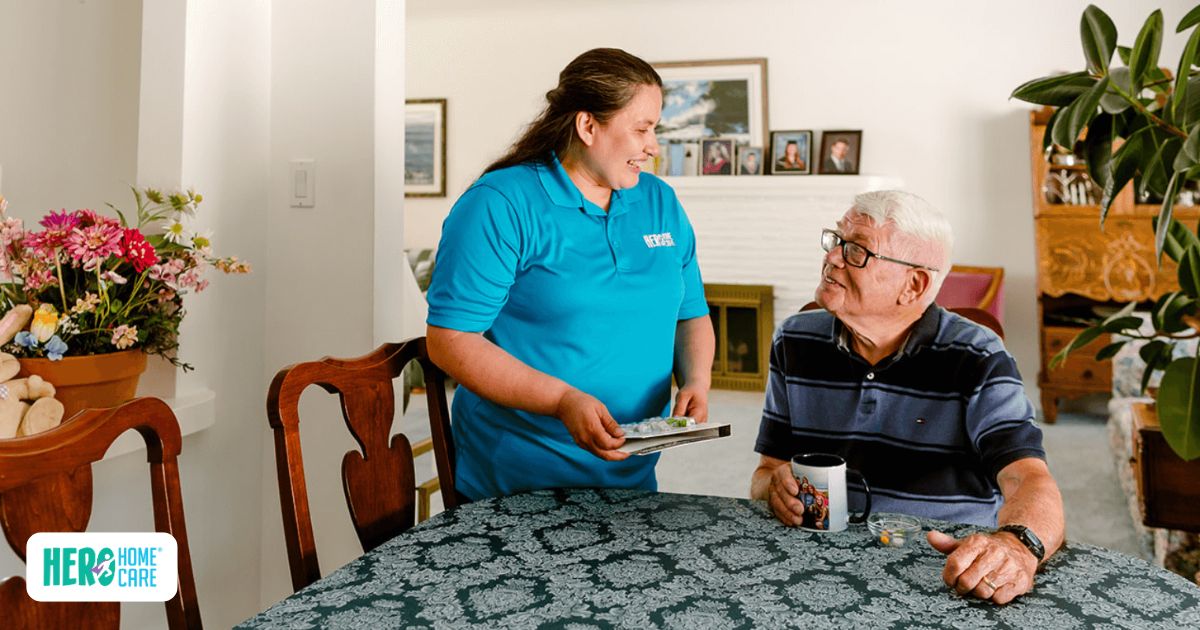
Hero Home Care provides personalized in-home assistance for North Vancouver seniors and families. Depending on the care plan, assistance may include personal care, companionship, meal and cooking support, medication reminders, respite care, post-hospital support, transportation, overnight care, or round-the-clock care.
A care consultation can help identify which routines require assistance and how home care may be coordinated with family, healthcare, and community resources.
Transportation Resources for Seniors in North Vancouver
Transportation may become a concern even while a person remains otherwise independent. Reliable options can support access to appointments, shopping, recreation, and social activities when driving or conventional transit becomes difficult.
HandyDART
TransLink HandyDART is a door-to-door, shared-ride service for passengers who are unable to use conventional public transit without assistance for part or all of a trip. Eligibility is based on functional ability to use conventional transit, rather than age, income, or inability to drive alone.
Registered users can book trips for medical appointments, shopping, community programs, and other destinations within the service area. Because it is a shared service that requires advance booking, families should review current registration, booking, fare, attendant, and cancellation requirements directly with TransLink.
Public Transit Fares and the BC Bus Pass
Adults aged 65 and older qualify for TransLink concession fares when they carry acceptable proof of age. This can reduce the cost of buses, SeaBus, SkyTrain, and eligible HandyDART travel for seniors who can use those services.
The BC Bus Pass Program is different. It provides a reduced-cost annual pass to qualifying low-income seniors and certain other eligible residents. Eligibility is tied to specified income-assistance or federal-benefit criteria, so it should not be presented as available to every senior.
North Shore Better at Home Transportation
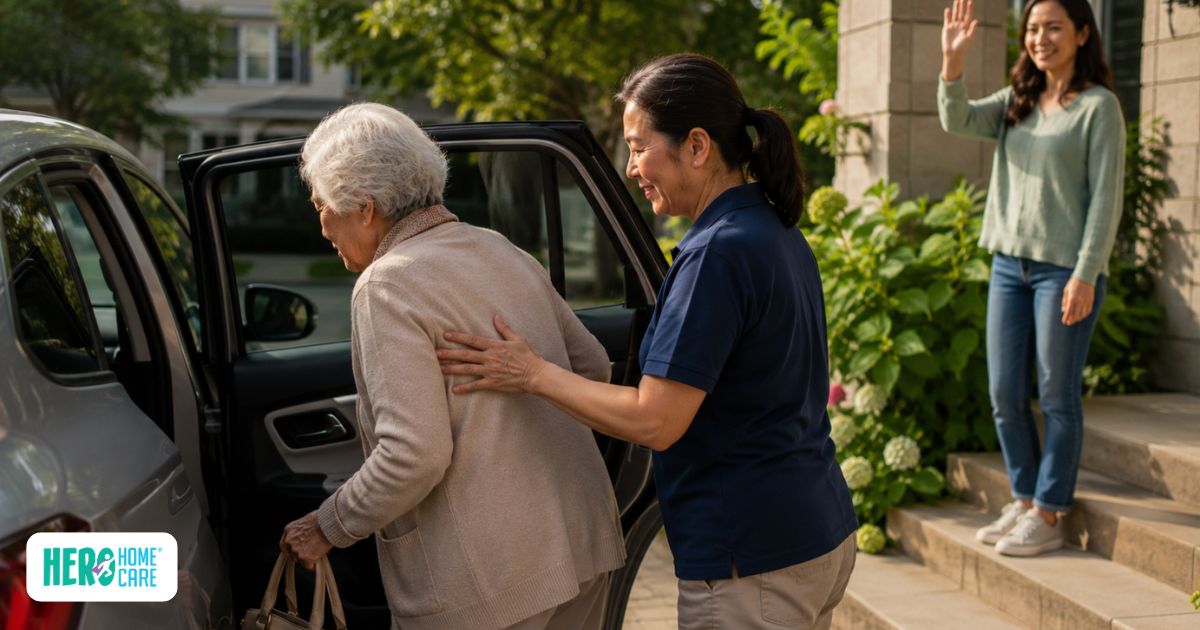
North Shore Better at Home, administered by North Shore Community Resources, may provide volunteer transportation to medical appointments for eligible seniors. Rides depend on volunteer availability and are not guaranteed. Fees and eligibility can vary based on the person’s circumstances.
This option may be useful for occasional medical trips when conventional transit is not practical and relatives are unavailable. Families should contact the program directly to confirm current eligibility, notice requirements, cost, service area, and availability.
When a person needs physical assistance before, during, or after an appointment, families should confirm whether the transportation provider offers accompaniment or only the ride itself. Transportation provided as part of a private home-care arrangement may be another option when a caregiver is also needed to help the person prepare, enter the clinic, or return home.
Community Shuttle Services
Community shuttle services can make shorter local trips more manageable when regular bus routes are difficult to use. These options are particularly useful for reaching recreation centres, shopping areas, libraries, and other neighbourhood destinations.
In some areas, TransLink-operated community shuttle routes also provide connections to key destinations where larger bus services may be less accessible or practical.
Community Programs and Social Resources for North Vancouver Seniors
Maintaining social connections, personal interests, and regular activities can support wellbeing throughout later life. Regular involvement in local groups, classes, and events can provide structure, a sense of purpose, and ongoing engagement with others. Whether someone is highly active or simply looking for a few consistent commitments each week, North Vancouver offers a range of community, recreational, educational, and social opportunities for older adults.
Senior Centres
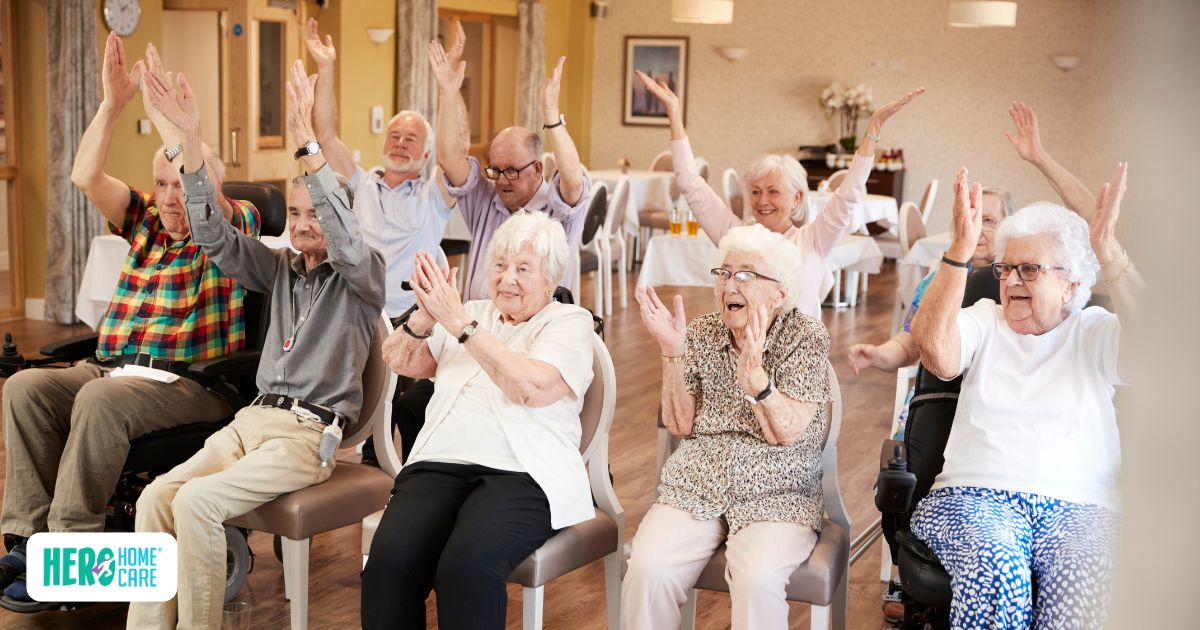
Senior centres can be a useful starting point for older adults seeking regular activities and social connections. These centres may offer social gatherings, educational programs, recreation, meals, and special events in one location.
In North Vancouver, Silver Harbour Seniors’ Activity Centre is a well-known example. North Vancouver Recreation & Culture also provides senior-focused programs and activities at local recreation facilities.
Recreation Programs
Recreation-based offerings allow older adults to continue hobbies they already enjoy or explore new interests. Options may include arts and crafts, games, music, social groups, drop-in activities, and organized outings.
North Vancouver Recreation & Culture provides recreational and drop-in programs that can help older adults stay active and connect with others.
Related: Avoiding Caregiver Burnout: Strengthening Relationships with Family Members
Fitness Classes
Fitness and movement programs may appeal to older adults who want to remain active at a comfortable level. Classes may include walking groups, stretching sessions, yoga, balance-focused activities, or low-impact exercise.
Scheduled classes can provide consistency and regular interaction with others who share similar interests. Facilities such as the John Braithwaite Community Centre and Delbrook Community Recreation Centre offer a range of fitness and wellness programs that help older adults maintain active routines while participating in structured group activities.
Educational Programs
Educational programs can help older adults explore new interests and develop practical skills. Workshops, lectures, language courses, technology classes, and skill-development opportunities offer ways to remain intellectually engaged while exploring new subjects.
North Vancouver City Library offers educational events, technology support, and digital-skills programs for older adults and other community members.
Other local colleges and community organizations may also offer continuing education opportunities, depending on current programming.
Volunteer Opportunities
Volunteer roles can create a strong sense of purpose while maintaining regular connections with local organizations and residents.
Volunteer North Shore, a North Shore Community Resources program, helps residents explore volunteer roles with NSCR and other local organizations based on their interests and availability.
Volunteering may offer a practical way to contribute skills, meet others, and remain involved in the community.
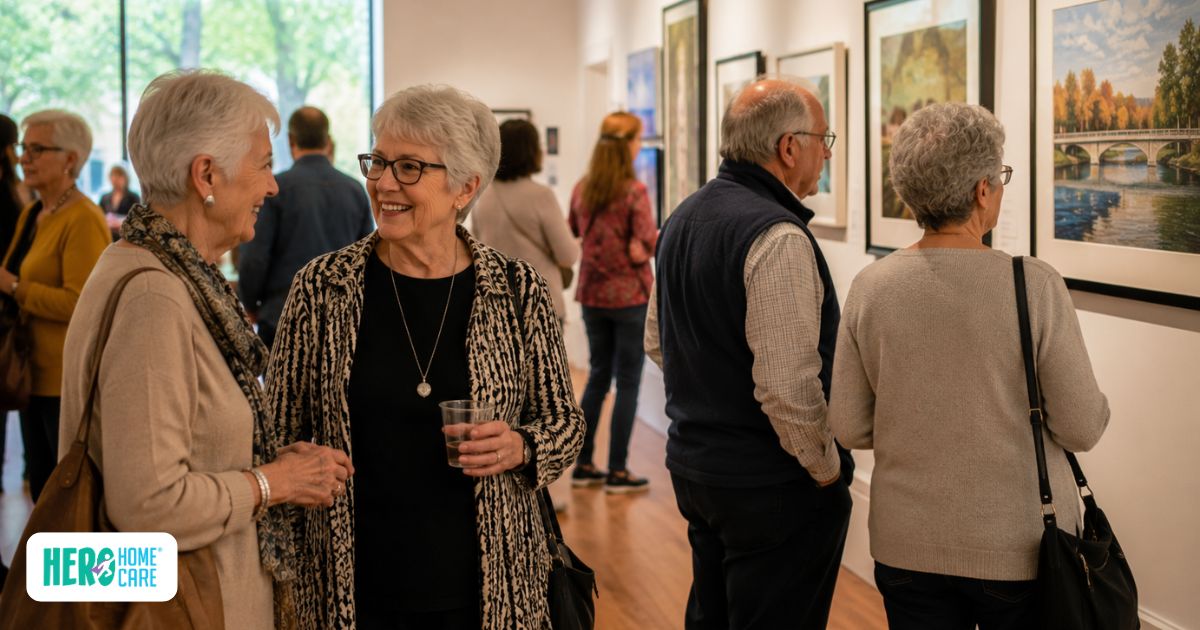
Cultural Activities
Arts programs, local performances, museum visits, festivals, and public events provide opportunities to participate in the broader life of the North Shore. These experiences appeal to a wide range of interests and add variety to weekly routines.
North Vancouver Recreation & Culture offers arts, cultural, and community programming, with schedules varying throughout the year.
Social Clubs
Some older adults prefer informal groups centred on shared interests rather than scheduled classes. Social clubs create opportunities to connect through shared interests such as books, cards, walking, travel, photography, or other hobbies.
Regular meetings can create predictable opportunities for conversation and connection.
Technology Learning Programs
Technology has become an increasingly important part of staying in touch with relatives, accessing information, managing appointments, and participating in virtual activities. Learning opportunities focused on digital skills can help older adults become more comfortable using smartphones, tablets, video calling platforms, and online services.
North Vancouver City Library offers technology classes, device clinics, and digital-skills support for older adults and other residents.

Dementia and Alzheimer’s Resources for Seniors and Families in North Vancouver
Questions about memory changes often begin before extensive assistance is required. Uncertainty may begin with subtle changes, recurring concerns, or a recent diagnosis. Early access to reliable information can help families understand available next steps, yet many people are unsure which organizations, educational tools, or planning resources should come first.
New or worsening changes in memory, judgement, mood, or behaviour should be discussed with a healthcare provider. Dementia is one possible cause, but infections, medication effects, sleep problems, depression, sensory changes, and other health conditions can also affect cognition.
Early-Stage Support
First Link® dementia support connects people affected by dementia with information, education, support groups, and helpline services before or after diagnosis. It can provide a practical starting point for understanding the condition and available services.
Caregiver Education
As cognitive changes become more noticeable, relatives and friends often find themselves navigating unfamiliar situations and responsibilities. Educational resources may help when questions arise about communication, changing responsibilities, and supporting a person living with dementia.
Family Caregivers of BC offers online courses, webinars, articles, and other learning resources for unpaid family and friend caregivers. Accessing reliable information early may help caregivers prepare questions, establish boundaries, and understand available support options.
Support Groups
Support groups create opportunities to share experiences, hear different perspectives, and connect with others facing similar situations.
The Alzheimer Society of BC and Yukon offers virtual and in-person support groups for people living with dementia and family caregivers, subject to current availability. These groups may help participants feel less isolated and learn from others facing similar circumstances.
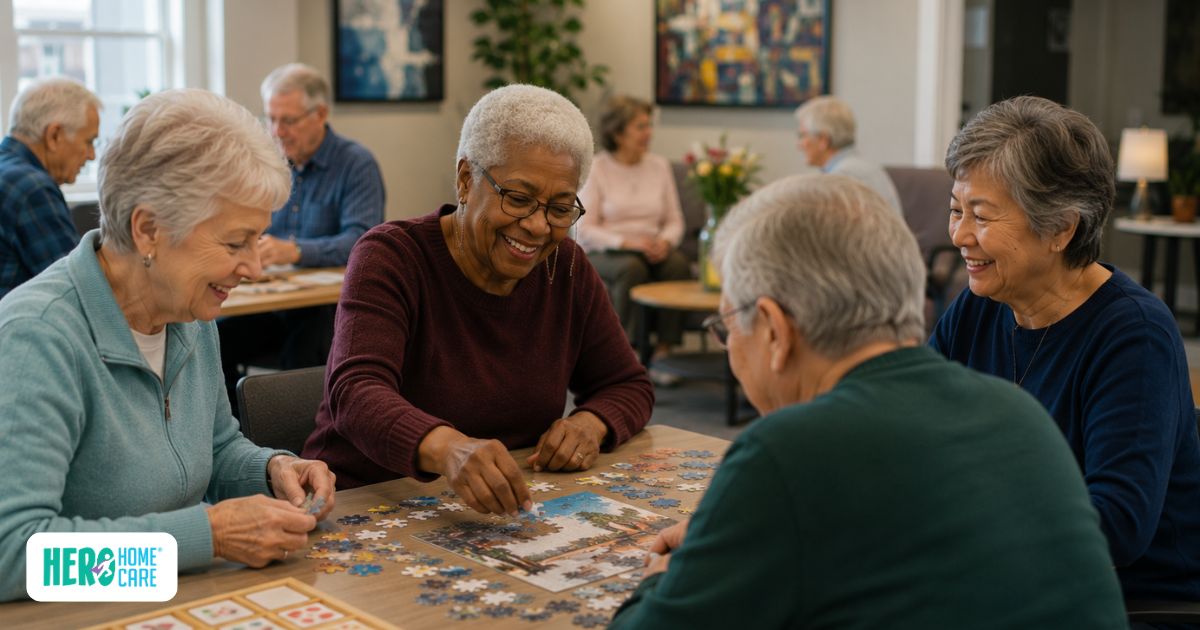
Memory Programs
Wellness and activity programs may offer opportunities for movement, learning, creativity, and social participation. Interest in these offerings often grows after diagnosis or when someone begins looking for ways to maintain mental stimulation.
The BC Brain Wellness Program offers evidence-informed lifestyle and wellness programs for people living with chronic brain conditions, care partners, and healthy agers. Because the program is broader than dementia care, families should review current eligibility, class formats, and suitability before participating.
Safety Planning
Safety planning is often easier when concerns are discussed before an urgent situation develops. Families may need to consider disorientation, driving, medication routines, emergency contacts, home safety, and future decision-making.
Healthcare providers and dementia-support organizations can help families discuss safety concerns and identify appropriate clinical or community resources. Discussing these topics early may help families prepare questions, clarify responsibilities, and seek professional advice when needed.
Dementia-Friendly Community Initiatives
Not every response to cognitive change takes place within healthcare settings. Dementia-friendly initiatives focus on reducing social and physical barriers and improving inclusion for people living with dementia and their care partners.
The Alzheimer Society of BC and Yukon’s Dementia-Friendly Communities initiative provides education, tools, and partnership resources for local governments, businesses, community organizations, and the public. These efforts help create a more inclusive environment while supporting broader awareness across BC and Yukon.
Caregiver Support Resources in North Vancouver
Local caregiver services can provide navigation, education, emotional support, and respite options for relatives and friends assisting an older adult.
Local Caregiver Navigation and Support
Family Services of the North Shore’s Caregivers Connect program provides free support, resources, referrals, and group opportunities for family members and friends caring for older adults who live at home.
North Shore Community Resources offers a separate Caregiver Support Program with support groups, workshops, individual consultations, and referrals to healthcare and community services. Its Seniors One Stop service can also help seniors and families identify local programs and practical resources.
Respite Options
Respite allows another person or service to take over agreed-upon responsibilities temporarily. Depending on the arrangement, this could involve a few hours of help at home, an adult-day program, overnight assistance, or a short residential respite stay.
Access, eligibility, cost, and availability vary. Families can speak with Vancouver Coastal Health about publicly funded home and community care options, contact local caregiver organizations for navigation, or compare private respite services when additional coverage is needed.
Education and Peer Groups
Family Services of the North Shore, North Shore Community Resources, Family Caregivers of BC, and the Alzheimer Society of BC and Yukon offer educational materials or group opportunities relevant to caregiving. Current schedules, registration requirements, and program formats should be confirmed directly with each organization.
Education may become particularly useful after a diagnosis, hospital discharge, change in mobility, or increase in personal-care responsibilities.
Counselling and Emotional Wellbeing
Caregiving can affect relationships, work, sleep, and a person’s ability to attend to their own health. Family Services of the North Shore provides counselling and caregiver-related programming, while BC211 can help identify additional community and mental-health resources.
Seeking counselling does not mean a caregiver has failed. It can provide a confidential setting for discussing boundaries, grief, family conflict, changing roles, or difficult decisions.

When should family caregivers seek additional help?
Additional help may be appropriate when:
- Care responsibilities are interfering with work, sleep, health, or other essential commitments
- One caregiver is carrying most of the responsibility
- Personal care, transfers, or nighttime needs are becoming difficult to manage
- The older adult’s needs exceed the family’s knowledge or physical capacity
- The family is unsure which public, private, or community service to contact
- The current arrangement depends on one person being constantly available
A local caregiver organization, Vancouver Coastal Health access team, family physician, or qualified home-care provider may help the family identify an appropriate next step.
Financial Assistance Programs for Seniors
Federal and provincial programs may help eligible seniors and caregivers with income, housing, prescription, tax, and caregiving-related costs.
Federal Benefits
Federal income programs are frequently one of the first areas people review when retirement income changes or household expenses begin increasing.
The Government of Canada’s Benefits Finder can help identify programs such as Old Age Security (OAS), the Guaranteed Income Supplement (GIS), and the Canada Pension Plan (CPP).
Provincial Benefits
British Columbia offers several programs designed to complement federal income sources. The BC Seniors’ Guide serves as a useful starting point for understanding available provincial assistance and navigating different areas of retirement planning.
Housing Assistance
Housing costs can become a significant consideration for older adults living on fixed incomes. The SAFER (Shelter Aid for Elderly Renters) program is one example of a provincial initiative designed to help qualifying renters manage housing expenses.
Medical Support Programs
Prescription costs and ongoing healthcare expenses can place pressure on retirement budgets, particularly for those managing chronic conditions. Fair PharmaCare helps eligible British Columbia residents offset certain medication costs based on household income.
Tax Credits
Many older adults and their relatives are unaware of tax measures that could reduce overall expenses. The Canada Revenue Agency provides information on tax credits and deductions that may apply to older adults, people with disabilities, and those providing assistance to relatives.
Caregiver Financial Programs
Providing ongoing assistance to a relative can affect employment schedules and income. Employment Insurance Caregiving Benefits offer temporary income support for eligible individuals who need time away from work to care for a critically ill or injured family member.
Housing Resources and Senior Living Options in North Vancouver
Housing options differ in cost, eligibility, living arrangement, and the level of assistance provided. The following comparison can help families distinguish among common options.
Comparing Senior Housing and Care Options | |||
|---|---|---|---|
| Option | Typical Living Arrangement | Available Assistance | May Be Considered When |
| Independent Living | Private Suite or Residence | Meals, Housekeeping, Recreation, or Amenities May Be Available, Depending on the Residence | A Person Remains Largely Independent but Wants Fewer Household Responsibilities or More Social Opportunities |
| Assisted Living | Private or Semi-Private Accommodation in a Registered Residence | Hospitality Services and Prescribed Personal Assistance, Subject to the Residence and Provincial Framework | A Person Can Direct Their Own Care but Needs Regular Help With Some Daily Activities |
| Supportive or Affordable Seniors’ Housing | Varies by Building and Program | Services Differ Significantly and May Range From Housing Only to Selected On-Site Programs | A Person Needs More Affordable or Accessible Housing and Meets the Program’s Eligibility Requirements |
| Long-Term Care | Licensed Residential Care Setting | 24-Hour Professional Care and Supervision | A Person Has Complex Care Needs That Cannot Be Managed Safely Through Their Current Arrangement |
| Aging in Place | The Person’s Existing Home | A Combination of Family Help, Home Modifications, Healthcare, Community Programs, and Private Care | Remaining at Home Continues to Be Practical Based on Health, Mobility, Finances, the Home Environment, and Available Assistance |
These categories are not interchangeable, and services vary among individual residences and programs. Publicly subsidized assisted living or long-term care generally requires assessment, while private-pay retirement residences establish their own fees, services, and admission processes.
Independent Living
Independent living communities may appeal to older adults who want fewer home-maintenance responsibilities while remaining largely independent.
Private-pay retirement residences on the North Shore may offer private suites, meals, housekeeping, amenities, and social programming. Private-pay retirement residences on the North Shore may offer private suites, meals, housekeeping, amenities, and social programming. Services, admission requirements, monthly costs, and available assistance differ among residences. Seniors One Stop can help families identify and compare local housing options.
Assisted Living
Assisted living may be considered when a person needs regular help with daily activities but does not require long-term care. British Columbia’s Assisted Living Registry provides information about registered residences, standards, and complaint processes.
Supportive Housing
Supportive housing combines housing with selected supports, but available services vary considerably by program. BC Housing programs may be relevant for eligible individuals seeking affordable or accessible housing with specific supports. Eligibility, costs, and available supports differ by program, so families should review each option individually.
Long-Term Care
Long-term care may be considered when a person has substantial health, personal-care, or cognitive needs that require 24-hour professional care. Information available through Vancouver Coastal Health Long-Term Care Services can help families understand the role of long-term care within the broader continuum of senior living.
Aging in Place
Aging in place may require home modifications, accessible transportation, healthcare, family assistance, community services, or private home care. Canada Mortgage and Housing Corporation provides guidance on accessibility and adaptable housing design.

Safety and Emergency Resources for Seniors in North Vancouver
Safety planning can involve everyday risk reduction as well as preparation for urgent situations. The right measures depend on a person’s mobility, health, memory, home environment, and ability to respond independently during an emergency.
Fall-Risk Assessment and Home Safety
A previous fall, increasing difficulty with balance, or hesitation on stairs may indicate that a home-safety review would be useful. A family physician or other healthcare professional can help determine whether assessment by a physiotherapist, occupational therapist, or another qualified provider is appropriate.
Practical measures may include improving lighting, clearing walkways, adding secure handrails, reviewing footwear, and following mobility recommendations from the person’s healthcare team. Caregivers may help maintain clear pathways and provide agreed-upon mobility assistance, but they cannot guarantee that falls will be prevented.
Emergency Preparedness
Older adults who live alone, use mobility equipment, rely on medications, or have cognitive or sensory changes may need an emergency plan adapted to their circumstances. PreparedBC provides guidance on emergency kits, evacuation planning, household communication, and preparing for disruptions such as severe weather or power outages.
The plan should identify emergency contacts, essential medications and supplies, mobility requirements, transportation options, and anyone who may need to check in during an emergency.
Medical Alert and Personal Emergency-Response Systems
A medical alert or personal emergency-response system may provide a way to request help after a fall or another urgent event. Available systems differ in cost, coverage, fall-detection features, monitoring arrangements, and whether they work only at home or while the person is away.
Families should compare how each system operates, who receives an alert, what happens if the user cannot respond, and whether cellular or landline service is required. These systems supplement rather than replace emergency planning and appropriate day-to-day care.
Wellness Checks and Regular Contact
Scheduled calls, family visits, neighbour check-ins, community programs, and in-home care can all form part of a regular contact plan. This may become particularly important after a hospitalization, during severe weather, or when a person has become more isolated.
A check-in arrangement should make clear who will make contact, how often, and what action should be taken if the person does not respond.
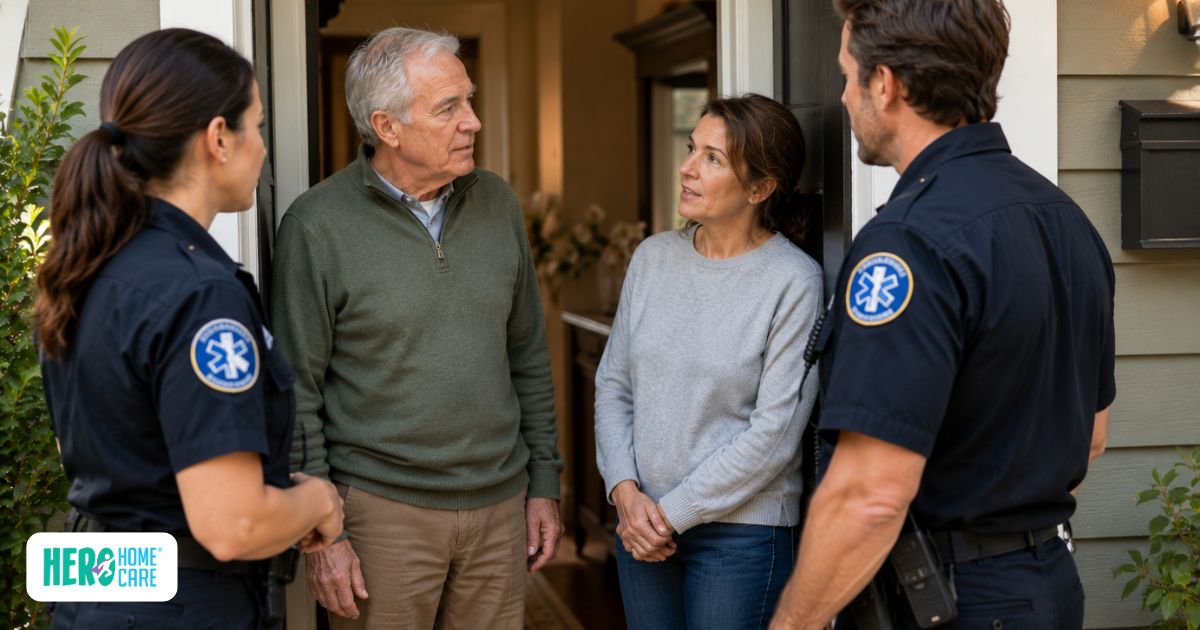
Urgent and Emergency Help
Call 911 when someone may be experiencing a medical emergency or is in immediate danger. For non-emergency health questions in British Columbia, HealthLink BC can be reached by calling 8-1-1.
New confusion, sudden weakness, difficulty speaking, severe shortness of breath, chest pain, loss of consciousness, or a serious fall should not be treated as routine home-care concerns. Seek urgent medical guidance based on the situation.
How Senior Resources May Work Together Over Time
Senior resources are rarely used in a fixed sequence, but many families move through several broad stages:
- Independent community living: Recreation, social programs, public transit, primary care, and financial benefits may be sufficient.
- Targeted practical help: Transportation, grocery assistance, home modifications, or occasional family involvement may address specific barriers.
- Coordinated health and community services: Home health, rehabilitation, dementia education, caregiver programs, or public home support may become relevant after a diagnosis or change in function.
- Regular in-home assistance: Personal care, meals, companionship, respite, medication reminders, or overnight help may be added when daily routines become harder to manage consistently.
- Reassessment of the living arrangement: Assisted living, long-term care, or a more extensive home-care arrangement may need to be considered when needs, safety, finances, or caregiver availability change substantially.
A person may move between these stages or use resources from several stages at once. The purpose of planning is not to predict every future need, but to understand which options are available before a decision becomes urgent.
How to Choose the Right North Vancouver Senior Resources for Your Situation
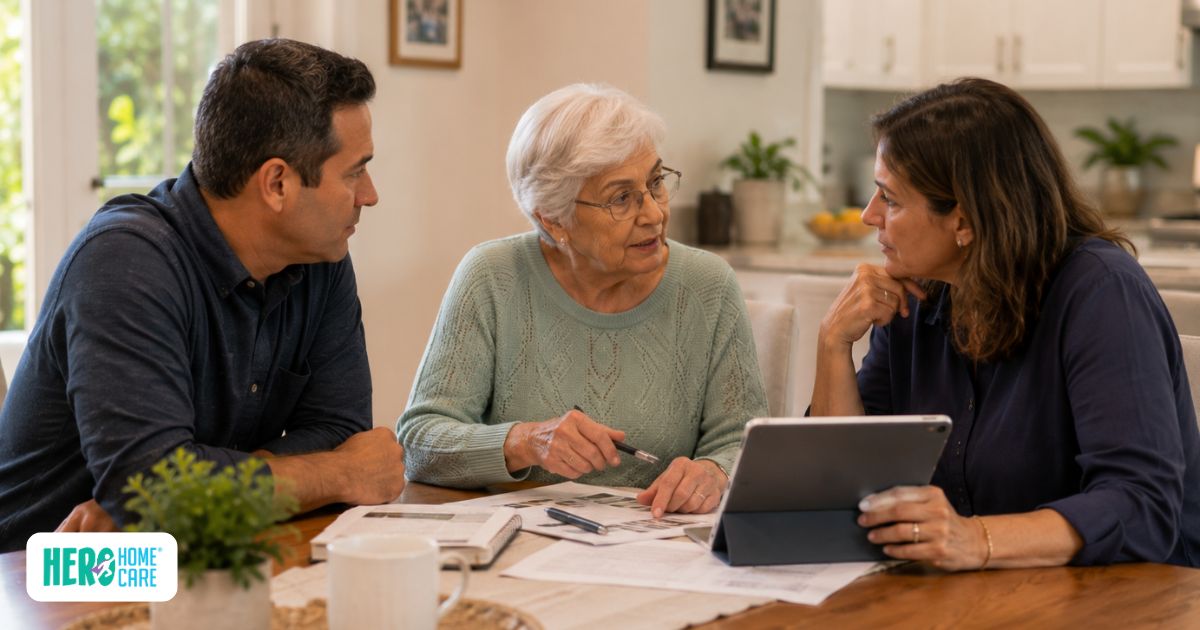
Consider the following factors when identifying which resources may be most relevant.
- Current Health: Consider whether health concerns, appointments, or daily care requirements have changed. New diagnoses, frequent appointments, or ongoing treatment often influence future planning priorities.
- Mobility: Changes in balance, walking ability, or transportation access can affect daily routines, healthcare access, and participation in preferred activities.
- Cognitive Health: Repeated memory concerns, missed appointments, or difficulty managing schedules may be worth discussing with a healthcare provider and may also affect future support planning.
- Social Connections: Regular interaction, hobbies, and meaningful relationships contribute to overall wellbeing. Reduced social contact can influence which categories become more relevant.
- Family Caregiver Availability: Consider how much assistance relatives currently provide, whether responsibilities are shared, and what limits family caregivers may have.
- Budget Considerations: Affordability affects both immediate choices and long-term planning. Reviewing fees, eligibility rules, and available financial assistance early can make options easier to compare.
- Future Care Needs: Consider whether an option can accommodate changes in mobility, personal care, transportation, or family availability.
When Community Resources Are Not Enough for Aging in Place
Additional assistance may be needed when personal care, mobility, household routines, or caregiver responsibilities can no longer be managed consistently through existing services and family involvement.
Signs That Additional Help May Be Needed
A single challenge does not necessarily indicate that major changes are required. Families may instead notice several concerns developing over time. Common indicators may include:
- Repeated falls, near-falls, or growing difficulty moving around the home
- Growing difficulty following an established medication schedule
- Increasing difficulty managing familiar routines or decisions
- Withdrawal from previously enjoyed activities and routines
- Difficulty keeping up with household responsibilities
New or worsening changes in memory, judgement, or behaviour should also be discussed with a healthcare provider, as they may have different causes.
When several concerns occur together, families may consider whether additional personal care, household assistance, transportation, or professional guidance is needed.
When Family Responsibilities Continue to Grow
A caregiving arrangement may need to be reconsidered when appointments, errands, personal routines, check-ins, and unexpected needs require more time or availability than relatives can sustainably provide.
Warning signs can include persistent exhaustion, missed appointments, conflict among relatives, declining caregiver health, or the sense that one person must always remain available.
When Additional Assistance Becomes Part of the Plan
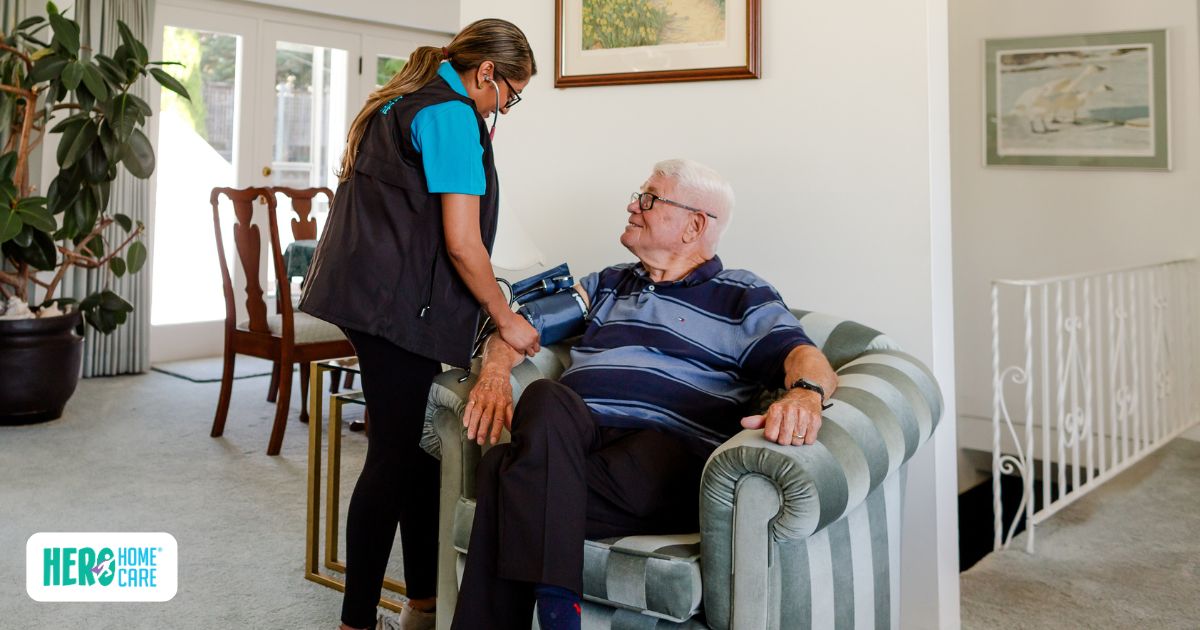
Hero Home Care provides non-clinical in-home assistance that can be coordinated with family involvement, healthcare services, and community programs. It does not replace medical or nursing care.
A care consultation can help families discuss which daily routines require assistance and whether personal care, companionship, meals, transportation, respite, or overnight support may be appropriate.
Sources and Local Resources
Healthcare Resources
- North Shore Primary Care Network
- Vancouver Coastal Health – Services on the North Shore
- Vancouver Coastal Health – Home and Community Care
- Vancouver Coastal Health – Lions Gate Hospital
- Vancouver Coastal Health – Long-Term Care Homes
- HealthLink BC
Transportation Resources
- TransLink – HandyDART
- TransLink – Fares and Fare Zones
- TransLink – Concession Compass Cards
- Government of British Columbia – BC Bus Pass Program
- North Shore Community Resources – Better at Home
Community and Caregiver Resources
- Family Services of the North Shore – Senior and Caregiver Support
- North Shore Community Resources – Seniors One Stop
- North Shore Community Resources – Seniors and Caregivers
- Family Caregivers of BC – Caregiver Support and Resources
- Family Caregivers of BC – Caregiver Learning Centre
- Volunteer North Shore
- North Vancouver Recreation & Culture – Older Adults
- North Vancouver City Library – Events and Programs
- Silver Harbour Seniors’ Activity Centre
- BC 211
Dementia and Brain-Health Resources
- Alzheimer Society of BC and Yukon – First Link® Dementia Helpline
- Alzheimer Society of BC and Yukon – First Link® Referrals
- Alzheimer Society of BC and Yukon – Support Groups
- Alzheimer Society of BC and Yukon – Dementia-Friendly Communities
- BC Brain Wellness Program
Financial Assistance
- Government of Canada – Benefits Finder
- Government of Canada – Old Age Security and Related Benefits
- Government of Canada – Canada Pension Plan
- Government of Canada – Employment Insurance Caregiving Benefits
- Canada Revenue Agency – Credits and Deductions for Individuals
- Government of British Columbia – BC Seniors’ Guide
- Government of British Columbia – Fair PharmaCare
- BC Housing – Shelter Aid for Elderly Renters
Housing and Senior-Living Resources
- BC Housing – Housing Assistance
- Government of British Columbia – Assisted Living Registry
- Vancouver Coastal Health – Long-Term Care Homes
- Seniors One Stop – Housing and Community-Service Navigation
- Canada Mortgage and Housing Corporation – Aging in Place