

Caring for an aging parent is rarely simple. Doing it from another city, province, or country adds a quiet layer of strain that’s hard to explain unless you’re living it. For many families supporting aging parents in North Vancouver and surrounding communities, this distance becomes part of everyday life.
You might be managing decisions over the phone, watching for changes through a screen, or carrying a steady worry about what you can’t see day to day. Even when things seem stable, distance has a way of making everything feel more fragile, leaving you with a low, persistent sense of guilt about not being there in person.
Long-distance caregiving often comes with a mix of responsibility and helplessness. You want to stay involved without hovering. You want your parent to feel supported without taking away their independence. And you want reassurance that if something changes, you’ll know and someone will be there.
This is the reality of long-distance caregiving: staying responsible and connected even when you can’t be physically present.
This guide is here to slow things down and make the situation feel more manageable. It offers grounded ways to stay connected from afar, keep care and communication organized, and put local support in place without turning everything into a crisis. The goal isn’t to control every detail. It’s to create steadiness for you and for your parent through thoughtful planning, communication, and support.

Here is the Quick Answer:
Caring for aging parents from a distance is challenging, but it doesn’t mean you’re disengaged or unprepared. Long-distance caregiving works best when it’s built around steady communication, local support, and simple systems like trusted contacts, organized medical information, regular wellness check-ins, and routines that help you stay informed without constant worry.
Equally important is emotional connection. Small, consistent gestures video calls, shared activities, and familiar faces checking in locally help preserve independence while easing the mental load on families living far away. With the right support in place, distance becomes something you manage thoughtfully, not something you carry alone.
Practical Tips for Long-Distance Caregiving
Caring from a distance often means thinking a few steps ahead and putting simple systems in place that make day-to-day life feel steadier for everyone involved. The suggestions below focus on practical ways to stay involved, reduce uncertainty, and create support around your parent, without turning caregiving into a full-time coordination job.
Set up a local support system
When you don’t live nearby, peace of mind often comes from knowing there are people on the ground, familiar faces who can notice small changes, step in if something feels off, or simply be present when you can’t be. Building a local support system doesn’t have to be complicated, but it does benefit from being intentional.
Start by mapping who is already part of your parent’s world. This might include a nearby sibling, an old friend who checks in regularly, a trusted neighbour, or someone they see through a community or faith group.
The goal isn’t to ask one person to “handle everything,” but to create a small circle where roles are clear and manageable. One person might be willing to stop by for a quick check-in, another to help with small errands like picking up prescriptions, and another to be a local contact if questions or concerns come up.
It can help to have a direct conversation with your parent about who they feel comfortable involving. Framing it as added reassurance rather than a loss of independence often makes this easier. You might explain that having a few local touchpoints allows you to worry less from afar and helps everyone respond calmly if plans change.
Beyond personal connections, look into local spaces where your parent already feels at home. Community centres, senior programs, or social clubs can offer both practical support and regular social contact. You can also explore province-specific senior resource directories, which often list local programs, volunteer services, and community supports tailored to where your parent lives. These settings often become informal safety nets: people notice when someone hasn’t shown up, seems withdrawn, or needs a bit of extra help.
Once you’ve identified a few local supports, make things easier by sharing information clearly. Let people know how to reach you, what kinds of situations you’d want to be looped into, and what your parent is comfortable sharing. This clarity reduces hesitation and helps others step in with confidence rather than uncertainty.
A local support system doesn’t remove your role; it strengthens it. It creates continuity between visits, eases the pressure of distance, and replaces constant worry with a quieter sense that someone is nearby, paying attention.
Learn More: How to Share Caregiving With Siblings Without Conflict

Use technology to stay connected and informed
Technology can’t replace being there in person, but when it’s set up thoughtfully, it can reduce uncertainty and help you feel more present in your parent’s daily life. The goal isn’t constant monitoring. It’s creating simple, reliable touchpoints that support connection, safety, and clarity without adding stress for either of you.
Set up routine video calls
Regular video calls offer more than conversation. Seeing your parent’s expressions, posture, and environment can give you quiet reassurance or gently signal when something feels different. Choosing one or two consistent times each week helps these calls feel like part of life rather than an interruption.
It’s often easiest to use tools your parent may already recognize, such as FaceTime, WhatsApp, or Zoom, rather than introducing something entirely new.
Keeping the setup simple and relying on clear, user-friendly guides when needed can make a big difference in whether these calls feel comfortable or frustrating. Over time, these check-ins can become shared moments: catching up on small updates, noticing mood shifts, or simply spending time together across the distance.
Use online delivery for essentials
Arranging delivery for groceries, medications, and household basics can quietly remove several layers of worry. Services like Amazon, Instacart, DoorDash, or local pharmacy delivery options such as MedNow allow essentials to arrive without relying on risky outings or last-minute help.
Examples are provided for illustration only and do not constitute an endorsement of specific services.
Some families set up recurring deliveries for staples, while others prefer ordering as needed. Either approach works as long as it fits your parent’s routines and sense of independence. For many long-distance caregivers, this becomes one of the simplest ways to stay helpful without being intrusive.
Create a shared online calendar
A shared calendar can act as a central reference point for appointments, reminders, and important dates. Tools like Google Calendar let you, your parent, and other family members stay aligned without constant check-ins.
Medical visits, social plans, and even medication reminders can live in one place, supported by gentle alerts. Some families also pair this with simple smart devices such as reminder apps or basic home monitoring tools to add another layer of reassurance. Using straightforward setup guides helps keep everything accessible, especially if technology feels intimidating.
Using reminders helps reduce missed appointments and avoids the need for repeated follow-ups. Over time, the calendar becomes less about control and more about continuity, keeping everyone aligned and reducing the mental load of remembering every detail from afar.
Facilitate mobility services
When you’re not nearby, transportation can quietly become one of the biggest barriers to independence. Appointments get postponed, social plans shrink, and daily routines narrow, not always because of health, but because getting from one place to another feels complicated or uncertain.
For families managing long-distance caregiving, arranging reliable transportation support can make a meaningful difference. Professional home care providers, including Hero Home Care, can assist with medical appointments, errands, and community activities through structured transportation services for seniors, ensuring your parent gets where they need to go safely and consistently.
In addition to professional support, some communities offer senior-focused transportation programs such as volunteer driver services or medical transport options. Organizations like the Red Cross or local mobility programs may operate in certain regions. Availability varies, so researching what exists in your parent’s specific area is important.
The goal isn’t just getting to appointments. It’s preserving independence, social connection, and routine — without placing last-minute pressure on friends or neighbours.

Coordinate with doctors and keep medical records organized
When you’re supporting a parent from a distance, access to clear medical information can make the difference between calm decision-making and unnecessary stress. Staying organized doesn’t mean managing every appointment; it means knowing where information lives and how to get it when you need it.
Start by having a conversation with your parent about communication preferences and permissions. With their consent, you may be able to receive updates from doctors, be included in appointment summaries, or access information through online patient portals. Even brief follow-up emails or visit summaries can help you stay informed without being intrusive.
Keeping medical information in one place is especially important when you’re not nearby. A simple digital folder can hold key details such as medical history, current medications, allergies, and contact information for healthcare providers and pharmacies. Sharing access with trusted family members creates continuity if responsibilities shift or decisions need to be made quickly.
This kind of organization becomes most valuable in moments of uncertainty, such as an unexpected hospital visit, a medication change, or a call that comes outside regular hours. Instead of searching for details under pressure, you can respond with clarity and confidence. From afar, being prepared in this way allows you to participate meaningfully in care decisions, even when you can’t be in the room.
Schedule regular wellness checks
When you can’t see your parent regularly, even small uncertainties can grow into persistent worry. Scheduling routine, in-person wellness checks helps replace that uncertainty with steady reassurance. These check-ins aren’t about watching for something to go wrong; they’re about maintaining a clear, ongoing sense of how your parent is actually doing.
Wellness checks can take different forms depending on what feels appropriate. Some families arrange periodic home visits with a local nurse or support professional, while others ask a nearby family member or trusted friend to stop by once a week. What matters most is consistency. Familiar faces are more likely to notice subtle changes that might not come up in a phone call.
During one regular visit, Vanessa, one of our Heroes, noticed that Mary, a customer she’d been seeing weekly, seemed quieter than usual and moved more cautiously around the kitchen. Nothing was urgent, but the change was noted and shared. A small adjustment was made early, and the following week felt steadier for everyone involved. It was a reminder that consistency, not crisis, is often what keeps things on track.
During these visits, attention often goes to everyday indicators: mood, mobility, appetite, and general comfort at home. Over time, these small observations build a picture that’s more reliable than occasional updates or reassurances given out of politeness.
Approached this way, regular check-ins function as preventive care. They help you stay informed, support your parent’s independence, and reduce the sense that you’re waiting for a crisis to prompt action. From a distance, knowing someone is checking in regularly allows you to stay grounded and involved without feeling on edge.

Set up a local emergency contact
Even with good planning, emergencies are unpredictable, and distance can make those moments feel especially heavy. Having a clearly identified local emergency contact creates a simple layer of protection that brings reassurance to both you and your parent.
When choosing this person, trust and familiarity matter more than availability alone. It’s often someone your parent already sees regularly: a nearby relative, a close friend, or a neighbour who checks in from time to time. What matters most is that your parent feels comfortable with them and that they’re likely to be reachable if something unexpected happens.
Once identified, share this person’s contact details with everyone who might need them. Doctors’ offices, pharmacies, and other family members should know who to call if you can’t be reached quickly. It’s also important that the emergency contact understands their role, what situations they might be called about, where key information is kept, and how to reach you.
Talking through these details ahead of time can feel awkward, but it often brings relief. For your parent, it reinforces that support is nearby without feeling intrusive. For you, it replaces the fear of being “too far away” with the knowledge that someone you trust can step in calmly if needed.

What is long-distance caregiving?
Long-distance caregiving describes the experience of supporting an aging parent while living far enough away that you can’t be involved in their daily life. This might mean living in another city, province, or country close enough to care deeply, but far enough that presence has to be planned rather than assumed.
It most often affects adult children whose parents want to remain in their own homes, even as needs change. Work, family responsibilities, immigration, or long-established lives elsewhere can all create this distance. In many cases, it isn’t a single decision but a gradual reality that settles in as parents age and circumstances shift.
From afar, concerns tend to cluster around a few familiar questions. What happens if there’s a fall or sudden illness? Are medications being taken properly? Is loneliness setting in quietly? Are appointments being missed or minimized? Without seeing day-to-day routines, even small unknowns can feel magnified.
This is where long-distance caregiving differs from being nearby. In-person care allows for observation, instinct, and immediacy. Distance relies more on communication, coordination, and trust, often without the reassurance that comes from seeing things for yourself. Decisions are made through updates, impressions, and second-hand information rather than direct experience.
Emotionally, this can create a steady undercurrent of guilt, stress, and lack of control. Many adult children feel torn between respecting their parent’s independence and worrying that they’re missing something important. Long-distance caregiving isn’t just about logistics; it’s about carrying responsibility across space and learning how to stay connected, informed, and grounded even when you can’t be there in person.

Common Challenges of Caring for Parents From Afar
When you’re caring from a distance, challenges often show up quietly through unanswered calls, vague updates, or the feeling that you’re always one step behind. You may be doing your best, yet still feel unsure about what daily life actually looks like for your parent.
One of the hardest parts is not knowing what’s happening day to day. You hear that things are “fine,” but you’re not there to notice changes in energy, routine, or mood. Small details, missed meals, a growing reluctance to go out, and unopened mail can be invisible from afar, even though they matter.
Emergencies tend to sit in the back of your mind. You might worry about a fall, a sudden illness, or a moment when your parent needs help and can’t reach you. Distance can make these fears feel heavier, especially when time zones, work schedules, or travel limits are involved.
Communication gaps add another layer. Updates often come second-hand or after the fact, and it’s hard to know what questions to ask when you can’t see the full picture. Managing appointments, medications, or follow-ups can feel like piecing together a puzzle without all the pieces in front of you.
Decision-making from a distance brings its own strain. You may be asked to weigh in on choices about care, safety, or routines without feeling fully informed. At the same time, family dynamics can complicate things; siblings may have different perspectives, or your parent may resist help in ways that are harder to address when you’re not nearby.
Underneath all of this is the emotional weight. Guilt for not being there. Anxiety about missing something important. A persistent fear that an emergency will happen when you’re least prepared. These feelings are common, and they don’t mean you’re doing anything wrong. They reflect how much you care, even across the distance.

When and Why to Consider Local Home Care Support
There’s often a moment when you start to wonder whether staying organized and checking in is still enough. It might not come from a single event, but from a gradual sense that your parent’s needs are shifting and that distance makes it harder to respond in real time.
Some signs are practical. Meals become simpler or inconsistent. Appointments are postponed or forgotten. Getting around the house or out into the community takes more effort than it used to. Medications may still be taken, but reminders are needed more often. None of these changes necessarily signal a crisis. Still, together they can suggest that daily support would make life feel steadier.
It’s also common for parents to underreport what they’re struggling with. Sometimes that’s about protecting their independence. Sometimes it’s about not wanting to worry you. From afar, you may hear that everything is “fine,” while sensing, through tone, repetition, or small omissions, that things are taking more effort than they’re letting on.
This is where local home care can quietly fill the gaps. Support might look like help with meals, a regular presence for companionship, assistance with mobility, or gentle medication reminders that keep routines intact. These are everyday supports, not dramatic interventions, designed to make life easier rather than take it over.
Learn More: Warning Signs That Your Aging Parent Might Need Some Help at Home
For long-distance caregivers, this kind of help often eases a constant mental load. Instead of wondering whether something is being missed, you know there’s someone present who can notice changes early and offer consistency between your calls and visits. It doesn’t replace your role; it supports it, allowing you to stay involved without carrying everything alone.
Considering professional support isn’t a sign that things have gone too far. Often, it’s a way of responding thoughtfully to change, adding structure, presence, and reassurance before distance turns everyday uncertainty into ongoing stress.
Learn More: Surrey Home Care Resources
How Hero Home Care Supports Families Providing Care from a Distance
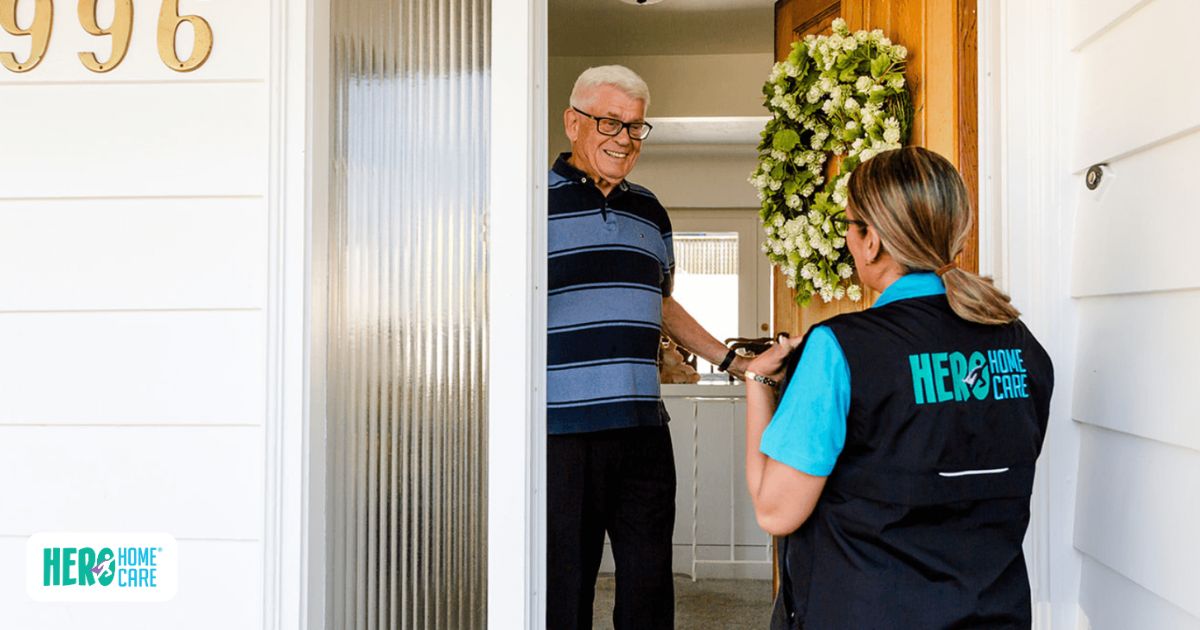
When care has to happen across distance, what families often need most is reliability, something steady they can trust without being physically present. Hero Home Care works with long-distance families as a local partner, helping translate concern into consistent, day-to-day support that fits into a parent’s existing life rather than disrupting it.
Care is shaped around the individual, not a fixed package. Support plans are built with flexibility in mind, adjusting as needs change and routines evolve. For families living elsewhere, this adaptability matters, as it allows care to grow gradually, without forcing decisions before they feel necessary. Clear communication and regular updates help replace guesswork with understanding, so families aren’t left wondering how things are actually going.
Matching the right Hero is another part of that trust. Consistency, familiarity, and personality fit all play a role in helping care feel natural in the home. Over time, this continuity creates a rhythm families can rely on, even when they’re managing everything from another city or province. Importantly, care can be arranged and adjusted without being physically present, removing one of the biggest barriers long-distance caregivers face.
During one ongoing arrangement, our caregiver Tonye worked with Michael, whose daughter lived several provinces away. There were no emergencies, just regular visits, small observations, and steady communication. Over time, Michael’s daughter stopped checking her phone as often during the day, knowing she’d be updated if anything shifted. The reassurance came not from big moments, but from consistency.
For many families, this kind of support bridges the space between concern and confidence. It allows adult children to stay involved and informed, while knowing someone local is paying attention. The result isn’t control or urgency. It’s a quieter sense that care is in place, and that distance doesn’t have to mean disconnection.

Staying Emotionally Connected With Aging Parents While Living Far Away
Distance can change how often you see your parent, but it doesn’t have to weaken the relationship itself. Emotional connection is built through small, consistent gestures, many of which are still possible, even when you’re far apart.
For some families, weekly video calls become an anchor point. Not every call needs an agenda or a purpose. Sometimes it’s enough to share a cup of coffee on screen, talk about ordinary moments, or simply see each other’s faces. Over time, these calls create a sense of rhythm and presence that goes beyond updates.
Shared activities can also help bridge the gap. Watching the same show and talking about it afterward, reading the same book, or exchanging photos from daily life can create moments of togetherness that don’t rely on being in the same place. These small points of overlap help maintain familiarity and shared context, even across distance.
Physical reminders still matter, too. Letters, cards, or care packages carry a different kind of weight. They’re tangible and can be revisited when days feel long or quiet. For many parents, knowing something was chosen, written, or packed specifically for them reinforces a sense of being thought of and remembered.
It’s easy to focus on logistics when you’re caring from afar, but emotional care is just as important. Staying connected in these ways doesn’t mean you’re doing everything perfectly; it means you’re showing up in the ways you can. And for many parents, that steady presence, however it arrives, is what matters most.
Conclusion
Caring for aging parents from a distance comes with its own mix of responsibility, uncertainty, and care. Over time, staying connected often means putting thoughtful systems in place, such as local support, clear communication, regular check-ins, and routines that help you stay informed without feeling constantly on edge.
None of these steps are about taking control; they’re about creating steadiness when physical presence isn’t possible.
Just as important is recognizing that support can be shared. Whether it’s through family, community resources, or professional care, having others involved helps reduce the quiet pressure that long-distance caregivers often carry alone. Emotional connection, practical planning, and local presence work together to support both your parent’s independence and your own peace of mind.
If any part of this feels familiar, it may help to contact Hero Home Care to discuss it, or explore what support could look like in your parent’s day-to-day life. Sometimes, simply understanding the options and knowing you don’t have to navigate distance on your own can make the path forward feel clearer.