

Living with COPD often becomes more demanding with age because routine activities require more energy than they once did. Reduced stamina, slower recovery after exertion, and changing physical abilities can make daily routines and independent living at home more challenging.
Tasks such as getting dressed, preparing meals, climbing stairs, shopping, or keeping up with household responsibilities may gradually take longer or require more planning. For many older adults, shortness of breath and low energy levels affect not only what gets done each day, but also the pace at which they are completed.
Reducing exposure to known triggers and recognizing changes early becomes an important part of day-to-day COPD management. Consistent habits, monitoring changes, planning ahead, and making practical adjustments around the home can help reduce disruptions and support greater stability over time.
This guide focuses on the practical realities of living with COPD at home, including everyday adaptations, caregiving considerations, symptom-related challenges, oxygen-related considerations, and factors that influence long-term independence. It also explores situations where professional in-home assistance may become helpful as needs change.
Here is the Quick Answer:
COPD care at home may involve pacing daily activities, following prescribed treatment and oxygen instructions, maintaining nutrition and hydration, reducing respiratory irritants, staying engaged with appropriate physical activity or pulmonary rehabilitation, and using a COPD Action Plan to respond to worsening symptoms.
Families can help with routines and communication, while medical changes, flare-ups, oxygen settings, and treatment decisions remain the responsibility of healthcare professionals. Home care may become useful when personal care, meals, mobility, medication routines, transportation, companionship, or family-caregiver responsibilities become difficult to manage consistently.
Understanding COPD in Older Adults and How It Affects Daily Life
Living with COPD involves more than receiving a diagnosis. For many older adults, the condition gradually influences how everyday tasks are completed, how much stamina remains available throughout the day, and how easily they can participate in activities they once considered routine. The effects are often felt most clearly in daily life, where physical capacity, daily routines, and independence at home may change over time.

What is COPD?
Chronic obstructive pulmonary disease (COPD) is a long-term respiratory condition that includes chronic bronchitis and emphysema. It involves persistent airflow limitation, making it harder for air to move in and out of the lungs efficiently. While the diagnosis itself is important, its impact on daily living is often what people notice most.
Why COPD Is More Challenging for Older Adults
As people age, natural changes in respiratory function can make it more difficult to compensate for existing lung limitations. Many older adults have less physical stamina than they did years earlier, and activities that once felt manageable may require considerably more effort. Recovery after minor illnesses or periods of inactivity can also take longer.
Many individuals are managing more than one chronic illness at the same time, which can make daily routines harder to maintain. Tasks that require sustained effort, such as cleaning, shopping, or moving around the house, may become more tiring than expected.
Reduced stamina can gradually influence how often someone leaves the house, participates in hobbies, or completes household responsibilities independently.
The challenge is not usually a single activity but the cumulative effect of many small limitations that make everyday life more demanding over time.
Common Symptoms That Affect Independence
COPD commonly causes shortness of breath, chronic cough, mucus production, wheezing, and fatigue. These symptoms can make activities such as bathing, dressing, walking, climbing stairs, preparing meals, and leaving the home more demanding.
How COPD May Change Over Time
COPD is a chronic condition, but its course varies between individuals. Symptoms and functional limitations may change gradually, and periods of worsening symptoms or exacerbations can temporarily increase care needs. Ongoing medical management, appropriate physical activity, pulmonary rehabilitation where recommended, and an individualized self-management plan can help people manage the condition.
The Biggest Challenges Seniors With COPD Face at Home
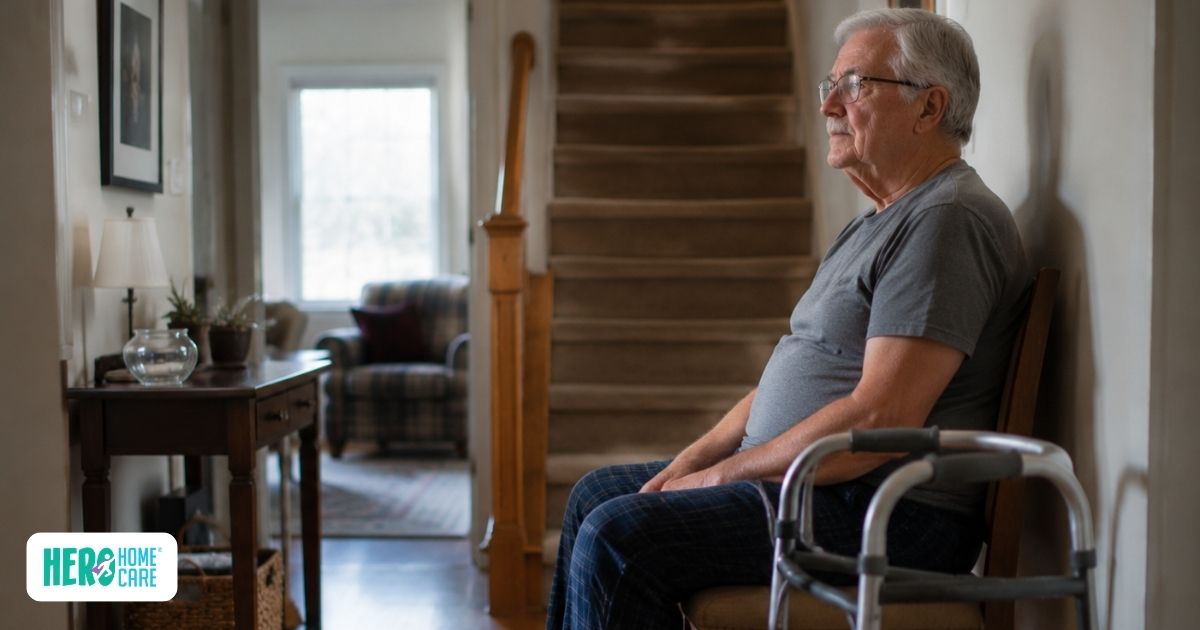
COPD can affect several aspects of everyday life at once. Breathlessness, fatigue, reduced endurance, mobility concerns, social isolation, and recovery after a hospitalization can all influence how comfortably and independently an older adult manages daily routines at home.
Managing Breathlessness During Daily Activities: Breathlessness can make bathing, dressing, stairs, shopping, and household tasks take longer or require more frequent rests.
Fatigue and Reduced Endurance: Some people need to spread demanding activities across the day or week rather than completing several tasks consecutively.
Mobility and Fall Concerns: Fatigue, reduced endurance, oxygen tubing, and other mobility limitations may make movement through the home more difficult. The home environment and any assistive devices should reflect guidance from the appropriate healthcare or rehabilitation professional.
Social Isolation and Emotional Health: Reduced stamina or concern about becoming breathless away from home can limit outings and social participation, which may contribute to isolation.
Hospitalization and Recovery: A COPD exacerbation or hospital stay can temporarily reduce function and increase the need for assistance at home. Discharge instructions and follow-up recommendations should guide the recovery plan. Our West Vancouver hospital-to-home support covers this short-term need.
Caring for Seniors With COPD at Home: Daily Support Strategies
Living well with COPD often depends on how everyday life is organized. Consistent routines, realistic expectations, thoughtful pacing, and small adjustments throughout the day can make everyday responsibilities easier to manage while helping individuals stay engaged in familiar activities.
Creating a Consistent Daily Routine
A predictable schedule can reduce unnecessary strain and make daily responsibilities easier to manage. Many households find it helpful to spread tasks throughout the day rather than trying to complete everything at once. Planning meals, appointments, errands, and household tasks around times of day when energy is typically highest can create a more sustainable rhythm.
A structured routine can also make everyday planning feel simpler by creating a clearer framework for meals, appointments, household responsibilities, and periods of rest.
Conserving Energy Throughout the Day
Managing effort is often just as important as completing tasks. Rather than tackling several demanding responsibilities in succession, many people benefit from alternating periods of activity with opportunities to rest. For example, grocery shopping, household chores, and social commitments may be spaced throughout the week instead of grouped into a single day.
Prioritizing the most important responsibilities and postponing less urgent tasks can help make the week feel more manageable.
Encouraging Appropriate Physical Activity
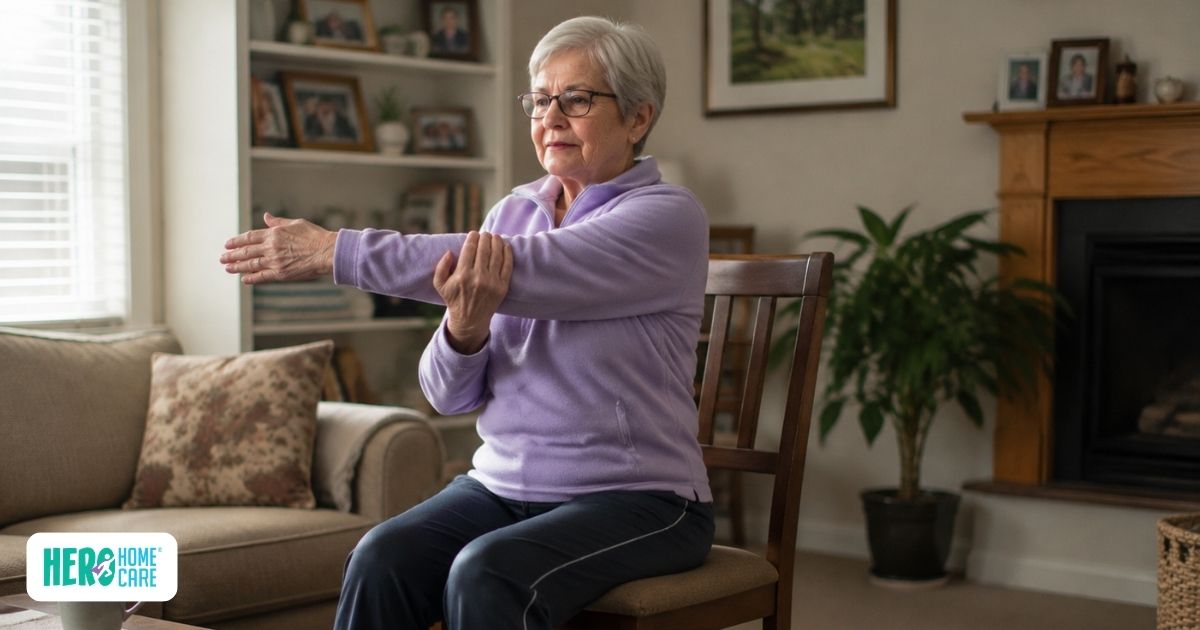
Physical activity can be an important part of COPD management, but the appropriate type and intensity depend on the person’s symptoms, overall health, oxygen needs, and healthcare recommendations.
Families can encourage participation in activities already approved by the healthcare or pulmonary rehabilitation team and help make those routines easier to follow. New exercise programs should be discussed with an appropriate healthcare professional before they begin.
Following a Pulmonary Rehabilitation Plan
Pulmonary rehabilitation is a supervised program that may include exercise training, breathing techniques, education, and strategies for managing COPD. A healthcare provider can advise whether pulmonary rehabilitation is appropriate and how much physical activity is suitable for the individual.
Related: Respite Care 101 - Every Caregiver Needs a Break
Family members and home-care providers can help a person stay engaged with an established activity or rehabilitation routine, but they should not independently prescribe exercises or increase activity beyond guidance from the healthcare team.
Supporting Independence Without Overexertion
Maintaining independence often involves finding a balance between what remains practical and what has become unnecessarily difficult. Many individuals prefer to stay involved in household decisions, personal routines, and everyday responsibilities even when some adjustments become necessary.
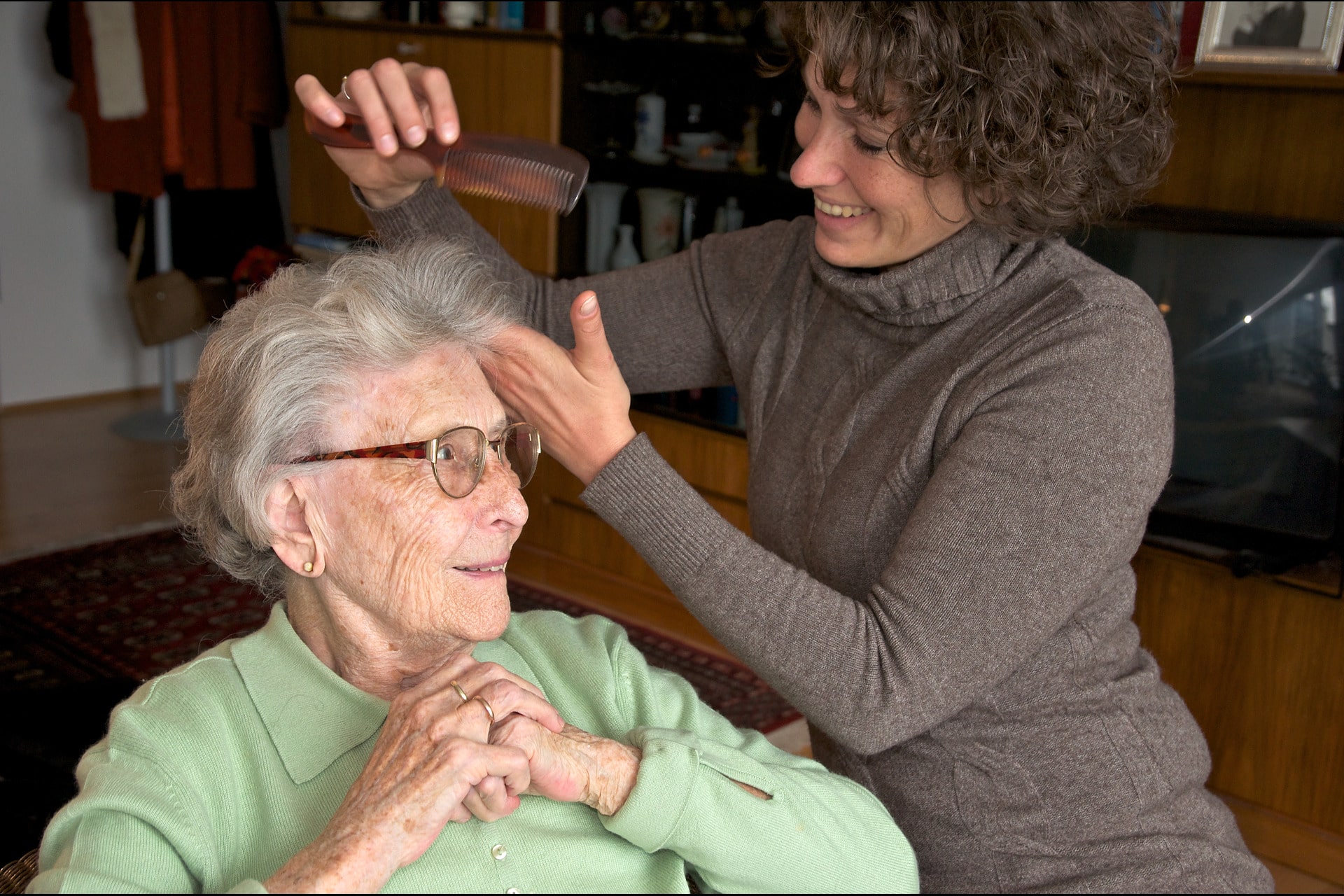
Practical adjustments may include sitting for grooming or meal preparation, keeping frequently used items within easy reach, dividing larger tasks into shorter steps, and scheduling demanding activities for times when energy is usually better. Any activity limits or rehabilitation instructions provided by the healthcare team should take priority.
Monitoring Changes in Symptoms
Daily life often follows recognizable patterns, which makes changes easier to notice. Activities that normally feel manageable may begin taking longer, require additional breaks, or become harder to complete.
Paying attention to changes in energy levels, breathing, or everyday activities can provide useful context about how day-to-day functioning is evolving. Looking for patterns over time can make gradual changes easier to recognize.
Managing Shortness of Breath and Breathing Difficulties at Home
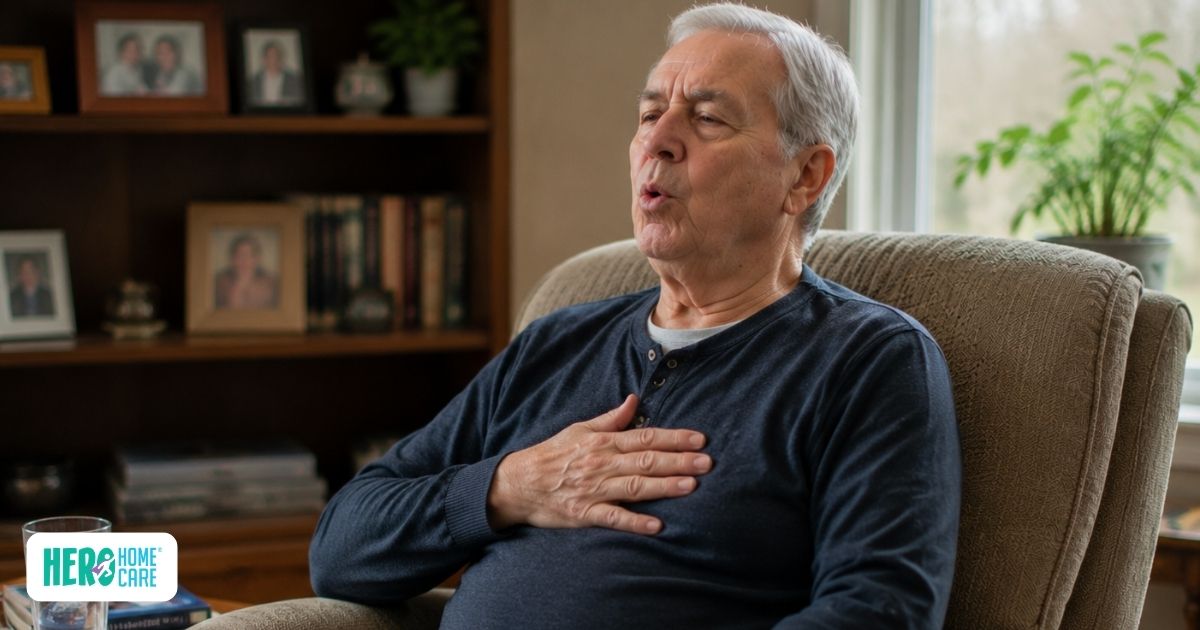
Respiratory discomfort can influence far more than physical comfort. It may affect confidence, participation in everyday routines, and willingness to stay active throughout the day. While these situations can be frustrating, many households gradually develop small everyday adjustments that help everyday activities feel more manageable.
Breathing Techniques That Help Reduce Breathlessness
Breathing strategies such as pursed-lip breathing are commonly taught as part of COPD self-management and pulmonary rehabilitation. A respiratory therapist, pulmonary rehabilitation team, or other qualified healthcare professional can help ensure the technique is appropriate and being used correctly.
These techniques are not intended to prevent or eliminate breathlessness, but they may help create a greater sense of control and reduce the feeling of rushing for air. For some individuals, maintaining a steadier breathing pattern may help certain activities feel more comfortable to complete.
Positioning Strategies for Easier Breathing
Body position can sometimes influence comfort during periods of respiratory limitation. Sitting upright, leaning slightly forward while seated, or resting with the arms supported on a table or countertop are examples of positions many people naturally adopt when they need a brief pause.
Someone preparing a meal, folding laundry, or returning from an errand may find that a short rest in a comfortable position feels more comfortable than remaining standing. Small adjustments like these can make routine interruptions less disruptive.
Avoiding Common Breathing Triggers
Everyday environments may contain irritants that make respiratory challenges more noticeable. Smoke, strong fragrances, dust, poor air quality, and extreme temperatures are among the most common examples. Reactions vary from person to person, which is why many individuals gradually learn which situations are more likely to cause discomfort.
A heavily scented product, a smoky outdoor area, or spending time outside during poor air-quality conditions may affect one person’s comfort level more than another’s. Recognizing these patterns can make everyday decisions and routines easier to navigate.
Recognizing a COPD Flare-Up or Breathing Emergency
A COPD flare-up involves symptoms becoming noticeably worse than the person’s usual baseline. Changes may include increased breathlessness or wheezing, more coughing, changes in the amount or colour of mucus, unusual fatigue, or greater difficulty completing normal activities.
Families should follow the person’s COPD action plan, if one has been provided, and contact the healthcare team when symptoms worsen or do not respond as expected to the established plan. Severe difficulty breathing, inability to recover with the prescribed emergency plan, chest pain, loss of consciousness, or another medical emergency requires urgent medical attention.
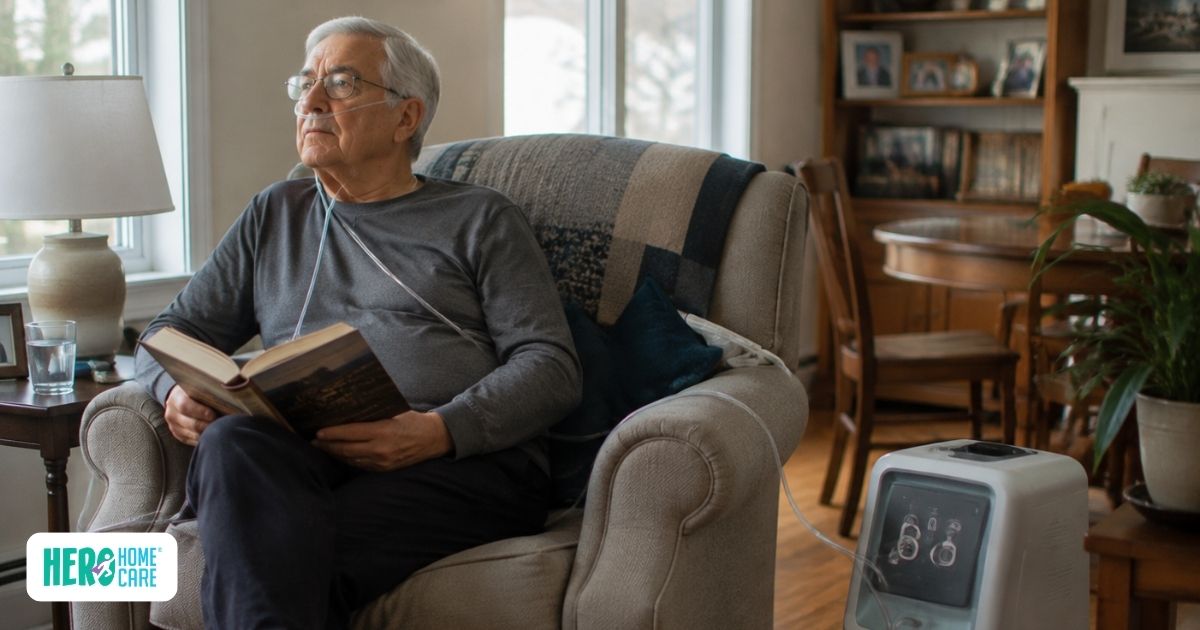
Home Care Tips for Seniors With COPD and Oxygen Therapy
Some people with COPD are prescribed supplemental oxygen when their blood oxygen level is sufficiently low. Oxygen should be used at the flow rate and for the duration prescribed by the healthcare team. Family members and non-clinical caregivers should not independently change oxygen settings.
Understanding Home Oxygen Equipment
Home oxygen may be supplied through a concentrator, cylinders, portable equipment, or another system selected for the individual. The person, family, and caregivers should follow instructions from the prescribing healthcare professional and oxygen supplier regarding operation, maintenance, backup planning, and use away from home.
Tubing connects the oxygen source to the user and often becomes part of the daily environment. Although the equipment may seem unfamiliar at first, most households gradually adapt to incorporating it into regular activities.
Oxygen Safety at Home
Oxygen increases fire risk. No one should smoke or vape near oxygen equipment, and oxygen should be kept at least 2 metres (6 feet) from flames, sparks, and heat sources. Equipment should be stored and used according to supplier instructions, and tubing should be positioned so that it does not create unnecessary trip hazards.
Related: Aging With Dignity: Maintaining Seniors Independence With Home Care
Do not change the prescribed oxygen flow rate unless directed by the appropriate healthcare professional.
Preventing Accidents and Equipment Issues
One of the most common challenges involves becoming accustomed to tubing and other oxygen-related components within the home. Tubing stretched across walkways, wrapped around furniture, or left in high-traffic areas can create unnecessary hazards. Many households develop routines for checking that lines remain visible and free from damage.
Regularly looking for signs of wear, loose connections, or accidental damage can also help prevent interruptions. Small habits, such as paying attention to tubing placement before standing up or moving between rooms, often make a meaningful difference.
Supporting Mobility While Using Oxygen
Using supplemental oxygen does not necessarily mean giving up normal routines. Many individuals continue participating in household tasks, visiting friends, attending appointments, and taking part in activities they enjoy.
One of the biggest adjustments is becoming comfortable navigating familiar environments while using oxygen-related equipment. Leaving extra time for tasks, thinking through routes inside the home, and preparing for outings in advance can make daily movement feel less stressful. As familiarity increases, many individuals become more comfortable incorporating oxygen therapy into regular routines rather than planning their entire day around it.
Any difficulty using portable oxygen safely during activity should be discussed with the healthcare team or oxygen supplier.
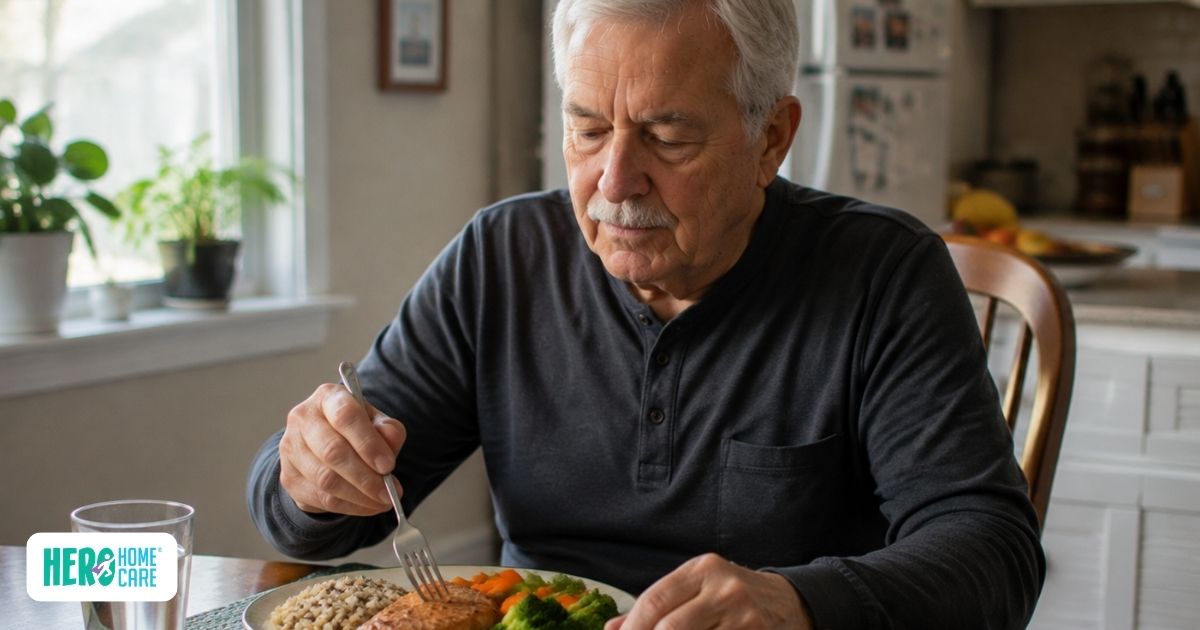
Nutrition and Hydration Tips for Seniors Living With COPD
Nutrition needs vary considerably among people living with COPD. Breathlessness, fatigue, reduced appetite, unintended weight loss, other health conditions, and prescribed dietary or fluid restrictions can all affect what is appropriate.
Balanced, nutrient-dense meals may help maintain energy and muscle mass, but significant weight loss, difficulty eating, or uncertainty about nutrition should be discussed with a healthcare professional or registered dietitian.
Why Nutrition Matters for Lung Health
Maintaining good nutritional intake helps support energy levels and overall health. Tasks such as shopping, housekeeping, and managing household responsibilities all place demands on physical reserves. When eating patterns become inconsistent or body weight begins to decline, routine activities may feel more demanding.
Over time, adequate nourishment can play an important role in remaining active, supporting overall resilience, and continuing to participate in familiar activities.
Foods That Support Energy and Recovery
A balanced approach to eating is often more practical than focusing on individual nutrients. Many people find it helpful to include a variety of foods that provide steady nourishment throughout the day rather than relying on occasional large meals.
- Protein-rich options such as eggs, fish, poultry, beans, and Greek yogurt
- Fruits and vegetables that add variety and everyday nutritional value
- Nutrient-dense choices such as nuts, seeds, whole grains, and nut butters
The goal is not perfection but consistency. Simple, well-rounded food choices are often easier to maintain over the long term.
Managing Weight Loss and Muscle Weakness
Some people living with COPD experience unintended weight loss and gradual muscle decline. Even modest changes in body weight can affect stamina and make routine responsibilities feel more difficult. Maintaining muscle mass may help support physical function, making it easier to remain active and complete everyday tasks.
Changes in appetite, reduced interest in eating, or increased effort required during meals can gradually contribute to weight loss, which is why gradual changes in appetite or body weight are often worth noticing early.
Maintaining Hydration Within the Care Plan
Keeping drinks within easy reach and taking smaller amounts throughout the day may make hydration easier for some people. However, fluid needs are individual. Anyone who has been given a fluid restriction because of heart, kidney, or another medical condition should follow that guidance rather than increasing fluids independently.
Meal Preparation Strategies for Limited Energy
As routines become more demanding, simplifying meal preparation can reduce unnecessary effort and make eating well easier to maintain. A practical approach focuses on reducing workload rather than creating elaborate meal plans.
- Preparing ingredients in advance when energy levels are higher
- Keeping simple staple foods readily available
- Making larger portions that can be used again later
Many people find that having straightforward, easy-to-assemble options available helps make meal choices simpler and encourages more consistent eating habits on busier days. Small adjustments like these can make everyday nourishment easier to maintain over time.
Related: North Vancouver Senior Resources: A Complete Guide for Seniors and Families
Keeping the Home Safe and Comfortable for Someone With COPD
The living environment can influence comfort just as much as personal habits. Small adjustments around the house may reduce unnecessary obstacles, simplify everyday tasks, and make the home easier to navigate.
Improving Indoor Air Quality
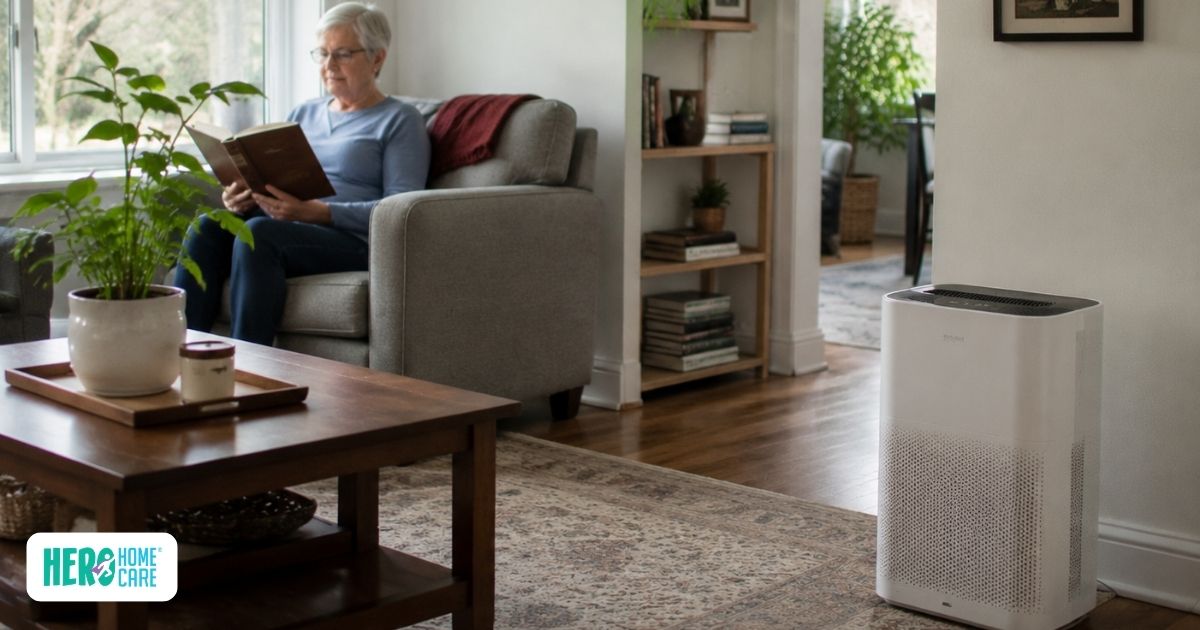
Reducing indoor pollutants such as tobacco smoke, dust, strong fragrances, combustion products, and other known triggers can make the home environment more comfortable for someone with COPD.
Ventilation decisions should also take outdoor conditions into account. When outdoor air quality is good, appropriate ventilation may help reduce indoor contaminants. During wildfire smoke or other poor-air-quality events, families should follow local public-health guidance, which may include keeping windows and doors closed and using appropriate filtration or a certified portable air cleaner.
Reducing Dust, Smoke, and Irritants
Reducing common irritants may help create a more comfortable indoor environment. Dust, smoke, strong fragrances, scented candles, and heavily fragranced cleaning products are common household irritants.
Practical adjustments such as regular dusting, choosing milder household products, and avoiding indoor smoking can help limit unnecessary exposure without requiring major changes.
Preventing Falls and Mobility Accidents
Household layout plays an important role in accident prevention. Loose rugs, electrical cords, cluttered walkways, and poor lighting can increase the risk of trip-related incidents, particularly during periods of low stamina. Keeping pathways clear and ensuring commonly used areas are well lit can make moving between rooms easier and help reduce fall risk.
Organizing Living Spaces for Easier Movement
Thoughtful item placement can reduce unnecessary effort throughout the day. Frequently used belongings are often easier to access when stored at convenient heights rather than in high cabinets or low storage areas. Arranging commonly used items closer to where they are needed can also reduce repeated trips between rooms and simplify household tasks.
Temperature and Humidity Considerations
Heat, cold, and humidity levels can influence how comfortable a person feels indoors. Keeping indoor temperatures relatively consistent and paying attention to seasonal changes may make the indoor space easier to live in. During periods of extreme weather, adjusting schedules around the most suitable times of day can also help reduce unnecessary strain.
Reducing COPD Flare-Up Risks and Responding to Worsening Symptoms
COPD exacerbations cannot always be prevented. However, following the prescribed treatment plan, avoiding known triggers where practical, staying current with recommended preventive care, and recognizing changes from the person’s usual symptoms can help with day-to-day COPD management.
A written COPD Action Plan developed with the healthcare team can help the person and family recognize changes from the usual baseline and understand what prescribed steps to take when symptoms worsen. It can also clarify when to contact the healthcare team and when urgent medical attention is needed.
Common Causes of COPD Exacerbations
COPD exacerbations are frequently linked to respiratory infections, seasonal illnesses, poor air quality, smoke exposure, and environmental irritants. While not every trigger can be avoided, recognizing situations that commonly contribute to setbacks can help households make more informed decisions about everyday activities and exposures.
Early Warning Signs Families Should Know
Families should compare symptoms with the person’s usual baseline and follow the COPD Action Plan developed with the healthcare team. The plan should guide what prescribed steps to take, when to contact the healthcare team, and when urgent medical attention is required.
Infection Prevention Strategies
Many protective habits are simple and practical. Regular handwashing, avoiding unnecessary exposure to people who are unwell, and maintaining good everyday hygiene at home may help reduce the likelihood of seasonal illnesses spreading within the household. Simple habits practiced regularly are often easier to maintain than complex prevention routines.
Vaccinations and Preventive Care
People with COPD should discuss recommended vaccinations with their healthcare provider or pharmacist and follow current Canadian and provincial immunization guidance. Recommendations depend on age, health conditions, vaccination history, and current public-health guidance.

Medication Management and Treatment Adherence
Inhalers, prescriptions, follow-up appointments, and communication with the healthcare team often become part of everyday life for people living with COPD. As medication management and treatment schedules grow more involved, simple organizational systems can make day-to-day follow-through easier and reduce unnecessary confusion.
Understanding Inhalers and COPD Medications
COPD treatment may involve different inhalers and other prescribed medications with specific purposes and schedules. Correct inhaler technique matters because improper use can reduce the amount of medication reaching the lungs.
A physician, pharmacist, respiratory educator, nurse, or other qualified healthcare professional can review how each medication should be used and check inhaler technique. Family caregivers can help keep the established schedule organized, but medication changes should be directed by the prescribing healthcare professional.
Helping Seniors Follow Treatment Plans
Consistency is often easier to maintain when prescribed therapies are connected to existing habits. Taking inhalers at the same time each day, following an established routine, and keeping schedules predictable can reduce the likelihood of confusion while making follow-through feel more natural.
Supporting an Established Medication Routine
Written schedules, reminders, calendars, and other organizational tools may make prescribed routines easier to follow. Hero Home Care’s Medication Management service may also help with medication reminders, organization, and established routines under nurse-guided oversight.

Related: How We Create Personalized Care Plans at Hero Home Care
Caregivers should not change doses, discontinue medications, or interpret side effects independently. New or concerning symptoms should be communicated to the healthcare team.
Managing Side Effects
Changes sometimes occur after starting a new prescription or adjusting an existing regimen. Paying attention to patterns, making note of concerns, and tracking observations can help people discuss concerns with their healthcare provider. Observation is often more helpful than trying to interpret changes independently.
Coordinating Care With Healthcare Providers
Keeping information current across appointments can make ongoing care easier to coordinate. Bringing current medication lists to appointments, sharing concerns, and discussing changes in routines can support communication and make it easier for the care team to understand the overall situation.
Emotional Wellbeing and Mental Health Support for Seniors With COPD
Living with a chronic respiratory condition can affect more than physical health. Changes in physical capacity and lifestyle can influence self-assurance, relationships, and overall quality of life. Paying attention to these aspects is an important part of supporting overall wellbeing over time.
Anxiety Related to Breathing Difficulties
Periods of shortness of breath can create uncertainty, particularly when people are unsure how they will feel during outings or household tasks. Over time, concern about becoming winded may lead to hesitation around certain situations, affecting willingness to stay engaged in activities they previously enjoyed.
Depression and Chronic Illness
Long-term health challenges can bring frustration, especially when familiar parts of life become harder to sustain. Activities that once felt simple may require more effort, and changes in lifestyle can affect overall outlook. Adjusting to these realities is often an ongoing process rather than a single event.
Maintaining Social Connections and Companionship
Reduced stamina or concern about becoming breathless can make outings and social activities less frequent. Regular contact with relatives, friends, community groups, or a companion can help preserve familiar relationships and meaningful interaction when leaving home becomes more difficult.
For some households, Hero Home Care’s Companionship Care may provide additional conversation, shared activities, and regular social contact alongside existing family and community connections.
Building Confidence and Independence
Confidence is often shaped by experience. Finding ways to remain involved in meaningful activities, adapting expectations when necessary, and continuing to participate in personal decisions can strengthen self-assurance. Small successes frequently play an important role in maintaining a sense of purpose and personal control.

How Family Caregivers Can Support a Loved One With COPD
Family involvement often becomes more important when a chronic respiratory condition begins affecting household responsibilities, confidence, and familiar patterns. The goal is usually to step in where needed while still allowing the person to make choices, participate in familiar tasks, and feel respected at home.
Finding the right balance can take time. Many older adults prefer to remain involved in decisions and continue handling responsibilities they can comfortably manage. A relative’s role is often most effective when it complements existing abilities rather than replacing them, especially when the person can still safely handle parts of a task.
Paying attention to noticeable shifts can be valuable without turning everyday life into constant observation. Changes in stamina, participation in everyday activities, or daily routines may provide useful insight into how things are progressing. A repeated pattern usually gives a clearer picture than one difficult day.
As responsibilities increase, the demands placed on the person providing care may also grow. Balancing work commitments, care duties, and personal obligations can become challenging. Setting realistic limits and sharing responsibilities with siblings when possible can make the role more sustainable without allowing every task to fall on one person.
Circumstances rarely remain exactly the same. Thinking ahead about household responsibilities, future adjustments, and backup plans can make transitions easier if circumstances change. Planning does not require predicting every possibility; it simply gives the household a clearer way to respond when needs change.
Communication with healthcare professionals is another important part of the process. Keeping information organized, bringing questions to appointments, and sharing observations about changes in daily activities or breathing can help ensure discussions are more productive. Clear communication can make appointments more useful and reduce confusion about what should happen next.
When Professional Home Care May Be Helpful for Seniors With COPD
Home care may be worth considering when COPD-related limitations begin making everyday routines difficult to manage consistently, even though medical treatment remains under the direction of the healthcare team.
Situations that may prompt families to consider additional help include:
- increasing difficulty bathing, dressing, preparing meals, or managing household routines;
- fatigue or breathlessness making everyday tasks increasingly demanding;
- difficulty maintaining an established medication routine;
- reduced mobility or greater need for help moving through the home;
- recovery following a hospitalization or COPD exacerbation;
- family caregivers being unable to provide the required level of day-to-day involvement;
- increasing isolation because leaving home has become more difficult.
Frequent or worsening COPD exacerbations should be discussed with the healthcare team rather than treated simply as a reason to increase non-clinical home care.

How Hero Home Care Can Support Seniors Living With COPD
Hero Home Care can provide practical assistance alongside the person’s medical treatment and family involvement. Depending on the care plan and available services, this may include Personal Care Services, Cooking & Meal Support, Companionship Care, Homemaking, Transportation for Seniors, and Medication Management.
Where clinical services are appropriate, Nursing Care should be distinguished from non-clinical caregiving and provided within the scope of qualified nurses. Following hospitalization, Hero’s Hospital Discharge or other relevant Care Package may also help coordinate practical needs as the person settles back into everyday routines.
Home care does not treat COPD, prescribe or change medication, adjust oxygen therapy, or replace pulmonary rehabilitation or medical monitoring.
Building a Long-Term COPD Care Plan for Aging in Place
Living with COPD often involves gradual changes rather than sudden transitions. Planning ahead can help households adapt more gradually instead of making important decisions during periods of increased need.
Key Areas in a Long-Term COPD Care Plan | |
|---|---|
| Planning Area | Example Considerations |
| Health Goals | Staying Active, Maintaining Stamina, Attending Appointments |
| Home Environment | Air Quality, Accessibility, Fall Prevention |
| Family Involvement | Responsibilities, Communication, Backup Plans |
| Future Support Needs | Additional Support as Needs Change |
| Long-Term Independence | Preserving Autonomy and Aging in Place |
A long-term approach often begins with realistic goals. For some people, that may mean staying active in meaningful activities, attending appointments consistently, or maintaining involvement in household responsibilities. These goals may change over time, but having clear priorities can make later decisions easier.
Planning also involves recognizing that needs may change over time. Family responsibilities, living arrangements, and levels of outside involvement may all need occasional adjustment. Discussing these possibilities before they become urgent can help households respond more smoothly when circumstances change.
For many families, aging in place is not about avoiding change altogether. It is about adapting gradually while preserving autonomy and remaining connected to familiar surroundings. Flexible plans are often easier to adapt to changing needs without requiring major decisions at every stage.
Source:
Understanding COPD and Living With COPD
- National Heart, Lung, and Blood Institute – COPD
- Mayo Clinic – COPD: Symptoms and Causes
- HealthLink BC – Chronic Obstructive Pulmonary Disease (COPD)
COPD Self-Management and Daily Living
- Canadian Lung Association – Managing COPD
- American Lung Association – Managing COPD
- Mayo Clinic – COPD: Diagnosis and Treatment
Pulmonary Rehabilitation
Oxygen Therapy
COPD Flare-Ups and Action Plans
- Canadian Lung Association – Managing COPD
- American Lung Association – Prevent a COPD Exacerbation or Flare-Up
- Cleveland Clinic – COPD Exacerbation
Nutrition
Mental Health and Caregiving
- COPD Foundation – The COPD Caregiver
- American Lung Association – COPD and Emotional Health
- PubMed Central – COPD and Comorbid Mental Health: Addressing Anxiety and Depression