
A dementia diagnosis can introduce questions about medical care, safety, caregiving, finances, legal planning, community involvement, and future living arrangements. Vancouver families may need to coordinate several organizations and services, often without knowing which resource to contact first.
This guide explains the principal dementia resources available in Vancouver, including medical assessments, First Link® support, caregiver education, respite and adult day services, home care, safety planning, financial assistance, legal preparation, and housing options. It also shows how these resources may work together as needs change and when additional support at home may become appropriate.
Here is the Quick Answer:
Vancouver dementia support may involve a primary-care provider, specialized assessment, First Link® education and navigation, caregiver programs, adult day services, respite, safety planning, financial and legal preparation, and assistance at home. The most useful starting point depends on whether the immediate concern is diagnosis, caregiver strain, daily routines, safety, or future planning. Families should begin early, verify eligibility and referral requirements directly with each provider, and reassess the plan as needs change. Home care may become appropriate when personal routines, supervision needs, or caregiver responsibilities can no longer be managed consistently through existing family and community support.
Medical Care and Dementia Assessments in Vancouver
Medical evaluations are often the starting point of the dementia support journey. Understanding where to go, who performs different types of reviews, and what steps typically follow can make the process feel more manageable and help households navigate available pathways with greater clarity.

Starting the Assessment Process
For many people, the first step is a conversation with a family physician or nurse practitioner. They can review the concerns, consider other possible causes of cognitive changes, conduct or arrange initial screening, and determine whether referral for specialist assessment is appropriate.
Specialized Dementia Assessment
A family physician or nurse practitioner may conduct an initial review and determine whether referral to a specialist or interdisciplinary clinic is appropriate. The referral pathway depends on the person’s symptoms, medical history, age, location, and clinical needs.
The Alzheimer’s Disease and Related Disorders Clinic at UBC Hospital provides specialized assessment, diagnosis, care, and support for people with Alzheimer’s disease and related disorders. A healthcare-provider referral is required, and the clinic advises that there is a waiting list for assessment. Families should confirm current referral requirements and expected wait times with the clinic or referring provider.
While awaiting specialist assessment, new or worsening symptoms should continue to be discussed with the person’s primary-care provider.
After the Evaluation
A dementia assessment may lead to follow-up with the person’s primary-care provider, specialist, or clinic, depending on the findings and recommended next steps. While waiting for an appointment or follow-up, families can contact the Alzheimer Society of BC and Yukon for education and navigation support through First Link®. New, sudden, or rapidly worsening confusion should be discussed promptly with a healthcare professional rather than assumed to be part of dementia progression.

Resources for Different Types of Dementia
Alzheimer’s disease is the most commonly recognized cause of dementia, but vascular dementia, Lewy body dementia, frontotemporal dementia, and mixed dementia may involve different symptoms, progression patterns, and care considerations.
The Alzheimer Society of BC and Yukon provides information and navigation support for people affected by different forms of dementia, not only Alzheimer’s disease. Families seeking more specialized information can also ask the person’s healthcare provider or First Link® Dementia Helpline about resources relevant to the diagnosed or suspected condition.
New symptoms should not be attributed to an existing dementia diagnosis without medical review. Sudden changes in cognition, alertness, behaviour, or functioning may have another cause and may require prompt assessment.
Dementia Support Groups for Individuals Living with Dementia in Vancouver
Dementia support groups and social programs can help people remain connected, participate in meaningful activities, and meet others with similar experiences.
Peer Connection and Shared Experiences
Peer discussion groups create opportunities for people living with dementia to meet others navigating similar circumstances. These gatherings often focus on conversation, shared experiences, and maintaining a sense of belonging rather than clinical education.
Programs offered through the Alzheimer Society of BC and Yukon help participants build relationships, exchange perspectives, and stay involved with others who understand the realities of living with memory-related changes. Many people find these opportunities particularly valuable after diagnosis, when they are beginning to navigate what comes next.
Early-Stage Group Programs
Early-stage initiatives are designed for people who want to remain active and socially involved while adapting to new circumstances. The Alzheimer Society of BC and Yukon offers group-based opportunities specifically intended for those in earlier stages, providing a space for discussion, participation, and connection.
Social and Recreational Opportunities
Not every social opportunity needs to be a formal support group. Minds in Motion® combines physical activity and social participation for people living with early-stage dementia and a care partner. Vancouver community centres also offer general recreation and social programs, although these are not necessarily dementia-specific or supervised as dementia-care programs. Families should confirm accessibility, registration requirements, available support, and whether an activity is appropriate for the individual.
Dementia Caregiver Resources for Family Members and Care Partners
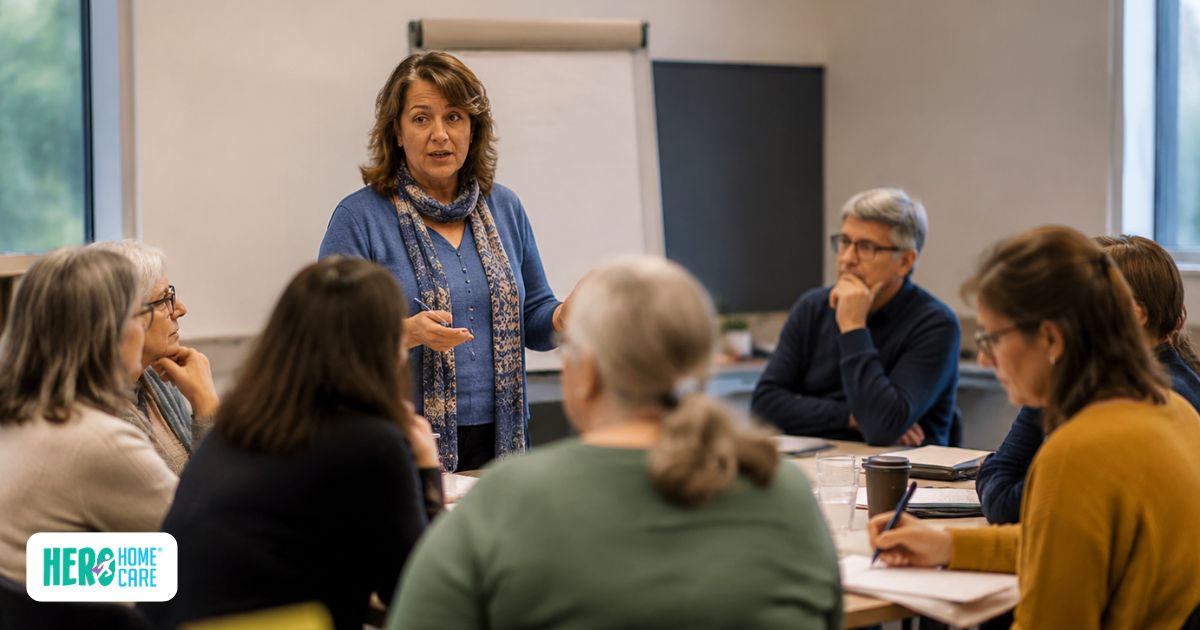
Supporting someone living with dementia often involves far more than attending appointments or helping with practical tasks. As circumstances change, many relatives and care partners find themselves learning new skills, adjusting expectations, and making important decisions.
Educational opportunities, peer networks, counselling, and practical respite services can provide valuable support throughout that journey.
Education and Practical Learning
Many people benefit from learning opportunities designed specifically for those providing ongoing assistance to someone with memory-related changes.
Workshops, educational sessions, and caregiver training initiatives offered through organizations such as the Alzheimer Society of BC and Yukon can help participants better understand communication approaches, practical caregiving situations, and evolving circumstances. These opportunities are often most useful soon after diagnosis but can remain relevant as situations become more complex.
For many households, practical learning becomes the foundation for making informed decisions about future options.
Examples of caregiver learning opportunities include:
Related: Daily Routine for Dementia Patients (Caregiver Guide)
- First Link® Dementia Helpline: Education, navigation, information, and connections to Alzheimer Society programs and community resources for people affected by dementia.
- Family Caregivers of BC Learning Resources: practical education focused on caregiving skills, decision-making, and navigating complex situations.
- Education Workshops from the Alzheimer Society of BC and Yukon: online learning sessions covering dementia, communication, caregiving, and planning topics.
Peer Connection and Emotional Resilience
Learning how to provide assistance and managing the personal impact of caregiving are often separate challenges. While education builds understanding, peer gatherings, emotional support services, and counselling focus on the personal side of the experience.
Discussion-based opportunities allow people to connect with others facing similar circumstances, share experiences, and gain perspective from those further along the journey. Counselling may be appropriate when ongoing demands begin affecting relationships, family dynamics, emotional health, or decision-making.
Many care partners find that combining education with peer connection creates a more sustainable approach than relying on either option alone.
When Caregiving Becomes Difficult to Sustain
Additional support may be needed when caregiving begins affecting sleep, health, work, relationships, or the ability to provide consistent assistance. The appropriate resource depends on the concern: peer groups provide shared experience, counselling offers individualized emotional support, and respite creates practical time away from caregiving duties. Immediate health or safety concerns should be directed to the appropriate healthcare or emergency service.
Dementia Resources for Respite Care and Caregiver Relief
Regular respite can give family caregivers time to rest, attend appointments, work, or manage other responsibilities while another person or program provides temporary support. Available options may include in-home respite and eligible adult day services.
Respite Options in Vancouver
Respite may be provided through in-home assistance, adult day programs, or other temporary arrangements, depending on eligibility, availability, and the person’s care needs.
Vancouver Coastal Health Adult Day Programs provide structured daytime activities and supervision for eligible adults living in the community. Access requirements and program availability should be confirmed directly with VCH. Private in-home respite care in Vancouver may also be considered when a family needs scheduled coverage in the person’s home.
Families seeking urgent or short-term relief should contact the person’s VCH care team, primary-care provider, First Link® Dementia Helpline, or a qualified home-care provider to identify currently available options. Emergency medical or safety concerns require the appropriate emergency service rather than routine respite care.
Choosing a Respite Option
The appropriate form of respite depends on how often coverage is required, whether support is needed at home or during the day, the person’s care needs, eligibility, and local availability. Families needing occasional coverage may consider scheduled in-home respite, while eligible individuals may benefit from structured Adult Day Programs. When temporary relief is no longer enough to maintain daily routines consistently, ongoing home care may be worth considering.
Home Care and Aging in Place Resources in Vancouver
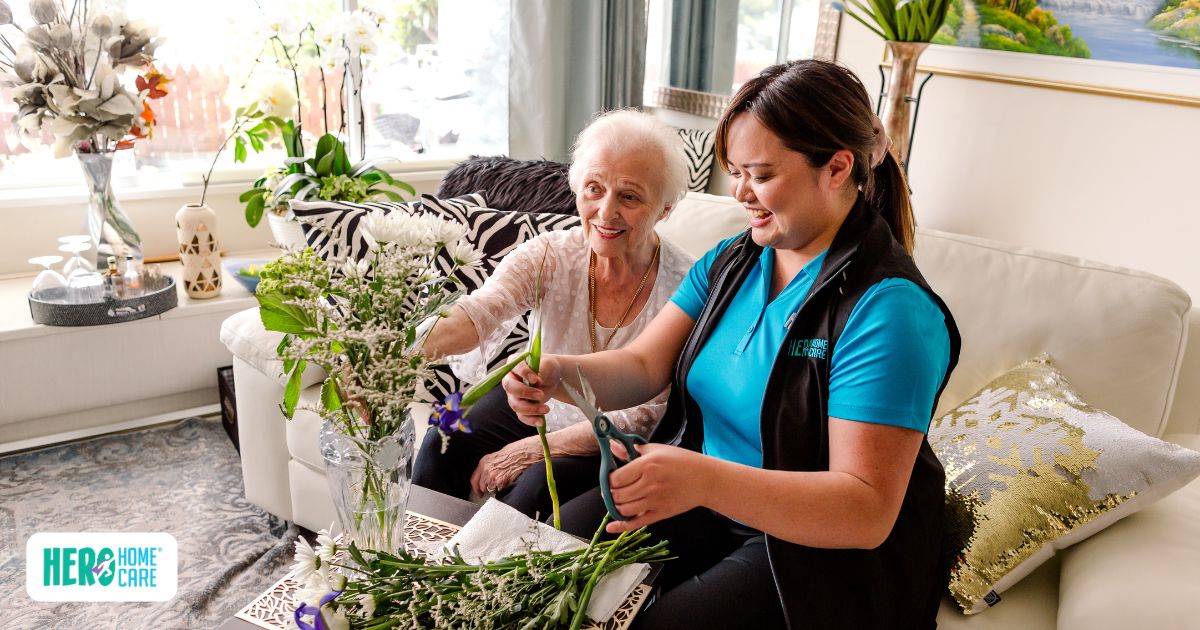
Home care may help a person living with dementia remain in familiar surroundings when everyday routines, personal care, medication needs, mobility, meal preparation, or supervision become harder to manage consistently. It can supplement family involvement and community services rather than replace them.
When Home Care May Be Needed
Families may begin exploring home care when they notice:
- missed or confused medication routines;
- difficulty bathing, dressing, preparing meals, or moving safely through the home;
- increasing need for reminders or reassurance;
- concerns about the person being alone;
- disrupted sleep or growing overnight needs;
- relatives providing more assistance than they can sustain consistently.
There is no single point at which home care becomes necessary. The decision should reflect the person’s needs, preferences, living environment, existing support network, and any guidance from healthcare professionals.
Dementia Support Available at Home
Hero Home Care may provide support through relevant Core Services and Care Packages, depending on the individual care plan and service availability. This may include:
- Personal Care Services: Assistance with bathing, dressing, grooming, personal routines, and established mobility or transfer routines where included in the care plan.
- Medication Management: Help organizing medication schedules and pillboxes, providing timely reminders, and supporting consistent routines under nurse guidance.
- Companionship Care: Regular social interaction, shared activities, reassurance, and a consistent presence.
- Cooking & Meal Support: Help planning and preparing regular meals.
- Dementia Support & Alzheimer’s Care: Dementia-focused assistance adapted to communication preferences, familiar routines, and changing cognitive needs.
- Respite Care: Scheduled assistance that gives family caregivers time away from their usual responsibilities.
- Round-the-Clock Care: Continuous caregiver coverage when a person requires support across the day and night.
Home care does not replace medical assessment, diagnosis, treatment, or emergency care. Clinical services such as nursing should be described separately and delivered within the scope of qualified professionals.
Supporting Aging in Place as Needs Change
Home care can begin with occasional visits and increase if daily needs become more complex. Consistent caregivers, familiar routines, personalized planning, and communication with family members can help coordinate support at home alongside medical care, adult day programs, community resources, and future planning.
Dementia Resources for Adult Day Programs and Community Engagement
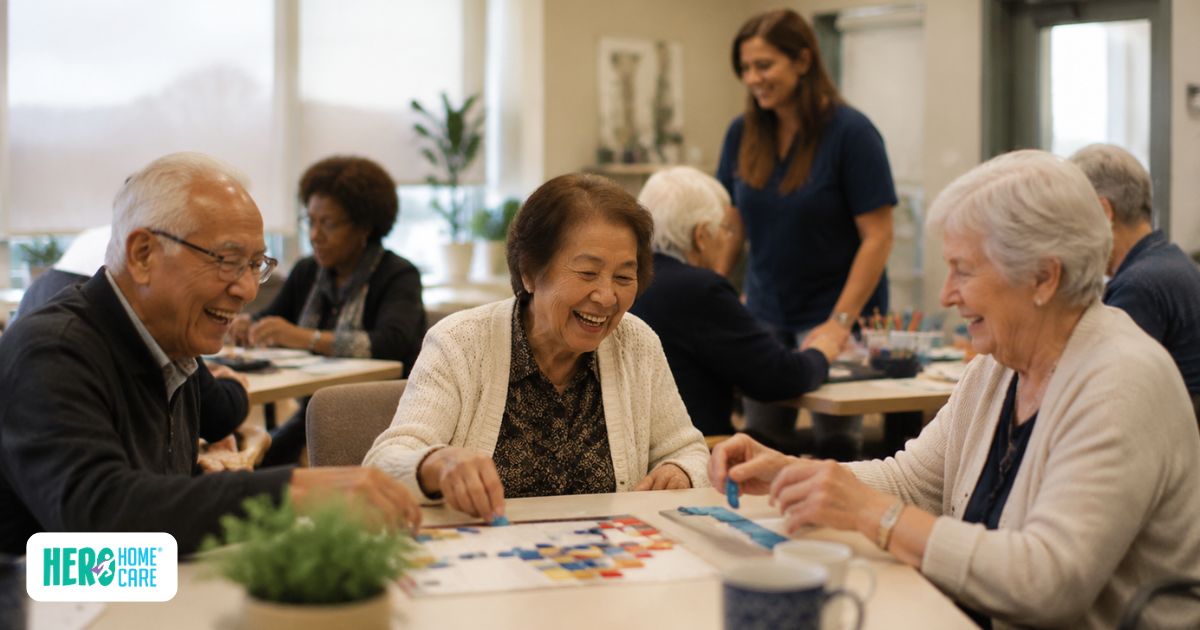
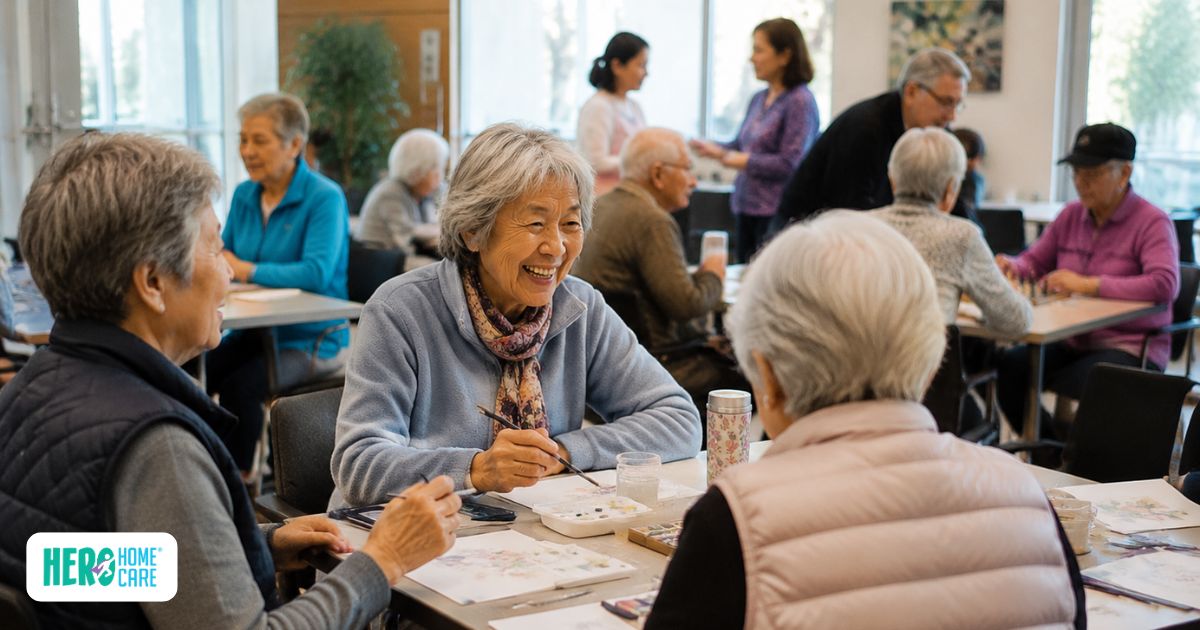
Vancouver Coastal Health Adult Day Programs provide eligible adults living in the community with scheduled activities, social interaction, and supervision. Depending on the location and current program, activities may include recreation, exercise, music, art, meals, and group participation.
Families should confirm eligibility, referral requirements, schedules, transportation arrangements, fees, and availability directly with Vancouver Coastal Health. VCH states that participants are typically older adults living with a chronic disease and/or physical or cognitive impairment who can participate in group activities.
Other Community Activities
Vancouver community centres offer general recreation and social programs, although these are not necessarily dementia-specific or supervised as dementia-care programs. Families should confirm whether an activity is accessible and appropriate for the individual.
Dementia Resources for Home Safety and Wandering Prevention in Vancouver
Practical safety concerns often become one of the earliest priorities after a diagnosis. Taking time to explore available tools, assessments, and preparedness measures before urgent situations arise can help households make informed decisions and gradually build a safer living environment.
Building a Safer Home Environment
A home safety assessment may help identify concerns involving lighting, stairs, bathrooms, entrances, trip hazards, accessibility, and movement through the home. A family physician or Vancouver Coastal Health care team may advise whether an occupational therapy assessment is appropriate. Recommendations should be tailored to the individual and aim to reduce avoidable risks without unnecessarily disrupting familiar surroundings.
Planning for Wandering and Unexpected Situations
Some households begin exploring wandering-prevention measures long before an incident occurs. Programs such as MedicAlert Safe & Found combine identification services with emergency response features that may assist first responders if someone becomes lost or disoriented.
GPS-enabled location technology and emergency alert systems can also play a role in preparedness. These options are often considered when concerns arise about getting lost during walks, leaving home unexpectedly, or difficulty returning to familiar locations. These tools may support emergency preparedness but cannot guarantee that wandering will be prevented or that a person will be located immediately.
Related: Is It Safe for a Senior With Early Dementia to Live Alone?

Medication and Driving Safety
Medication safety discussions often focus on organization, review processes, and secure storage rather than treatment decisions. A family physician, pharmacist, or the person’s healthcare team can review medications when concerns arise.
Driving can be another important topic as circumstances evolve. Conversations about driving assessments are often easier when introduced early and approached as part of broader planning rather than a response to a specific incident.
Families can begin by discussing driving concerns with the person’s family physician, who can advise whether further assessment or reporting requirements apply.
Federal Tax Measures
Some individuals living with dementia may qualify for the Disability Tax Credit if the effects of their impairment meet Canada Revenue Agency criteria and the required medical certification is completed. The DTC is a non-refundable tax credit rather than direct funding for care.
A relative supporting a spouse, partner, or dependant with a physical or mental impairment may also wish to review the Canada Caregiver Credit (CCC). Eligibility and the amount that may be claimed depend on the relationship, the dependant’s circumstances, income, and applicable tax rules.
Families should review the current Canada Revenue Agency requirements or consult a qualified tax professional before assuming that either credit applies.
Dementia Resources for Legal Planning and Future Care Decisions
Many households focus first on appointments, practical concerns, and immediate next steps, but legal readiness often becomes equally important over time. Conversations about future decision-making are generally easier when they happen early, while the person living with dementia can participate fully in expressing preferences and priorities.

Personal and Legal Planning Documents
British Columbia uses several planning tools with different purposes:
- Representation Agreement: Names a representative who may assist with or make specified personal and healthcare decisions if required.
- Advance Directive: Records healthcare instructions that healthcare providers must follow when the directive applies and the adult is incapable of consenting.
- Enduring Power of Attorney: Appoints someone to manage financial affairs, business, and property and may continue to operate if the adult later becomes incapable.
- Will and Estate Planning Documents: Address the administration and distribution of a person’s estate after death.
The appropriate documents depend on the person’s circumstances and capacity. Families should seek qualified legal advice where interpretation, drafting, capacity, property, or family conflict is involved.
Where Vancouver Families Can Find Guidance
Several British Columbia organizations provide information and guidance related to legal readiness and future decision-making:
- Nidus Personal Planning Resource Centre: Educational materials focused on Representation Agreements and personal planning tools.
- People’s Law: Plain-language information about powers of attorney, representation agreements, and other common legal issues.
- Public Guardian and Trustee of British Columbia: Relevant when questions arise about incapacity, vulnerability, or decision-making authority.
- Access Pro Bono: May help connect individuals with legal guidance when additional clarification is needed.
Together, these organizations can help households better understand available options and address important legal considerations before urgent decisions become necessary.
Vancouver Dementia Resources for Housing and Long-Term Care Options
Housing decisions may range from remaining at home with added support to assisted living or long-term care. The appropriate option depends on the person’s ability to direct their care, the level of personal or clinical assistance required, the suitability of the home, available family support, eligibility, and personal preferences.
Comparing Common Housing and Care Options | |||
|---|---|---|---|
| Option | Typical Setting | Level of Assistance | May Be Considered When |
| Aging at Home | The Person’s Existing Home | Family Support, Community Services, Public Home Support, and/or Private Home Care | The Home Remains Suitable and Required Support Can Be Coordinated Safely |
| Independent or Private Retirement Living | Private Suite in a Retirement Community | Services Vary and May Include Meals, Housekeeping, Amenities, and Social Programs | The Person Remains Largely Independent and the Residence Can Meet Current Needs |
| Assisted Living | Registered Assisted-Living Residence | Hospitality Services and Prescribed Personal Assistance | The Person Can Direct Their Own Care but Requires Regular Assistance With Daily Activities |
| Long-Term Care | Licensed Residential Care Home | 24-Hour Professional Care and Supervision | Complex Personal, Cognitive, or Health Needs Can No Longer Be Managed Safely in the Current Setting |
Some residences market dementia-focused environments or programming, but terminology, staffing, admission requirements, and services vary. Families should verify what a residence actually provides rather than relying on labels such as “memory care.”
The most appropriate choice depends on personal preferences, available involvement from relatives, living circumstances, and changing requirements over time. Seniors First BC provides information and navigation guidance for older adults exploring housing-related questions. Vancouver Coastal Health can advise when publicly funded assisted living or long-term care assessments may be appropriate.
The Assisted Living Registry helps people understand licensed assisted living options and provincial standards. HealthLink BC’s guide to long-term care choices offers general information about long-term care pathways, eligibility considerations, and how different residential arrangements fit within British Columbia’s broader continuum of care.
Emotional Wellbeing and Mental Health Support
Practical concerns are only one part of the dementia journey. Emotional wellbeing often deserves equal attention, as changing circumstances can affect outlook, relationships, confidence, and overall day-to-day experience for both the person living with dementia and those close to them.
Emotional Challenges and Mental Health
Receiving a diagnosis and adapting to changing circumstances can bring uncertainty, frustration, anxiety, or periods of low mood. These experiences are not unusual and may emerge at different points over time. When emotional concerns begin affecting day-to-day life, relationships, or overall wellbeing, many people find it helpful to explore additional forms of help rather than trying to navigate everything alone.

Counselling and Professional Guidance
Counselling differs from peer-based programs because it focuses on individualized conversations with trained professionals. Several British Columbia organizations can help people locate appropriate counselling or mental-health services:
- Canadian Mental Health Association, BC Division: Provides mental health information and can help connect people with appropriate services.
- BC Psychological Association’s Find a Psychologist directory: Helps individuals locate registered psychologists based on their needs and location.
- CounsellingBC’s Vancouver directory: Offers a searchable directory of counsellors with a wide range of practice areas and specialties.
These options often become useful when someone wants professional help navigating uncertainty, adjustment, or ongoing emotional strain. Some counselling pathways are also appropriate for spouses, adult children, and other relatives adapting to changing responsibilities of their own.
Grief, Adjustment, and Ongoing Resilience
Feelings of grief can arise at many stages, not only after a loss. People may grieve changes in roles, expectations, or future plans while adapting to new circumstances.
The British Columbia Bereavement Helpline provides information and referrals for grief-related concerns and can be helpful when emotional adjustment becomes particularly difficult. Over time, a combination of counselling, grief-related resources, and personal coping strategies may help people adapt to changing circumstances while maintaining a sense of purpose and emotional balance.
How to Build a Dementia Care Plan Using Vancouver Dementia Resources
A practical dementia care plan may include the following steps:
Step 1 — Seek Assessment
Discuss memory or cognitive concerns with a family physician or nurse practitioner. A referral may be made to a specialist or the Alzheimer’s Disease and Related Disorders Clinic at UBC Hospital where appropriate.
Step 2 — Establish Medical Follow-Up
Clarify who will coordinate ongoing monitoring, medication-related concerns, specialist referrals, and changes in symptoms.
Step 3 — Access Dementia Education
Contact the Alzheimer Society of BC and Yukon or First Link® for education, navigation, and information relevant to the diagnosed or suspected form of dementia.
Step 4 — Review Safety
Assess home hazards, wandering risks, emergency contacts, medication routines, and driving concerns before an incident occurs.
Step 5 — Add Community and Respite Support
Explore suitable social programs, Adult Day Programs, caregiver education, peer groups, counselling, and respite based on current needs and eligibility.
Step 6 — Consider Home Care
Add personal care, companionship, Medication Management, meal support, respite, overnight assistance, or Round-the-Clock Care when existing arrangements no longer provide sufficient consistency.
Step 7 — Plan for Future Decisions
Address representation agreements, advance care planning, an enduring power of attorney, finances, housing, and potential long-term care needs while the person can participate meaningfully.

Signs That Additional Dementia Support May Be Needed
Changes often happen gradually, making it easy to overlook how much day-to-day demands have increased over time.
- Increased confusion: Tasks that were previously manageable begin requiring more reminders, prompting, or oversight.
- Wandering incidents or getting lost: Difficulty returning from familiar locations or uncertainty about surroundings becomes more noticeable.
- Medication mistakes: Missed doses, duplicated doses, or confusion around schedules occur more frequently.
- Increased fall risk: Unsteadiness, near-falls, or concerns about moving safely around the home become more common.
- Care partner exhaustion: The person providing most of the day-to-day involvement feels increasingly stretched or overwhelmed.
- Social withdrawal: Interest in regular activities, conversations, or outings begins to decline.
- Difficulty completing daily routines: Personal tasks, meals, household responsibilities, or established habits become harder to keep up with.
Organizations such as Hero Home Care can be one possible source of additional involvement when existing arrangements no longer feel sufficient for current circumstances.
Sources and Local Resources
Medical Assessment and Healthcare
- Vancouver Coastal Health: Dementia
- Alzheimer’s Disease and Related Disorders Clinic at UBC Hospital
- How to Access Vancouver Coastal Health Home and Community Care Services
- Vancouver Coastal Health Home and Community Care
Dementia Education and Support
- Alzheimer Society of BC and Yukon: Find Support in BC
- First Link® Dementia Helpline
- First Link® Referrals
- Dementia Support Groups
- Minds in Motion®
- Education Workshops
- Recorded Dementia Webinars and Videos
- Wandering and Disorientation Resources
Caregiver Education and Respite
- Family Caregivers of BC: Caregiver Learning Centre
- Family Caregivers of BC: Articles, Tools and Caregiver Resources
- Vancouver Coastal Health Adult Day Programs
- Vancouver Coastal Health: Find an Adult Day Program
Home Safety and Wandering
- MedicAlert Safe & Found
- MedicAlert Resources for Alzheimer’s Disease and Dementia
- Alzheimer Society of BC and Yukon: Wandering and Disorientation Resources
Financial Assistance and Tax Measures
- Canada Revenue Agency: Disability Tax Credit
- CRA: Disability Tax Credit Eligibility
- CRA: How to Apply for the Disability Tax Credit
- CRA: Canada Caregiver Credit
- BC Seniors’ Guide
Legal and Advance Planning
- Province of BC: Advance Care Planning
- Province of BC: Incapacity Planning
- Province of BC: Substitute Decision-Making and Incapacity Planning
- Nidus Personal Planning Resource Centre
- Nidus: Representation Agreements
- People’s Law School: Powers of Attorney and Representation Agreements
- Public Guardian and Trustee of British Columbia: Adult Services
- Access Pro Bono: Get Legal Help
- Access Pro Bono Legal Referral Service
Housing, Assisted Living and Long-Term Care
- Vancouver Coastal Health: Long-Term Care and Assisted Living
- Vancouver Coastal Health: Assisted Living
- Vancouver Coastal Health: Long-Term Care Homes
- Vancouver Coastal Health: Access Home and Community Care
- BC Assisted Living Registry
- Search Registered Assisted-Living Residences in BC
- Seniors First BC Resources
- Seniors First BC: Navigating Home Care and Senior Housing
- HealthLink BC: Long-Term Care Choices