
Realizing that a parent may no longer be fully safe on their own is one of the most difficult shifts a family can face. With early dementia, the situation can feel especially unclear. Some days may seem completely normal, while others raise quiet concerns that are harder to explain.
What makes this decision challenging is that early dementia does not affect every person in the same way. One individual may still manage daily routines with only minor lapses, while another may struggle with judgment, safety, or consistency much earlier.
The real question is not just about diagnosis. It is about how well your parent can manage daily life safely, consistently, and independently. This guide explains what risks matter most, how to recognize warning signs, what a dementia home safety checklist should include, and when additional support may help make living at home safer.
Here is the Quick Answer:
A senior with early dementia may live alone safely only if daily routines, judgment, and safety remain consistent. The biggest risks include medication errors, falls, wandering, and inability to respond to emergencies.
If issues are becoming frequent, unpredictable, or affecting safety, living alone may no longer be appropriate. Home care can help reduce risk and support independence, but ongoing supervision may eventually be needed as the condition progresses.
Can a Senior With Early Dementia Live Alone?
In some cases, a person with very early dementia may still be able to live alone for a period of time. However, this depends less on the label “early dementia” and more on how the condition is affecting their daily function.
A diagnosis alone does not determine safety. What matters is whether your parent can reliably manage essential tasks such as taking medication correctly, preparing meals, recognizing hazards, and responding appropriately if something goes wrong.
Even mild symptoms can create serious risks if they affect judgment or consistency. A parent who forgets occasionally but can recover and correct mistakes may still function independently. But someone who repeats errors, becomes confused in familiar situations, or cannot respond to problems may no longer be safe alone, even if the diagnosis is considered early.
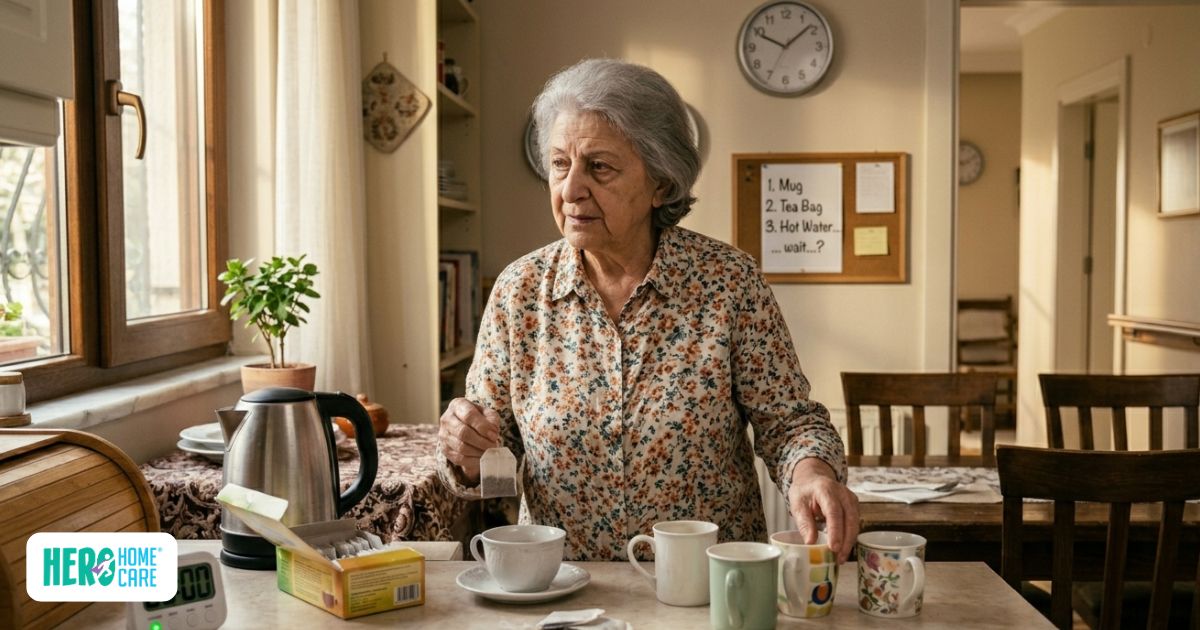
What Risks Make Living Alone Unsafe for a Senior With Early Dementia?
The risks of living alone with early dementia are often subtle at first, but they can have serious consequences when they occur without supervision.
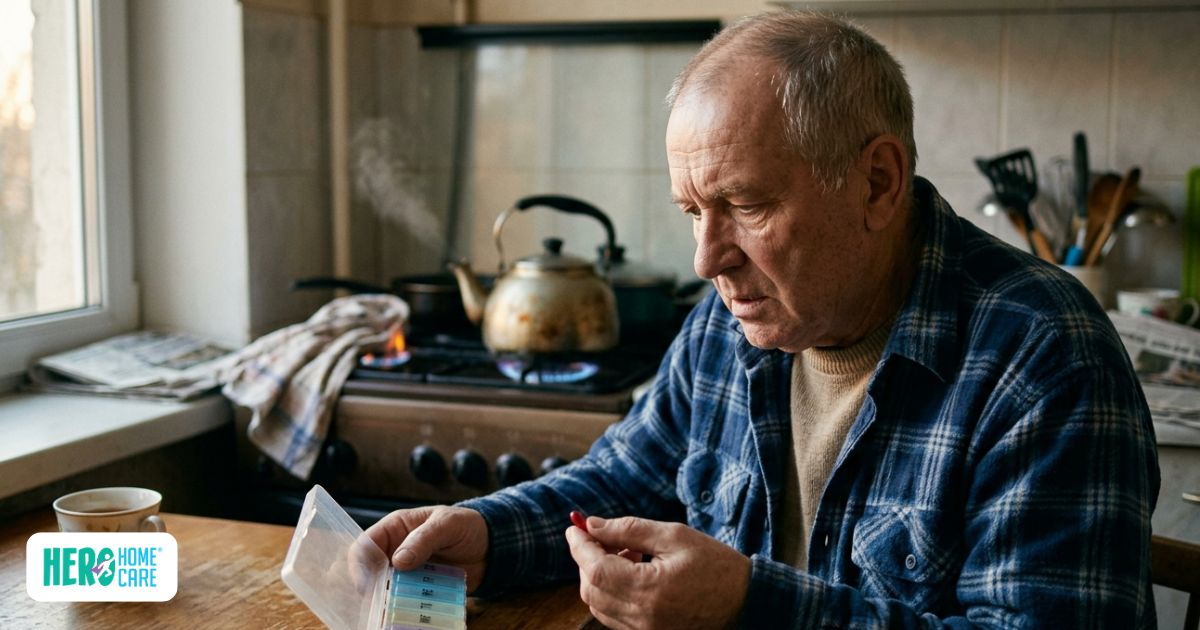
Medication errors are one of the most common concerns. A parent may forget whether they have taken a dose, take it twice, or skip it entirely. Over time, this can affect blood pressure, pain control, or other critical conditions.
Household safety can also become unpredictable. Leaving the stove on, forgetting to lock doors, or misusing appliances may seem like small incidents, but each one carries potential danger.
Wandering or getting disoriented is another risk, especially as memory and orientation begin to change. A parent may step outside and lose track of where they are, even in a familiar neighborhood.
Related: How to Tell If Your Parent Is Hiding Health Problems (Signs of Health Issues in Seniors)
Falls remain a major concern. Changes in balance, attention, or judgment can increase fall risk, particularly when moving quickly or navigating at night.
Other risks include missed meals, dehydration, difficulty handling emergencies, and increasing isolation. What makes these risks more serious is not just that they can happen, but that no one may be there to notice or respond when they do.
Learn More: Signs Your Senior Parent Is Forgetting Medication
Early Warning Signs That a Senior With Dementia May No Longer Be Safe Living Alone
Families often sense that something is changing before they can clearly define it. Certain patterns, however, tend to signal that living alone may no longer be safe.
Repeated medication mistakes, spoiled or uneaten food, or forgetting to turn off appliances can indicate that routines are breaking down. Confusion in familiar places, neglected hygiene, or unpaid bills may suggest declining daily function.
Falls or near-falls, wandering episodes, and repeated calls for help are particularly important warning signs. Changes in personality, such as increased suspicion, anxiety, or poor judgment, can also affect safety in ways that are not immediately obvious.
What matters most is not a single incident, but a pattern. When these signs begin to repeat or cluster together, they often indicate that more consistent supervision is needed.
Dementia Home Safety Checklist: What Families Should Assess
A dementia home safety checklist is not just about the physical space. It is about how the environment, routines, and the person’s abilities interact day to day.
In the kitchen, consider whether your parent can safely use appliances and remember to turn them off. Small lapses here can quickly become serious hazards.
In the bathroom, think about fall risk. Slippery surfaces, poor lighting, or difficulty moving safely can increase the chance of injury, especially at night.
Medication management is another key area. Are medications organized clearly? Can your parent follow the schedule reliably, or are reminders no longer enough?

Related: What Should Seniors Eat to Stay Healthy at Home? A Complete Guide to Healthy Meals for Seniors
Doors and locks should also be considered. Can your parent remember to lock doors and avoid leaving the house unsafely? Wandering risk often begins quietly.
Lighting, especially at night, plays an important role. Poor visibility can increase confusion and fall risk during nighttime movement.
Finally, consider emergency response. If something unexpected happens, would your parent recognize the problem and know how to respond? Could they use the phone to call for help?
Quick checklist summary:
Kitchen safety and appliance use
- Bathroom safety and fall prevention
- Medication organization and reminders
- Door awareness and wandering risk
- Lighting and nighttime navigation
- Emergency response ability
The goal is not to create a perfect environment, but to identify where safety may depend too heavily on memory or judgment.
How Memory, Judgment, and Daily Function Affect Safety at Home
Early dementia affects more than memory. It often changes how a person makes decisions, follows routines, and responds to situations.
Memory lapses may lead to repeated mistakes, but judgment changes can create risk even when memory seems relatively intact. A parent may underestimate danger, forget steps in a process, or make decisions that feel out of character.
Daily function is often the clearest indicator. When routine tasks such as preparing meals, managing finances, or using the phone become inconsistent, safety begins to depend on support rather than independence.
This shift can happen gradually, which is why it is often overlooked at first.
Can Someone With Early Dementia Be Safe Alone During the Day but Not at Night?
In many cases, yes.
Some seniors appear relatively stable during the day, when routines are clearer and surroundings feel familiar. At night, however, confusion can increase. This is sometimes referred to as “sundowning,” where disorientation, restlessness, or agitation become more noticeable after dark.
Nighttime also introduces physical risks. Getting up to use the bathroom, moving in low light, or navigating while drowsy can increase the likelihood of falls.
For some families, the concern is not daytime independence, but what happens when no one is present overnight. This distinction is often an important step in deciding what level of support is needed.
Questions Families Should Ask Before Letting a Parent With Early Dementia Live Alone
Deciding whether a parent can continue living alone becomes clearer when broken into practical questions.
- Can they manage medications correctly every day?
- Can they prepare food safely and eat regularly?
- Would they recognize and respond to an emergency?
- Are they getting lost or confused in familiar situations?
- Are they maintaining hygiene and daily routines?
- Are they moving safely without frequent near-falls?
- Is someone checking in consistently?
- Would they know what to do if something changed suddenly?
These questions shift the focus from assumptions to observable reality.
What to Do If You’re Worried a Parent With Early Dementia Is No Longer Safe Alone
Recognizing risk is one step. Knowing how to respond is another.
How to Start the Conversation With a Parent
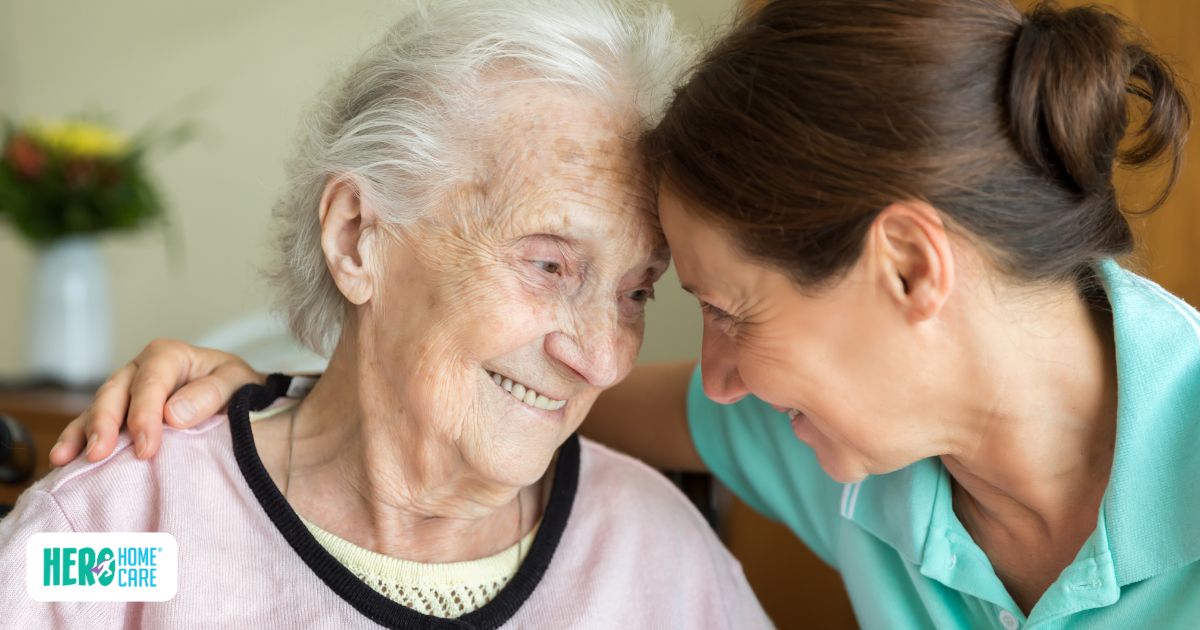
These conversations are often emotional. A parent may feel that their independence is being challenged, even if your intention is safety.
It can help to focus on specific observations rather than general concerns. Framing the discussion around support, rather than restriction, often leads to a more productive conversation.
In one situation observed by Hero Home Care, a daughter named Maria had begun receiving late-night calls from her mother, who was increasingly unsure about the day or whether she had taken her medication. At first, Maria reassured her and tried to keep things calm. But as the calls became more frequent, it became clear the issue was not the individual moments, but the pattern behind them.
When she eventually raised the conversation, she focused not on what her mother was “doing wrong,” but on how often she seemed unsure and how stressful that must feel. That shift made it easier to talk about adding support, rather than taking something away.
Keep Reading: How to Talk to Elderly About Home Care
What Changes to Track Before Asking for Professional Help
Keeping track of specific changes can help bring clarity. Patterns such as repeated confusion, missed medications, or increasing difficulty with daily tasks provide useful context for both family discussions and medical evaluations.
When to Ask for a Medical or Care Assessment
It may be time to seek professional input when changes become consistent, affect safety, or are noticed by more than one person. Early assessment does not force a decision. It provides information that helps guide the next step.
Related: What to Do After a Senior Is Discharged from the Hospital
Can Home Care Help a Senior With Early Dementia Stay at Home More Safely?
In many cases, yes.
Home care does not have to replace independence. It can support it in a way that reduces risk and adds structure.
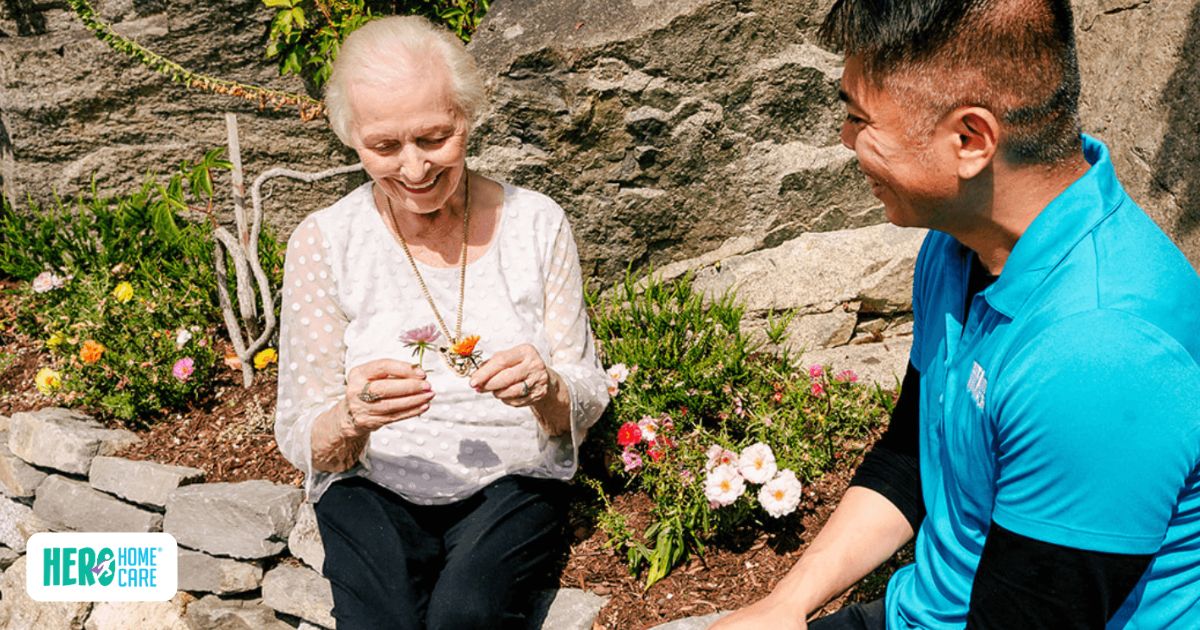
Support may include reminders, meal assistance, companionship, and supervision during parts of the day that feel more uncertain. This can help maintain routines, reduce isolation, and provide reassurance for both the senior and the family.
Rather than an all-or-nothing decision, home care can allow families to adjust the level of support gradually as needs change.
Learn More: How to Find the Right Caregiver for You or Your Loved One
Dementia Home Care Support in North Vancouver
When safety concerns begin to emerge, having access to local support can make a meaningful difference.
In North Vancouver, families often need flexible dementia support that adapts as situations evolve. Some may need occasional check-ins, while others require more consistent supervision.
Hero Home Care works with families to understand what is actually happening day to day and to provide support that fits those needs. This may include routine support, companionship care, or more structured support depending on the situation
When Living Alone Is No Longer the Safest Option
There is rarely a single moment when the answer becomes obvious. More often, it is a gradual shift where the risks begin to outweigh the ability to manage them safely.
Repeated safety incidents, increasing confusion, or growing dependence on others are signs that living alone may no longer be appropriate.
Needing more support is not a failure. It is a response to change. In many cases, making adjustments earlier allows for smoother transitions and better outcomes than waiting for a crisis to force a decision.