

It can feel unsettling to notice your parent spending most of the day asleep. Maybe they’re napping more often, staying in bed longer, or not engaging in their usual routine. It’s natural to wonder if this is just part of getting older or if something isn’t right.
Most seniors still need about 7–8 hours of sleep in a 24-hour period, though lighter nighttime sleep and short daytime naps can become more common with age. But not every change should be brushed off. When sleep starts to take over most of the day, or feels different from what you’ve seen before, it’s reasonable to pause and look a little closer.1
In some cases, this kind of sleep is harmless, linked to lower energy, changes in routine, or simply needing more rest. In other cases, it can be a sign that something else is affecting their health, mood, or daily function. The challenge is knowing how to tell the difference. Even at 87 or 92, sleeping most of the day should not be attributed to age alone.
This guide will walk you through what’s considered typical, what may be a warning sign, and what to watch for in everyday behaviour. It will also help you understand when it might be time to take action, so you can feel more confident about what to do next.
Here is the Quick Answer:
Excessive sleep in seniors can be normal in small amounts, but when an elderly parent is sleeping too much or most of the day, it may point to poor nighttime sleep, medication side effects, depression, dementia, or another health concern. The key is to watch for sudden changes, difficulty waking, confusion, appetite loss, or reduced daily function.
Families can start by tracking sleep patterns, encouraging gentle daily activity, reviewing medications with a doctor, and supporting a consistent routine. If sleep changes continue or caregiving becomes difficult to manage, professional support may help keep your parent safer, more engaged, and better supported at home. Medication-induced sleepiness and increased sleep near the end of life are also possible explanations, but sleep alone cannot distinguish between them or establish that someone is dying.
Is it normal for elderly people to sleep a lot?
Sometimes yes and sometimes no. A certain increase in sleep can be part of getting older, but sleeping most of the day or losing normal routines is not something to ignore.
In everyday life, “normal” changes in sleep might look like your parent taking a short nap in the afternoon, going to bed earlier than they used to, or waking up more often during the night. Because nighttime sleep can feel lighter or broken, they may feel the need to rest a bit during the day.
The same general older-adult sleep recommendation applies across these age bands; the CDC does not provide separate sleep or nap targets for each subgroup.
Sleep Guidance Across Older Age Bands | |||
|---|---|---|---|
| Age Band | Typical Total Sleep Per 24H | Typical Nap Load | What Counts as Excessive at This Band |
| 65–74 | The general 65+ recommendation is 7–8 hours; there is no separate target for this age band. | Naps may occur, but there is no age-specific nap requirement. | Look for a clear increase from the person’s usual pattern, repeated unintended dozing, or sleep replacing normal daytime activities. |
| 75–84 | The same 65+ recommendation applies; age alone does not establish a need for more sleep. | Daytime napping may occur, but frequent sleepiness should not automatically be attributed to age. | A sustained increase from baseline, reduced daytime alertness, or increasing difficulty staying awake during usual activities deserves attention. |
| 85–89 | There is no evidence-based recommendation for extra sleep simply because someone is in their late 80s. | Judge daytime sleep against the person’s established routine, health, medications, and nighttime sleep. | New sleep that regularly interferes with meals, conversations, medication, or necessary care warrants assessment. |
| 90+ | There is no separate 90+ sleep target; sleep needs should be interpreted alongside health and care goals. | More daytime rest may occur with illness or frailty, but age alone does not explain a major change. | A new or unexplained increase from the person’s normal pattern is more useful than an arbitrary hour threshold, especially when accompanied by other symptoms. |
These are general recommendations, not diagnostic thresholds or measured averages for each subgroup; individual needs and palliative care goals may differ.
A helpful way to think about it is this: normal aging might include some fatigue and short naps, but your parent is still part of daily life. When sleep becomes the main activity of the day, and energy doesn’t seem to improve even after resting, it may be a sign to look a little deeper.
Most seniors still need a similar total amount of sleep, even if it’s spread differently across the day. Sleeping far beyond that doesn’t always mean they are getting better rest; it can sometimes mean something else is affecting their energy or overall health.

How much sleep is too much for seniors?
It’s not just about total hours; it’s about how sleep is spread across the day and what it’s replacing. A helpful way to judge is this: is sleep starting to take over times when they would normally be awake and engaged?
Over a full day, excessive sleep often shows up as repeated, longer naps rather than one short rest. They may be awake briefly, then drift back to sleep, or need frequent prompting to stay up. You might notice this happening most days, not just occasionally.
Daytime sleep is the key signal. A short nap can help if the night was restless, but long or repeated daytime sleeping tends to disrupt the rest of the day. It can make it harder for them to stay alert, and it often doesn’t lead to feeling more refreshed.
A simple way to look at it: if they can stay awake through meals, conversations, and a few basic activities, their sleep is likely within a normal range. If they’re often too sleepy to stay present during those moments, or keep drifting off, it’s moving into “too much.”
In real life, this might look like nodding off shortly after sitting down, dozing during a conversation, or needing several reminders to stay awake for something simple. When these patterns become frequent, it’s a clear sign that sleep is starting to outweigh normal daily function.
Why Sleep Changes With Age
Ageing can change when sleep occurs, how deeply someone sleeps, and how often they wake. These changes can explain lighter or earlier sleep, but they do not make persistent all-day sleepiness normal.
- Circadian rhythm: This is the body’s internal timing system, which helps coordinate sleep and wakefulness with the light–dark cycle. Its timing can shift earlier with age.
- Advanced sleep phase syndrome: Also called advanced sleep–wake phase disorder, this involves consistently falling asleep and waking much earlier than desired. An earlier bedtime alone is not necessarily a disorder; the pattern must be assessed in relation to its effect on daily life.
- Reduced slow-wave (deep) sleep: Older adults generally spend less time in the deepest stage of non-REM sleep. Sleep may consequently feel lighter.
- Melatonin decline: Some research has found lower nighttime melatonin levels with age, but this change is not universal. Light exposure, medications, health conditions, and individual circadian patterns can also affect melatonin production.
- Sleep fragmentation: Repeated awakenings interrupt otherwise continuous sleep. Pain, nighttime urination, breathing disorders, and environmental disturbances may contribute.

Common Causes of Elderly Sleeping Too Much
There are several reasons why an older adult may start sleeping more than usual. In many cases, it’s not just one cause but a combination of factors. Paying attention to how sleep shows up during the day can help you recognize what might be behind it.
Natural Aging and Changes in Sleep Patterns
With age, nighttime sleep often becomes lighter and more broken, with more frequent waking.
Because of this, they may rest briefly during the day to make up for it. This usually looks like short naps or quiet rest periods, while still getting up for meals and staying part of the day.
Medical Conditions That Affect Energy
Ongoing health issues or physical discomfort can make even small tasks feel tiring.
The body uses more effort just to keep up, which can lead to longer rest periods. In many cases, they begin sitting or lying down after simple activities and stay resting for extended stretches rather than just taking a quick break.
Some conditions cause fatigue, meaning low energy, while others cause sleepiness, meaning a tendency to fall asleep; the two can occur together.2 7
- Hypothyroidism: An underactive thyroid can cause tiredness and reduced energy, sometimes alongside feeling cold or constipation.
- Anaemia: Reduced oxygen-carrying capacity in the blood can cause fatigue, weakness, or breathlessness.
- Vitamin B12 deficiency: A deficiency can cause tiredness and may also affect sensation, balance, or cognition.
- Obstructive sleep apnea: Repeated airway obstruction during sleep can cause disrupted rest and daytime sleepiness, sometimes with loud snoring or gasping.
- Depression: Depression can affect sleep, energy, appetite, and interest in daily activities.
- UTI-related delirium: A symptomatic urinary tract infection can contribute to delirium, but sleepiness or confusion alone does not establish a UTI.
- Heart failure: Fatigue and breathlessness, including symptoms that interrupt sleep, can increase the need to rest.
- Dehydration: Inadequate fluid intake or excessive fluid loss can cause weakness and, when more severe, altered alertness.
- Post-hospital deconditioning: Loss of strength and endurance after illness or bed rest can make daily tasks exhausting, although new marked drowsiness needs separate assessment.
Depression and Emotional Changes
Changes in mood can affect how someone engages with the day.

Related: Fun Activities for Seniors You Can Do at Home
Instead of just feeling tired, they may lose interest in getting up or starting activities. This can look like staying in bed longer in the morning or lying down during the day without a clear reason to rest.
Where low mood and isolation are driving the sleep, regular companionship visits at home often restore a reason to be awake during the day.
Medication Side Effects
Some medications can cause drowsiness or make it harder to stay alert.
This type of sleep often happens without intention. You may see them drifting off while sitting, during conversations, or shortly after taking their medication.
Medication Classes That May Affect Sleep or Alertness | ||
|---|---|---|
| Drug Class | Example Use | How It Affects Sleep/Alertness |
| Sedating Antihistamines | Allergies; Some Non-Prescription Sleep Products | Can Cause Daytime Drowsiness and Confusion |
| Benzodiazepines | Selected Anxiety, Seizure, or Sleep Conditions | Can Cause Sedation, Slower Reactions, and Impaired Balance |
| Opioids | Pain Management | Can Cause Drowsiness; Excessive Sedation with Slowed Breathing Is an Emergency |
| Antidepressants | Depression; Some Pain Conditions | Some Are Sedating, While Others May Disrupt Sleep |
| Antipsychotics | Psychotic Disorders; Selected Severe Behavioural Symptoms | Can Cause Sedation and Require Particular Caution in Older Adults with Dementia |
| Beta blockers | Certain Heart Conditions and High Blood Pressure | May Cause Fatigue or Disturbed Sleep Rather than Direct Sedation |
| Muscle relaxants | Selected Muscle Spasms | Many Cause Drowsiness, Weakness, or Reduced Alertness |
Anticholinergic burden describes the combined effects of medicines that block acetylcholine, potentially contributing to confusion and other adverse effects. Polypharmacy, or taking multiple medicines, makes a full prescriber or pharmacist review valuable because sedating effects and interactions can accumulate; do not stop or change prescribed medicines independently.
Poor Nighttime Sleep
Sleep at night may be interrupted, restless, or not feel refreshing.
To cope, they may try to catch up during the day. This often shows up as repeated naps, especially earlier in the day, but without feeling fully rested afterward.
Dementia and Cognitive Changes
Changes in the brain can affect the body’s internal sense of time.
This often results in confusion between day and night. As a result, they may sleep more during the day and become awake or unsettled at night.
When this pattern includes getting up and moving around unsafely, families may also need support with dementia wandering at night.
Possible Sleep Changes Across Dementia Stages | ||
|---|---|---|
| Stage | What Sleep Typically Looks Like | What Families Usually Notice |
| Early | Sleep May Remain Familiar, Although Fragmented Nights or Daytime Tiredness Can Occur | Changes in Bedtime, Waking, or Daytime Energy |
| Moderate | More Disrupted Nights and Daytime Napping May Develop | Nighttime Activity, Difficulty Maintaining Routines, or Increased Supervision Needs |
| Late-Stage | Longer Periods Asleep or Dozing May Occur Alongside Advanced Care Needs | Shorter Periods of Engagement and More Help Needed with Everyday Care |
These are possible patterns, not a staging test; sleep changes vary and can have treatable contributors.9
Sundowning describes increased confusion or distress later in the day and can overlap with disrupted sleep. It does not explain every nighttime awakening or sudden behavioural change.
Lewy body dementia can involve pronounced fluctuations in alertness and sleep disturbances. REM sleep behaviour disorder, which may occur with Lewy body dementia, involves acting out dreams through movements or vocalizations and should be discussed with a clinician.10
In many cases, more than one of these patterns can happen at the same time. Looking at the overall pattern, when they sleep and how they behave when awake, can help you better understand what’s going on.

Related: How to Balance Caregiving and Work Without Burning Out
When changing routines become difficult to manage, dementia support and Alzheimer’s care at home can help families arrange familiar, person-centred assistance.
Increased Sleep at the End of Life
In someone with an advanced life-limiting illness, increasing rest may accompany declining strength over the final months, but it cannot establish how much time remains. In the final weeks or days, some people spend longer asleep and become less responsive alongside other changes. These patterns vary, and sleep alone is not evidence that death is near.11
Potentially reversible sleepiness from medication effects, disturbed sleep, or illness can also occur near the end of life. The treating or palliative care team considers the whole situation and whether an assessment or intervention fits the person’s wishes and goals. A sudden unexpected change should not automatically be attributed to dying. 3
When the care team identifies sleep as part of the dying process, allow comfortable rest without pressure to wake or participate in activities. Offer quiet company and follow guidance about mouth care, swallowing, food, and fluids without forcing intake. Families arranging at-home end-of-life care in North Vancouver can discuss practical support that complements the person’s clinical palliative care plan.
Comparing Sleep Increases: Patterns That Require Clinical Interpretation | |
|---|---|
| Reversible sleep increase | End-of-life sleep increase |
| Onset: May begin suddenly or gradually, depending on the cause | Onset: May increase as advanced illness progresses, but the speed varies |
| Response to Intervention: May improve when the contributing cause is addressed. | Response to Intervention: May continue despite symptom management as illness progresses. |
| Accompanying Signs: May include medication changes, disrupted nights, or symptoms of an acute illness. | Accompanying Signs: May occur with increasing weakness, reduced responsiveness, and other signs identified by the care team. |
| Appetite/Fluid Changes: Intake may fall temporarily and recover with treatment. | Appetite/Fluid Changes: Interest in food and drink and ability to swallow may decline. |

Warning Signs That Excessive Sleeping in Seniors Is Serious
Some changes in sleep happen gradually and can be managed. Others stand out because they appear quickly or feel noticeably different from before. The key difference is often how sudden the change is and how much it affects their day.
A Sudden Increase in Sleep
If your parent begins sleeping much more than usual over a short period, that’s worth noting. This isn’t a slow shift; it’s a clear change from their normal pattern, such as going from occasional rest to spending most of the day asleep within days or weeks.
Difficulty Waking or Staying Awake
It can be concerning if they are harder to wake than before. This goes beyond being sleepy; it may take repeated attempts to rouse them, and even after waking, they remain drowsy or quickly drift back to sleep.
New or Worsening Confusion
If confusion appears suddenly or becomes noticeably worse, it’s important to pay attention. This could look like not recognizing familiar places, struggling more than usual to follow simple conversations, or seeming disoriented at times when they were previously clear.
Loss of Appetite or Noticeable Weight Changes
A clear drop in how much they are eating, especially if it’s different from their usual habits, can be a warning sign. Over time, this may show up as looser clothing or visible weight loss, alongside increased time spent resting.
Decline in Daily Function
If they are no longer able to do things they were recently managing, like preparing simple meals, getting dressed, or moving around the home, it signals a change. This kind of decline, combined with increased sleep, points to a shift in overall function.
Learn more: What To Do When Seniors Stop Eating Properly
One sign on its own may not always mean something serious, although some single signs can require prompt attention. But when changes happen suddenly or several of these patterns appear together, it’s important not to ignore them. Reaching out for guidance can help you understand what’s going on without jumping to conclusions.
Call the doctor today
- Sleepiness has increased over days, even though your parent wakes and responds normally.
- New incontinence or urinary symptoms occur alongside increased tiredness.
- Drowsiness begins after a medication change, without emergency symptoms.
- Reduced eating or drinking accompanies worsening weakness.
- Sleepiness is newly interfering with meals, prescribed medication, or basic daily tasks.
Call 911 / go to emergency
- Your parent is unrousable, very hard to rouse, or cannot respond normally.
- Sudden severe confusion, reduced responsiveness, or confusion with rapidly worsening illness or fever.
- Breathing becomes severely difficult, unusually slow, or associated with blue or grey lips.
- There is sudden facial drooping, one-sided weakness, or trouble speaking.
Once urgent medical concerns have been addressed, you do not have to work out the next steps alone. A Care Consult with Hero Home Care gives your family space to discuss changing routines and explore a personalized Care Plan with Nurse Care Manager oversight.
Health Risks of Excessive Sleep in Seniors
Occasional extra rest isn’t harmful, especially after a tiring day or a poor night of sleep. But when sleeping longer becomes a regular pattern, it can start to affect overall health. These changes usually happen gradually, not all at once.
When someone is spending more time resting, they’re also moving less. As this continues, it can lead to weaker muscles and reduced strength. You might notice slower walking, needing more support to get up, or feeling less steady on their feet, which can increase the chance of falls.
Over time, reduced movement can also contribute to muscle loss and lower endurance, making everyday tasks harder. This can create a cycle where the senior sleeps more because they have less strength, then becomes weaker because they are less active.
Excessive daytime sleep can also affect mental and social engagement. Conversations may become shorter, attention may drift more easily, and thinking can feel slower. With fewer daily interactions or activities, it can become easier to withdraw, leading to more time spent alone and less involvement in everyday life.

How to Tell If Your Elderly Parent’s Sleep Is a Problem
It’s not always obvious when sleep becomes a concern. One day of extra rest doesn’t mean much on its own. What matters more is the pattern you start to see over time and how it compares to what’s normal for your parent.
It can help to pause and ask yourself a few simple questions. Has this change happened recently, or has it been building slowly? Are they still alert and engaged during parts of the day, or mostly withdrawn? After they sleep, do they seem refreshed, or still low on energy? And is sleep starting to take the place of things they would normally do, like meals, conversations, or small daily tasks?
Looking at day-to-day behaviour can give you a clearer picture. Notice how often they rest during the day, how long they stay awake between those periods, and what they’re like when they are up. Are they interacting, moving around, or showing interest in their surroundings or just passing time quietly before going back to rest again?
It also helps to step back and look at patterns over time. One off day doesn’t define a problem, but repeated changes can. If the sleep is becoming more frequent, lasting longer, or gradually affecting how their day unfolds, that shift is worth paying attention to.
You don’t need to figure everything out right away. Simply noticing and understanding these patterns is a strong first step. And if things continue to feel different or unclear, it’s reasonable to look a little deeper or ask for guidance.
What You Can Do If an Elderly Parent Is Sleeping Too Much
If you’ve noticed your parent sleeping more than usual, light, everyday changes can help bring more balance to their routine. The goal isn’t to force change, but to gently support a pattern that keeps them more alert during the day and better rested at night.
Encourage a Consistent Daily Routine
A simple daily rhythm can help the body settle into a more natural sleep pattern. When the day has some structure, it becomes easier to stay awake at the right times and rest at night.
In real life, this might mean keeping a regular wake-up time, having meals at similar times each day, and adding a bit of gentle structure without making the day feel rigid.

Encourage Gentle Physical Activity
Even small amounts of movement during the day can help reduce the urge to sleep for long periods. It also helps the body feel more ready for rest at night.
This doesn’t need to be anything demanding; short walks, light stretching, or just moving around the home a bit more can make a difference.
Support Better Nighttime Sleep
Improving sleep at night can naturally reduce the need for long daytime rest. When nighttime rest feels more settled, daytime energy often improves. Simple changes can help, like keeping naps shorter, having a calm evening routine, and making sure the sleep space feels comfortable and quiet. For someone following a usual nighttime sleep schedule, try keeping daytime naps to about 20–30 minutes and, where possible, before 3 p.m.; this may not apply when illness, individual care needs, or end-of-life goals call for more rest.
Review Medications with a Doctor
Some medications can affect alertness without it being obvious at first. If sleep patterns have changed, it can help to look at whether anything new has been introduced.
Noticing if sleepiness started after a medication change and bringing that up with a doctor can be a useful step.
Support Mental and Emotional Engagement
Staying mentally and socially engaged can help reduce long, passive periods of sleep. When there’s something to look forward to, it can be easier to stay awake and involved.
At times, this can be as simple as having a conversation, doing a familiar activity together, or spending a bit of time in shared routines during the day.
Use Morning Light and Daytime Structure
Ordinary morning light exposure and consistent meal timing can provide familiar daytime cues. Offer fluids regularly while your parent is awake and able to swallow safely, following any prescribed fluid restriction. Ask a clinician about the timing of therapeutic bright light if they fall asleep and wake unusually early, because morning bright-light treatment can shift an already advanced sleep schedule further forward.5 13
How to Gently Wake and Engage a Senior Who Sleeps Too Much
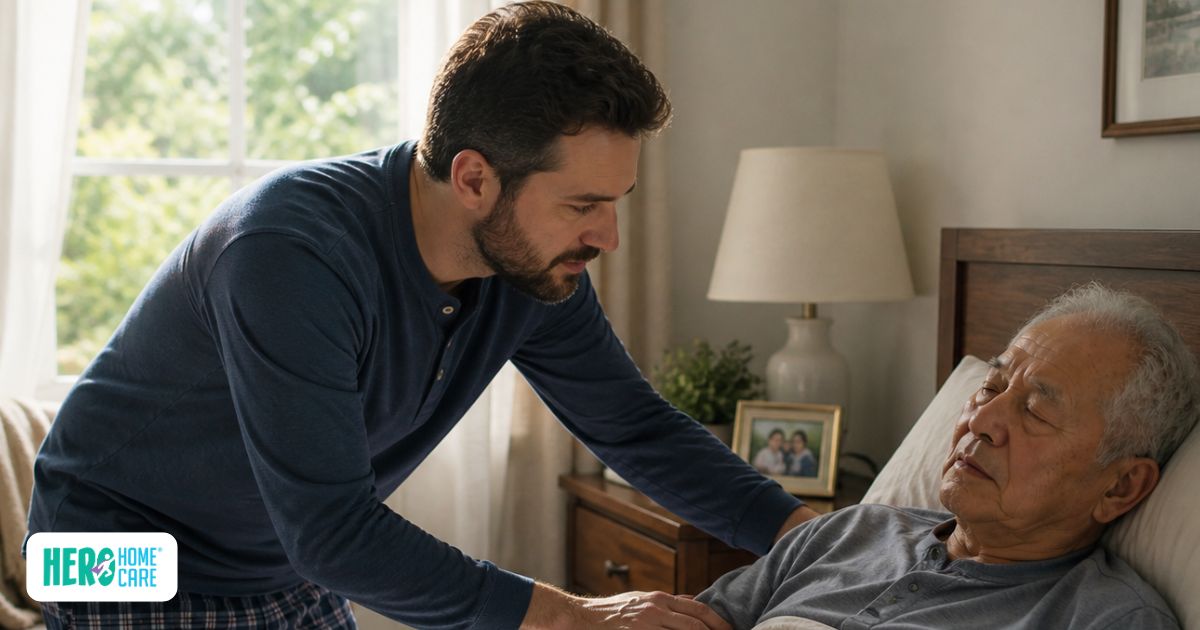
Waking a senior who is sleeping often works best with a calm, gentle approach. Instead of trying to wake them quickly, give them a moment to come around. This often involves softly saying their name, placing a light hand on their arm, and using clear, familiar phrases so they can respond at their own pace.
It’s also important to avoid pushing too hard. If they don’t respond right away, repeating yourself with urgency can create resistance or confusion. Staying patient, even if it takes a few attempts, usually leads to a smoother interaction than trying to rush the moment.
A gentle, inviting reason to get up can make a big difference. Rather than telling them what to do, it can help to offer something simple and familiar, like suggesting a cup of tea or asking them to come sit with you for a bit. These gentle invitations feel easier to accept than direct instructions.

Related: How to Start Home Care for Seniors for the First Time in North Vancouver?
At the same time, it helps to recognize that energy levels can vary throughout the day. Some moments may be easier than others, and it’s okay if they need a little more time to fully wake up.
When to Seek Medical or Professional Help for Excessive Sleeping
Some changes in sleep can be managed with small adjustments at home. But there are times when it’s more helpful to step back and get outside support. The key is noticing when the pattern isn’t improving or when it begins to affect daily life.
If the change in sleep continues over time, especially if it’s affecting energy, routines, or overall wellbeing, it may be worth speaking with a healthcare professional. Some single signs, such as being very difficult to wake, may require urgent medical attention. When there’s no improvement despite trying simple adjustments, that’s usually a sign that something else may be contributing.
It’s also important to pay attention to safety. If staying alert becomes difficult during moments when awareness matters (like moving around the home or responding to simple situations), it can increase the risk of injury or accidents. This kind of change makes outside input more important.
Another clear point is when it starts to feel hard to manage on your own. If you find yourself constantly checking on them, feeling unsure about what to do next, or struggling to keep up with the situation, that’s a valid reason to ask for help. You don’t need to wait until things feel overwhelming.
Seeking help doesn’t mean something is seriously wrong. It’s a way to get clarity, reassurance, and support. In many cases, getting guidance early can make things feel more manageable and prevent small concerns from becoming bigger ones.
If your parent sleeps through daytime care but is awake and unsafe overnight, their supervision needs may have changed. Discuss who can respond when they need help, including whether round-the-clock home care would fit their overnight needs. The appropriate arrangement depends on the person’s assessed risks and whether someone must remain awake and available.
- They get up overnight without being able to transfer or walk safely alone.
- Falls occur unwitnessed, or they cannot reliably call for help afterward.
- Sleepiness leads to missed prescribed medication or uncertainty about doses taken.
- Nighttime wandering includes unsafe exits or getting lost within the home.
Sleep Terms You May Hear From a Doctor
Doctors may use these terms during a sleep assessment to describe sleep patterns, symptoms, and evaluation methods. Understanding them can help you better follow the discussion about your parent’s sleep concerns. 4 14
Common Terms Used in a Sleep Assessment | ||
|---|---|---|
| Term | What it means | Why it matters for your parent |
| Hypersomnia | A Term Used for Excessive Sleepiness or Conditions Involving Excessive Sleep | It describes a problem that needs assessment rather than identifying its cause. |
| Excessive Daytime Sleepiness (EDS) | Difficulty Maintaining Wakefulness During the Day | It helps distinguish actual dozing from low energy without sleep. |
| Epworth Sleepiness Scale | A Questionnaire about the Likelihood of Dozing in Everyday Situations | It can help assess sleepiness but does not diagnose the cause |
| Sleep Hygiene | Habits and Environmental Conditions that Support Sleep | It identifies practical changes that may complement medical care |
| Sleep-Wake Cycle | The Pattern of Sleeping and Being Awake Across the Day and Night | It helps explain why daytime sleep and nighttime wakefulness should be recorded together. |
How In-Home Care Can Help Seniors Stay Active and Healthy
Over time, it can become harder to keep a steady balance between rest and activity at home. Days may start to feel unstructured, with extended periods of rest. Having some added support can gently bring more rhythm and consistency back into the day.
With in-home care, structure often comes in a natural, flexible way. A caregiver can help guide the day so it doesn’t feel aimless; supporting regular wake-up times, mealtimes, and simple moments of activity. This kind of gentle consistency can make it easier for the day to feel more balanced without being rigid.
There’s also a noticeable difference when someone is present. Simple companionship (like talking, sitting together, or sharing a small activity) can help reduce prolonged periods of inactivity. It creates small moments of engagement that naturally encourage being awake without pressure.
Another important part is awareness. When someone is there regularly, small shifts in energy, mood, or behaviour are easier to notice. These patterns don’t go unseen, which can help families stay informed and respond earlier if something changes.
Support can also include gentle encouragement to stay active in small ways. This isn’t about pushing or forcing movement, but about guiding it and helping someone stay involved in the day at a pace that feels comfortable.
Mr. Patel had started spending long stretches drifting in and out of sleep during the afternoon. His caregiver from Hero Home Care, Antora, began sitting with him for a few minutes each day, starting small conversations and suggesting simple activities like having tea together. Over time, those quiet periods became more broken up, with brief moments of engagement helping him stay a bit more alert during the day.

Senior Care in North Vancouver: How Hero Home Care Supports Families
Caring for an aging parent at home in North Vancouver can bring daily challenges that aren’t always easy to manage. Balancing rest, safety, and daily activity can feel like a constant adjustment. Having local support, like Hero Home Care, can make that balance more manageable.
In many cases, support needs to fit into real life, not disrupt it. Care can be flexible, sometimes just a few hours during certain parts of the day, or more consistent when needed. The focus is on adapting to what’s already happening at home, rather than creating something new.
There’s also value in having help with the everyday flow of the day. Small things such as being there at the right moment or easing transitions, can make a noticeable difference for both the senior and the family without major changes.

Related: North Vancouver Senior Resources: A Complete Guide for Seniors and Families
Over time, consistency matters. Seeing the same caregiver regularly can build familiarity and reduce stress. It allows the senior to feel more comfortable, while family members feel more at ease knowing someone reliable from Hero Home Care is there.
Being based in North Vancouver also means understanding the pace and needs of the local community, making support feel more practical and connected.
If you are finding it harder to balance your parent’s needs with your own, a Care Consult with Hero Home Care is a chance to talk through what has changed and explore support that feels right for your family.
Final Thoughts: Understanding and Managing Excessive Sleep in Seniors
A change in sleep can be part of aging, and not every shift means something is wrong. But when the pattern feels different from what you’re used to, it’s worth paying attention. Looking at how things change over time, not just on a single day, can help you better understand what’s happening.
The most helpful approach is to stay observant without jumping to conclusions. Small, steady adjustments can often bring more balance to the day. And if things continue to feel unclear or harder to manage, it’s okay to seek support. You don’t have to figure it out on your own.
Sources:
- CDC — Sleep and Sleep Disorders
- HealthLink BC — Confusion, Memory Loss, and Altered Alertness
- Marie Curie — Sleep Problems at the End of Life
- NHS — Excessive Daytime Sleepiness (Hypersomnia)
- Merck Manual Professional — Sleep and Wakefulness Disorders
- Stanford Health Care — Advanced Sleep Phase Syndrome
- MedlinePlus — Fatigue
- NHS — Beta Blockers
- Alzheimer’s Association — Sleep Changes and Alzheimer’s Disease
- National Institute on Aging — Lewy Body Dementia: Causes, Symptoms, and Diagnosis
- Marie Curie — Signs That Someone Is Dying
- Mayo Clinic — Napping: Do’s and Don’ts for Healthy Adults
- Alzheimer’s Association — Sleep Changes and Dementia Care
- Epworth Sleepiness Scale Official Website