
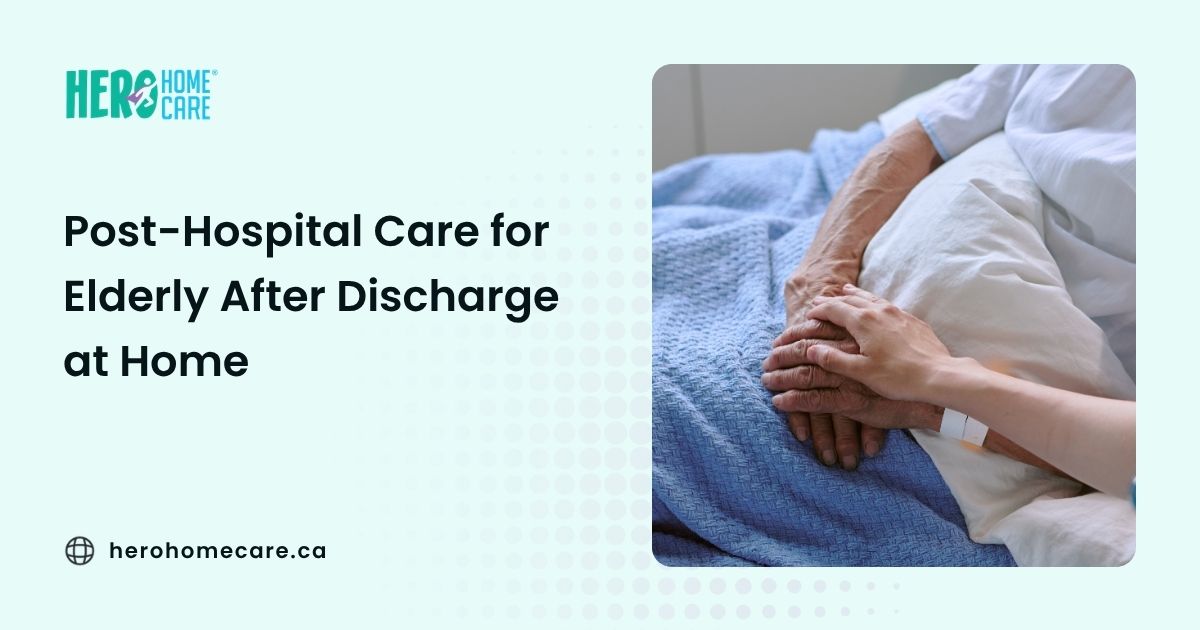
Bringing an elderly parent home from the hospital often feels less like the end of a medical situation and more like the start of a new responsibility. You leave with discharge papers, medication instructions, follow-up appointments, and a growing list of things to remember once you arrive home.
Many families are surprised by how much recovery depends on what happens after returning home. Recovery does not begin a week later once things “settle down.” It starts immediately at home, with meals, medications, mobility, rest, and the everyday decisions that shape how safely the recovery period goes.
The first few days after discharge are often where problems begin if care becomes disorganized. Missed medications, difficulty moving safely around the home, confusion about instructions, or changes that go unnoticed can quickly create setbacks. Falls, complications, and hospital readmission are not always caused by major emergencies. Sometimes they begin with manageable problems that were difficult to manage at home.
At the same time, families do not need to handle every detail perfectly. What usually helps most is having a clear plan, understanding what needs attention first, and knowing which changes are expected versus which ones should not be ignored.
This guide walks through what caregivers need to focus on after hospital discharge, including how to prepare the home, what to prioritize during the first 72 hours, medication organization, recovery monitoring, warning signs to take seriously, and when additional support may become necessary.
Here is the Quick Answer:
Post-hospital care for seniors starts immediately after discharge, not days later. The first weeks at home often involve medication changes, mobility challenges, follow-up appointments, meal support, and ongoing monitoring for complications.
Preparing the home, staying organized, and understanding changing care needs can reduce stress and lower the risk of setbacks or readmission. Some families manage independently, while others eventually need additional home care assistance.
Immediate Steps Before Leaving the Hospital (Post-Hospital Discharge Preparation)
Hospital discharge often moves quickly. Between paperwork, prescriptions, transportation, and conversations with staff, it can be easy to leave without fully understanding the plan. Before heading home, caregivers should take a few extra minutes to confirm that the key details are clear and organized.
Getting answers while still at the hospital is usually much easier than trying to sort things out later at home. A clear discharge process helps reduce confusion, missed instructions, and unnecessary stress during the first days of recovery.

Get a Written Discharge Plan (Not Just Verbal Instructions)
Ask for printed discharge instructions instead of relying only on spoken explanations. There is often a lot of information given quickly, and details can be forgotten once you leave the hospital.
The written plan should include medications, activity restrictions, wound or incision care if needed, diet instructions, follow-up appointments, and symptoms that require attention. Having everything in one place makes it easier to reference later when questions come up at home.
Perform Medication Reconciliation
The medication list from discharge should be compared carefully with what your parent was taking before hospitalization. Confirm which medications were stopped, which ones were added, and whether any dosages changed.
This is a good time to ask a nurse, pharmacist, or doctor to review the list step by step in plain language. Medication confusion after discharge is common, especially when multiple prescriptions change at once.
Ask for Training on Medical Tasks
If care at home involves medical tasks, ask for hands-on instruction before discharge. This may include wound dressing changes, injections, oxygen equipment, mobility precautions, or safe transfer techniques.
Watching a demonstration and practicing if appropriate can make the transition home feel much more manageable. Caregivers should leave knowing how to handle the tasks they are expected to do.

Confirm Follow-Up Appointments Before Leaving
Before going home, make sure you know when the next appointment should happen and who is responsible for arranging it. Many seniors need follow-up care within the first 7–14 days after discharge, depending on the condition and recovery plan.
It also helps to ask who to contact if symptoms change before that appointment. Having a direct number or clinic contact ahead of time avoids scrambling later if concerns come up.
Understand Warning Signs (“Red Flags”)
Ask the care team which symptoms should prompt a regular doctor call and which require emergency care. Clear guidance now can prevent hesitation later if something changes at home.

Related: Do Seniors Need Home Care After Surgery?
Examples may include worsening pain, breathing problems, fever, increased confusion, severe weakness, bleeding, or chest pain. The goal is not to memorize every possibility, but to leave understanding which changes should never be ignored.
Preparing the Home for Safe Post-Hospital Care
After a hospital stay, the home often needs a few temporary adjustments before a senior returns. Even small setup changes can lower safety risks, limit confusion, and make the first days of recovery feel less overwhelming.
Preparing ahead of time also removes pressure once your parent arrives home. If the space is already organized and accessible, caregivers can focus more on the transition itself instead of scrambling to fix problems afterward. Families looking for broader home safety planning may also benefit from guidance on creating a safe home environment for aging parents.
Fall-Proofing the Home for Seniors
Recovery after hospitalization often comes with temporary weakness, slower movement, or balance changes. Clear walking paths become especially important during the first few days back home.
Remove loose rugs, move cords away from walkways, and clear unnecessary clutter from high-traffic areas. Pay close attention to lighting near bathrooms, bedrooms, and hallways, especially for nighttime movement. Families concerned about broader mobility safety can also review ways to reduce fall risks for seniors living alone.

Setting Up a Recovery Area
Choose one main area where your parent can comfortably rest and access daily essentials without repeatedly moving around the house. A chair or bed near a bathroom is often easiest during early recovery.
Some families choose to create a small “recovery station” nearby with medications, water, tissues, glasses, hearing aids, mobility aids, snacks, phone chargers, and important contact numbers. Keeping frequently used items together reduces unnecessary movement during recovery.
Bathroom Safety Modifications
Bathrooms are one of the most difficult areas to navigate safely after discharge, especially when strength or balance is reduced.
Simple adjustments can make a noticeable difference. Grab bars near the toilet or shower, non-slip mats, shower chairs, and raised toilet seats may help improve comfort and stability during bathing or transfers.
Improving Accessibility for Limited Mobility
Temporary mobility changes are common after hospitalization, even for seniors who were previously independent. Stairs, low seating, and reaching overhead can become harder than expected.
Where possible, arrange sleeping and daily activities on the main floor to limit stair use. Keep commonly used items within easy reach so your parent does not need to bend, climb, or stretch repeatedly during the day.
Filling Prescriptions Before Arrival
One commonly overlooked step is filling prescriptions before your parent gets home. Waiting until the evening or next morning can create unnecessary stress during the first hours after discharge.
If possible, pick up medications ahead of time and place them in the recovery area before arrival. Having everything ready prevents late-night pharmacy trips and avoids delays in starting important medications.

The First 72 Hours After Hospital Discharge (Critical Post-Hospital Care Period)
The first few days at home are usually the most adjustment-heavy part of recovery. Medication routines are still new, energy levels may change throughout the day, and both caregivers and seniors are adapting to a different environment after the structure of the hospital.

Related: Stroke Recovery at Home: What Families Should Expect
This is also the period when small details are easiest to miss. Fatigue, confusion, and changes in routine can affect everything from eating to mobility, so keeping the first 72 hours simple and structured often helps the transition home feel less overwhelming.
Medication Management and Adherence
Medication schedules are often different after hospitalization, especially if new prescriptions were added or dosages changed. Setting medications up clearly right away reduces confusion during the transition home.
Many caregivers use pill organizers, written medication schedules, phone alarms, or reminder notes during the initial transition home. Missed doses or accidental double doses are common after discharge, particularly when routines have not fully settled yet.
Nutrition and Hydration After Hospitalization
Eating normally again can take time after a hospital stay. Some seniors feel tired, weak, nauseated, or simply uninterested in food during the early recovery period.
Focus on smaller, easy-to-manage meals and keeping fluids nearby throughout the day. Simple options like soup, toast, yogurt, soft foods, and snacks that require little preparation are often easier during the first days back home. For many families, healthy meals for seniors at home are less about strict diets and more about keeping eating manageable and consistent during recovery.
Monitoring Symptoms, Vitals, and Wounds
During the first 72 hours, caregivers should pay close attention to noticeable changes rather than trying to monitor everything at once. Hospital discharge instructions usually explain which symptoms or care tasks need regular attention during the first few days at home.
Changes such as fever, worsening pain, breathing difficulties, swelling, redness around wounds, or unusual confusion should not be ignored. Paying attention early often makes it easier to address problems before they become more serious.

Encouraging Safe Movement and Mobility
Many seniors are encouraged to move lightly after discharge, even if they feel tired. Remaining completely inactive for long periods can sometimes slow recovery and increase stiffness or weakness.
Short walks around the home, changing positions regularly, or sitting upright for periods of the day may be part of the recovery plan. At the same time, activity should stay within the limits provided by the hospital team. The adjustment period is usually easier when movement is steady and gradual rather than rushed.
Related: Preparing Seniors for Safe Home Transfer: In-Home Care Support After Hospitalization
Post-Hospital Discharge Checklist for Elderly Patients
Use this checklist to keep post-hospital recovery organized during each stage of care at home.
Before Leaving the Hospital
Confirm the key discharge details before leaving the hospital.
- Get a written discharge plan
- Review medication changes carefully
- Confirm which medications stopped or changed
- Ask about activity restrictions
- Confirm wound care instructions
- Ask for training on medical tasks or equipment
- Understand warning signs that require attention
- Confirm follow-up appointments
- Write down important phone numbers
- Ask who to contact with questions after discharge
Preparing the Home
Prepare the home before arrival to support a safer recovery.
- Remove loose rugs and cords
- Clear walkways and clutter
- Improve hallway and bathroom lighting
- Set up a recovery area near essentials
- Place water, medications, and phone nearby
- Prepare mobility aids if needed
- Install non-slip bathroom mats
- Set up shower chair or grab bars if required
- Reduce stair use if possible
- Keep commonly used items within reach
- Fill prescriptions before arriving home
First 72 Hours at Home
Focus on keeping the first few days organized and stable.
- Set up medications clearly from the start
- Use reminders or pill organizers if needed
- Encourage steady hydration
- Prepare simple, easy-to-eat meals
- Follow discharge instructions closely
- Monitor wounds or incision areas
- Watch for fever, breathing changes, or worsening pain
- Encourage light, safe movement
- Avoid overexertion during recovery
- Keep recovery days calm and structured
Ongoing Recovery and Follow-Up
Continue monitoring recovery and adjusting support as needed.
- Attend follow-up appointments
- Track ongoing recovery changes
- Monitor emotional wellbeing and mood
- Reassess mobility and care needs over time
- Plan transportation for appointments
- Update medication lists as changes occur
- Coordinate family caregiving responsibilities
- Arrange additional support if needed
- Keep emergency contacts accessible
- Review recovery progress regularly

Long-Term Post-Hospital Recovery (First 30 Days and Beyond)
Recovery often continues long after the hospital stay ends. During the first month at home, caregivers are usually adjusting schedules, coordinating appointments, and responding to changes in energy, mobility, or daily functioning as daily routines begin settling into place.
Support needs are not always the same from week to week after discharge. Some routines begin stabilizing, while other parts of care may need to be reassessed as the overall care needs become clearer.
Coordinating Home Health Care Services
After discharge, some seniors need additional support from healthcare providers at home. Depending on the situation, this may involve nursing visits, physical therapy, occupational therapy, or a combination of services.
When multiple providers are involved, schedules and recommendations can quickly become difficult to track. Many families use a single folder or notebook for appointment times, medication updates, discharge paperwork, and questions that come up between visits.
Managing Follow-Up Appointments and Transportation
The weeks after discharge often include several medical appointments, especially after surgery, illness, or major hospitalization. Transportation planning can become more complicated when mobility is limited or fatigue remains significant.
Planning transportation ahead of time also helps avoid last-minute stress on appointment days.

Monitoring Mental and Emotional Health
Hospitalization can affect emotional wellbeing as much as physical healing. Some seniors become quieter, less motivated, or less engaged than usual during the weeks after returning home.
Changes in participation, communication, sleep habits, or general interest in daily activities may become more noticeable during this stage. Paying attention to these gradual shifts can help families recognize when the adjustment period is becoming emotionally difficult, not just physically demanding.
Reassessing Care Needs After 2 Weeks
The first couple of weeks at home often reveal whether the original care plan is realistic long term. Some seniors begin regaining independence steadily, while others continue needing regular assistance with mobility, meals, medications, or daily routines.
This stage is often when families reassess how much support is actually required. Increased difficulty moving safely, missed medications, ongoing exhaustion, or trouble managing daily tasks may signal that additional help or a more structured daily support is needed moving forward.
Key Contacts to Keep After Hospital Discharge
Keeping important contacts in one easy-to-access place can reduce stress during recovery. Caregivers often need quick access to the right person once questions or concerns come up at home.
- Primary care doctor: Coordinates follow-up care, ongoing medical concerns, and overall care planning.
- Specialists: Surgeons, cardiologists, or other providers involved in treatment and post-hospital follow-up care.
- Pharmacist: Answers medication questions, dosage concerns, side effects, and prescription clarification.
- Home care provider: Assists with mobility, personal care, daily assistance and post-hospital support.
- Discharge planner or hospital contact: Helps clarify discharge instructions or hospital-related coordination questions.
- Emergency contacts: Keep emergency numbers and closest family contacts easily accessible.
- Family caregiver contacts: Helps coordinate schedules, updates, and shared caregiving responsibilities.
- Transportation support: Include contacts for family drivers, medical transport, or appointment transportation services.

Understanding Post-Hospital Care Needs for Seniors
Recovery after a hospital stay is rarely limited to medical treatment alone. Many seniors need help across several parts of daily life at the same time, and those needs often shift as strength, mobility, and daily routines continue adjusting at home.
Medical Care Needs
After discharge, ongoing medical needs may still require close attention. This can include medication changes, wound care, symptom observation, follow-up appointments, or temporary medical equipment that may become part of daily care routines.
Personal Care Needs
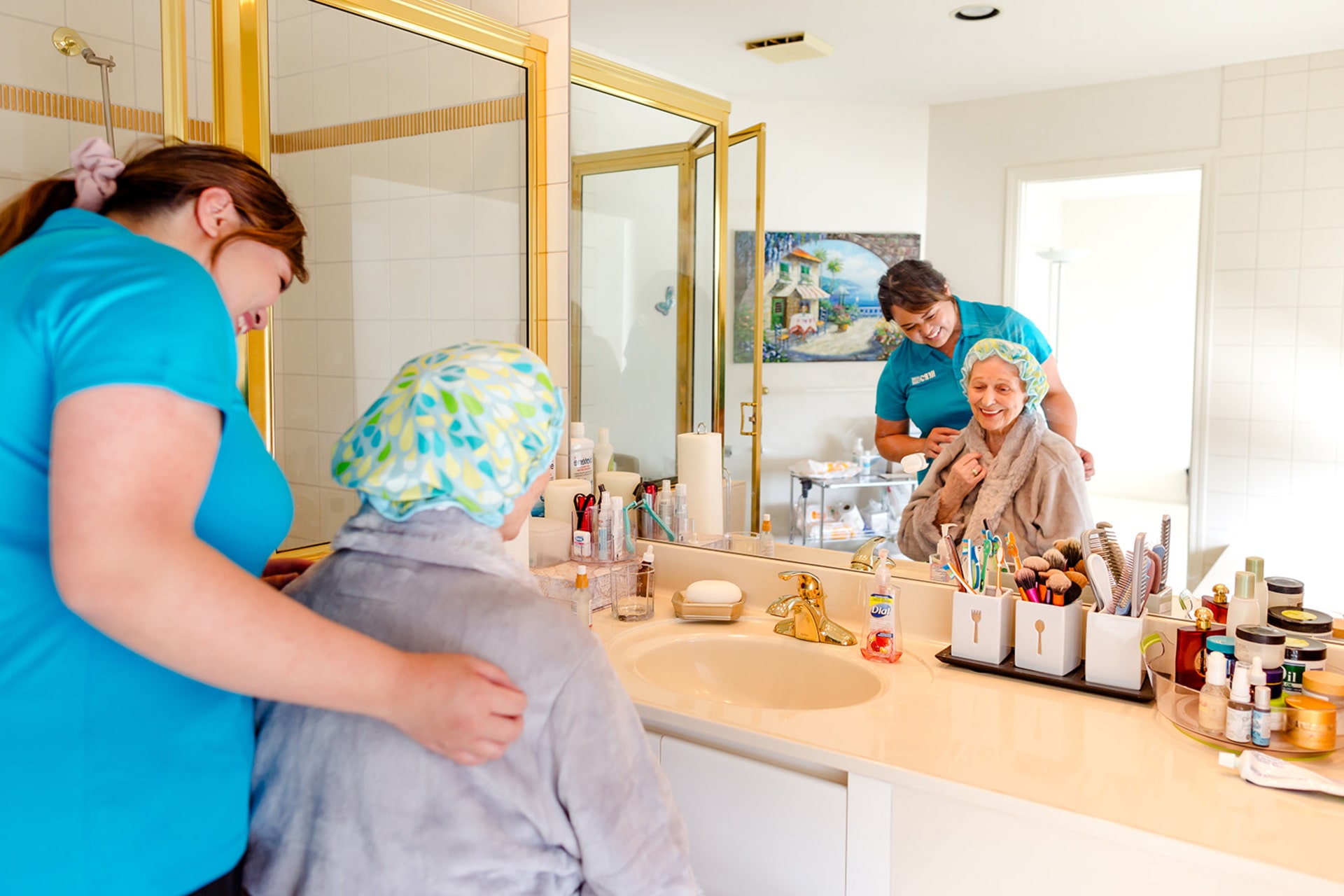
Basic daily routines often become harder after hospitalization, even for seniors who were previously independent. Bathing, dressing, toileting, grooming, and preparing meals may temporarily require assistance while energy and strength return.
Mobility and Fall Prevention
Hospital stays frequently lead to weakness, reduced balance, or slower movement. Some seniors become less steady walking, transferring, or navigating familiar spaces, which often makes mobility support part of ongoing care planning.

Nutrition and Hydration
Appetite and eating habits commonly change after hospitalization. Fatigue, discomfort, medication effects, or reduced activity levels can affect both nutrition and hydration, making meals and hydration an area that often needs closer attention.
Emotional and Mental Health Support
The transition home can affect emotional wellbeing as much as physical health. Some seniors become discouraged, withdrawn, confused, or less motivated after hospitalization, especially when routines, independence, or daily functioning suddenly change.
Common Challenges After Hospital Discharge (And How to Handle Them)
Even with a clear discharge plan, daily routines at home do not always settle smoothly right away. Once daily life begins again, caregivers often run into small but stressful problems that were harder to predict while still in the hospital.
Many of these situations are manageable with a few adjustments. Recognizing common patterns early usually makes recovery easier to navigate and less overwhelming day to day.
Medication Confusion
Medication schedules often change after hospitalization, especially when prescriptions are added, removed, or adjusted quickly. Caregivers may find themselves trying to remember new instructions while also managing appointments and daily care.
Keeping one updated medication list in a consistent location usually reduces confusion. Using the same medication routine each day and asking questions early when instructions feel unclear can prevent small mistakes from building into larger problems.
Weakness and Fatigue
Many seniors return home with much lower energy than families expect. Tasks that previously felt simple such as getting dressed, walking to the bathroom, or sitting upright for longer periods, may suddenly take much more effort.
A slower pace is often necessary during the first weeks back at home. Breaking activities into smaller parts, allowing rest between tasks, and avoiding pressure to “bounce back quickly” usually makes the adjustment period easier for both the senior and caregiver.
Risk of Falls
Hospital stays can leave seniors weaker, less steady, or slower moving than usual. Medication effects, fatigue, and changes in balance may increase instability, particularly during transfers or nighttime movement.
Clear walking paths and slower movement around the home reduce unnecessary risk. Encouraging gradual position changes and consistently using walkers, canes, or other recommended mobility aids often reduces unnecessary strain during everyday movement.

Caregiver Burnout
Caregiving responsibilities tend to build gradually after discharge. Managing medications, appointments, meals, mobility, and supervision at the same time can become physically and mentally exhausting, especially when routines are still unsettled.
Sharing responsibilities where possible can reduce pressure before exhaustion builds up. Families often benefit from simplifying routines, prioritizing essential tasks first, and recognizing when additional help may be needed to keep responsibilities sustainable over the long term.
When do you need professional post-hospital home care?
Many families begin post-hospital care on their own. During the first days home, handling medications, meals, appointments, and mobility assistance may feel temporary and reasonably controlled. In some situations, that level of care continues working well as recovery progresses.
At the same time, needs can become more demanding than expected once the longer-term demands of care become clearer. Medication schedules may stay complicated, wound care may require ongoing attention, or mobility limitations may make transfers and walking unsafe without regular assistance.
Some caregivers also reach a point where constant supervision becomes difficult to maintain. A senior may not be safe staying alone for extended periods, especially if confusion, weakness, or fall concerns continue beyond the initial discharge period. Families balancing work, childcare, or multiple responsibilities often find themselves trying to cover gaps in care throughout the day.
Physical and mental exhaustion can also become part of the situation gradually rather than all at once. Caregivers may start feeling stretched between appointments, care responsibilities, interrupted sleep, and the pressure of trying not to miss anything important. In many cases, the issue is not willingness to help, it is the growing complexity of managing everything consistently and safely.
Needing additional care does not mean the family has failed. Sometimes professional home care simply helps bring more structure and consistency into everyday routines, reducing unnecessary risk and making support more sustainable for everyone involved.
How Hero Home Care Supports Post-Hospital Care in North Vancouver
After a hospital discharge, many families in North Vancouver find themselves balancing medications, mobility concerns, appointments, meals, and day-to-day supervision all at once. Even when the situation feels stable initially, keeping daily routines steady at home can quickly become difficult as fatigue and caregiving responsibilities build.
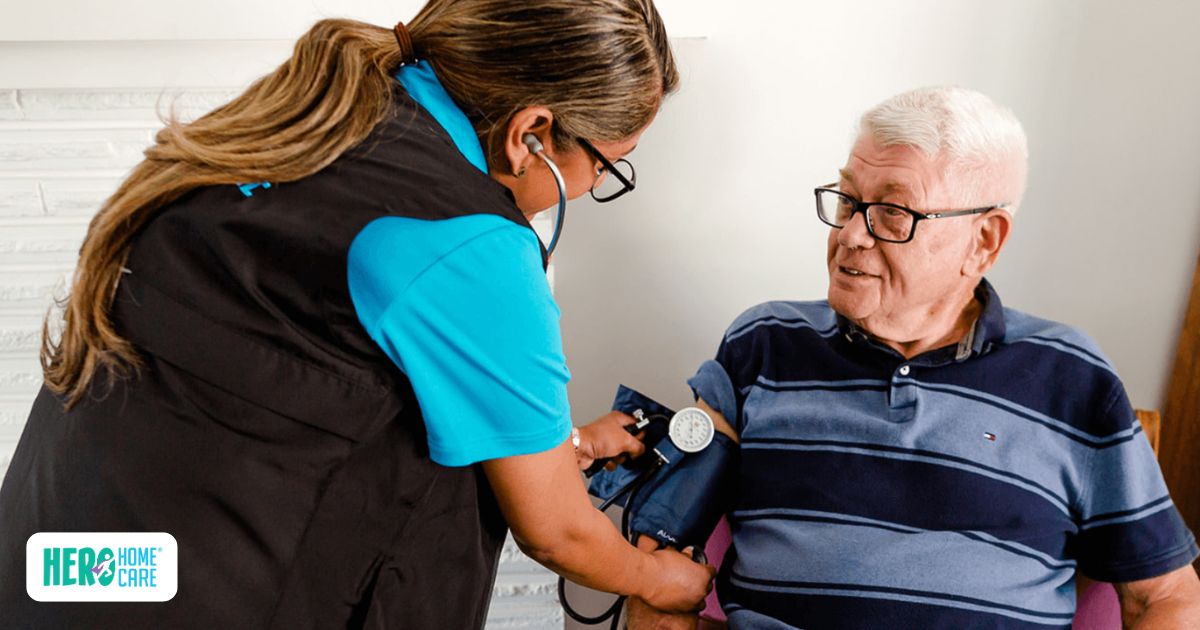
Hero Home Care provides hospital discharge support for families adjusting to recovery at home, helping seniors return to daily life with more structure, consistency, and reassurance. Care may include medication reminders, assistance moving safely around the home, meal preparation, transportation coordination, personal care, and regular observation during the day.
Having another person involved often reduces the pressure on family members who are trying to manage work, caregiving, and ongoing medical appointments at the same time.
The day-to-day impact is often less about major medical tasks and more about consistency. A caregiver may help someone get settled in the morning, encourage eating and hydration when appetite is low, assist with transfers or walking, and notice small changes before they become larger problems. That added structure can make the transition home feel less chaotic for both the senior and the family.
After returning home from the hospital, Mr. Chen was struggling to keep track of meals, medications, and periods of rest during the day. Akshita, a Hero from Hero Home Care, began visiting regularly and helped rebuild a more consistent daily routine by organizing medications, preparing simple meals, and assisting him during short walks around the home. Over the following weeks, his daughter found that appointments, caregiving responsibilities, and communication between family members became easier to manage day to day.

Benefits of Choosing In-Home Care After Hospital Discharge
After a hospital stay, families often weigh different options for ongoing care. The right choice depends on medical needs, mobility, supervision requirements, and how much assistance family members can realistically provide at home.
For many seniors, returning home allows daily life to continue in a more familiar setting. Sleeping in their own room, following established routines, and staying connected to regular surroundings can feel less disruptive than moving into another care setting immediately after discharge.
Some families also prefer remaining closely involved in day-to-day care decisions rather than navigating facility schedules and shared environments.
In-home care also allows routines to move at a more individualized pace. Meals, rest periods, appointments, bathing, and movement during daily routines can often be adjusted around the senior’s energy level and condition instead of following a broader facility schedule. That flexibility can feel more natural during the first stage after hospitalization, especially when fatigue or mobility limitations fluctuate from day to day.
Facility-based care and rehab programs may still be appropriate for seniors with more complex medical or rehabilitation needs.
At the same time, some families choose home-based care because it reduces the stress of another major change in living environment while helping seniors maintain a greater sense of familiarity and independence during the healing process. Families comparing these options in more detail may also find it helpful to review the differences between home care and long-term care facilities.
Final Thoughts: Ensuring a Safe and Smooth Recovery at Home
Returning home after hospitalization often requires more coordination than families expect. Medications, mobility changes, appointments, meals, and day-to-day care all become part of the transition, especially during the first few weeks after discharge. Clear planning and practical adjustments at home can reduce confusion and help daily care feel more stable.
Challenges during this stage are common, especially when care needs keep changing after the initial transition home. If your family needs additional support after discharge, Hero Home Care can help make daily routines safer, more organized, and less overwhelming at home.