
For many families, concern about an aging parent’s driving starts gradually. A wrong turn on a familiar route, hesitation at intersections, unexplained dents on the car, or a growing sense of nervousness during short drives can leave adult children wondering whether something has changed and whether they should say anything about it.
For many seniors, giving up the car means much more than changing how they get from place to place. Driving often represents independence, routine, privacy, and the ability to continue daily life without relying on others. That is part of what makes these conversations emotionally complicated. Adult children often worry about safety while also feeling guilty about the possibility of taking something important away.
There is also no exact age when seniors are expected to stop driving. Many older adults remain capable drivers for years, while others may begin having difficulty much earlier because of changes in vision, reaction time, mobility, judgment, or overall health. Age alone does not determine whether someone can continue driving safely.
Most families are not trying to take the keys away immediately. They are usually trying to understand whether what they are seeing is normal aging, a temporary issue, or a sign that driving should be evaluated more carefully.
This guide explains the warning signs to watch for, why driving risks sometimes increase with age, how families can evaluate driving ability, and how to approach these conversations respectfully. It also covers practical alternatives that can help seniors stay independent if driving habits eventually need to change.
Here is the Quick Answer:
There is no exact age when seniors must stop driving. Decisions should be based on vision, cognition, mobility, judgment, medical conditions, and consistent road performance rather than age alone.
Many older adults continue driving safely into their 80s, while others may need gradual restrictions or eventual driving retirement earlier. Careful assessment, respectful conversations, and realistic transportation alternatives can help seniors maintain routines and daily life without unnecessary conflict.
When should seniors stop driving? Is there a specific age?
There is no universal age when seniors are required to stop driving. A person’s ability behind the wheel is shaped far more by overall function than by the number on their birthday. Vision changes, slower reaction time, reduced flexibility, medication effects, cognitive changes, and certain health conditions can all affect road safety differently from one individual to another.
That is why two people of the same age may have very different abilities on the road. One senior may still handle traffic confidently in their 80s, while another may begin struggling much earlier because of changes in coordination, judgment, or physical stamina.
Research does show that collision risk and driving complications rise later in life, particularly after age 75 to 80.1, 2, 3, 4, 5 Older adults are more likely to have difficulty with night driving, fast-moving traffic, or reacting quickly in unexpected situations. Even so, higher statistical risk does not automatically mean someone is unsafe behind the wheel.
Many seniors continue driving well into older age without major concerns, especially when they remain physically active, keep up with medical care, and adjust habits as needed. In practice, decisions are usually based on day-to-day function rather than age by itself.

At what age do most seniors give up driving?
There is no standard age when Canadians stop driving. Some older adults begin limiting or reducing driving gradually during their late 70s and 80s, while others continue driving safely well beyond that point depending on their health, mobility, cognition, confidence, and access to transportation.
Many seniors adjust their driving habits before stopping completely. Some begin avoiding highways, nighttime driving, unfamiliar areas, or heavy traffic after noticing reduced comfort or slower reaction times. Others continue driving much longer without major concerns because they remain physically capable, mentally sharp, and comfortable handling everyday traffic situations.
Research and Canadian transportation data also show that driving patterns often differ based on gender, health, and location. Women tend to stop driving earlier than men on average, while seniors living in rural areas may continue driving longer because public transportation and nearby services are more limited.
Overall health usually shapes these decisions more than age itself. Vision changes, medication side effects, mobility limitations, cognitive decline, or a major medical event may influence when someone decides to reduce or stop driving. For many households, the question is less about reaching a certain birthday and more about whether road behavior still feels consistent, reliable, and predictable in daily life.6, 7
Signs It May No Longer Be Safe for a Senior to Drive
Concerns about unsafe driving rarely begin with one dramatic event. More often, small changes start appearing here and there; a little more hesitation in traffic, difficulty handling busy intersections, or new frustration behind the wheel.
A single mistake does not necessarily mean someone should stop driving. Repeated patterns, however, usually deserve closer attention, especially when the same issues continue showing up across different situations.
Physical Warning Signs That Affect Driving Ability
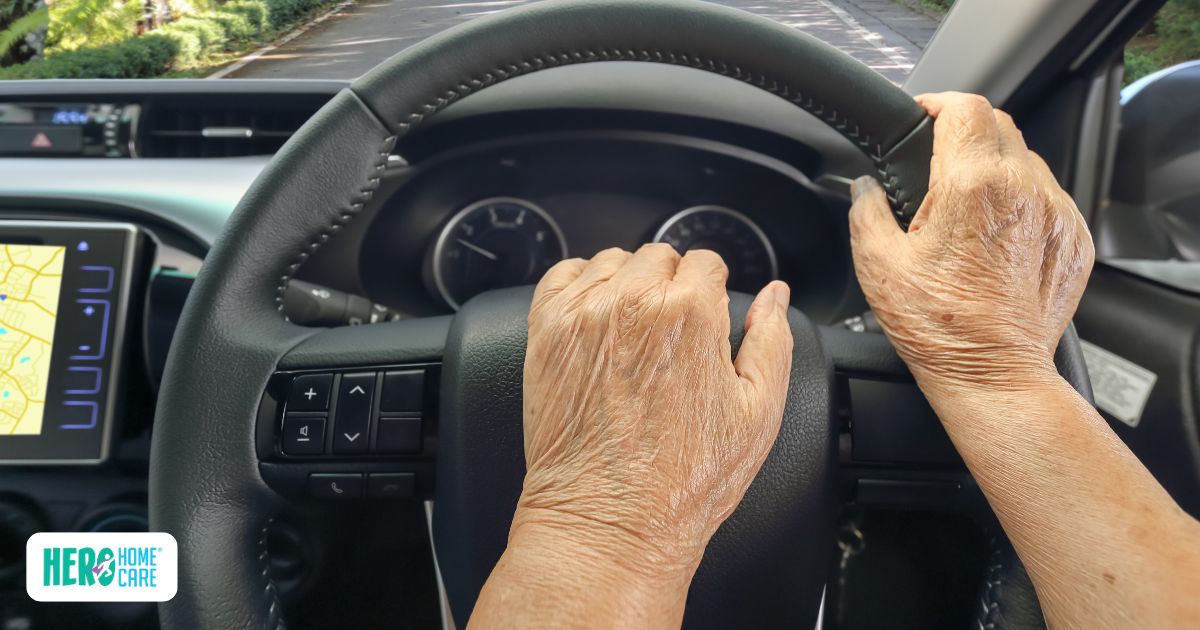
Physical changes often affect the mechanics of operating a vehicle before anyone fully connects them to road safety. A senior may struggle to turn their head comfortably when checking blind spots, grip the steering wheel more stiffly, or respond more slowly when traffic changes quickly.
Some drivers also begin having difficulty moving smoothly between the brake and gas pedals or feel unsteady getting in and out of the car. Pedal confusion, such as pressing the gas instead of the brake or hesitating between pedals, should be taken seriously because it can quickly create dangerous situations. Longer trips may leave them unusually sore or fatigued afterward.
Cognitive Signs That Make Driving Unsafe
Changes in attention and processing speed can make traffic situations harder to handle consistently. A driver may become easily distracted, misjudge the speed of approaching vehicles, or take much longer to make decisions at intersections or during lane merges.
Busy environments may also become harder to process. Heavy traffic, construction zones, or fast-moving intersections can create confusion when quick judgment and divided attention are required at the same time.
Sensory Problems That Impact Driving Safety
Vision and hearing changes can quietly affect road awareness, especially in demanding conditions. Trouble reading street signs, recognizing traffic lights quickly, or dealing with glare from headlights may become more apparent during evening travel.
Some seniors begin avoiding nighttime trips because bright lights feel harsh or depth perception becomes less reliable after dark. Hearing loss may also reduce awareness of sirens, horns, or vehicles approaching from outside their field of vision.
Driving Behavior Changes
Observable driving patterns are often what concern relatives or passengers first. Drifting between lanes, braking abruptly, rolling through stop signs, or hesitating too long before turning can gradually become more frequent.
Other patterns may include traffic tickets, near misses, difficulty maintaining lane position, or getting lost on familiar routes. These behaviors are easier to recognize when they happen repeatedly rather than as isolated mistakes.

Vehicle Damage as a Hidden Warning Sign
Minor vehicle damage sometimes becomes one of the earliest visible clues that road awareness is changing. New dents, scraped mirrors, curb damage, scratches near the garage, or unexplained bumper marks may point to declining spatial judgment while parking or maneuvering.
In many cases, the issue is not one accident but a growing pattern of small incidents over time.
Emotional and Social Warning Signs
Emotional changes around driving can also signal growing discomfort behind the wheel. Some seniors become increasingly anxious in traffic or lose confidence in situations they previously handled comfortably.
They may begin avoiding highways, limiting trips to familiar areas, refusing to drive after dark, or appearing tense during routine errands. Concern sometimes first comes from passengers, neighbors, or friends who no longer feel comfortable riding with them.
Why Driving Risks Increase After Age 75–80
Driving depends on several abilities working together at once, including vision, coordination, attention, judgment, and physical movement. As people age, gradual changes in these areas can make managing traffic situations more demanding, although the degree of change varies widely from person to person.
Reaction speed often slows later in life, and physical flexibility may become more limited. Vision changes can also affect how quickly someone processes road information, especially in busy or low-visibility conditions. For some seniors, longer or more complex trips become mentally tiring sooner than they once did.
Chronic health conditions and medication side effects may add further challenges by affecting alertness, coordination, or stamina behind the wheel. Research also shows that adults over 75–80 face higher injury risk during collisions and may take longer to recover afterward.
Even with these shifts, many seniors continue remaining active on the road well into older age. In most cases, the bigger factor is how well someone continues handling the physical, mental, and visual demands of driving over time.
Medical Conditions That Affect Driving in Seniors
Certain medical conditions can interfere with the abilities required for operating a vehicle more directly than normal aging alone. The concern is usually not the diagnosis itself, but how symptoms influence judgment, coordination, vision, attention, or physical control behind the wheel.
Dementia
Dementia can interfere with several abilities required for driving at the same time. Memory problems may make routes harder to follow, while confusion and slowed judgment can affect decision-making in busy or unfamiliar traffic situations.
Unexpected traffic changes or unfamiliar environments may create more hesitation and delayed responses than they once did. A driver may struggle to handle several pieces of information at the same time, especially in crowded intersections, construction zones, or unfamiliar areas.
Parkinson’s Disease
Parkinson’s disease often affects movement, coordination, and physical responsiveness in ways that directly influence vehicle operation. Stiffness, tremors, and slowed motor responses can make steering, braking, turning, or responding rapidly more difficult.
Tasks that require fast physical movement may become more demanding over time, particularly in heavy traffic or situations that require sudden adjustments behind the wheel.
Vision Impairment
Safe driving relies heavily on clear visual awareness. Reduced visual sharpness, glare sensitivity, peripheral vision loss, and depth perception changes can all change how a driver interprets the road environment.
These changes may interfere with distance judgment, reading signs quickly, recognizing hazards early, or responding comfortably in low-light conditions. Even mild vision decline can stand out more clearly in fast-moving or visually crowded traffic situations.
Medication Side Effects
Some medications affect alertness, coordination, or concentration more than people realize. Drowsiness, dizziness, slowed thinking, blurred vision, or confusion may interfere with road performance, particularly when several medications are taken together.
In some cases, the medication itself creates more difficulty than the underlying health condition. New prescriptions, dosage adjustments, or medication combinations can temporarily change how someone functions on the road, especially during the first days or weeks after a change.
How to Assess an Elderly Person’s Driving Ability
Most driving decisions should not be based on one mistake or one stressful incident. One difficult moment usually does not tell the whole story. Patterns that repeat over time tend to provide a more reliable picture.
The goal is not simply to take driving away. A thoughtful assessment process helps determine if someone can still manage road situations safely, whether certain adjustments are needed, or whether the risks are becoming too difficult to ignore.
Medical Evaluation for Driving Fitness
A medical evaluation can provide useful insight into how health changes may affect driving function. Doctors may review vision, medications, reflexes, mobility, cognition, and overall physical condition to identify issues that could interfere with road performance.
In some cases, an occupational therapist may also evaluate functional abilities related to driving. These assessments can help clarify whether changes are temporary, manageable with adjustments, or likely to continue progressing.
Driver Safety Courses and Professional Assessments
Refresher courses and professional evaluations offer a more structured way to assess driving skills without relying only on family opinions. Some seniors respond better to objective feedback from a trained evaluator than to repeated conversations at home.
Programs may include senior driver refresher courses, occupational therapy driving evaluations, or local driver assessment services. These evaluations often focus on reaction speed, judgment, awareness, and practical road performance in real-world situations.
Self-Regulation: Limiting Driving Before Stopping Completely
Not every situation requires someone to stop driving immediately. Some older adults naturally begin limiting certain driving situations as a way to reduce risk while maintaining some independence.
That may include avoiding highways, nighttime driving, unfamiliar areas, heavy traffic, bad weather, or long-distance trips. Driving during quieter times of day or staying close to home can sometimes serve as a reasonable transition stage while overall ability is being evaluated more carefully.
Family Observation Checklist
Observation works best when families focus on repeated patterns rather than isolated incidents or emotionally charged disagreements. Keeping brief notes about driving concerns, changes in confidence, passenger feedback, or situations that feel increasingly difficult can make recurring patterns easier to evaluate over time.
When is it time to stop driving completely?
Many seniors successfully reduce or limit driving for a period of time. Eventually, though, some situations reach a point where adjustments no longer reduce the danger enough.
Repeated incidents, growing reliance on passengers for navigation or decision-making, or professional recommendations from doctors and driving evaluators may indicate that continuing to drive independently is no longer realistic. In some cases, relatives also reach a point where they no longer feel comfortable riding with the person.
The decision is not about punishment or loss of dignity. It is usually about preventing serious harm and protecting overall independence in the long run.
These discussions can still be emotionally difficult for everyone involved. Families looking for guidance on approaching them respectfully may also find it helpful to read more about communicating with elderly parents during difficult decisions.

How to Talk to a Senior About Stopping Driving
For many adult children, this conversation feels emotionally loaded long before it even begins. A car often represents freedom, familiarity, privacy, and the ability to maintain everyday life without relying on other people. Because of that, strong reactions are common, especially if the discussion feels sudden or forced.
Timing and tone usually shape the conversation more than the exact words themselves. Bringing it up during an argument, immediately after a close call, or in front of other people often increases defensiveness. A calmer approach tends to work better, especially when the discussion develops gradually instead of feeling like a final decision announced all at once.
Observations are often easier to hear than accusations. Saying something like, “I’ve noticed driving seems more stressful lately,” or “How are you feeling behind the wheel these days?” opens space for discussion without immediately putting someone on the defensive. Questions generally create a more productive conversation than statements that sound controlling or absolute.
Language matters as well. Comments such as “You’re too old to drive,” or “We’re taking your keys,” can quickly turn the discussion into a conflict about control rather than a conversation about practical concerns. Many older adults respond better when the focus stays on comfort, confidence, and reducing stressful situations instead of blame or criticism.
Some seniors may already feel uncertain about their driving and feel relieved to talk about it openly. Others may resist strongly at first, particularly if driving is tied closely to identity and daily structure. In many cases, these discussions happen over time rather than through one decisive conversation.
Outside input can also reduce tension. Doctors, occupational therapists, or professional driving evaluators sometimes provide a more neutral perspective that feels easier to accept than repeated pressure from relatives. Keeping the discussion collaborative, rather than treating the senior like a child, usually preserves more trust and dignity throughout the process.
Giving up the keys is easier to accept when the alternative is already in place, such as senior transportation to appointments, errands, and social visits.

Alternatives to Driving for Seniors (Staying Independent Without a Car)
One of the biggest worries around stopping driving is the fear of losing connection to everyday life. Appointments, errands, social visits, and simple routines often feel closely tied to having a car.
In practice, many seniors continue maintaining active and familiar routines through a combination of transportation options. The adjustment may take time, but stopping driving does not automatically mean becoming isolated or dependent on others for every activity.
Public Transportation
Some older adults continue using buses, community shuttles, or senior transit programs successfully for years after they stop driving. Familiar routes and shorter trips are often easier to adapt to, especially in areas with reliable local transit.
Accessibility, weather, walking distance, and transit availability vary significantly depending on the community. For some seniors, public transportation works well independently, while others prefer occasional assistance navigating schedules or transfers.
Family Support
Transportation often becomes a shared responsibility gradually rather than all at once. Relatives may rotate rides to medical appointments, grocery stores, family gatherings, or weekly errands in a way that feels more predictable for everyone involved.
Keeping plans organized usually reduces stress. Regular appointment days, shared calendars, or scheduled grocery trips can make daily life feel more stable without requiring constant last-minute coordination.
Ride Services
Taxis and ride-share services give many seniors more flexibility without relying entirely on relatives for transportation. Scheduled rides can work well for appointments, errands, or social outings, especially when driving is no longer comfortable or practical.
Some older adults adapt easily to these services, while others may need initial assistance with booking rides, using smartphone apps, or organizing payment methods.
Home Care Transportation Support
For some seniors, the challenge is not only getting from one place to another. Preparing for appointments, walking safely into buildings, carrying groceries, or feeling confident during outings may also become harder over time.
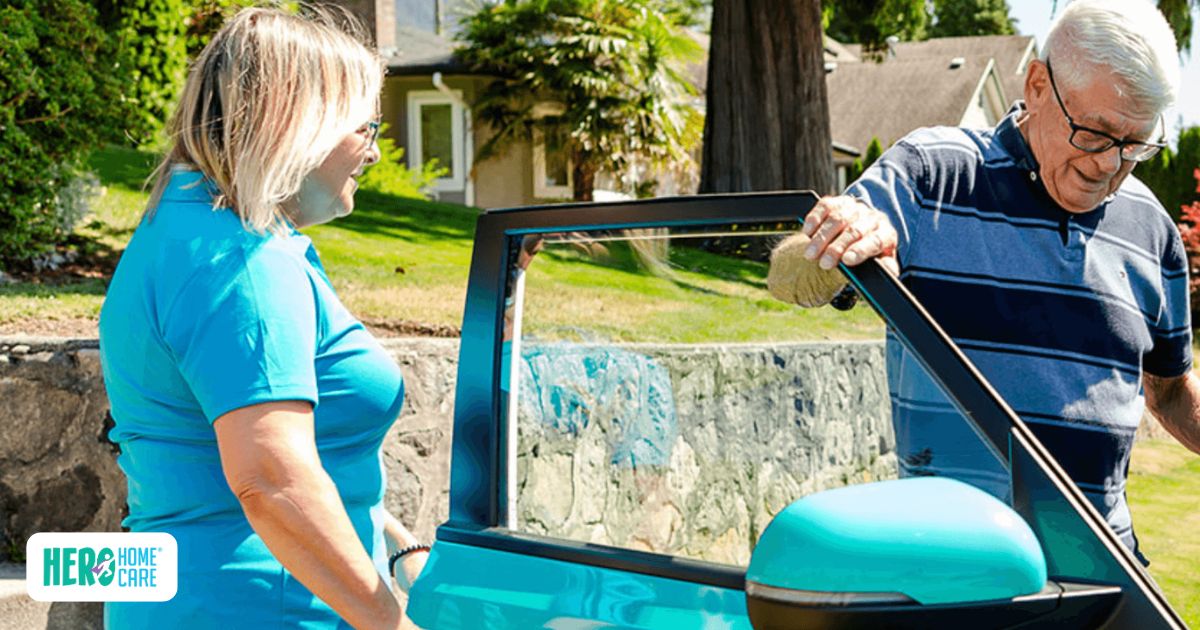
In these situations, transportation assistance often becomes part of broader day-to-day support. A caregiver from Hero Home Care help coordinate appointments, assist with mobility during outings, or accompany seniors on errands so routines outside the home feel easier to maintain.
How Hero Home Care Helps Seniors Stay Safe Without Driving
Changes in transportation often affect much more than errands alone. Medical appointments, grocery trips, social visits, and everyday routines can all become harder to maintain once a senior is no longer driving regularly.
For many older adults, the challenge is not simply getting from one place to another. Walking safely through parking lots, navigating appointments, carrying groceries, or feeling confident leaving the house can gradually become more stressful without consistent assistance. Family schedules can also become difficult to coordinate when transportation needs increase unexpectedly.
In these situations, home care often becomes part of maintaining structure and connection to daily life rather than replacing it. A caregiver from Hero Home Care may accompany a senior to appointments, assist during outings, help organize weekly errands, or provide reassurance during trips outside the home through ongoing support with transportation for seniors.
Having a familiar person present can make appointments and routine activities feel more manageable, especially for seniors who feel anxious about mobility or navigating unfamiliar environments alone. For some families, companionship care also helps reduce isolation and makes outings feel more comfortable and familiar again.
One North Vancouver senior, Margaret, had gradually stopped attending her weekly community lunch after giving up driving. A Hero from Hero Home Care, Shorya, began accompanying her to the program each Thursday and helping her feel more comfortable managing the outing again. Over time, the trip became part of Margaret’s regular week again instead of something that felt stressful to organize.
Final Thoughts: Making the Right Decision About Senior Driving
There is no single age when someone automatically becomes unsafe to drive. Decisions around senior driving are usually based on overall function, judgment, mobility, vision, health, and how consistently someone continues handling the road safely over time.
For many older adults, the change happens gradually through reduced driving, shorter trips, or increased reliance on other transportation options. Thoughtful planning and practical assistance can make that adjustment feel less disruptive. Families in North Vancouver looking for extra assistance with appointments, errands, or day-to-day routines may also consider ongoing support through Hero Home Care.