

Standardized home care arrangements can overlook details that shape how an older adult actually functions day to day. A schedule that works well for one person may become difficult for someone managing reduced balance, memory changes, disrupted sleep, chronic pain, or a stair-heavy household layout.
At Hero Home Care, planning begins with understanding how daily life already functions in familiar surroundings rather than assigning the same structure to every situation. Mobility patterns, meal habits, personality, transportation realities, relatives’ availability, and fluctuating health concerns all influence how assistance is organized in practice.
The focus is not simply assigning assistance hours, but organizing involvement around how someone already lives, functions, and manages ordinary responsibilities.
This becomes particularly important in North Vancouver, where routines may be affected by multi-level homes, weather-related transportation delays, rotating relatives, or recovery periods after hospitalization. Fixed arrangements become harder to maintain when timing, endurance, or supervision requirements begin shifting week to week.
The sections below explain how Hero Home Care builds personalized care plans through assessment, scheduling, compatibility considerations, and ongoing adjustment as circumstances change over time.
Here is the Quick Answer:
Personalized senior care plans organize caregiving around real-life conditions rather than fixed service templates. Effective planning considers mobility, memory changes, medication timing, personality, household layout, social habits, and supervision requirements.
At Hero Home Care, planning decisions are shaped through intake discussions, behavioural observations, caregiver compatibility, and ongoing adjustments as conditions shift over time. The article also explains how dementia-related behaviours affect how care is provided, how relatives stay informed and involved, and why local North Vancouver familiarity matters during hospitalization recovery, weather disruptions, and complex scheduling situations.
What is a personalized home care plan?
A personalized home care plan is an organized framework that shapes in-home senior assistance around how a person actually lives, functions, and changes over time.
In practice, this extends beyond medication reminders or mobility assistance alone. Meal timing, sleep habits, social interaction, walking endurance, communication style, bathing preferences, and tolerance for stimulation can all influence how assistance is scheduled and carried out throughout daily life.
Someone recovering after hospitalization may temporarily require transfer assistance, bathing help, or closer mobility supervision. Memory-related decline can create different concerns, including cueing needs, environmental inconsistency, or reduced tolerance for overstimulation.
Preset service arrangements rarely account for the instability that develops inside aging households. Endurance levels do not always remain consistent throughout the week, chronic illness symptoms sometimes become less predictable, and cognitive clarity may change between morning and evening hours.
Family participation is also an important part of personalized planning. Relatives, physicians, therapists, and in-home workers may all contribute observations that influence scheduling decisions, supervision patterns, and household responsibilities, particularly when mobility limitations, cognitive changes, and household scheduling pressures begin overlapping.
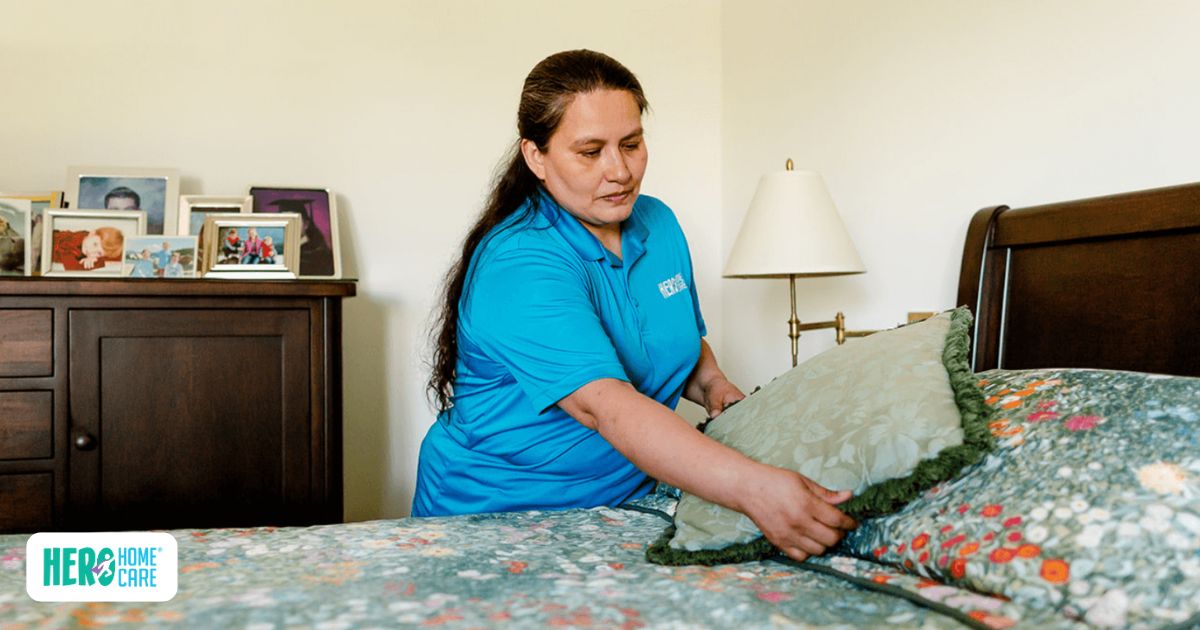
Why Personalized Senior Care Matters
A care arrangement works best when it reflects the person’s actual abilities, routines, preferences, and goals. Two seniors with similar diagnoses may need very different levels of assistance depending on mobility, memory, emotional well-being, home layout, and available family support.
Every senior has different physical needs.
Mobility, balance, pain, medication routines, and recovery needs vary from person to person. One senior may need help with stairs or bathing, while another may require transportation, meal preparation, or support after hospitalization. Personalized planning helps match assistance to the tasks that are genuinely difficult or unsafe.

Related: How to Start Home Care for Seniors for the First Time in North Vancouver?
Emotional and social needs also matter.
Loneliness, anxiety, reduced confidence, and sensitivity to noise or overstimulation can affect daily life as much as physical limitations. A personalized plan considers how much social interaction the person enjoys, which activities feel meaningful, and what communication style helps them feel comfortable.
Personalized care supports independence.
The purpose of personalized care is not to take over every task. It is to provide support where needed so seniors can continue making choices, following familiar routines, and participating in daily life at home with greater confidence and dignity.

Our Step-by-Step Care Planning Process at Hero Home Care
At Hero Home Care, personalized care planning begins with a consultation about the senior’s routines, health concerns, daily challenges, preferences, and family circumstances. These discussions help identify which services, schedule, and caregiver experience may suit the household, with the plan reviewed as needs change.
Step 1: In-Depth Initial Consultation
The process begins with a comprehensive care assessment focused on understanding the senior’s current living situation, medical background, and day-to-day habits. Intake discussions frequently include recent hospitalization history, medication timing, transportation limitations, fall history, and relatives’ availability throughout the week.
A senior lifestyle evaluation also examines how daily life already operates inside the home before any recommendations are made. Meal management, preferred wake-up hours, existing routines, religious or cultural expectations, and concerns about isolation or overnight safety all shape early planning discussions.
Step 2: Understanding Mobility and Daily Support Needs
The consultation considers how safely the senior walks, uses stairs, transfers, bathes, and moves through the home. Recent falls, pain, fatigue, mobility aids, and healthcare-provider instructions can help determine the appropriate visit schedule and the caregiver experience required.
Post-surgical weakness can create temporary nighttime movement concerns, particularly during bathroom trips or transfers. Reduced balance may also require shorter visits spaced more consistently throughout the week.

Related: When Elderly Parents Refuse Home Care: What You Can Do Next
Step 3: Understanding Cognitive and Emotional Needs
The consultation also explores memory changes, confusion, wandering concerns, emotional well-being, and how these needs affect daily routines and supervision. Dementia affects each person differently, including people living with Alzheimer’s disease.
Cognitive stimulation tolerance, emotional reassurance needs, and communication pacing are also considered during planning discussions. Extended conversation can become exhausting for some individuals, particularly later in the day.
Step 4: Learning Personal Preferences and Daily Routines
Small household habits frequently shape how comfortable someone feels receiving assistance. Breakfast timing, noise sensitivity, communication preferences, social habits, and reactions to rushed conversation can shape cooperation and engagement in meals, activities, and daily interaction.
Food preferences, sleep habits, religious observances, hobbies, and personality traits help determine how assistance is introduced without disrupting established household rhythms unnecessarily.
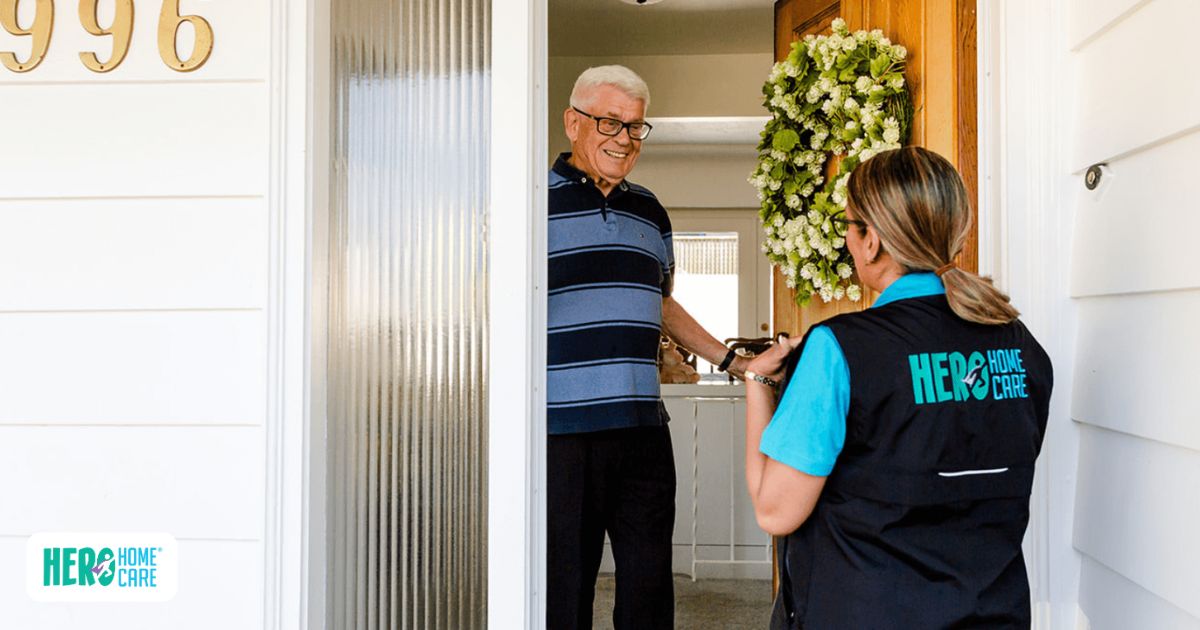
Step 5: Matching the Right Hero
Hero selection is based on compatibility factors beyond availability alone. Personality pacing, language preferences, dementia experience, transfer assistance background, and comfort with lower-stimulation environments all influence matching decisions.
A senior who prefers quiet routines may feel more comfortable with a calm, low-key caregiver, while households managing wandering behaviours may require personnel experienced with cognitive decline and nighttime supervision. Caregiver continuity may help build familiarity and trust, particularly when a senior feels anxious about bathing, meals, or other personal care routines.
Step 6: Creating a Flexible Care Schedule
Scheduling structures are built around how much involvement is required at different points of the day or week. Some households require only a few daytime hours, while others need overnight coverage, respite periods for relatives, or temporary escalation after hospitalization.
Fatigue patterns, medication management, rehabilitation pacing, and nighttime supervision needs all influence scheduling decisions. A senior recovering from surgery may begin with daily visits and overnight observation before transitioning to lighter coverage once walking endurance and transfer stability improve.
Step 7: Ongoing Monitoring and Care Plan Adjustments
Personalized care requires ongoing review as health, mobility, memory, routines, or family circumstances change. Reassessments may follow hospitalization, increased falls, appetite decline, worsening confusion, medication changes, overnight wandering, or reduced transfer stability.
Care updates, family feedback, and observations made during visits can all inform later adjustments. Visit frequency, level of caregiver support, overnight supervision, and medication-related oversight may be modified over time as new risks, physical limitations, or cognitive changes emerge inside the home.
Learn More: What Makes Our Home Care Services Unique?

How Personalized Care Plans Help Seniors Age Safely at Home
Personalized planning can make aging at home safer by identifying where support is most needed. This may include reducing fall risks, improving medication routines, supporting regular meals, arranging transportation, or providing assistance with bathing and mobility.
The plan can also reflect the home environment. Stairs, narrow walkways, bathroom access, lighting, and the placement of commonly used items may influence how care is organized.
As health or mobility changes, the level of support can be reviewed and adjusted. This allows seniors to remain in familiar surroundings without relying on a fixed arrangement that may no longer match their needs.
How Families Participate in the Care Planning Process
Families often provide important insight into the senior’s routines, health history, preferences, and recent changes. Their input can help clarify which tasks are becoming harder, what times of day require more support, and which approaches make the senior feel most comfortable.
After care begins, regular updates help relatives stay informed about changes in mobility, appetite, mood, sleep, daily routines, or other concerns observed during visits. Families can also share feedback about scheduling, caregiver compatibility, and whether the current plan remains practical.

Related: Daily Routine for Dementia Patients (Caregiver Guide)
This collaborative approach allows relatives to remain involved in decisions without having to manage every daily responsibility alone. When needs change, the family and care team can review the plan together and adjust the level or timing of support.
Personalized Home Care for Dementia and Complex Needs
Dementia care frequently involves adjusting interaction style, environmental stimulation, and amount of supervision needed according to how memory impairment affects behaviour throughout the day.
Memory-related conditions can significantly alter how someone responds to noise, rushed interaction, and environmental disruption. Late-afternoon confusion can make meals, bathing, and room-to-room movement harder to complete. Repetitive questioning, pacing, and withdrawal also become more noticeable once verbal input and sensory activity accumulate.
Agitation may build after prolonged overstimulation rather than result from one obvious trigger. Loud television volume, overlapping conversations, crowded visits, and rushed transitions can intensify agitation, especially during evening hours when mental fatigue becomes more noticeable. Reducing noise and using a calmer interaction pace may help ease distress for some people, particularly when overstimulation contributes to evening agitation.
Communication pacing becomes slower and more deliberate when memory impairment affects processing speed. Shorter instructions, calmer tone, reduced verbal overload, and additional response time frequently prevent resistance during dressing, bathing, or meals. Repeating instructions too quickly can increase agitation even when the original request was understood.
Dementia support may also require closer observation near entry doors, staircases, and during nighttime waking periods when wandering behaviour becomes more likely.
For example, if a person living with dementia becomes more restless after busy family visits, the care plan may be adjusted to reduce evening stimulation, simplify transitions, and maintain a calmer routine before bedtime.

Signs a Senior Needs a More Personalized Care Plan
Warning signs usually appear gradually rather than through one major incident. In many situations, early warning signs appear through overlooked tasks, repeated mistakes, or growing inconsistency.

Related: Home Care vs. Long-Term Care Facility: What’s the Difference?
- Frequent falls: Repeated stumbles, hesitation during transfers, bruising, or increased dependence on furniture for balance may indicate current oversight levels are no longer sufficient.
- Medication confusion: Missed doses, duplicate pills, incorrect timing, or uncertainty around prescriptions can signal growing difficulty managing medication independently.
- Isolation: Withdrawal from conversation, reduced interest in visitors, or spending long periods alone in one room may reflect declining engagement and rising emotional strain.
- Missed meals: Expired food, untouched groceries, weight loss, dehydration, or irregular eating habits frequently point to declining self-management capacity.
- Caregiver burnout: Exhaustion, sleep disruption, missed responsibilities, irritability, or difficulty maintaining coverage between relatives can indicate caregiving responsibilities becoming harder to maintain.
- Post-hospital decline: Reduced walking tolerance, increased fatigue, worsening confusion, or difficulty managing bathing and transfers after discharge can become difficult to manage safely without added help.
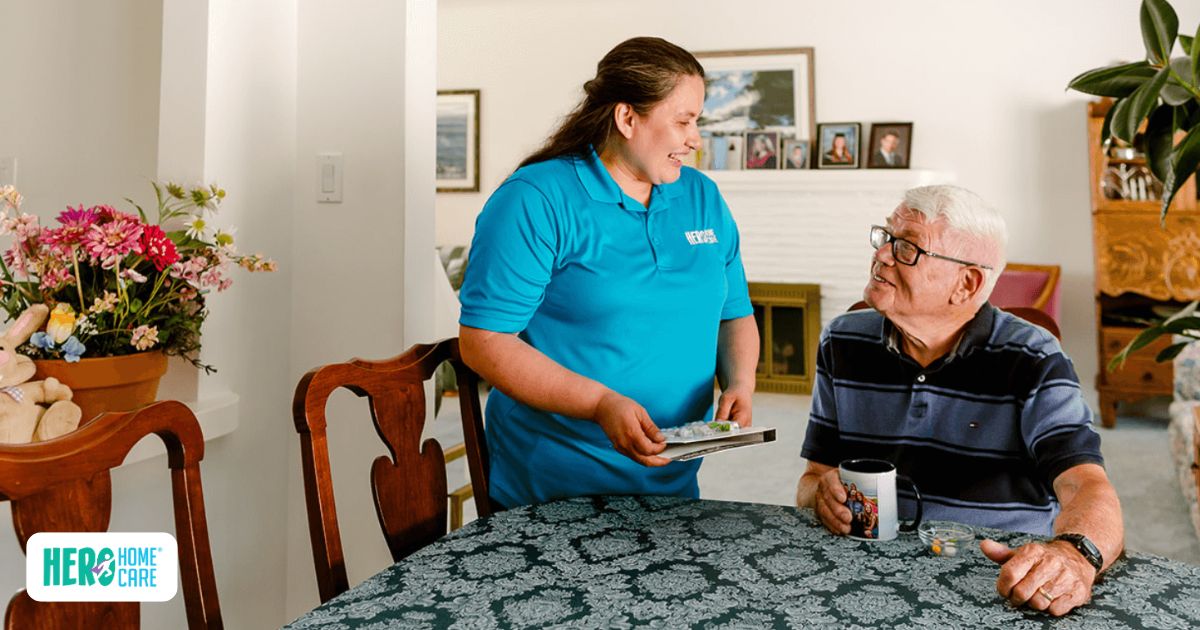
Why Families in North Vancouver Choose Hero Home Care
North Vancouver families often manage care across multi-level homes, steep properties, changing weather, hospital appointments, and busy family schedules. These local realities can affect transportation, visit timing, mobility support, and the transition home after hospitalization.
Hero Home Care creates personalized care plans around each household’s routines, priorities, and available family support. Care may begin with a few weekly visits and adjust as mobility, health needs, or family circumstances change.
Families can also receive support with caregiver matching, communication, scheduling, and coordination across services. An initial conversation can help clarify what level of assistance is practical and sustainable.
Personalized Care That Evolves With Your Family
A personalized home care plan should support more than today’s immediate tasks. It should protect dignity, encourage independence, and adapt as health, routines, and family circumstances change.
Hero Home Care works with North Vancouver families to create flexible support around each senior’s needs, preferences, and goals. A free in-home Care Consult can help families understand their options and determine an appropriate next step.