

Realizing a parent or partner may require help at home is rarely a straightforward moment. For many households, the shift happens gradually; missed medications, increasing fatigue after appointments, trouble keeping up with meals or housekeeping, or growing concern after a fall or hospital stay. Even when the situation seems obvious, deciding what to do next can still feel uncertain.
One of the biggest misconceptions about home care is that it begins with a major life change. In reality, many people start with limited involvement: a few visits each week, assistance after surgery, transportation assistance, or extra oversight while routines become harder to manage alone.
The schedule may expand, shrink, or change direction entirely depending on health, recovery, mobility, and household circumstances.
Starting earlier also gives relatives more time to make thoughtful decisions instead of reacting during a crisis. Getting started usually involves understanding what type of assistance makes sense, how much involvement is realistic, how to choose a reliable provider, and how to introduce in-home help in a way that still respects autonomy and familiar daily habits.
This guide explains how home care typically begins, how different situations are evaluated, what various forms of assistance actually involve, and what households should realistically expect during the early stages of arranging care.
For families in North Vancouver, providers such as Hero Home Care are part of the local network helping older adults remain in familiar surroundings while reducing pressure on relatives and daily routines.
Here is the Quick Answer:
Starting home care for the first time can feel confusing, especially when changes happen gradually. This guide explains how to recognize when additional involvement may be appropriate, what types of services exist, how scheduling typically works, and what to look for when comparing agencies in North Vancouver.
It also covers common mistakes, pricing factors, assessments, caregiver matching, and how well-structured home care can help older adults remain safer and more comfortable in familiar surroundings while reducing strain inside the household.
How do you know when it’s time to start home care for seniors?
The need for outside involvement rarely appears all at once. More commonly, small disruptions begin appearing across daily life: unopened mail piling up, missed medications, increasing fatigue after routine errands, forgotten appointments, or noticeable changes in hygiene and housekeeping.
Each issue on its own may not seem alarming. Taken together, they can point to growing difficulty handling everyday responsibilities consistently.
Memory-related concerns are frequently among the first changes relatives notice. A parent who once managed bills carefully may begin paying the same invoice twice or forgetting important dates entirely. Medication mistakes also become more common as schedules grow more complicated. Missing doses, taking extra pills accidentally, or struggling to refill prescriptions on time can quickly create larger medical concerns.
Physical changes often progress more subtly than many people expect. Balance problems, slower walking, difficulty climbing stairs, or trouble getting in and out of chairs may start subtly before progressing further.
Recovery after illness, hospitalization, or surgery can also take much longer than it once did. An older adult who once recovered quickly may now need extended time to resume cooking, bathing, transportation, or other routine activities.
Nutrition and social withdrawal are two warning areas that households frequently overlook. A refrigerator with expired groceries, repeated skipped meals, noticeable weight loss, or relying heavily on packaged food may indicate that preparing regular meals has become more difficult. Isolation can develop quietly as well, especially after losing a spouse or close friend. Someone who once attended community events regularly may stop answering calls, avoid outings, or spend long periods alone at home.
Emotional strain inside the household also matters. Adult children balancing work, parenting, and increasing responsibilities for an aging parent may begin feeling mentally stretched long before they acknowledge it openly. Spouses caring for one another sometimes reach a point where lifting, supervision, transportation, or overnight interruptions become physically unsustainable.
Waiting for a major emergency is rarely what leads households toward home care. More often, the decision comes after recognizing that smaller warning signs have been building for months.
Addressing concerns earlier often allows more time for planning, steadier routines, and less disruptive transitions later on. For a more detailed look at these warning patterns, you can also review these signs an aging parent may need help at home.

What types of home care services are available for seniors?
Home care is not a single type of service. Different forms of in-home help are designed for very different situations, ranging from occasional companionship visits to full overnight coverage. Understanding these categories helps families identify what level of involvement actually fits the situation instead of assuming full-time help is the only option.
Companionship Care
Companionship care is usually introduced when an older adult has become isolated, withdrawn, or less socially engaged after retirement, illness, or the loss of a spouse. The focus is less on physical tasks and more on conversation, outings, meal companionship, errands, and regular social interaction.
A parent who spends most days alone, stops attending activities, or rarely leaves the house may benefit from a few weekly visits even if they still manage many responsibilities independently.
Personal Care
Personal care involves direct hands-on help with bathing, dressing, grooming, toileting, walking, and other personal tasks that have become physically difficult or unsafe to manage alone.
This type of help is often introduced after surgery, during physical decline, or when balance problems begin affecting everyday activities. Someone recovering from a hip replacement, for example, may need temporary bathing and dressing help until strength and mobility improve.
Dementia Care
Memory-related conditions create challenges that go far beyond forgetfulness. Dementia care is structured around cognitive decline, confusion, wandering, medication mistakes, agitation, and changes in judgment.
Closer monitoring may become necessary when someone starts leaving appliances on, missing meals repeatedly, or waking during the night disoriented. In these situations, consistency and familiarity play a much larger role than they would with standard in-home assistance.
Respite Care
Respite care gives spouses or adult children temporary relief when they have taken on most responsibilities themselves. That coverage might last a few hours, overnight, or several days depending on the situation.
A husband caring for his wife with dementia every night, for instance, may eventually need scheduled breaks simply to rest, attend appointments, or recover physically himself.

Post-Hospital Care
Returning home after surgery, illness, or rehabilitation can create challenges that were not present beforehand. Walking safely, preparing meals, attending follow-up appointments, organizing prescriptions, and managing fatigue may suddenly require extra coordination.
Short-term post-hospital assistance is frequently arranged after falls, joint replacement surgery, strokes, or extended hospital stays. The goal is usually to stabilize recovery and reduce the likelihood of setbacks or readmission.
Overnight and Live-In Care
Nighttime coverage becomes more important when bathroom trips, wandering, confusion after dark, or fall concerns make being alone unsafe. In some households, interrupted sleep eventually becomes unsustainable for a spouse already providing most of the supervision.
Live-in arrangements involve a much higher level of ongoing presence and are more appropriate when extensive oversight is needed throughout the day and night. This level of coverage is more common with advanced dementia, major physical decline, or situations where living alone is no longer realistic.
Meal Preparation and Medication Reminders
Even limited help in specific areas can make a meaningful difference. Meal preparation is frequently introduced when cooking feels exhausting, unsafe, or neglected entirely. Repeatedly forgetting meals, relying heavily on packaged food, or noticeable weight loss are common warning signs.
Medication reminders are useful when prescriptions become harder to organize consistently or doses are being missed. Even limited oversight in these areas can prevent larger complications later.
For families comparing these options with residential living arrangements, this guide on home care vs long-term care facilities explains how the two approaches differ operationally and when each may become appropriate.

How to Start Home Care for the First Time Step by Step
Starting home care becomes easier when the decision is broken into clear steps. Rather than trying to solve everything at once, it helps to look at current challenges, speak with the older adult, compare options, and introduce services in a way that can be adjusted as circumstances shift.
Step 1 – Assess Your Loved One’s Needs
Begin by looking at how well your loved one is managing everyday functioning right now. This includes activities of daily living, such as bathing, dressing, toileting, and eating, as well as instrumental activities of daily living, such as cooking, cleaning, transportation, appointment follow-through, and medication organization.
It is also worth considering cognitive, social, and emotional factors. Are they remembering meals? Are bills and appointments being missed? Are they still leaving the house regularly? Has housework become noticeably harder to keep up with?
Relatives often underestimate the level of involvement required because they see only parts of the day. A short visit does not always reveal how hard mornings, evenings, or medication timing have become. Writing down specific observations for a week or two can make the picture clearer.
Step 2 – Talk With Your Loved One About Home Care
The first conversation should not feel like a decision being announced. Many older adults resist home care because they fear losing control, privacy, or the ability to make their own choices.
A more respectful approach sounds like: “I’ve noticed a few things have been harder lately, and I’d like us to talk through what might make the week easier.” That usually lands better than, “You can’t manage alone anymore.” Avoid language that sounds final, critical, or controlling.
Involving the older adult in the decision matters. They may have preferences about timing, gender, personality, activities, or what kind of arrangement feels acceptable. Families preparing for this discussion may find it useful to read more about communicating with elderly parents about home care.

Step 3 – Decide How Much Home Care Is Needed
The right amount of home care depends on the current level of risk, the household’s capacity, and how much hands-on help is required. Some people begin with a few hours a week for meals, errands, or personal care. Others require daily visits, overnight coverage, respite care, dementia-specific supervision, or post-hospital recovery assistance.
After surgery, short-term visits may cover bathing, meals, and transportation. Dementia-related nighttime waking, wandering, or missed medication often calls for a more structured schedule. A spouse handling every night alone may eventually require respite before exhaustion affects their own health.
Care hours are rarely fixed forever. Schedules are commonly adjusted after the first few visits once the agency and household understand what is actually working. For more intensive situations, review when 24-hour home care is necessary for seniors. If the main issue is relief for an existing family caregiver, compare respite care vs regular home care.
Step 4 – Research Home Care Providers Carefully
A strong agency should be able to explain how caregivers are screened, trained, insured, supervised, and matched with clients. Ask about background checks, experience with dementia or post-hospital recovery, emergency procedures, communication practices, and how concerns are handled after services begin.
Look beyond general promises. Reliable providers should have clear internal processes for care planning, schedule changes, quality checks, and family updates. If answers are vague, rushed, or heavily sales-focused, that is worth noting.
In North Vancouver, Hero Home Care is an example of a local provider that builds care around the senior’s household, preferences, and changing needs rather than applying one standard model to every situation.
Step 5 – Schedule a Home Care Assessment
A home care assessment is the first structured meeting where the agency learns what is happening, what level of involvement makes sense, and how the household currently operates. It may include the older adult, family members, and a care coordinator.
The discussion typically covers health conditions, mobility, memory, personal care, meals, medication routines, transportation, home setup, personality fit, and family expectations. The agency will also usually look at bathroom access, stairs, fall risks, and how daily tasks are currently being handled.
This first visit is not only about gathering information. It also helps both sides decide what kind of schedule, caregiver match, communication style, and care plan would be appropriate before services begin.
Step 6 – Start Slowly and Adjust Care Over Time
For many first-time families, beginning with limited hours is easier than introducing a large schedule immediately. A few visits per week give the older adult time to adjust to someone entering the home while giving family members a chance to see what works.
Early visits also reveal practical details that planning alone may miss. The caregiver might notice that mornings are harder than afternoons, meal preparation takes longer than expected, or personal care is easier with a different approach.
After services begin, the plan should be reviewed and adjusted. Hours can increase, decrease, or shift to different times of day as the household learns what is useful. Starting home care is not a single fixed decision; it is a working plan that should change when real life shows what actually works.

How to Choose the Right Home Care Service for Seniors
Choosing a home care provider involves more than comparing websites or hourly pricing. Reliable providers are usually organized, responsive, and clear about how services are managed before visits even begin.
Watch for Operational Red Flags
Early conversations reveal a great deal. If answers are vague, rushed, inconsistent, or overly sales-focused, that deserves attention. Direct answers around screening practices, emergency response, schedule disruptions, and supervision are often early indicators of how structured a provider actually is.
Frequent staffing turnover is another warning sign. Constantly rotating unfamiliar caregivers into a household can create frustration, confusion, and unnecessary disruption. Lack of transparency around pricing, unclear cancellation policies, or poor follow-up after inquiries may also point to weak internal coordination.
An assessment that feels hurried or generic should be taken seriously as well. A rushed intake process or generic recommendations may suggest the provider relies more on standardized scheduling than individualized planning.
Reliable Providers Usually Operate Transparently
Trustworthy providers are usually open about training standards, insurance coverage, reporting systems, and escalation procedures. They should also explain how situations such as cognitive decline, recovery after hospitalization, or mobility limitations are handled operationally.
Communication should also remain consistent after services begin. Delayed responses, unclear scheduling updates, or difficulty reaching coordinators can quickly create confusion once multiple relatives are involved in decision-making.
In North Vancouver, Hero Home Care is one example of a local provider that builds schedules and caregiver matching around the household’s routines, preferences, and changing circumstances.
Caregiver Matching Matters More Than Many People Expect
Skill and personality both influence how smoothly home care works. A strong match considers temperament, communication style, language preferences, mobility experience, cognitive conditions, and the older adult’s comfort level with receiving outside assistance.
Some households prefer a quieter caregiver with dementia experience, while others respond better to someone more conversational and socially engaging. A better match often leads to smoother routines, less resistance, and more comfortable day-to-day interaction over time.
Clear Communication Prevents Confusion
Before choosing an agency, ask how updates are shared and who serves as the main contact person. Family members should know:
- who communicates schedule adjustments
- how concerns are documented
- who to contact after hours
- how urgent medical changes are escalated
- how visit notes or updates are shared
Weak coordination systems usually create confusion quickly, especially when multiple relatives are involved in decision-making.

Emergency Preparedness Should Be Clearly Defined
Providers should be able to explain what happens during falls, missed visits, sudden health changes, or emergency hospital transfers. Organized escalation procedures are especially important when multiple relatives are coordinating decisions.
A provider does not need to sound dramatic to demonstrate preparedness. Clear answers and structured procedures are usually enough to show whether an agency operates professionally.
Quick Agency Evaluation Checklist
Before moving forward, households should confirm that the agency:
- carries proper insurance and licensing
- screens and trains staff appropriately
- has clear emergency procedures
- provides written care planning
- offers consistent staffing whenever possible
- communicates schedule or care updates promptly
The next section covers more detailed questions families can ask before moving forward with a provider.
What questions should you ask before hiring a home care agency?
Many agencies offer similar services on paper, which can make it difficult to know how they actually differ. Asking thoughtful questions during the consultation process can help families understand how care is delivered, how caregivers are supported, and whether the agency is a good fit for their situation.
For additional guidance, you may also find it helpful to review these questions to ask before hiring a caregiver before comparing providers.
Questions About Caregivers
The caregiver will often become one of the most important people involved in your loved one’s daily life. Understanding how caregivers are selected, trained, and supported can help families feel more confident about the relationship.
Consider asking:
- How are caregivers screened before they begin working with clients?
- What training do caregivers receive?
- Do caregivers have experience with dementia, mobility challenges, or post-hospital recovery?
- How does the agency match caregivers with seniors?
- Will the same caregiver visit regularly whenever possible?
Questions About Scheduling and Flexibility
Care needs often change over time. Families should understand how easily services can be adjusted as circumstances evolve.
Consider asking:
- How quickly can services begin?
- Can care hours be increased or reduced if needs change?
- What happens if a regular caregiver is unavailable?
- Are evening, overnight, weekend, or respite services available?
- How are schedule changes communicated?
Questions About Communication
Clear communication helps families stay informed and prevents confusion when multiple relatives are involved in decision-making.
Consider asking:
- Who will be the main point of contact?
- How are updates shared with family members?
- How are concerns or changes in condition reported?
- How quickly does the agency respond to questions?
- Can family members who live outside the area receive updates?
Questions About Safety and Emergencies
Families should understand how the agency responds when unexpected situations occur.
Consider asking:
- What happens if a senior falls during a visit?
- How are medical emergencies handled?
- What procedures are followed if a caregiver cannot attend a scheduled shift?
- How are urgent concerns communicated to family members?
- Are emergency protocols documented and reviewed regularly?
Questions About Dementia Care
If memory loss or cognitive decline is involved, it is important to understand the agency’s experience with dementia-related challenges.
Consider asking:
- Do caregivers receive dementia-specific training?
- How do caregivers respond to confusion, wandering, or resistance to care?
- How is information about behavioural changes communicated to families?
- How do you promote consistency and familiarity for clients with dementia?
Questions About Costs and Services
Understanding what is included can help families avoid surprises later.
Consider asking:
- Which services are included in the care plan?
- Are there minimum-hour requirements?
- How are cancellations handled?
- What factors influence the overall cost of care?
- How often is the care plan reviewed and updated?
No single agency will be perfect for every family. Comparing several providers, asking detailed questions, and paying attention to how clearly concerns are answered can make it easier to choose a service that feels trustworthy, responsive, and appropriate for your loved one’s needs.

How much home care do seniors usually need?
The amount of home care required depends on health, memory, physical stability, and how much relatives are realistically able to handle themselves. Some households only require occasional weekly visits, while others eventually require overnight or full-time coverage.
Occasional Weekly Assistance
For many older adults, outside involvement begins with a few visits each week. This level is common when someone is still largely independent but struggles with specific responsibilities such as meal preparation, transportation, housekeeping, or medication organization.
A parent recovering after knee surgery might only require temporary help with bathing and errands for several weeks. Another older adult may continue living alone safely but benefit from regular check-ins after becoming increasingly isolated following the loss of a spouse.
More Frequent Daytime Involvement
As balance problems, memory lapses, or fatigue become more noticeable, households often move toward more regular daytime coverage. Visits may occur most days of the week when meal preparation, dressing, transfers, or medication organization are no longer being handled reliably.
Repeated appointments, rehabilitation visits, or pharmacy trips can also increase the amount of coordination required throughout the week. Memory decline may also increase the amount of oversight required around meals, medications, and general safety.
Overnight Presence and Extended Coverage
Nighttime coverage becomes more common when bathroom trips, confusion after dark, interrupted sleep, or fall concerns begin affecting the entire household.
Repeated nighttime interruptions can become physically exhausting for spouses already managing most responsibilities alone. In these situations, overnight presence may reduce strain while improving response time if problems arise during the night.
When Around-the-Clock Presence Becomes Necessary
Twenty-four-hour coverage is generally introduced when someone can no longer remain alone safely for extended periods. Advanced dementia, repeated falls, severe frailty, or complicated medical conditions may all increase the need for continuous oversight.
In some cases, the issue is less about one diagnosis and more about cumulative strain after months of constant supervision and interrupted sleep.
Around-the-clock coverage does not always mean continuous hands-on activity. In many homes, the focus is availability, observation, and rapid response if problems arise.

Why Time Requirements Often Shift
Hours rarely remain fixed long term. Recovery after illness may reduce outside involvement over time, while progressive neurological conditions often increase supervision requirements steadily.
Even temporary illnesses can increase workload significantly. A fall, medication reaction, or infection may suddenly require additional daytime coverage, only for those hours to decrease again later.
The most effective approach is to review arrangements periodically instead of treating the initial setup as permanent. Smaller adjustments are often easier than waiting until exhaustion or medical complications force sudden changes.
How much does home care for seniors usually cost?
Home care pricing can vary substantially because daily demands differ widely from one living situation to another. One household may only require a few weekly visits for transportation and meal preparation, while another may involve nighttime supervision, mobility transfers, medication oversight, and continuous dementia-related monitoring.
Time requirements are one of the largest factors affecting overall pricing. Short daytime visits generally require fewer staffing resources than extended evening coverage or live-in arrangements.
Visit frequency also changes staffing requirements significantly. A household requesting occasional check-ins several times per week operates very differently from one requiring daily assistance across mornings, evenings, and weekends.
Cognitive decline tends to increase operational complexity faster than many relatives initially expect. Someone living with dementia may require repeated redirection, supervision during meals, monitoring for wandering, or reminders throughout the day. Even when mobility remains relatively strong, memory and judgment changes can create a much heavier workload than basic companionship alone.
Mobility limitations also influence overall workload because transfers, fall prevention, bathing assistance, and repositioning often require more direct physical effort. Transportation responsibilities can add additional hours as well, particularly when medical appointments, rehabilitation sessions, or pharmacy visits become frequent.
Post-hospital recovery creates another layer of variability. A short-term increase in hours after surgery or illness is common, especially during the first several weeks home. In some situations, hours decrease once strength and endurance improve. In others, temporary arrangements eventually expand because the original level of independence does not fully return.
Live-in arrangements function differently from hourly scheduling models. Instead of multiple short visits throughout the day, one caregiver remains present within the home for extended periods. These setups are generally considered when nighttime safety concerns, cognitive impairment, or advanced frailty make long gaps without oversight unrealistic.
Around-the-clock coverage also requires backup staffing coordination, shift rotations, and replacement personnel when regular staff members are unavailable.
Funding sources vary depending on insurance policies, long-term care benefits, veterans’ programs, employer health plans, or government-funded assistance where applicable.
Some households pay privately for all involvement, while others combine private payment with partial reimbursement or supplemental programs. Coverage details differ widely, so reviewing eligibility directly with insurers or case coordinators is usually necessary.
Focusing only on the lowest hourly rate rarely provides a full picture of sustainability. A sustainable setup usually depends on balancing staffing consistency, day-to-day demands, scheduling intensity, and changing routines in a way that remains manageable over time.

Common Mistakes Families Make When Starting Home Care
A common mistake is waiting until exhaustion, hospitalization, or a serious fall forces immediate action. Decline usually happens slowly, which makes it easy to normalize missed medications, skipped meals, mobility struggles, or increasing confusion. By the time outside involvement is finally arranged, decisions often feel rushed and far more stressful than they would have earlier.
Pricing can also distort decision-making. Lower rates do not automatically mean poor quality, but extremely cheap options sometimes come with inconsistent staffing, limited training, weak follow-up, or unreliable coverage.
At the same time, many households assume agencies operate similarly behind the scenes when there can be major differences in responsiveness, supervision, documentation, and after-hours coordination.
Another issue is treating the older adult as a passive observer instead of including them in discussions. Resistance tends to increase when decisions appear sudden or imposed. Compatibility matters as well. Even experienced Heroes may not work well with every personality, communication style, or pace of living, particularly when memory loss or anxiety is involved.
Confusion around responsibilities also creates tension later. Transportation, meal preparation, housekeeping, medication reminders, and overnight duties should be discussed clearly from the beginning instead of being assumed informally after visits begin. Most early problems are still fixable once expectations become clearer and routines settle into a more workable rhythm.

Can seniors stay independent while receiving home care?
One of the biggest concerns older adults express when home care is first introduced is the fear of losing control over their own lives. Many worry that accepting outside assistance means losing privacy, disrupting long-established habits, or relying too heavily on others. That fear is understandable, particularly for people who have managed their own households for decades.
In practice, home care is often much narrower and more targeted than people initially expect. A few hours of transportation, meal preparation, bathing assistance, or medication organization does not automatically remove decision-making or personal freedom. In many homes, the older adult continues choosing their own schedule, meals, activities, and routines while receiving help only in areas that have become difficult or unsafe to manage alone.
Resistance is also common at the beginning, especially when changes arrive suddenly after a fall, hospitalization, or noticeable memory decline. Some older adults interpret outside involvement as a sign that relatives no longer trust them. Others worry about strangers entering the house or becoming dependent on regular visits. Those concerns usually ease more gradually when the process remains collaborative and respectful rather than overly controlling.
Appropriate assistance can also reduce frustration around tasks that have quietly become harder over time. Someone who struggles carrying laundry downstairs may still enjoy cooking independently. Another older adult may continue gardening, reading, attending community activities, or seeing friends while receiving transportation coordination and medication reminders in the background. Removing pressure around exhausting or risky tasks often makes everyday life more manageable overall.
For many households, the broader purpose of home care is not to remove autonomy. The goal is usually to make everyday life more manageable while helping older adults continue participating in familiar routines, relationships, and decisions for as long as reasonably possible.
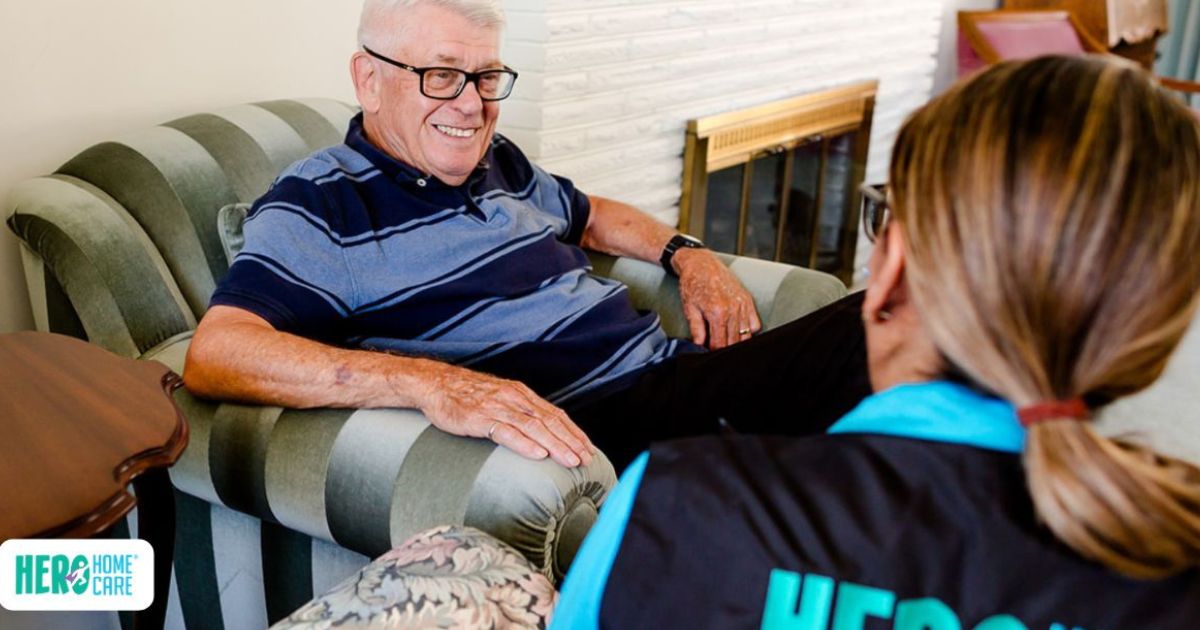
Why Families in North Vancouver Choose Professional Home Care
Many older adults in North Vancouver want to remain in their own homes for as long as possible, even as mobility, memory, or recovery challenges begin affecting everyday life. Professional home care is frequently introduced not to replace relatives, but to make daily coordination more sustainable when transportation, meal preparation, supervision, or personal tasks start requiring more time than one household can realistically manage alone.
Local familiarity also plays a larger role than many people initially expect. Traffic patterns, steep driveways, apartment access, winter weather, and the distance between North Shore neighbourhoods can all affect scheduling and reliability.
Agencies with established North Vancouver experience are often better prepared to coordinate around those practical realities while maintaining regular communication with relatives who may not always live nearby.
Continuity matters as well. Repeatedly rotating unfamiliar staff can create tension and confusion, particularly for older adults who already feel uneasy about accepting outside involvement. Seeing the same faces regularly allows routines to develop more naturally, and smaller changes in appetite, energy, mobility, or mood are easier to notice when visits remain consistent.
Hero Home Care, for example, emphasizes personalized care plans and ongoing communication so schedules and responsibilities can adjust more smoothly as circumstances shift.
Tonye, one of Hero Home Care’s North Vancouver Heroes, worked with an older adult recovering after a hospital stay who had begun avoiding morning routines because dressing and meal preparation had become exhausting. After several weeks of regular visits, mornings became more structured and less rushed. The older adult remained actively involved in choosing meals and daily activities, while relatives no longer needed to reorganize their workdays around every appointment and medication reminder.
Professional home care is often chosen not because relatives want to step away from responsibility, but because day-to-day coordination becomes easier to handle when dependable outside involvement, clearer structure, and familiar routines are shared more consistently across the household.
Final Thoughts: Starting Home Care Doesn’t Have to Feel Overwhelming
Beginning home care rarely happens through one major decision. More often, it starts with noticing that certain responsibilities are becoming harder to manage consistently, then introducing practical outside involvement in small, workable ways. A few weekly visits, transportation assistance, or short-term recovery coverage may eventually expand into broader coordination as circumstances change.
Earlier planning usually creates more flexibility than waiting for a crisis. Clear expectations, realistic scheduling, and steady communication between everyone involved can make day-to-day life feel far less chaotic while helping older adults remain in familiar surroundings longer. Once the process is broken into smaller decisions, it often becomes much easier to navigate thoughtfully.
Families in North Vancouver who are unsure where to begin can contact Hero Home Care for a care consultation and practical guidance on the next step.