

Sharing caregiving with siblings rarely starts from a blank slate. It’s shaped by family history, distance, personality, and long-standing roles that existed long before caregiving entered the picture. Old patterns often resurface just when decisions start to matter most.
For many families, one sibling naturally becomes the point person. Sometimes it’s because of proximity, sometimes availability, and sometimes because they’ve always been the one who steps in. Over time, that imbalance can feel heavy, especially when decisions, coordination, and emotional labour quietly land on one person’s shoulders.
This blog looks at why sharing caregiving duties can feel so complicated, even among caring siblings. It explores the emotional and practical realities behind uneven roles, the tension that can build when expectations aren’t aligned.
The focus isn’t on fairness or sacrifice, but on finding a way forward that can actually last.
If your family is in North Vancouver, flexible home care support from Hero Home Care can also take pressure off siblings when coordinating care starts to feel overwhelming.
Here is the Quick Answer:
Sharing caregiving with siblings is rarely simple. Family history, distance, and long-standing roles often shape who takes on responsibility, which can lead to imbalance, tension, and fatigue over time. Clear communication, realistic expectations, and agreed-upon roles help caregiving feel steadier and protect sibling relationships.
When family effort alone isn’t enough, shared professional support can ease pressure and reduce decision fatigue without replacing the family’s role. Caregiving works best when responsibility is distributed in a way that fits each sibling’s capacity, so no one person carries the weight alone.

Why Sharing Caregiving Duties With Siblings Is Important
When caregiving rests on one person, the weight often extends far beyond the tasks themselves. It shows up in the constant decision-making, the mental tracking of appointments and needs, and the quiet pressure of feeling solely responsible if something goes wrong.
Sharing caregiving duties helps spread that load in ways that benefit everyone involved. When responsibility is distributed, care tends to feel steadier rather than reactive. Small contributions (such as handling appointments, checking in regularly, or coordinating schedules) can ease stress for the primary caregiver and create more continuity for the parent receiving care.
Care quality improves not because anyone is doing more, but because no one is stretched too thin.
Equally important, shared caregiving can protect sibling relationships. When one person carries most of the responsibility, resentment and misunderstanding can build quietly. Sharing the role creates space for clearer communication. It preserves relationships that might otherwise become strained under the weight of unspoken expectations.
Recognizing the importance of shared caregiving isn’t about assigning blame or forcing equal involvement. It’s about acknowledging that caregiving is demanding work and that sustaining it over time is far more possible when it isn’t carried by one person alone.
How to Divide Caregiving Duties Fairly Among Siblings
When sharing caregiving with siblings, ‘fair’ rarely means equal time or identical tasks. It works best when roles match each sibling’s capacity, proximity, and strengths.
Start by listing what care actually involves right now. Many families underestimate the hidden workload until it’s written down. Include medical tasks, household support, emotional support, transportation, admin work, and check-ins.
Then divide responsibilities using a simple structure:
- Care lead: coordinates the overall plan, updates everyone, and keeps information organized
- Medical point person: appointments, prescriptions, care notes, and follow-ups
- Logistics lead: groceries, transportation, home safety needs, supplies
- Finance/admin support: insurance, billing, paperwork, scheduling services
- Emotional support/check-ins: regular visits or calls focused on companionship and connection
To keep things steady, choose a coordination system everyone can access:
- A shared calendar for appointments and visits
- A group chat for quick updates (not decision-making)
- A shared note or document for key information (meds, contacts, routines)
Finally, agree on a review rhythm. A short check-in every two to four weeks helps the plan stay realistic as needs change. When roles are clear and revisited over time, “fair” starts to feel workable instead of theoretical.

Common Challenges When Sharing Caregiving With Siblings
Sharing caregiving duties often brings long-standing family dynamics to the surface. Differences in communication styles, decision-making, or expectations can become more pronounced once care is involved. What one sibling sees as necessary involvement, another may see as overstepping or not enough.
Time and distance also play a major role. Siblings who live nearby may take on more visible, hands-on responsibilities. At the same time, those farther away may contribute in less obvious ways. When these differences aren’t openly acknowledged, assumptions can quietly form, often around effort, commitment, or fairness.
Learn More: How to Care for Aging Parents Who Live Far Away
Emotional strain can complicate things further. Caregiving may revive old roles or unresolved feelings, especially if responsibilities were never clearly discussed. One sibling may feel obligated to step in, while another may feel unsure how to help or hesitant to get involved.
Disagreements often arise not because siblings don’t want to help, but because caregiving adds pressure to relationships that already carry history. Recognizing these challenges as common, rather than as signs of failure, can help families approach shared caregiving with more patience, clarity, and empathy for one another.
Communication Tips for Sharing Caregiving With Siblings
When caregiving is shared, communication often matters more than logistics. Many tensions arise not from the work itself, but from assumptions left unspoken about who will do what, how often, and with how much flexibility. Clear, steady communication helps prevent small misunderstandings from quietly turning into resentment.
Honest conversations work best when they focus on capacity rather than commitment. Talking openly about what each sibling can realistically handle, given work, distance, health, or family responsibilities, creates room for cooperation without guilt. Naming expectations early helps caregiving feel more intentional as needs change.
Conflict is easier to manage when it’s addressed before it hardens. Misunderstandings often come from different caregiving styles or priorities, not from a lack of care. Naming those differences without rushing to fix them can reduce defensiveness and create understanding.
The Lee family shared how tension began to ease after they shifted the tone of the conversation. After weeks of frustration, a short check-in call changed things. Each sibling shared what felt manageable and what didn’t. No one left with a perfect plan, but they left with clarity, and that alone made working together feel possible again.
Effective communication isn’t about finding the right words once. It’s about creating a rhythm of conversations where expectations, limits, and support can be discussed without turning caregiving into a scorecard.
When siblings talk openly, caregiving becomes something they navigate together, rather than something one person carries alone.

When Sibling Disagreements Arise: How to Resolve Conflicts
Disagreements are a natural part of shared caregiving, especially when decisions carry emotional weight and time feels limited.
Differences in opinion don’t mean siblings care less; they often reflect different perspectives on risk, responsibility, or what “good care” looks like. Recognizing conflict as part of the process often makes it easier to address without assigning blame.
Resolution usually begins with compromise rather than consensus. Instead of trying to agree on every detail, many families focus on what matters most in the moment: safety, continuity, or reducing strain on one person. Small adjustments, revisited over time, often work better than all-or-nothing decisions.
When conversations stall, involving a neutral third party can help. This might be a trusted family friend, a healthcare professional, or a mediator who can refocus the discussion on shared goals rather than past disagreements. An outside voice can soften dynamics that feel stuck and bring clarity without taking sides.
Addressing tension early is also important. Unresolved conflict can quietly increase stress, drain energy, and make caregiving feel heavier for everyone involved. Naming disagreements respectfully before frustration turns into withdrawal helps protect sibling relationships. It keeps the focus where it belongs: on the well-being of the parent and the family as a whole.
Resolving conflict isn’t about winning an argument; it’s about maintaining connection while navigating a demanding situation together, with care for each other and for the person at the center of it all.

How Hero Home Care Can Support You in Managing Caregiving Duties
When caregiving responsibilities fall unevenly between siblings, tension often comes from uncertainty as much as workload.
Questions about who is available, who decides, and who carries the risk can quietly drain energy and strain relationships. In these moments, outside support can help by introducing steadiness into a system that feels emotionally uneven.
Hero Home Care supports families by taking on specific parts of care that often cause the most friction between siblings. Support such as companionship care during predictable hours, personal care services for routines that require consistency, or medication management that removes guesswork can reduce the need for siblings to renegotiate responsibilities day after day.
When support is consistent, siblings spend less time renegotiating tasks and more time staying aligned. Families can start with a Care Consult and an introductory meeting, so your parent can meet a caregiver first and support can begin gradually.
That steadiness often changes how siblings relate to one another. With some responsibility shared outside the family, the emotional temperature lowers. Conversations shift away from tracking tasks or defending effort, and toward staying connected and aligned, especially when siblings live in different places or have unequal availability.
The Roy family noticed the shift slowly. Mornings used to begin with texts between siblings checking who could stop by, who remembered medications, and who was “on” that day. After support was put in place, those messages became less urgent. Care was happening predictably. The siblings still checked in, but without the same edge or pressure to prove involvement.
For families navigating imbalance and decision fatigue, Hero Home Care helps stabilize daily care so siblings don’t have to manage everything themselves. By carrying part of the responsibility consistently and professionally, care becomes something the family can rely on, freeing siblings to focus on their roles as family, not just caregivers.

Establishing a Care Plan: How to Work Together as a Family
When caregiving is shared, clarity often matters more than good intentions. A care plan gives siblings a shared reference point, something everyone can return to when questions, stress, or uncertainty arise. Rather than relying on memory or assumption, the plan helps make responsibility visible and agreed upon.
At its core, a care plan outlines what the senior needs and how those needs are met day to day. This can include medical considerations, daily living activities, emotional support, and any routines that help life feel stable. Naming these elements together helps siblings move from reacting in the moment to understanding the full picture of care.
Just as important is defining who is responsible for what. When roles are clear, whether that’s coordinating appointments, checking in regularly, or handling specific tasks, care no longer depends on one person filling every gap. A shared plan reduces confusion, limits repeated conversations, and helps prevent resentment from building quietly.
Care plans also create flexibility. As needs change, the plan can be revisited and adjusted without reopening old disagreements. Instead of renegotiating responsibility under pressure, siblings can adapt together with a sense of continuity.
Working from a shared care plan doesn’t make caregiving rigid. It makes it steadier. By aligning expectations and responsibilities, families are better able to meet their parent’s needs while protecting both sibling relationships and individual capacity over time.
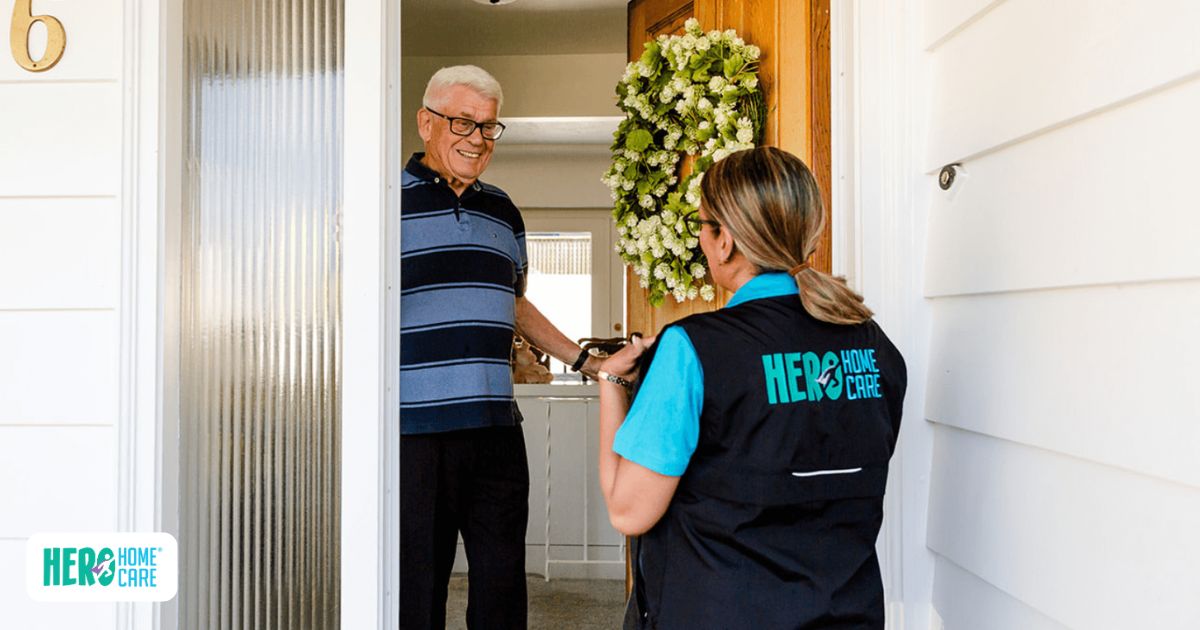
When It’s Time to Get Professional Help: Knowing When to Seek Support
There are moments when family caregiving begins to feel less collaborative and more strained. This often happens not because anyone has failed, but because the situation has grown more complex than what siblings can reasonably manage on their own. Recognizing that shift early can help protect both care quality and family relationships.
One sign is when caregiving begins to take a physical or emotional toll that doesn’t ease, even after siblings try to redistribute tasks or talk things through.
Another is when a parent’s needs increase in ways that require more consistency, coordination, or presence than the family can provide. In some cases, tension between siblings becomes the clearest signal when disagreements stall decisions or make care feel fragmented rather than steady.
Seeking professional support at these points isn’t about stepping away from family care; it’s about strengthening it.
Outside help can relieve pressure, introduce continuity, and reduce the emotional load that builds when responsibility is uneven or unclear. It often removes the need for siblings to constantly coordinate, negotiate, or fill in gaps at the last minute. For many families, professional care becomes a way to move forward together rather than continue negotiating limits.
Choosing to bring in professional support reflects awareness, not weakness. It acknowledges that caregiving evolves and that having consistent help in place can preserve energy, reduce conflict, and allow families to stay connected without carrying everything themselves.
Conclusion: How to Make Shared Caregiving Work for Your Family
Shared caregiving works best when it’s grounded in clarity, communication, and respect for everyone’s capacity. Dividing responsibilities thoughtfully, naming expectations openly, and acknowledging long-standing family dynamics can reduce tension and make care feel steadier over time. When siblings are aligned even imperfectly, care becomes less about keeping score and more about supporting a parent together.
There may also be moments when family effort alone isn’t enough to keep caregiving sustainable. In those cases, involving professional support can help rebalance responsibility and ease decision fatigue, allowing siblings to stay connected as a family rather than becoming stuck in constant negotiation.
If and when your family is ready to explore that kind of shared support, Hero Home Care is available as a steady, local option that fits alongside family care rather than replacing it.