
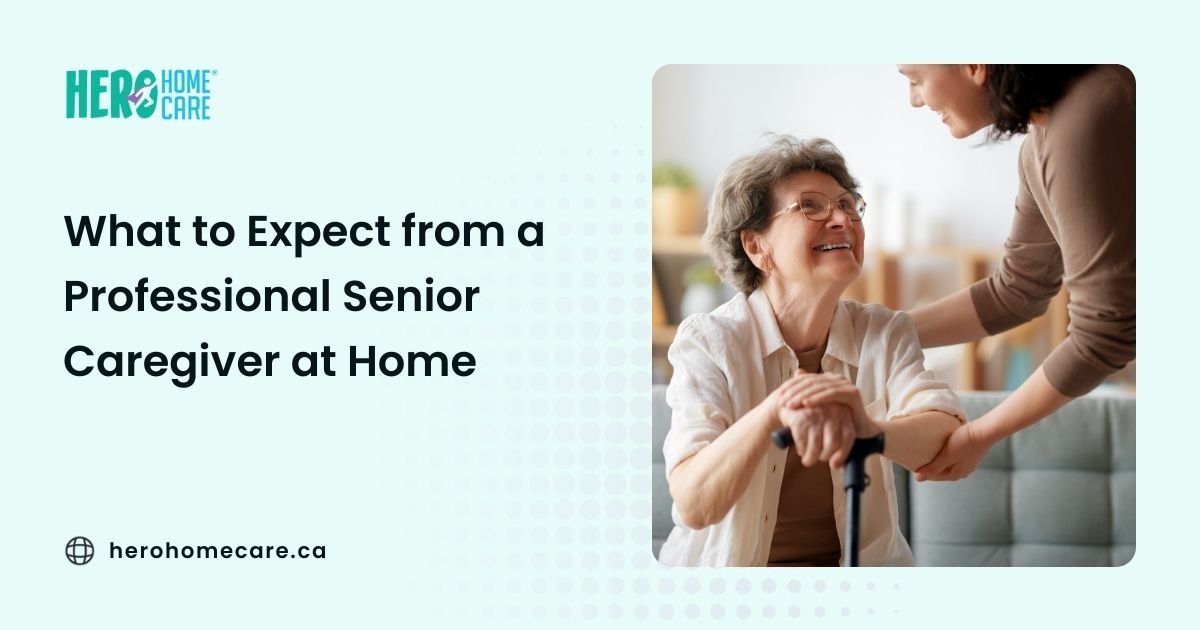
Caregiving for seniors is about much more than helping with physical tasks; it’s also about providing critical emotional support that helps maintain a sense of dignity, comfort, and connection. Whether it’s helping with daily routines, offering companionship, or managing healthcare needs, caregivers play a vital role in ensuring that seniors feel safe, valued, and supported.
In North Vancouver, Hero Home Care provides professional in-home care that focuses on the whole person, not just their medical needs. Caregivers are dedicated to creating a nurturing environment, offering practical assistance and compassionate companionship to promote seniors’ overall well-being.
This guide will walk you through a typical day for a senior’s caregiver, highlighting the responsibilities, challenges, and rewards of this important role.
Here is the Quick Answer:
A senior’s caregiver supports much more than daily tasks. From morning routines and medication management to emotional support, dementia care, and end-of-life comfort, caregivers play a vital role in a senior’s safety, dignity, and well-being, while also supporting families every step of the way.
Typical Morning Routines of a Senior’s Caregiver
A caregiver’s morning begins by helping the senior feel comfortable, safe, and ready to start the day. This often means checking how the night went, paying attention to mood and energy levels, and moving at a pace that feels calm rather than rushed. Familiar routines, waking up at the same time, using the same phrases, or following a predictable order can help create a sense of ease, especially in the early hours.
Morning support is always adapted to the senior’s health and abilities. For someone with mobility limitations, a Hero may focus on steady assistance with getting out of bed, dressing, or moving safely through the home. For seniors living with dementia or chronic illness, consistency and gentle reassurance become especially important. Clear communication and patience help reduce confusion and set a positive tone for the rest of the day.
Tonye, one of our Heroes, shared that mornings often shape everything that follows. “If we take a few extra minutes to sit together before starting the routine,” she explained, “the whole day feels steadier.” This kind of presence reflects why Hero Home Care looks for Heroes, not just caregivers, people who understand that how care begins can matter just as much as what gets done.
Assistance with Waking Up and Personal Care
Helping a senior wake up and begin their day safely is one of the most important parts of a caregiver’s role. This often starts with gentle support getting out of bed, making sure movements are steady and balanced to reduce the risk of falls. Caregivers adjust their approach based on the senior’s mobility, energy level, and comfort, allowing extra time when needed.
Personal care tasks such as dressing, brushing teeth, bathing, or showering are handled with respect and sensitivity. Caregivers encourage independence wherever possible, stepping in only where support is needed. Maintaining dignity and privacy during these routines helps seniors feel confident and comfortable throughout the day.
By offering consistent, attentive assistance during these early moments, caregivers help seniors feel prepared, secure, and supported, setting a steady foundation for the rest of the day.

Medication Management
Supporting medication routines is a key part of a caregiver’s day. Caregivers help seniors follow prescribed schedules accurately, offering reminders and assistance to reduce confusion or missed doses. This steady oversight is especially important when multiple medications or specific timing instructions are involved.
A customer named Sally shared that medication had become one of her biggest concerns for her mother. “She never meant to miss anything,” Sally explained. “But some days she couldn’t remember if she’d already taken her pills.” With daily support in place, medications were taken on time and noted consistently, which brought Sally peace of mind and helped her mother feel more secure in her routine.
Caregivers also stay alert to changes in how seniors respond to medications, watching for shifts in energy, appetite, or comfort. These observations help families stay informed and support safer, more consistent care as part of everyday life.
Preparing and Serving Breakfast
Breakfast is often the first opportunity of the day to support both nutrition and routine. Caregivers assist with preparing and serving meals that align with the senior’s dietary needs, preferences, and any medical recommendations. This may include diabetic-friendly options, low-sodium meals, or heart-healthy choices designed to support overall wellness.
Caregivers also pay attention to appetite, hydration, and energy levels in the morning. For some seniors, encouragement or extra time is needed to eat comfortably, while others may enjoy being involved in simple meal preparation tasks. These moments can create a sense of normalcy and independence, turning breakfast into a calm, supportive start to the day rather than a rushed task.
By tailoring meals to individual needs and routines, caregivers help ensure seniors begin their day nourished, comfortable, and ready for what comes next.

Responsibilities and Support Throughout the Day
As the day unfolds, a caregiver’s role expands beyond morning routines into steady, responsive support that adapts to the senior’s needs in real time. Throughout the day, caregivers balance practical assistance with attentive presence, helping seniors stay comfortable, engaged, and safe while respecting their independence.
Daily responsibilities vary based on health conditions, energy levels, and personal preferences. Some days may involve more hands-on support, while others focus on companionship, observation, and gentle encouragement. What remains consistent is the caregiver’s role in creating structure, monitoring well-being, and responding thoughtfully as needs change.
This ongoing support helps seniors maintain familiar routines and gives families confidence that their loved one is being cared for with patience, attentiveness, and respect.
Companionship and Emotional Support
Beyond physical tasks, caregivers play an important role in supporting a senior’s emotional well-being. Through regular conversation, shared activities, and simple moments of connection, caregivers help seniors feel heard, valued, and less alone throughout the day.
Companionship can take many forms, such as talking over a cup of tea, reminiscing about familiar memories, or offering quiet reassurance during moments of uncertainty. These interactions often help reduce feelings of isolation and create a sense of continuity and comfort. By being consistently present and attentive, caregivers support not only daily routines but also the emotional stability that allows seniors to feel more at ease in their own homes.
Personal Care and Grooming
Personal care and grooming are handled with care, respect, and attention to dignity. Caregivers assist with tasks such as dressing, grooming, and maintaining daily hygiene in a way that supports comfort and preserves independence wherever possible.
Each routine is adapted to the senior’s preferences and abilities. Some may need hands-on assistance, while others benefit from gentle reminders or setup support. By moving at a comfortable pace and maintaining privacy, caregivers help seniors feel confident and at ease, reinforcing a sense of normalcy and self-respect throughout the day.

Meal Preparation and Nutrition
Caregivers play an important role in supporting a senior’s nutrition throughout the day. This includes planning, preparing, and serving meals that align with dietary needs, health conditions, and personal preferences. Meals may be adjusted for specific requirements such as low-sodium, diabetic-friendly, or heart-conscious diets.
In addition to preparation, caregivers help ensure meals are eaten safely and comfortably. They may offer reminders to eat, assist with portioning, or encourage hydration between meals. By paying attention to appetite and energy levels, caregivers can notice changes that may need to be shared with family members or healthcare providers.
Consistent, thoughtful meal support helps seniors maintain strength, energy, and overall well-being, while also preserving familiar routines around food and mealtimes.
Medication Management and Monitoring Health
Medication management and health monitoring are ongoing responsibilities that require accuracy, consistency, and close attention. Caregivers help ensure seniors follow prescribed routines while also keeping an eye on subtle changes that may affect overall health.
This support often includes:
- Medication reminders and assistance, ensuring medications are taken at the correct times and according to specific instructions.
- Tracking routines, such as noting when medications are taken to reduce confusion or missed doses.
- Observing responses, including changes in mood, appetite, energy levels, or physical comfort that may signal side effects or concerns.
- Basic health monitoring, such as checking blood pressure or blood sugar levels, may be included as part of the care plan when appropriate.
- Communication with families or healthcare professionals, sharing observations that may require follow-up or adjustment to care routines.
By combining careful observation with consistent routines, caregivers help support both safety and continuity of care. This level of attentiveness allows potential concerns to be identified early and addressed before they become more serious, contributing to steadier health and greater peace of mind for everyone involved.

Dementia Support & Alzheimer’s Care
Supporting seniors living with dementia or Alzheimer’s requires patience, structure, and a calm, reassuring presence. Caregivers help by maintaining familiar routines, offering clear cues, and engaging seniors in simple, memory-supporting activities that feel comforting rather than overwhelming.
Safety remains a focus throughout the day. Caregivers stay attentive to wandering risks, moments of confusion, or shifts in behaviour, adjusting the environment gently to reduce anxiety. When distress arises, reassurance and steady communication help seniors feel grounded and secure.
A Hero named Shireen supports Helen, a senior living with early Alzheimer’s who often feels anxious in the afternoons. “We slow things down,” Shireen explains. “Sometimes we look through old photos or listen to music Helen recognizes. It’s not about correcting confusion, it’s about helping her feel safe in the moment.”
Through consistency, observation, and compassion, caregivers provide meaningful support that helps seniors with dementia experience calmer, more reassuring days while preserving dignity and comfort.
Providing Transportation and Social Engagement
Caregivers often support seniors by helping them get where they need to go safely and comfortably. This can include transportation to medical appointments, social gatherings, errands, or community activities. Having reliable assistance removes many of the barriers that can prevent seniors from leaving the house, especially when mobility or confidence is limited.
Beyond transportation, caregivers play an important role in encouraging social engagement. By accompanying seniors to activities or helping them maintain regular outings, caregivers support emotional well-being and help reduce feelings of isolation. Even simple trips such as visiting a café, attending a group activity, or running errands can provide meaningful opportunities for connection and routine.
Through steady support and encouragement, caregivers help seniors remain active participants in their communities, reinforcing both independence and a sense of belonging.
Nursing Care
When nursing support is part of a senior’s care plan, caregivers help carry out clinical tasks that support health stability and continuity of care. This may include assisting with prescribed treatments, performing basic wound care, and monitoring vital signs such as blood pressure or blood sugar levels, as directed by healthcare professionals.
Caregivers also observe changes in condition, such as swelling, discomfort, changes in skin integrity, or shifts in energy, and document or communicate these observations to family members or medical teams. This ongoing monitoring helps ensure concerns are addressed early and care remains aligned with medical guidance.
By combining hands-on nursing support with attentive observation, caregivers help seniors feel secure while supporting consistent, well-coordinated care throughout the day.

End-of-Life Care
End-of-life care focuses on comfort, dignity, and emotional support during one of life’s most sensitive stages. Caregivers provide calm, compassionate presence, helping seniors feel as comfortable as possible while respecting personal wishes and routines. This may include assisting with positioning, supporting rest, and helping manage pain or discomfort as directed by healthcare professionals.
Caregivers also play an important role in supporting families during this time. By offering steady reassurance, clear communication, and practical help, they help ease some of the emotional and physical strain families may be experiencing. Caregivers work closely with hospice teams and other healthcare providers to ensure care remains coordinated and aligned with the senior’s needs.
Through attentiveness, patience, and respect, caregivers help create a supportive environment where seniors and their loved ones feel cared for, understood, and supported during this deeply personal period
End of Day Routines for a Senior’s Caregiver
As the day comes to a close, caregivers focus on helping seniors transition into the evening with comfort, calm, and a sense of security. Evening routines are designed to slow the pace, reduce stimulation, and support rest, while still addressing health and safety needs. Just as in the morning, these routines are adapted to the senior’s habits, preferences, and medical considerations to ensure the day ends on a steady, reassuring note.
Nighttime Personal Care
Evening personal care helps seniors prepare for rest while maintaining comfort and dignity. Caregivers assist with tasks such as bathing, brushing teeth, washing up, and changing into nightwear, moving at a calm, unhurried pace that supports relaxation rather than stimulation.
These routines are adapted to individual needs. Some seniors may prefer a full evening bath, while others are more comfortable with a simple wash and fresh clothing. Caregivers respect these preferences and encourage independence wherever possible, stepping in only where support is needed. By keeping nighttime care consistent and gentle, caregivers help seniors feel settled, comfortable, and ready for sleep.

Ensuring Comfort and Safety for Sleep
Before bedtime, caregivers help create an environment that supports comfort and restful sleep. This includes ensuring the senior is comfortably positioned in bed, with pillows, blankets, and mobility aids arranged to prevent strain or discomfort.
Caregivers also check that safety measures are in place. Night lights may be turned on to improve visibility, pathways are cleared to reduce fall risk, and items such as glasses, water, or call devices are kept within easy reach. For seniors who use safety equipment like bed rails, caregivers ensure everything is secure and properly positioned.
By taking these thoughtful steps, caregivers help seniors feel safe and at ease, allowing them to settle into the night with confidence and comfort.
Emotional Impact of Caregiving: What to Expect
Caregiving has a meaningful emotional dimension alongside its physical responsibilities. As caregivers support seniors with daily routines and health needs, they also help manage emotional well-being by offering reassurance, patience, and steady presence.
Many seniors experience moments of uncertainty, frustration, or vulnerability as their needs change, and caregivers play an important role in responding calmly and thoughtfully to those emotions.
Through consistent routines, attentive listening, and quiet companionship, caregivers help seniors feel supported and understood. They also remain alert to changes in mood or behaviour, adjusting their approach when needed and communicating concerns with families or healthcare professionals.
By addressing emotional needs alongside physical care, caregivers help create a more balanced and reassuring experience for seniors and their loved ones.

Building Trust and Bonding with Seniors
Trust between a caregiver and a senior develops gradually through consistency, patience, and genuine presence. By showing up reliably and respecting personal routines, caregivers create a sense of familiarity that helps seniors feel more at ease. Over time, this steady approach allows seniors to feel comfortable expressing their needs, preferences, and concerns.
As the relationship strengthens, care often becomes more effective. Seniors who feel understood are more likely to engage in daily routines, accept support, and communicate openly. This emotional bond supports not only comfort and dignity but also a higher quality of care, where support is shaped around the individual rather than simply completing tasks.
Compassionate Care for Seniors with Dementia
Supporting seniors living with dementia or Alzheimer’s requires a thoughtful, compassionate approach. Caregivers are trained to respond with patience and empathy, understanding that changes in behaviour are often expressions of confusion, fear, or frustration rather than intentional actions.
Caregivers use gentle strategies to support seniors, such as maintaining familiar routines and communicating clearly. By staying calm and observant, they reduce anxiety and offer reassurance during difficult moments, helping seniors with cognitive changes feel safer and more understood.
Supporting Family Members of Seniors
Caregiving extends beyond supporting the senior alone; it also includes caring for the family members involved. Caregivers help ease family concerns by providing regular updates, sharing observations, and offering guidance as needs change. This communication helps families feel informed and reassured, especially when they cannot be present every day.
Caregivers may also help families navigate routines, changes in condition, or next steps in care, offering a steady point of contact during uncertain moments. By supporting both the senior and their family, caregivers help create a more coordinated, confident care experience that reduces stress and fosters trust on all sides.

What to Expect from a Professional Caregiver
A professional caregiver brings more than practical assistance into a senior’s home. Families can expect qualities such as empathy, reliability, and flexibility alongside the experience and training needed to support changing health and daily needs. Professional caregivers understand how to balance structure with adaptability, offering consistent care while responding thoughtfully to each individual situation.
At Hero Home Care, caregivers are referred to as Heroes to reflect this standard. The focus is not only on skills and qualifications, but also on presence, patience, and the ability to build trust over time. This approach helps ensure seniors feel supported as people, not just as care recipients, while families gain confidence knowing care is delivered with professionalism and respect.
What qualifications should a caregiver have?
A caregiver’s qualifications form the foundation of safe, dependable support. Beyond kindness and good intentions, families should expect caregivers to have training that prepares them for both everyday routines and unexpected situations.
Professional caregivers are typically trained in areas such as:
- CPR and First Aid, ensuring they can respond calmly and effectively in emergencies
- Senior care fundamentals, including safe mobility support, personal care, and daily assistance
- Dementia and Alzheimer’s care, with strategies for communication, redirection, and safety
- Medication support, following established care plans and medical guidance
- Ongoing education, allowing caregivers to adapt as seniors’ needs change over time
A customer named Mark reached out after realizing his mother was becoming overwhelmed by her medication routine. “She wasn’t refusing help,” he explained. “She was just confused by how often things changed.”
Her Hero, Maya, was trained to follow medication plans and calmly track timing and instructions. Within days, the routine felt steadier. “What stood out,” Mark said, “was how confident she was in explaining what she was doing and why. That reassurance mattered as much as the help itself.”
At Hero Home Care, our caregivers, known as Heroes, are selected for both their training and their ability to apply it thoughtfully in real-life situations. If you’re considering professional care and want to understand what level of training would best support your loved one, a free care consultation can help you talk through needs, expectations, and next steps in a clear, unpressured way.
Conclusion
A day in the life of a senior’s caregiver shows that care is about much more than completing physical tasks. From morning routines to emotional support and evening wind-down, caregivers play a vital role in helping seniors feel safe, respected, and understood. Their presence, consistency, and compassion often shape how a senior experiences each day.
Choosing a dedicated, qualified caregiver matters. Proper training, reliability, and the ability to respond thoughtfully to both physical and emotional needs help ensure seniors receive care that truly supports their well-being. When care is delivered with patience and intention, it allows seniors to remain comfortable in their own homes while maintaining dignity and connection.
At Hero Home Care, this commitment is reflected in the way Heroes approach each day with skill, empathy, and respect. If you’re considering support for yourself or a loved one, reaching out for guidance can be a helpful first step toward understanding what kind of care might feel right.