
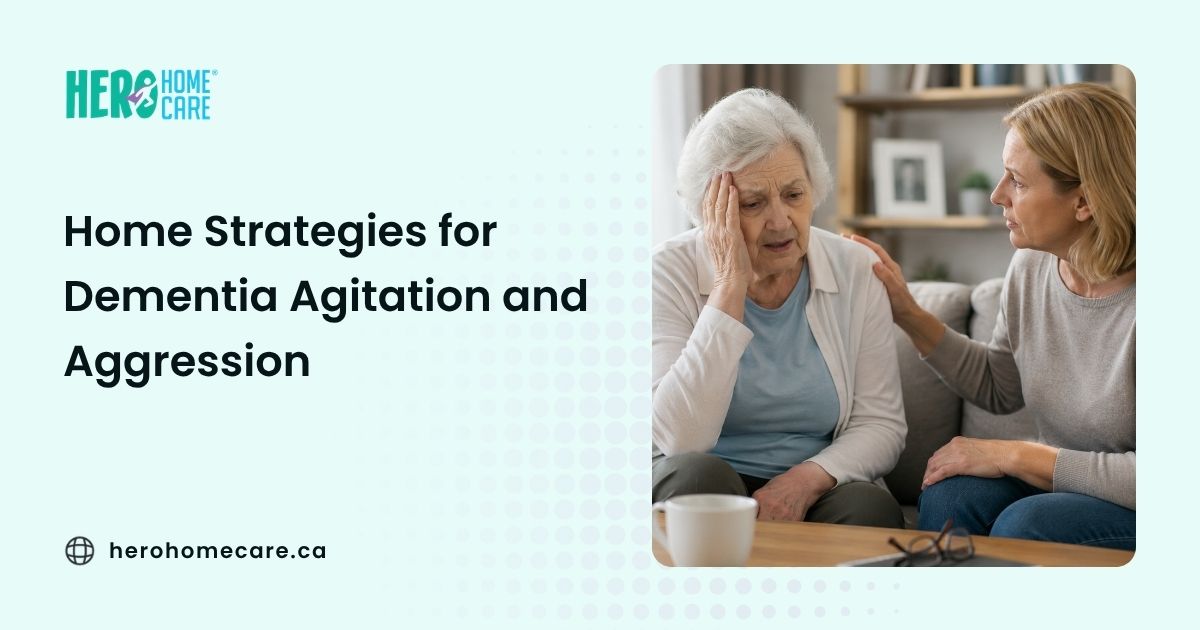
A loved one with dementia may suddenly become upset, frightened, angry, or very difficult to soothe, even during an otherwise ordinary moment at home. One evening they may pace the hallway insisting they need to leave. Another day they may push away help, raise their voice, or react strongly to something that seems minor. For family members, these situations can feel exhausting and hard to read, especially when the reaction appears to come out of nowhere.
Situations like these rarely happen without a reason, even when the cause is not immediately obvious. Discomfort, overstimulation, illness, disorientation, or difficulty expressing basic needs can all contribute to sudden behavioral changes.
These episodes can place a great deal of pressure on the people trying to help, particularly when emotions rise quickly or familiar approaches stop working. Still, the way a situation is handled can influence how much tension builds during the interaction. With a steadier response and a better understanding of what may be contributing to the distress, these interactions usually become easier to navigate at home.

Here is the Quick Answer:
Dementia agitation at home is not always random. Physical discomfort, fatigue, overstimulation, illness, fear, or disorientation can all contribute to sudden escalation. Responding with a quieter tone, reduced pressure, simple communication, and fewer environmental distractions can prevent situations from worsening. Arguing, correcting, or rushing the person usually increases resistance and distress.
Long-term improvement often comes from recognizing recurring triggers, maintaining steadier daily structure, and adjusting the home environment to reduce confusion and exhaustion. The blog also covers nighttime agitation (sundowning), warning signs that require medical attention, and how professional in-home dementia care can reduce strain for families managing care alone.
What to Check First Before Trying to Calm an Agitated Dementia Patient
When someone with dementia suddenly becomes distressed, angry, restless, or resistant, it is easy to focus only on what is happening in the moment. In reality, the person may be responding to discomfort, fear, illness, or overstimulation they cannot clearly communicate.
Pausing for a second to look for pain, illness, or sensory overload can completely change how the behavior is interpreted.
A person who cannot clearly communicate discomfort may react through pacing, yelling, pushing away help, or becoming unusually reactive. Missing a meal, becoming overtired, needing the bathroom, or spending too long in a busy place may leave someone far more sensitive than usual.
Even small irritations like tight clothing, a room that is too warm, glare from bright lighting, or difficulty hearing conversations, can leave someone restless or unsettled without understanding why.
Health changes are another important piece to consider. A urinary tract infection, fever, medication side effect, missed dose, or sudden illness may first appear through changes in behavior before clearer medical symptoms become visible.
If the behavior seems noticeably different from the person’s usual condition, or begins suddenly alongside weakness, fever, increased sleepiness, or visible decline, it is worth contacting a doctor instead of assuming it is strictly related to dementia progression.
Not every episode begins with illness or discomfort. A room that normally feels recognizable may suddenly seem disorienting. Loud television noise, several conversations happening at once, crowded spaces, or constant movement nearby can quickly become mentally exhausting.
In other situations, they may not recognize where they are, misread the situation around them, or feel afraid without being able to express what is wrong.
Looking for these possible causes does not mean every episode has a simple explanation. It does, however, create a more grounded starting point. Instead of responding only to what is visible on the surface, it becomes easier to ask: Are they uncomfortable? Tired? Ill? Frightened? Overstimulated? Starting from that mindset usually leads to a steadier response.

How to Calm an Agitated Dementia Patient Immediately
The first minute usually shapes what happens next. When someone with dementia becomes highly upset, the instinct to correct, rush, or immediately “fix” the reaction can raise tension even further. Slowing the pace of the interaction, including your own movements and voice, gives your loved one more space to settle before things become more intense.
In the first 60 seconds, focus on lowering pressure rather than solving the whole situation. Step back slightly, soften your voice, reduce noise, and use one calm sentence such as, “I’m here with you.” The goal is to make the moment feel safer before trying to redirect, explain, or complete a task.
Stay Calm and Control Your Tone
A distressed person will usually respond as much to tone and body language as to the actual words being spoken. Fast speech, visible frustration, raised volume, or sudden movements can make the interaction seem more threatening, even when the intention is to help.
Lowering your voice slightly, speaking more slowly, and keeping your posture relaxed can make the interaction feel less confrontational. Short sentences are easier to process than long explanations. Standing directly over someone or moving toward them too quickly may increase fear, especially if they already seem cornered or unsure of what is happening.
Reduce Noise and Distractions
When someone is already struggling to process what is happening around them, extra stimulation can quickly become too much. A loud television, several conversations happening at once, barking dogs, bright lights, or crowded rooms can become overwhelming very quickly.
Reducing sensory input can lower tension more quickly. Turning off background noise, dimming harsh lighting, or moving to a quieter space may ease the intensity of the escalation without needing a long conversation.
Use Gentle Touch and Reassurance
Being nearby matters, but it should be approached carefully. A soft hand on the arm, sitting nearby, or offering a blanket may help some people feel more grounded. Others react negatively to touch when upset, so it is important to pay attention to their response.
Simple reassurance works better than detailed explanations. A calm voice saying, “You’re okay,” or “I’m here with you,” is often easier to take in than trying to reason through the situation. Detailed reasoning may no longer register clearly, but irritation, impatience, warmth, or gentleness are still easy to recognize.
Redirect Attention
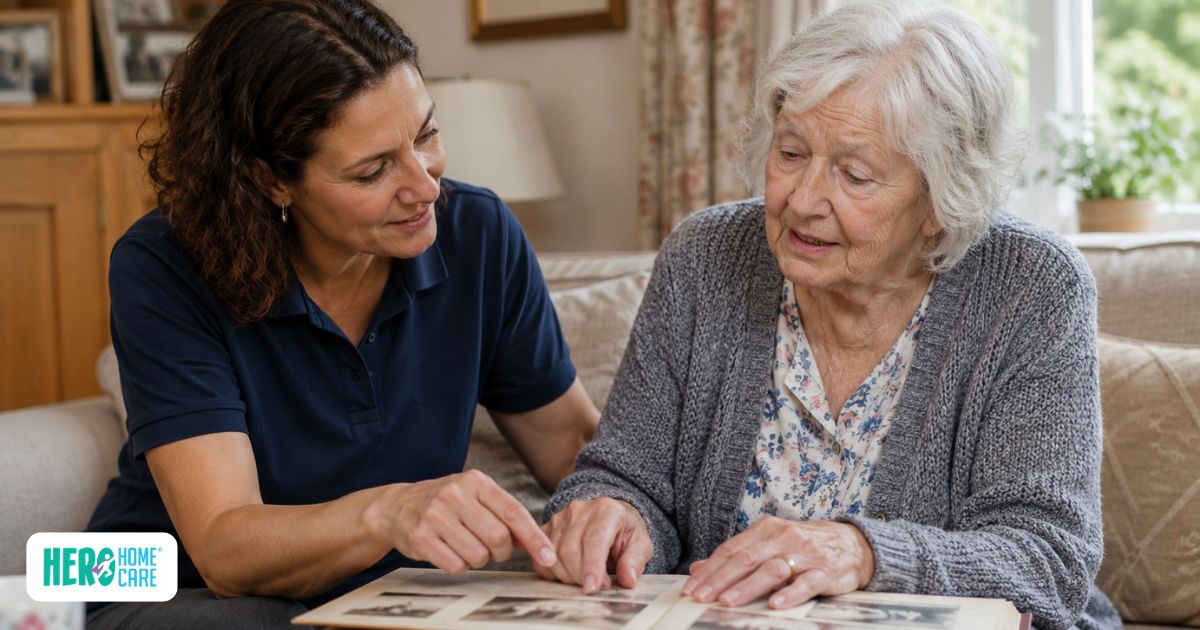
Trying to force someone to stop a behavior rarely works once agitation is already rising. Gently shifting attention toward something engaging or personally meaningful is often more effective than confronting the situation directly.
Moving to another room, offering a favorite snack, playing music from earlier years, folding towels, looking through photographs, or stepping outside briefly can interrupt the cycle before it grows more intense. Redirecting attention softly is often more successful than continuing an argument.
Validate Their Feelings Instead of Arguing
Correcting facts during a distress episode often increases frustration. If someone believes something upsetting is happening, arguing about whether it is “true” rarely brings relief. Reactions tend to intensify once dismissal, criticism, or disbelief enters the conversation.
Responding to the emotion underneath the words is often more effective than focusing on accuracy. If they seem frightened, acknowledge the fear. If they appear upset, recognize that something feels wrong from their perspective. A response like, “That sounds upsetting,” is far less confrontational than insisting they are mistaken. Once the situation softens slightly, it becomes easier to redirect attention without creating additional resistance.
How to Calm a Dementia Patient Down in Different Situations
Not every episode looks the same, and responses that help in one moment may fail completely in another.
Fear may require a quieter and less confrontational approach, while someone refusing help may react more strongly to urgency or loss of control. Paying attention to the underlying cause, not just the outward signs, usually makes it easier to respond in a way that lowers tension instead of adding to it.
When They Become Aggressive
Aggression in dementia is frequently tied to fear, frustration, exhaustion, or feeling trapped. Moving closer too quickly, arguing, or trying to take control immediately may make them seem even less safe.
Creating space is usually safer than forcing the moment back under control. Keep your posture open and non-confrontational, and avoid standing directly in front of doorways or blocking movement.
If possible, step slightly to the side instead of remaining face-to-face. Slower movements and more physical space can make the interaction seem less threatening.
During these moments, safety matters more than correcting facts or finishing a task. If the behavior continues escalating or physical harm becomes possible, stepping away briefly may be more effective than continuing the interaction.
When They Refuse Help or Care
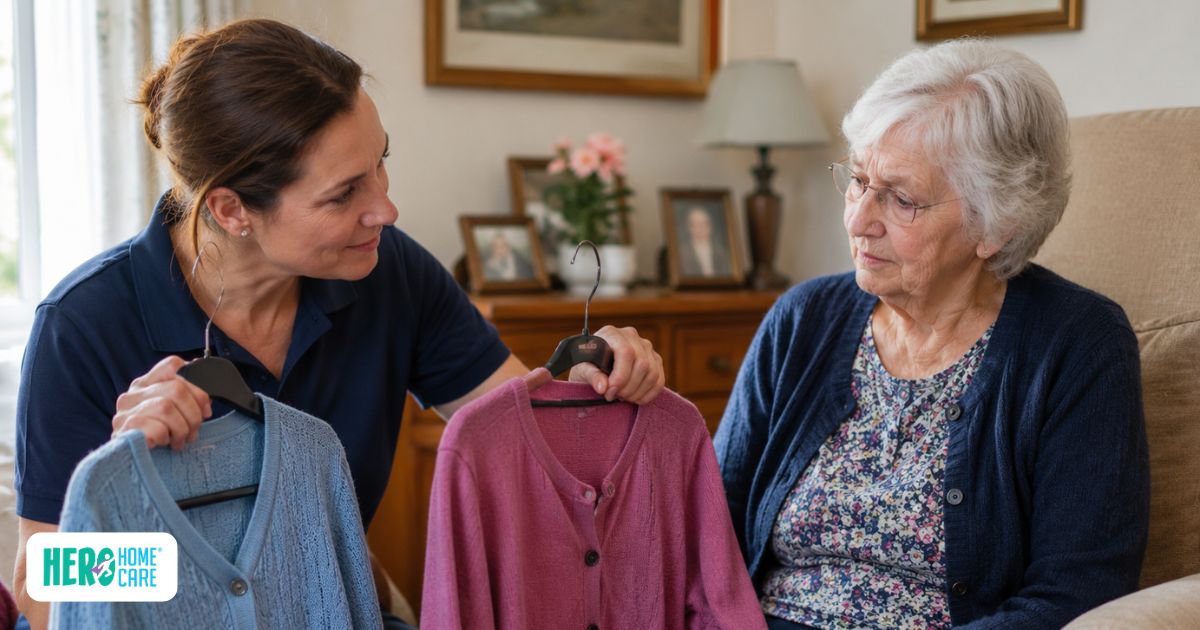
Bathing, dressing, eating, taking medication, or accepting assistance can become highly sensitive situations. Someone who already seems vulnerable may react strongly when they sense urgency, stress, or loss of independence.
Offering limited choices is generally more effective than giving direct instructions. Questions like, “Would you like the blue shirt or the gray one?” usually create less resistance than, “You need to get dressed now.” The same applies to meals, bathing, or daily tasks. Slowing the interaction down and leaving room for participation can reduce defensiveness.
There are also moments when stepping back briefly is the better option. Trying again ten or fifteen minutes later may lead to a completely different response, especially if they no longer sense pressure or urgency.
Learn More: What to Do When Elderly Parents Refuse Home Care
When They Are Confused or Want to “Go Home”
Wanting to “go home” is not always about returning to a specific house. The word may reflect a need for security, connection, or a return to an earlier part of life that still feels emotionally safe.
Directly insisting, “You are home,” can increase distress if the surroundings no longer seem emotionally recognizable in that moment.
A gentler approach is often more effective. Asking about home, mentioning trusted relatives, or redirecting attention toward photographs, music, or meaningful belongings may restore a greater sense of security without turning the conversation into a debate about facts.
Family photos, favorite blankets, long-known songs, or ordinary household items may also help reinforce orientation when the world around them suddenly seems unfamiliar.
When They Are Anxious or Scared
Anxiety can appear very suddenly, even when the cause is not obvious. Someone may believe something bad is happening, react strongly to unfamiliar faces, misinterpret ordinary sounds, or become uneasy without understanding why.
Long explanations often make things harder instead of helping. Simple sentences and a quieter presence are easier to absorb than trying to reason through the fear logically.
Sitting together with a warm drink, folding laundry side by side, or walking slowly through the house may help lower panic without adding more sensory stimulation.

What NOT to Do When a Dementia Patient Is Agitated
When someone with dementia becomes highly upset, natural human reactions can unintentionally increase tension. Family members are usually trying to stop unsafe behavior, move through a task quickly, or bring them “back to reality.” In stressful moments, it is easy to start correcting, arguing, rushing, or pushing harder when resistance grows.
Logic and reasoning rarely work well during these moments because your loved one is no longer processing information the way they would during a calm conversation. Trying to prove they are wrong may come across as dismissive or threatening, even when the intention is to help.
Arguing about details or correcting someone harshly can quickly turn the exchange into a power struggle. Insisting they are wrong about where they are, what time it is, or what is happening around them may increase fear, defensiveness, or embarrassment.
Pushing a task forward after resistance begins can also make things worse. Continuing bathing, dressing, eating, or medication despite clear signs of discomfort may leave them feeling trapped, which usually increases anger or panic instead of reducing it.
Raised voices, repeated demands, visible frustration, or trying to rush the conversation can add more strain than the person is able to process clearly. Ignoring visible fear may intensify the response further, especially if the focus stays only on stopping the visible actions.
Communication Techniques to Calm a Dementia Patient Down
During difficult moments, people with dementia tend to respond less to perfectly chosen words and more to the overall manner of the exchange. A rushed voice, visible frustration, repeated questioning, or sharp correction can quickly increase tension, even when the intention is to help.
Tone and Delivery
Fast explanations and long sentences are harder to follow when someone is already struggling to process information clearly. A slower pace and shorter phrasing generally land more gently. They may not fully absorb every word, but they are still sensitive to irritation, impatience, urgency, or warmth in the delivery.
The same sentence can be interpreted very differently depending on vocal tone. “Let’s sit down for a minute” spoken calmly carries a very different meaning than the exact words said with frustration or exhaustion behind them.
Rapid questioning can quickly make someone defensive. Asking several things at once or repeatedly testing memory can leave a person defensive very quickly. Giving one idea at a time and allowing pauses between responses creates less strain for everyone involved.

Non-Verbal Communication
Facial expression, posture, and movement shape how safe or threatening an interaction appears. Folding arms, sighing heavily, hovering over someone, or staring intensely may increase mistrust without anyone realizing it.
Sitting nearby instead of standing over the loved one, moving in a slower and less abrupt way, and maintaining a softer facial expression can make the moment seem less confrontational before many words are even spoken.
A tense face or hurried movement may communicate more strongly than the conversation itself.
Avoiding Confrontation
Direct correction often creates defensiveness faster than understanding. If someone becomes fixated on an idea or says something inaccurate, trying to prove them wrong can quickly turn the conversation into a conflict neither side can resolve.
This becomes even more damaging when fear or disorientation is already present underneath the discussion. Statements like, “That never happened,” or, “You already asked me that,” can sound dismissive or embarrassing to someone already struggling to stay oriented.
Conversations usually move more smoothly once the focus shifts away from factual accuracy. Acknowledging worry, frustration, or uncertainty often keeps the other person more engaged than continuing to challenge what they believe is true.
Validation and Reassurance
Validation-based communication is less about agreeing with every statement and more about recognizing the anxiety, fear, or uncertainty underneath it. Someone insisting they need to “go home” may be searching for security or connection to an earlier part of life, not literally asking for directions.
Short responses are generally calmer and easier to process than long explanations. “You seem worried,” or, “That sounds upsetting,” may lower resistance more effectively than trying to argue someone out of what they are feeling. Reassurance also works better when it sounds steady and believable instead of overly cheerful or dismissive.
People with dementia are often sensitive to being rushed, corrected, ignored, or spoken to impatiently. Small changes in wording, pacing, and facial expression can completely alter how a conversation unfolds.

Best Calming Activities for Dementia Patients at Home
Not every hard moment needs discussion or problem-solving. For many people with dementia, simple activity works better than repeated verbal reassurance. Repetitive movement, music, texture, and familiar hands-on tasks can interrupt restlessness by giving attention somewhere quieter to settle.
Low-pressure tasks connected to long-standing habits are generally easier to engage with than anything overly stimulating or complicated.
Familiar and Repetitive Tasks
Simple household activities often become reassuring because they connect to routines practiced for years. Folding towels, sorting socks, wiping a table, or helping prepare part of a meal may provide structure without requiring too much concentration.
These tasks usually work best when they seem natural instead of assigned like chores. A person who spent years cooking may respond well to stirring batter or arranging ingredients on the counter. Someone else may settle more easily while organizing photographs, buttons, cards, or sewing supplies.
Repetition can also help reduce tension. Matching objects by color, stacking items, brushing a pet, or slowly flipping through magazines gives attention somewhere repetitive and low-pressure to settle without creating frustration or performance pressure.
Music and Sensory Activities
Music often continues connecting with people even after longer conversations become difficult to track. Songs tied to early adulthood, cultural traditions, or meaningful memories can noticeably shift the mood in a room. Some people sing softly, tap their hands, or become quieter while listening.
The strongest reactions usually come from songs already woven into the loved one’s past. Loud television, chaotic background audio, or unfamiliar playlists can have the opposite effect and leave the room more overstimulating instead of quieter.
Sensory-based activities may also help when someone appears restless or uneasy. Holding a soft blanket, brushing hair slowly, applying hand lotion, or sitting with a warm drink can create a calming sense of familiarity through touch and routine sensory input.
For others, movement works better than sitting still. A quiet walk outside, pacing together through the garden, or slowly arranging flowers on a table can interrupt rising agitation before it becomes harder to redirect.
Learn More: Fun Activities for Seniors You Can Do at Home
Identifying Triggers to Prevent Agitation Before It Starts
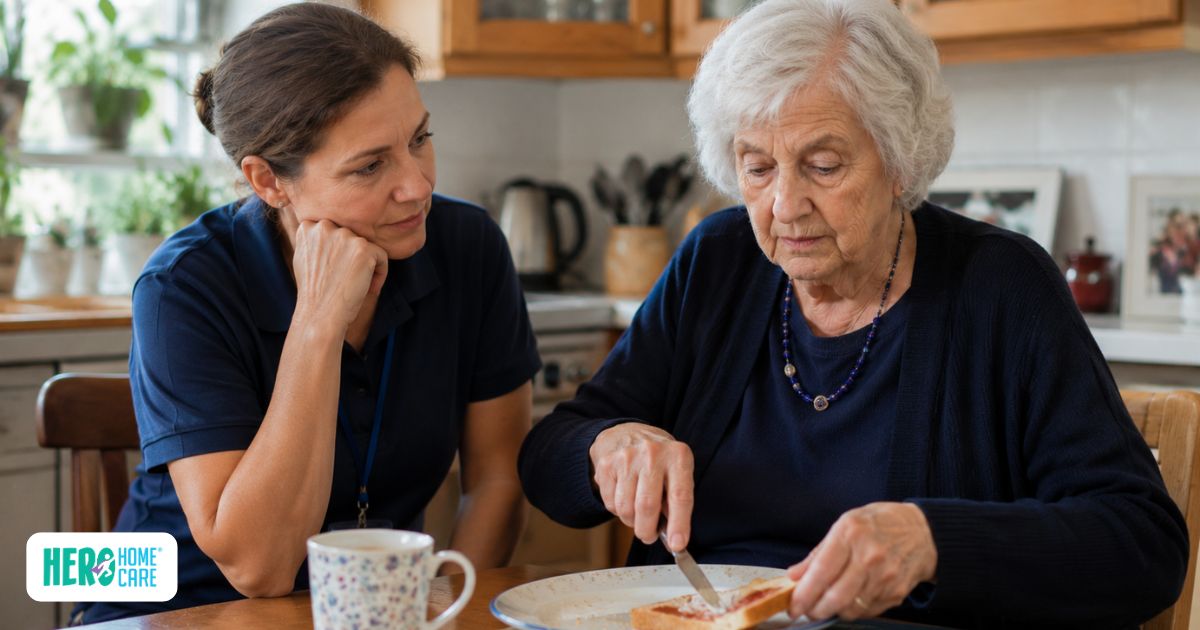
Difficult moments rarely appear without warning. In many homes, smaller signs begin showing up beforehand; certain times of day, disrupted sleep, physical discomfort, busy surroundings, or transitions that repeatedly create friction. Recognizing those recurring signs will not prevent every episode, but it can make early warning signs easier to notice before situations escalate.
Families also do not need to analyze every exchange constantly. The most useful observations are usually straightforward: When does this tend to happen? What took place beforehand? Which situations repeatedly seem harder to handle?
Common Triggers Families Notice
When families track agitation patterns over time, certain triggers tend to appear repeatedly. Hunger, exhaustion, constipation, pain, or illness may first appear through irritability, withdrawal, pacing, or resistance. Someone living with dementia may no longer explain clearly what is wrong, so the problem shows up through behavior instead.
The time of day can also shape how situations unfold. Some people become more reactive later in the afternoon or evening, particularly after a long or overstimulating day. Others struggle more during rushed activities such as bathing, dressing, leaving the house, or moving through busy public spaces.
Mental exhaustion also accumulates gradually. Loud television noise, overlapping conversations, visitors, appointments, or abrupt schedule changes can wear someone down before family members notice visible frustration. Even enjoyable events may become exhausting when too much sound, activity, or movement happens at once.
Changes in surroundings can create additional confusion. Hospitals, crowded stores, family gatherings, or rearranged furniture may remove the visual reference points someone normally depends on to stay oriented.
Tracking Patterns Over Time
Recurring themes become easier to recognize when families stop focusing only on isolated incidents. One challenging evening may not reveal very much on its own. Similar episodes connected to the same circumstances can reveal clearer clues.
Some families find it helpful to keep brief notes for a week or two. Nothing elaborate is necessary. Writing down the time of day, meals, sleep quality, outings, pain, or unusual stress can gradually reveal connections that were easy to miss in the moment.
Dementia remains unpredictable at times, and even recognizable triggers will not always lead to the same response. Still, noticing repeated signs earlier may help families make small adjustments before tension builds into a more difficult evening.
Best Techniques to Calm a Dementia Patient at Home Long-Term
While immediate calming techniques can help during difficult moments, long-term success often comes from creating a daily environment that reduces confusion, stress, and overstimulation before agitation begins. Constant schedule changes, rushed transitions, poor sleep, or overly busy days can gradually make ordinary tasks harder to handle.
Create a Daily Routine
Repeating the same general flow each day helps reduce abrupt transitions. Regular mealtimes, repeated morning habits, and more consistent sleep patterns can make the day easier to move through.
Many families notice harder evenings after rushed schedules, multiple appointments, skipped rest, or too much activity packed into one afternoon.
Maintain a Familiar Environment
People with dementia rely heavily on repeated placement of everyday objects. Keeping furniture in the same position, leaving walkways clear, and storing commonly used items in predictable places can reduce unnecessary confusion during ordinary tasks.
Large visual changes, crowded rooms, or cluttered surfaces may make daily activities harder to navigate.
Use Music, Light, and Comfort Objects
Noise, lighting, and activity levels inside the home can strongly affect how exhausting the day becomes. Bright lighting late at night, constant television noise, or abrupt shifts between quiet and activity may leave some people struggling more by evening.
Familiar comfort objects can also help create a sense of safety. A favourite blanket, familiar chair, family photo, meaningful item, or well-known song may help the person feel more settled when the environment starts to feel confusing.
Ensure Physical Needs Are Met
Consistently meeting physical needs can reduce many of the factors that contribute to agitation. Regular meals, hydration, rest, bathroom access, and pain management help create a more stable daily routine and may reduce preventable episodes of distress.

How to Calm a Dementia Patient Down at Night (Sundowning)
For many people with dementia, the hardest part of the day begins late in the afternoon and continues into the night. As daylight fades and fatigue builds, the house often becomes harder to navigate and recognize clearly. Shadows shift, rooms look different, concentration drops, and ordinary tasks may suddenly seem unfamiliar or disorienting.
Sundowning often appears as nighttime pacing, repeated questioning, irritability, suspicion, or waking disoriented after falling asleep. A loved one who seemed relatively settled earlier in the day may become far more unsettled after dinner or once the house grows darker and quieter.
Evening transitions tend to work better when the home changes gradually into nighttime instead of shifting abruptly from noise and activity into bed.
A few practical adjustments may reduce nighttime strain:
- keep hallways and bathrooms softly lit
- reduce background noise later in the evening
- avoid over stimulating activity close to bedtime
- maintain regular sleep and meal timing when possible
Sleep disruption is also common. Some people wake unsure of where they are, search for relatives, or begin moving through the house during the night. Dim rooms and heavy shadows frequently make night time disorientation worse after waking suddenly.

When Agitation Becomes Dangerous: What Caregivers Should Know
Not every difficult episode requires emergency intervention. Many people with dementia experience periods of fear, resistance, pacing, or irritability that families can still manage safely at home. The threshold changes once there is a realistic risk of injury or when the household no longer seems secure for everyone involved.
Aggression is one important warning sign. Hitting, biting, kicking, grabbing, pushing, or throwing objects can quickly place everyone in the home at risk, especially when an older spouse or adult child is handling the situation alone.
Unsafe wandering, attempts to enter traffic, handling sharp objects, or striking walls and furniture also move beyond what most households can safely manage without additional help.
A sudden behavioral shift should never be ignored, particularly when it appears abruptly. Severe paranoia, hallucinations, intense fear, failure to recognize close relatives, or major personality changes may point to something more serious than a typical dementia-related episode. Infections, medication reactions, dehydration, head injuries, or other medical conditions can sometimes trigger major changes very quickly.
Certain warning signs should prompt a call to a doctor or urgent medical evaluation:
- sudden severe confusion or rapid decline
- fever or signs of infection
- refusal to eat or drink for extended periods
- repeated falls
- new hallucinations
- extreme sleepiness or unresponsiveness
- medication mistakes or missed doses
- behavior that changes sharply from the person’s usual baseline
Emergency services may be necessary if there is immediate danger, serious injury, chest pain, breathing difficulty, suicidal statements, violent behavior that cannot be safely contained, or wandering that places someone at direct risk.
Exhaustion within the household also matters. Families sometimes normalize extreme stress while trying to manage everything alone. Sleep deprivation, constant vigilance, fear of leaving someone unattended, or repeated physical strain can eventually affect judgment and safety inside the home as well.
One difficult night does not automatically mean a family can no longer provide care. Repeated dangerous episodes, however, usually indicate that additional medical guidance or outside assistance is needed.
Learn More: How to Stop Dementia Patients from Wandering at Night

How Professional Home Care Can Help Reduce Dementia-Related Agitation
Caring for someone with dementia at home gradually changes the rhythm of daily life for the entire household. Meals, bathing, medications, supervision, transportation, and interrupted sleep begin overlapping with normal family responsibilities, especially when one spouse or adult child is carrying most of the workload alone.
Professional home care through Hero Home Care adds another layer of involvement inside the home. Repeated visits from the same Hero allow the senior to become more familiar with the person supporting them day after day. Tasks like bathing, dressing, meals, or getting ready for appointments may become less confrontational when they are no longer handled entirely by exhausted family members.
A Hero who sees the senior regularly may recognize shifts in appetite, mobility, sleep patterns, mood, or daily functioning before those changes become more disruptive inside the home.
For many families, the biggest change is usually gradual rather than dramatic. Spouses and adult children are able to step out of the role of constantly managing every task and spend more time simply sitting with their loved one, sharing meals, talking, or being together without carrying the entire day alone.
Why Families in North Vancouver Choose Hero Home Care
Inviting someone into the home during dementia care requires a level of trust that develops slowly. For many families in North Vancouver, that trust grows through repeated visits and small observations that begin to change how difficult parts of the day unfold.
One North Vancouver husband described how tense evenings had become before home care began. His wife would become upset during bathing and often reacted strongly whenever someone unfamiliar tried to help her change clothes or prepare for bed.
After several visits with the same Hero, Antora, the resistance around those evening routines began to soften. There was less explaining, less fear around personal care, and fewer moments where the night escalated into panic or exhaustion for both of them.
Small shifts like that often change the tone of daily life at home. Seniors are not constantly adjusting to new people entering the home, and spouses or adult children do not need to carry every difficult interaction alone. Care also adapts as needs change. Some households need more help with mobility or meals, while others rely more heavily on companionship, supervision, or support during parts of the day that have become harder to manage.
For many North Vancouver families, the difference is not one dramatic breakthrough. It is the growing sense that the household no longer revolves around the next difficult episode.
Final Thoughts: Supporting a Loved One Through Agitation
Living with dementia-related escalation inside the home can wear people down gradually. Even short episodes can affect sleep, patience, relationships, and the overall rhythm of the household.
Families often cope more effectively once they better understand what increases resistance, confusion, or exhaustion across the day. For some households, that may eventually include outside help through services like Hero Home Care, especially when day-to-day caregiving starts becoming too heavy for one person to carry alone.