
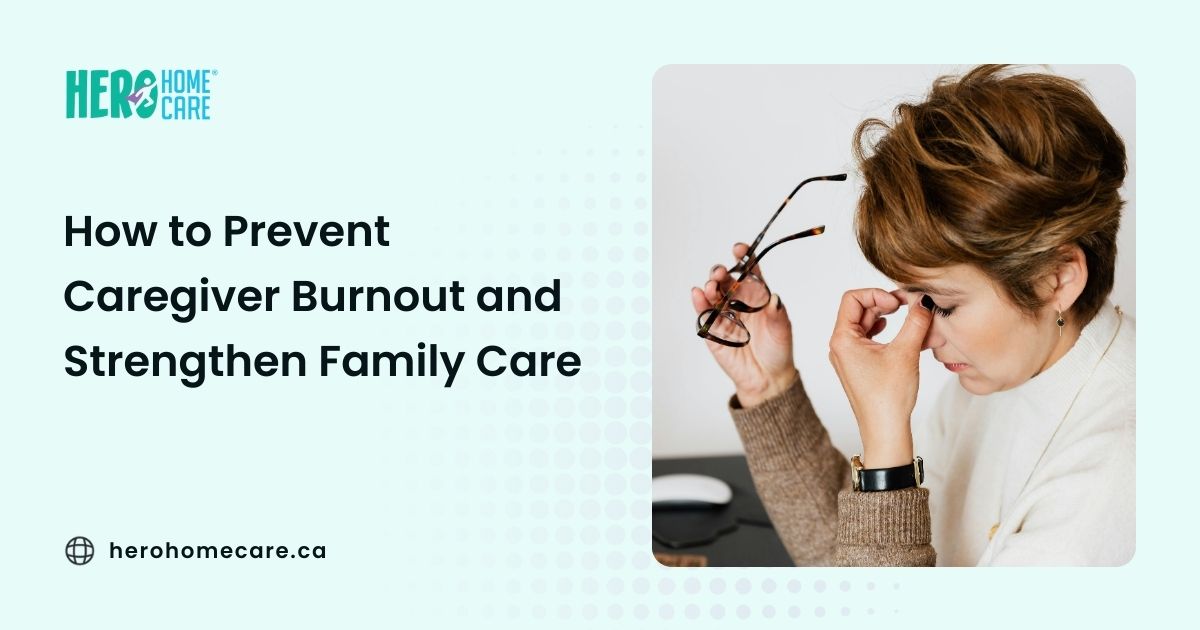
Caring for a loved one can be deeply meaningful, but it can also be exhausting in ways that are hard to put into words. Many caregivers find themselves balancing emotional responsibility, daily tasks, and family expectations, often without realizing how much strain they’re carrying until they feel overwhelmed.
Caregiver burnout doesn’t happen all at once. It builds quietly through long days, interrupted rest, and the pressure to “hold everything together.” When left unaddressed, it can affect not only a caregiver’s well-being but also relationships within the family and the quality of care being provided.
This guide explores how caregivers and families can recognize burnout early, communicate more openly, and create healthier boundaries that protect both personal well-being and family connections. By strengthening support systems and sharing responsibility, caregiving can become more sustainable, allowing everyone involved to feel supported, understood, and less alone.

Here is the Quick Answer:
Caregiver burnout is common and preventable. Clear roles, realistic expectations, self-care, communication, and respite support help caregivers protect their health while continuing to care for loved ones with steadiness and compassion.
What is caregiver burnout?
Caregiver burnout is a state of physical, emotional, and mental exhaustion that can develop when caregiving responsibilities become overwhelming over time. It often occurs when someone feels constantly “on,” with little opportunity to rest, reset, or receive meaningful support.
In this article, caregiver burnout refers to the physical and emotional exhaustion experienced by family members caring for loved ones, not professional care providers.
It may be more common than you think. Over half (56%) of unpaid Canadian caregivers feel tired because of their caregiving responsibilities. This ongoing fatigue can build quietly, especially when caregiving stretches over months or years without enough relief or shared responsibility.
Burnout is commonly fueled by chronic stress, unclear boundaries, and the pressure to meet everyone’s needs, sometimes at the expense of one’s own. A lack of support from family members, limited time for personal needs, and unrealistic expectations about what one person can manage alone can all contribute.
The signs of burnout are not always obvious at first. Ongoing fatigue, irritability, emotional numbness, difficulty concentrating, or feeling disconnected from loved ones can be early indicators. When these signals are ignored, burnout can deepen into emotional exhaustion, physical health problems, or feelings of resentment and guilt.
Untreated burnout doesn’t just affect the caregiver. It can also impact the quality of care being provided. When someone is depleted, it becomes harder to stay patient, attentive, and emotionally present. Over time, both the caregiver and the person receiving care may feel the strain.
Recognizing caregiver burnout early is an important step toward healthier caregiving. Supporting a loved one is not only about meeting their needs, but it also requires protecting the caregiver’s well-being so care can remain compassionate, consistent, and sustainable.

Signs of Caregiver Stress
Caregiver stress often shows up in small, everyday ways before it becomes overwhelming. Because caregiving can slowly take over routines and responsibilities, these signs are sometimes easy to dismiss or explain away as “just being tired.”
Emotional changes are often among the earliest indicators. A caregiver may feel unusually irritable, emotionally drained, or quick to frustration—even in situations that once felt manageable. Some people describe feeling numb or disconnected, while others notice heightened anxiety or a sense of constant worry.
Physical symptoms can also develop over time. Trouble sleeping, persistent fatigue, headaches, or changes in appetite may signal that stress is taking a toll on the body. In some cases, caregivers begin to feel run down more often or notice that minor health concerns take longer to resolve.
Behavioural shifts are another important sign. Withdrawing from social connections, losing interest in activities once enjoyed, or avoiding conversations about caregiving responsibilities can indicate mounting stress. These patterns may reflect a need for rest, support, or shared responsibility.
Recognizing these signs early allows caregivers to pause and take action before stress becomes burnout. Regular self-check-ins asking how you’re sleeping, how you’re feeling emotionally, and whether you’re getting enough support can help identify when it’s time to seek help or adjust the caregiving arrangement.
Tips for Avoiding Caregiver Burnout
Avoiding caregiver burnout doesn’t require doing everything perfectly; it starts with making caregiving more sustainable. Small, thoughtful adjustments to how care is shared, structured, and supported can make a meaningful difference over time.
Many caregivers take on responsibilities gradually, often without clearly defining where their role begins and ends. Without clear boundaries or shared expectations, caregiving can begin to feel overwhelming. Creating structure through defined roles, realistic limits, and outside support helps reduce pressure and protects both personal well-being and family relationships.
The following strategies focus on practical ways caregivers can balance their responsibilities while still caring for themselves. These approaches are not about stepping away from caregiving, but about ensuring it remains manageable, supportive, and sustainable over the long term.

Have Clear Caregiving Roles
One of the most common sources of caregiver stress is uncertainty around who is responsible for what. When tasks are loosely defined, one person often ends up carrying more than they expected, which can lead to frustration and exhaustion over time.
Creating clarity starts with breaking caregiving into manageable areas. This might include medical coordination, meal preparation, transportation, household tasks, and emotional support. Once these needs are visible, responsibilities can be shared more fairly among family members or supported by outside help.
Clear roles also reduce tension within families. When everyone understands their part, expectations become more realistic, and the primary caregiver feels less pressure to “do it all.” At the same time, roles should remain flexible. Care needs change, and caregivers should feel comfortable asking for support when responsibilities become too heavy.
Caregiving works best as a team effort, one built on communication, shared responsibility, and the understanding that no one has to manage everything alone.
Create Realistic Relationship Expectations
Caregiving often comes with unspoken expectations about availability, emotional strength, or how much one person can reasonably manage. When these expectations go unchecked, they can quietly contribute to stress and burnout.
Setting realistic expectations begins with honest communication. Caregivers benefit from being clear about what they can offer and where their limits are, both with the person receiving care and with other family members. This openness helps prevent misunderstandings and reduces the pressure to meet impossible standards.
Unrealistic expectations can also come from within. Many caregivers feel they should always be patient, available, or emotionally strong. Over time, this mindset can lead to guilt and exhaustion. Acknowledging that caregiving has limits and that needing support is normal helps create healthier relationships for everyone involved.
Clear conversations about time, energy, and emotional capacity allow caregiving relationships to remain respectful and sustainable. When expectations are aligned with reality, caregivers are better able to offer support without sacrificing their own well-being.

Celebrate Small Victories
Caregiving can feel endless, especially when progress is slow or hard to measure. That’s why noticing small victories matters more than it may seem. These moments, finishing a task, navigating a difficult day, or finding a quiet moment for yourself, are meaningful signs of effort and resilience.
Small wins don’t need to look dramatic to count. Preparing a meal, keeping a routine on track, or simply responding with patience during a challenging moment are all accomplishments. Recognizing these moments helps caregivers feel grounded in what is going well, rather than focusing only on what feels difficult.
Taking time to acknowledge progress can boost confidence and emotional balance. It reminds caregivers that their efforts matter, even on days that feel ordinary or exhausting. Over time, this mindset can make caregiving feel more manageable and less draining.
Celebrating small victories isn’t about lowering expectations; it’s about honouring the care, consistency, and compassion shown each day.
Manage Your Responsibilities
Caregiving becomes overwhelming when everything feels equally urgent. Managing responsibilities more intentionally can help caregivers protect their energy while still providing consistent support.
One helpful approach is creating a simple care plan that outlines daily responsibilities alongside personal time. This might include routines, appointments, and household tasks, but it should also leave space for breaks. Having a clear structure can reduce mental overload and make each day feel more manageable.
Prioritization matters. Not every task needs to be completed immediately, and some can be postponed or shared. Recognizing when to say no or when to ask for help is not a sign of failure, but an important part of sustaining care over time.
Caregivers are better able to support others when they protect moments for rest and recovery. Building these pauses into a care routine helps prevent exhaustion and keeps responsibilities from becoming unmanageable.

Practice Regular Self-Care
Self-care plays a quiet but essential role in preventing caregiver burnout. Without regular moments to rest and reset, physical and emotional strain can build up unnoticed, making even simple tasks feel harder over time.
Caring for your own well-being supports both body and mind. Gentle movement, short periods of quiet, time outdoors, or staying connected with friends can help release tension and restore energy. These moments don’t need to be long or elaborate to be effective.
Self-care is not a luxury or a reward; it’s part of maintaining the stamina required to support someone else. Even small, consistent practices can make a difference. A short walk, a few minutes of breathing exercises, or setting aside time for a favourite hobby can help caregivers feel more balanced.
Finding ways to fit self-care into everyday routines makes it more sustainable. When caregivers allow themselves this space, they are better equipped to show up with patience, focus, and care.
Jason had been caring for his father while balancing work and daily responsibilities. Between appointments, meals, and constant planning, he didn’t realize how exhausted he had become.
What changed wasn’t a major shift, but a small habit. Taking a short walk alone each afternoon helped him reset. “Once I stopped telling myself that rest was selfish,” he said, “I realized I could show up with more patience.”
That small adjustment didn’t solve everything, but it helped prevent constant strain from turning into burnout.
Exercise Regularly and Get Enough Sleep
Physical exhaustion often shows up before caregivers realize how depleted they’ve become. Regular movement and consistent rest play an important role in protecting energy levels and emotional balance.
Even small amounts of physical activity can help reduce stress and improve mood. Short walks, gentle stretching, or a few minutes of movement between tasks can support circulation and ease tension. Exercise does not need to be structured or time-consuming to be helpful.
Sleep is just as important. Ongoing sleep disruption can intensify stress and make caregiving responsibilities feel heavier than they are. Creating simple nighttime routines, such as winding down without screens or keeping consistent sleep times, can support better rest over time.
Finding small ways to move and rest each day can make caregiving more sustainable and reduce the risk of burnout.

Create a Village of Support
Caregiving is rarely meant to be handled alone. Building a circle of support made up of family members, friends, and trusted professionals can ease emotional strain and reduce the sense of isolation that often contributes to burnout.
Asking for help can feel uncomfortable, especially for caregivers who are used to managing everything themselves. Accepting support, whether it’s practical help with errands or emotional support through conversation, can make caregiving feel more sustainable. Sharing responsibility allows caregivers to rest without feeling they are stepping away from their role.
Professional support can also be part of this village. Therapy, caregiver support groups, or even informal online communities give caregivers a place to speak openly, gain perspective, and feel understood by others facing similar challenges.
A daughter named Rachel shared that once she began asking her siblings to help with appointments and check-ins, she felt less overwhelmed. “I didn’t realize how much pressure I was carrying alone,” she said. “Once I let others in, everything felt more manageable.”
Caregiving becomes stronger when it’s shared. Creating a village of support helps protect both the caregiver’s well-being and the care they’re able to provide.
Hire Respite Care
Respite care can be an important step in preventing caregiver burnout. It offers temporary relief, giving caregivers time to rest, attend to personal needs, or simply take a break while knowing their loved one continues to receive attentive support.
Respite care can take different forms depending on what feels most helpful. Some families choose in-home respite support for a few hours or days, while others explore adult day programs or short-term stays in a care setting. The goal is the same in each case: to give caregivers space to recharge without compromising safety or continuity of care.
Accessing respite care often begins with a conversation about what kind of support would feel most helpful. Some families choose to speak with the care team at Hero Home Care, who can walk them through short-term options, scheduling flexibility, and how in-home support might fit into existing routines. Having this kind of guidance can make it easier to take a break with confidence, knowing care continues in a familiar and steady way.
Taking breaks is not a sign of stepping away from responsibility. It is a way to protect physical health, emotional balance, and the ability to continue caregiving with patience and clarity over time.
Practical Communication Tips for Caregivers
Clear communication plays a quiet but powerful role in preventing caregiver burnout. When needs, limits, and expectations go unspoken, misunderstandings can build, and stress can escalate. Open dialogue helps create shared understanding and reduces the emotional load caregivers often carry alone.
Regular, honest communication with family members helps everyone stay aligned. Talking through changes in routines, emerging challenges, or shifting energy levels early on can prevent resentment or unrealistic expectations. Communication with the person receiving care is equally important, especially when explaining decisions or changes in a respectful and reassuring way.
Healthcare professionals are another key part of this communication circle. Sharing observations, asking questions, and speaking up about concerns allows care to remain responsive and prevents caregivers from feeling solely responsible for every decision.
Helpful communication practices include:
- Using active listening to fully understand concerns before responding
- Clarifying needs early, rather than waiting until stress builds
- Practicing assertiveness, especially when setting boundaries or asking for support
- Expressing limits without guilt, recognizing that asking for help protects long-term care
When communication is clear and consistent, caregiving becomes more collaborative and less overwhelming.

Why Addressing Caregiving Burnout Is Important
Caregiver burnout doesn’t affect just one person. When stress and exhaustion go unaddressed, the impact often extends to the quality of care being provided and to the relationships surrounding it.
Burnout can make even familiar tasks feel overwhelming. Fatigue, emotional withdrawal, and irritability may begin to show up in daily interactions, creating tension between caregivers, loved ones, and family members. Over time, this strain can lead to mistakes, reduced patience, and a loss of confidence in caregiving decisions.
Addressing burnout early helps protect everyone involved. When caregivers are supported and able to maintain their own health and emotional balance, they are better equipped to provide steady, attentive care. This creates a more stable environment for the person receiving support and reduces the risk of crisis-driven decisions later on.
Preventing burnout is not about doing less; it’s about making caregiving sustainable. By recognizing stress early and responding with the right support, caregivers can continue their role with clarity, compassion, and long-term resilience.
Respite Care for Caregivers
Respite care gives caregivers something essential but often overlooked: time to pause. By arranging temporary support, caregivers can step away to rest, attend to their own health, or simply reset without worrying about their loved one’s safety or comfort.
Respite care can be flexible and short-term. Some caregivers choose a few hours of in-home support each week. In contrast, others arrange coverage for a longer break or during particularly demanding periods. These options allow care to continue smoothly, without disrupting familiar routines.
Families often begin by speaking with a care provider who can explain what respite support might look like in their situation. Hero Home Care supports families through core in-home services such as companionship and personal care, which can reduce day-to-day caregiving pressure during especially demanding periods.
When these responsibilities are shared, family caregivers may find it easier to step back briefly while their loved one continues to receive support at home.
Regular breaks are not an indulgence; they are part of sustaining care over time. By building respite care into a caregiving plan, caregivers protect their own well-being and ensure they can continue showing up with patience, focus, and steadiness.
Conclusion
Caregiving can be deeply meaningful, but it can also be demanding in ways that are easy to overlook. Clear roles, realistic expectations, regular self-care, and open communication all play an important part in reducing stress and protecting long-term well-being.
Checking in with yourself physically and emotionally helps prevent exhaustion from quietly building. When caregiving begins to feel overwhelming, adjusting routines or sharing responsibility can make a meaningful difference. These small, proactive steps help caregivers continue offering steady, compassionate support without sacrificing their own health.
Caregiver burnout is not a personal failure, and it is often preventable with the right support in place. If you’re unsure what kind of help might ease the load, a conversation with Hero Home Care can provide thoughtful guidance around flexible options that support both you and your loved one at a pace that feels right for your family.