
For many seniors and the people caring for them, eating at home doesn’t always feel easy. Some days there’s little appetite, other days cooking feels like too much effort, and meals can start to feel repetitive or skipped altogether. It’s not always clear what “healthy” really looks like when energy is low and motivation isn’t there.
The real question isn’t just what foods are healthy, but what meals are easy enough to make, simple enough to repeat, and realistic to manage every day. Healthy eating at home often comes down to small, practical choices; meals that don’t take much time, don’t create a lot of cleanup, and still help you feel steady through the day.
This guide is built around that reality. It will walk you through simple meal ideas, easy ways to put meals together, and practical tips that fit into daily life, whether you’re cooking for yourself or helping someone else.
Here is the Quick Answer:
Healthy eating for seniors at home doesn’t need to be complicated. Simple, familiar meals help maintain energy, strength, and independence. Small portions and repeatable options often work better than large or complex meals.
Focus on what’s realistic: low-effort foods, easy combinations, and routines that fit daily life. When meals feel manageable, it becomes easier to stay consistent—and that consistency makes the biggest difference.
Why Healthy Eating for Seniors Is Important at Home
At home, eating doesn’t always happen the way it used to. Meals can get skipped without noticing, portions become smaller, and the effort to cook can feel like too much on low-energy days. What used to be automatic, making breakfast, preparing lunch, sitting down for dinner, can start to feel inconsistent.
As we get older, the body responds differently to food. Energy doesn’t last as long, recovery takes more time, and appetite can come and go. This means going too long without eating or relying on very small meals can affect how the day feels more quickly than before.
Food becomes closely tied to how well the day goes. When meals are steady, it’s easier to stay alert, move around safely, and keep up with basic tasks. When eating is irregular, it can show up as fatigue, feeling unsteady, or getting worn down more easily. Over time, this can affect how independent someone feels at home.
Compared to younger adults, there’s less room to skip meals or eat very little without it having an impact. What might not have mattered before can now lead to noticeable changes in energy, mood, and overall stability. Keeping meals simple but consistent can make a real difference in staying well and managing daily life at home.
What nutrients do seniors need for healthy eating?
You don’t need a complicated diet to eat well at home. But as we get older, certain types of foods start to matter more because they help with strength, energy, and staying steady day to day. The goal is not perfection; it’s making sure your meals include a few key things regularly.
Protein Needs for Seniors
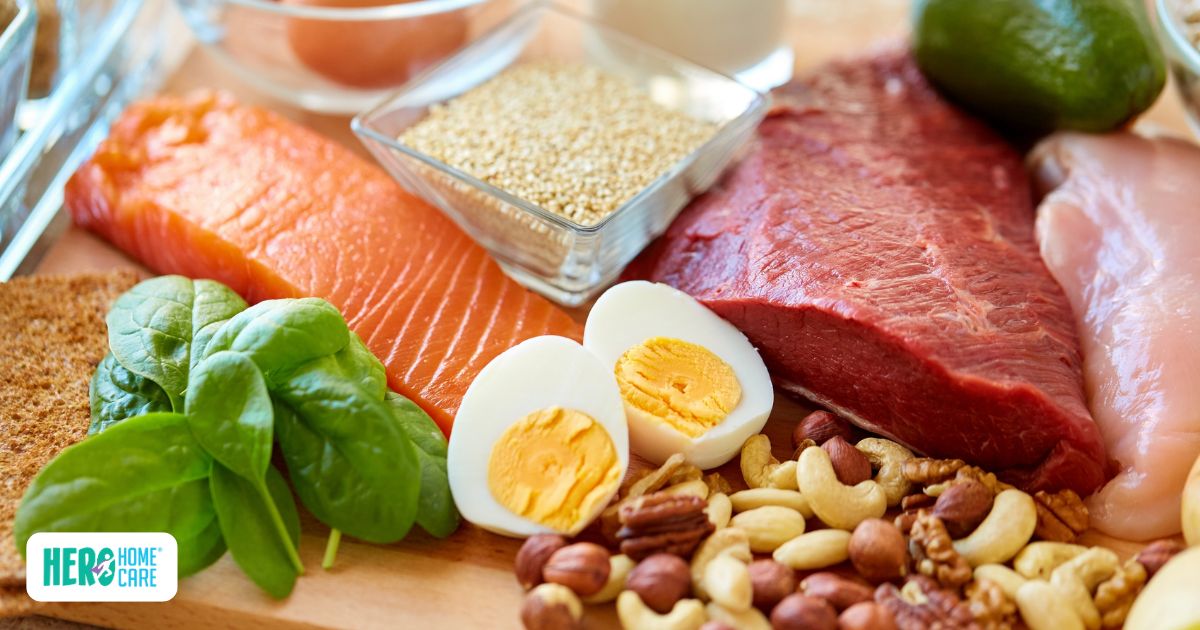
Protein helps maintain muscle strength and prevent weakness. This matters in everyday moments, like getting up from a chair, walking with more stability, or not feeling worn out after small tasks.
At home, this can be as simple as including foods like eggs, yogurt, chicken, or beans in your meals. Even small portions throughout the day can make a difference in how steady and strong your body feels.
Vitamins and Minerals for Aging Adults
Vitamins and minerals support energy and help the body stay well. When these are missing, it can show up as feeling run down or getting sick more easily.
Everyday foods like fruits, vegetables, and dairy can help cover this. Adding a piece of fruit, a small serving of vegetables, or a glass of milk to your day can support how you feel overall.
Fiber and Digestive Health
Fiber helps keep digestion regular and prevents discomfort. When meals are irregular or smaller than usual, digestion can become slower or less comfortable. Foods like oatmeal, whole grain bread, and fruit help keep things moving more smoothly. These are easy to include and don’t require much preparation.
Hydration and Fluid Intake
Staying hydrated affects energy, focus, and how the body feels throughout the day. It’s common to forget to drink or not feel thirsty, which can lead to fatigue or even confusion. Keeping water nearby, having tea during the day, or including simple options like soup can help maintain fluid intake without much effort.
Healthy Fats for Brain Function
Healthy fats support brain function, memory, and steady energy. They don’t need to be complicated or used in large amounts. Low-effort options like fish, a drizzle of olive oil, or a small handful of nuts can be enough to support daily needs and keep meals balanced without adding extra work.
Healthy Meals for Seniors: What should be on the plate?
Cooking for one can feel like a lot of effort, especially when energy is low or appetite isn’t strong. It’s common to skip meals or settle for something very small. The goal isn’t to cook full meals every time, but to have a few reliable options that feel manageable and satisfying.
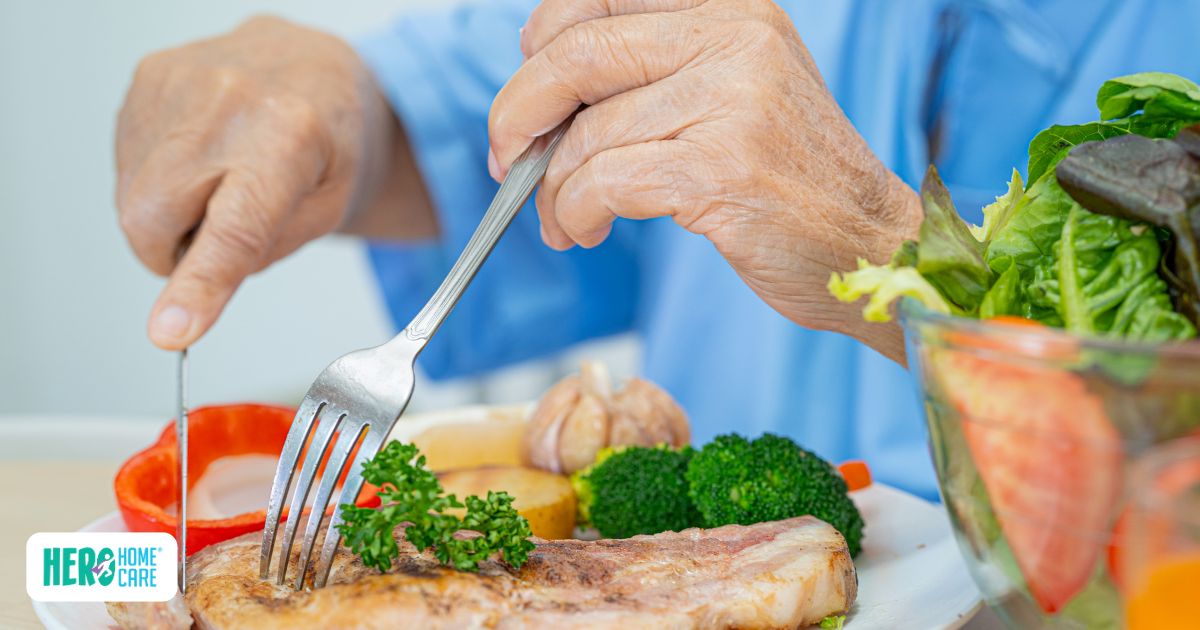
A healthy meal for seniors does not need to be large or complicated. In most cases, a balanced plate simply includes:
- a source of protein for strength and energy
- a carbohydrate or grain for steady energy
- fruits or vegetables for vitamins and fiber
- fluids to help with hydration
These types of low-effort combinations are especially helpful for healthy meals for seniors who live alone, where cooking energy and cleanup are often part of the challenge.
For seniors with low appetite or limited energy, smaller portions often work better than large meals. Soft foods, warm meals, and familiar combinations are usually easier to prepare and more comfortable to eat regularly.
Here are a few low-effort meal ideas that work well for seniors at home:
Breakfast Ideas for Seniors
These work well on slow mornings or when you don’t feel like cooking much. They’re quick to put together and don’t leave a mess behind.
- Toast with peanut butter and a banana: no cooking needed
- Yogurt with a handful of berries: quick and ready
- Oatmeal with milk and a drizzle of honey: warm and comforting
- A boiled egg with a slice of toast: if already prepared
Easy Lunch Options for Seniors
These meals are helpful when you want something filling without starting from scratch. They also work well with leftovers or ready-to-use ingredients.
- Soup with crackers or soft bread: easy to reheat
- A sandwich with sliced fruit: quick to assemble
- Leftover rice or pasta warmed up: if you have extras
- Cheese and crackers with a piece of fruit: no cooking needed
Nutritious Dinner Ideas
These warm meals require minimal preparation, especially on lower-energy days.
- Baked potato with yogurt or soft cheese: minimal prep
- Pasta with tomato sauce: quick and filling
- Steamed vegetables with a boiled egg: light and easy
- Rice with lentils or beans: if already cooked
Healthy Snacks for Seniors
These small options are useful when you’re not ready for a full meal but still need something.
- A small bowl of yogurt: quick and easy
- A piece of soft fruit like a banana or pear: no prep
- A handful of nuts: easy to keep nearby
- Crackers with cheese: filling and convenient
- Toast with a spread like peanut butter: quick option
7-Day Meal Plan for Elderly at Home
Meal plans don’t need to be strict to be helpful. In fact, keeping meals familiar and manageable often works better than trying to create something different every day. Repeating meals is completely okay, especially when it makes shopping and cooking easier. The goal is to reduce the stress of deciding what to eat each day.
A typical week at home often includes a few meals that come up more than once. You might rotate between the same breakfasts, rely on leftovers for lunch, and keep dinners simple and warm. Some days will feel easier than others, so it helps to have options that can be swapped or adjusted without much effort.
Weekly Meal Plan Overview
Here’s an example of how a week of meals might come together at home.
| Day | Breakfast | Lunch | Dinner | Snack |
| Day 1 | Yogurt + fruit | Soup + bread | Rice + vegetables + chicken | Banana |
| Day 2 | Toast + peanut butter | Sandwich + fruit | Pasta + tomato sauce | Yogurt |
| Day 3 | Oatmeal + milk | Leftover pasta | Baked potato + soft cheese | Crackers + cheese |
| Day 4 | Boiled egg + toast | Soup + crackers | Rice + lentils | Apple slices |
| Day 5 | Yogurt + berries | Sandwich + yogurt | Steamed vegetables + egg | Handful of nuts |
| Day 6 | Toast + egg | Leftover rice | Pasta + vegetables | Banana |
| Day 7 | Oatmeal + honey | Soup + bread | Simple chicken + vegetables | Yogurt |
This type of meal structure works best when meals are repeated and simplified throughout the week. Many seniors find it easier to prepare one or two larger items, like soup, rice, or pasta, and reuse them over several meals rather than cooking from scratch every day.
The goal is not variety at every meal, but consistency and ease. Keeping familiar foods available and reducing daily cooking decisions can make healthy eating feel much more manageable at home.
This plan is meant to be flexible, not followed perfectly. Meals can be repeated, swapped, or simplified depending on how you feel that day. If something works well, it’s okay to keep it in the routine, consistency often makes eating at home easier.
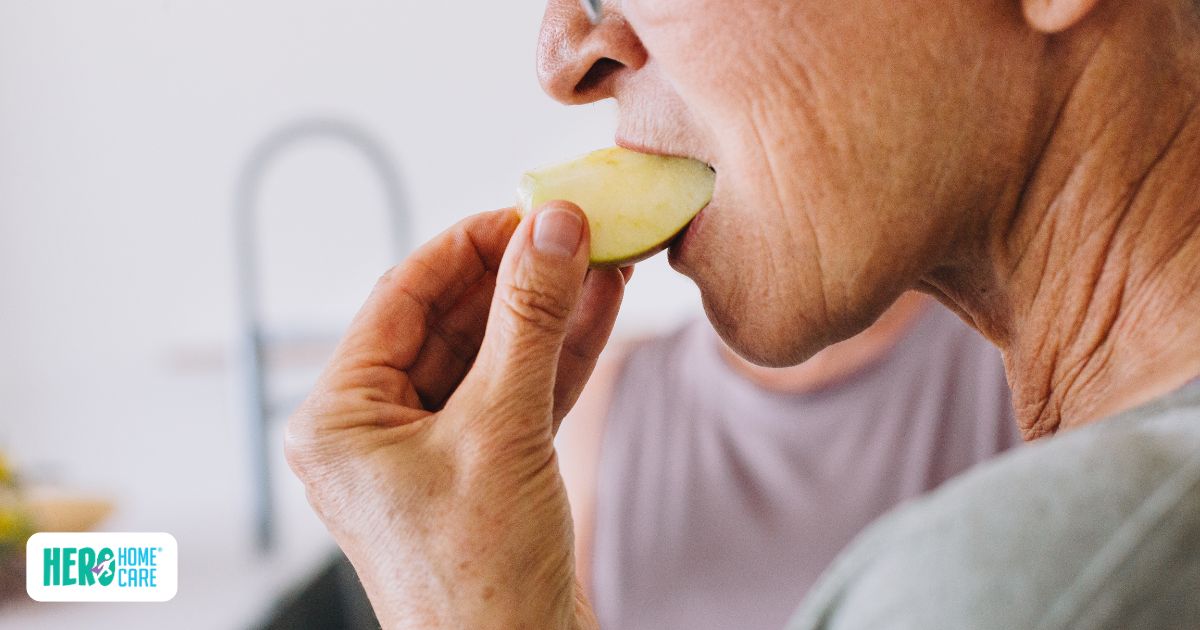
Special Diet Considerations for Seniors
Many seniors need to adjust what they eat based on common health conditions. This doesn’t mean meals have to become complicated or restrictive. In most cases, small changes to everyday foods can make meals more suitable without adding extra work.
Diabetes-Friendly Meals
The focus is on keeping meals steady throughout the day and avoiding long gaps without eating. Basic combinations that include something filling alongside something for energy help meals feel more balanced. For example, pairing toast with eggs or having yogurt with fruit can feel more stable than eating sugary snacks on their own.
Heart-Healthy Eating
Meals can feel lighter and easier to digest by avoiding foods that are very heavy or greasy. Simple, home-cooked options often work well, especially when meals are prepared with less oil. Choosing baked, steamed, or lightly cooked foods can help meals feel more comfortable and easier to manage.
Low-Sodium Needs
For those who need to watch salt intake, small everyday choices can help reduce how much salt is added without changing meals too much. Fresh or familiar foods are usually easier to manage than heavily packaged or processed items. Meals made at home, even if basic, tend to have less added salt than ready-made options.
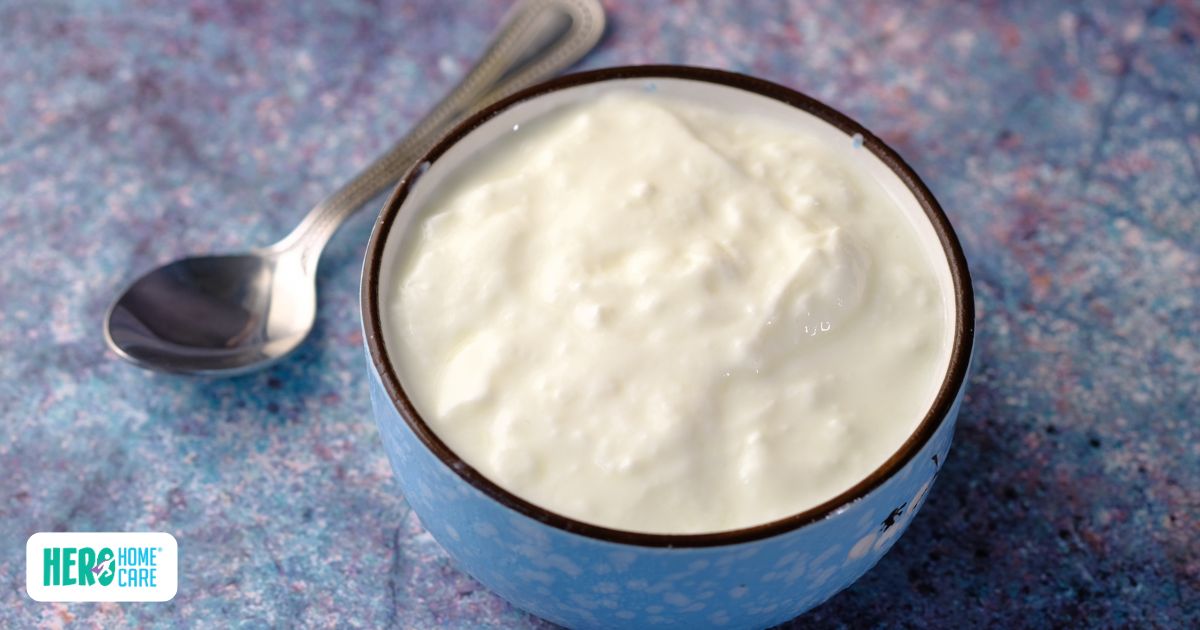
Soft Foods for Chewing or Swallowing
When chewing or swallowing becomes difficult, the texture of food becomes just as important as the food itself. Softer foods can make eating feel safer and less tiring. Options like soups, yogurt, cooked vegetables, and eggs are often easier to manage and can still feel like a complete meal.
In most cases, these adjustments are small and can be built into meals you already make, without needing to change everything.
Common Eating Challenges for Seniors Living Alone
Eating well at home isn’t always about knowing what to eat. Often, it’s about what gets in the way during the day. These challenges are common and tend to show up in small, everyday moments that are easy to overlook.
Loss of Appetite
Sometimes there’s simply no strong feeling of hunger. Meals become smaller, or don’t feel necessary at all.
This can lead to skipped meals or just a few bites at a time. Over the day, that can show up as low energy or feeling weaker than usual, even during simple daily activities.
Cooking Fatigue or Lack of Motivation
Cooking can start to feel like too much effort, especially when it’s just for one person. Even easy meals can start to feel like more effort than they’re worth. As a result, meals may become very basic or get skipped altogether. It’s also common to rely on the same limited foods because they feel easier to manage.
Difficulty Chewing or Swallowing
Some foods may feel harder to chew or uncomfortable to swallow. Eating can take more time and effort than before. This often leads to avoiding certain foods altogether. Over time, meals may become smaller or less varied, which makes meals feel more frustrating or tiring to get through.
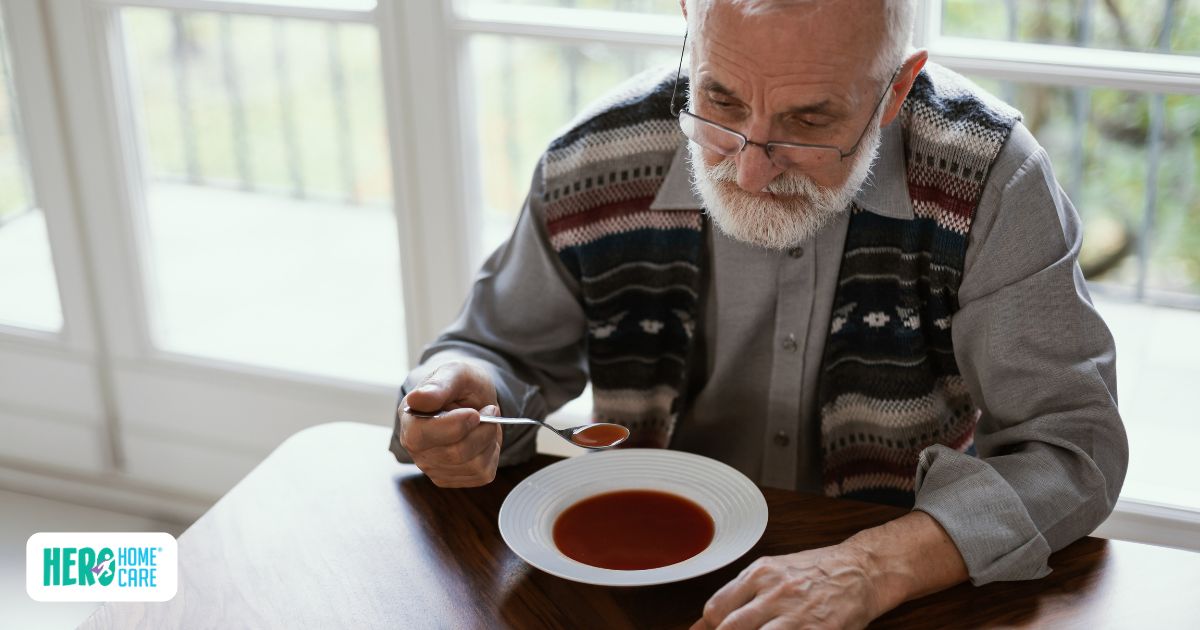
Isolation
Eating alone can change how meals feel. Without someone else around, there’s less structure and less reason to sit down for a full meal.
Meals may become less regular, and the experience of eating can feel less enjoyable and easier to put off altogether. This can lead to more skipped meals without noticing.
Forgetting to Eat
When meals are no longer part of a set routine, it’s easy for time to pass without thinking about food. The day moves on, and eating gets pushed aside. This can lead to long gaps between meals. By the time hunger is noticed, energy may already feel low, and it becomes harder to get back into a steady routine.
Tips to Make Healthy Eating Easier for Seniors at Home
Eating well isn’t just about knowing what to choose; it’s about making meals practical enough to repeat every day. When routines are predictable, meals are more likely to happen. Small adjustments can take away a lot of the effort and make eating feel more manageable.
Keep Meals Simple and Repeatable
It’s okay to eat the same meals regularly. Having a few go-to options removes the need to decide what to eat each time and makes the day feel easier to manage.
For example, having the same breakfast most mornings (like toast with something simple or yogurt) can take away one decision and help create a steady routine.
Plan Groceries Around Easy Meals
Shopping becomes easier when you focus on a small number of reliable foods. Keeping a short list of items you know how to use can reduce confusion and make meals quicker to put together.
Basic staples like eggs, bread, yogurt, fruit, and soup can be combined in different ways without needing extra planning.
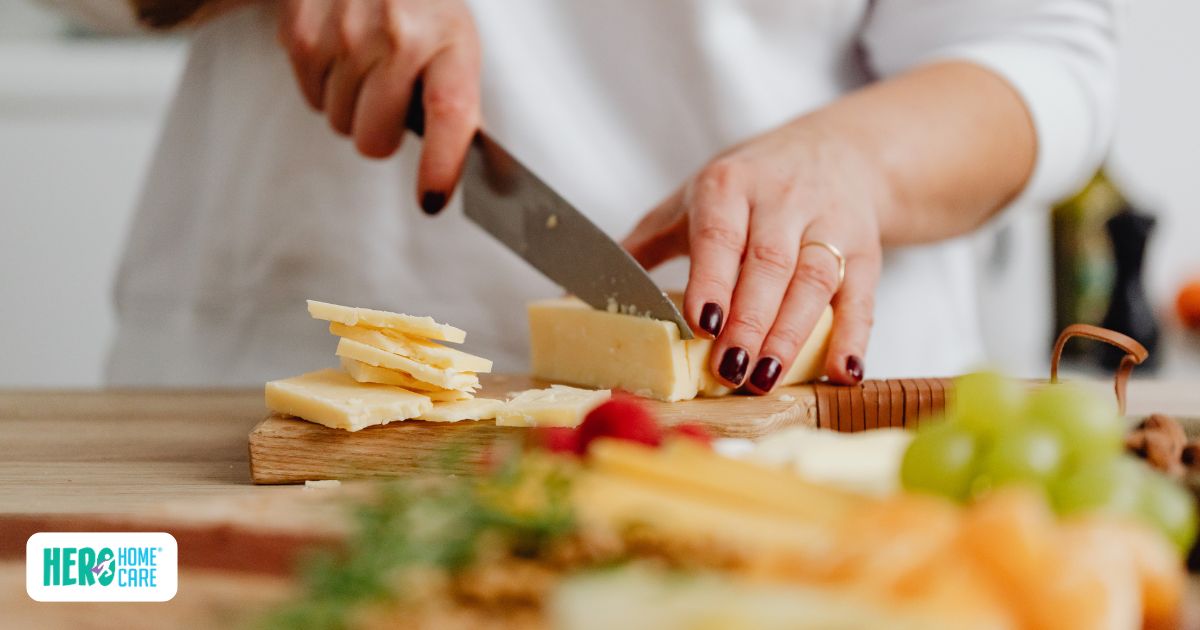
Prepare Small Portions Ahead of Time
Doing a little bit of preparation in advance can make a big difference later. Even small steps can help on days when energy is low.
This might mean cooking a little extra to use the next day or preparing a few simple items ahead of time so meals don’t feel like starting from scratch.
Use Ready-Made Options When Needed
It’s okay to rely on store-bought options, especially when cooking feels like too much. The goal is to keep meals going, not to do everything from scratch.
Options like pre-cut vegetables, ready soups, yogurt, or canned beans can be quick to use and still feel like a complete meal.
How Family Members Can Support Healthy Eating for Seniors
Supporting meals at home isn’t about taking over or doing everything for someone. It’s about making small parts of the day easier and more consistent. The goal is to offer help in a way that still respects independence and keeps things comfortable.
Gently Keeping an Eye on Eating Patterns
It can help to stay aware of how meals are going without making it a big focus. Noticing if meals are getting smaller or skipped can give you a sense of what’s changing day to day. This kind of awareness helps catch small shifts early, before they turn into bigger issues, while still keeping things relaxed and natural.
Helping with Meals When Needed
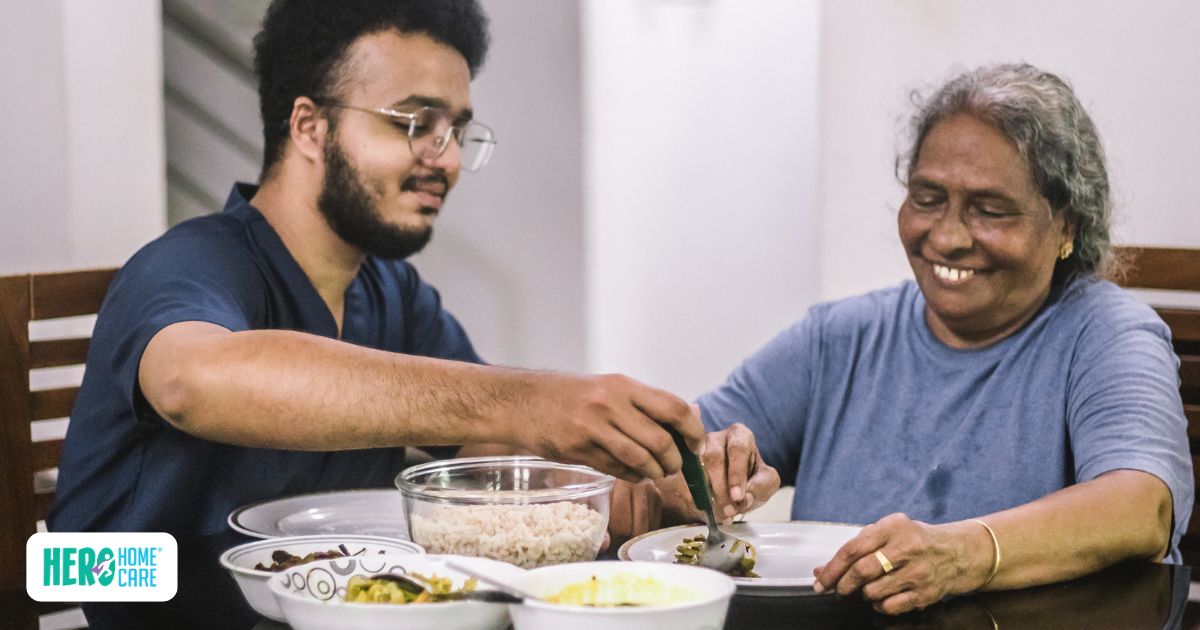
There are times when cooking feels like too much, and that’s where a little help can make a difference. Support might involve preparing a small meal or making food easier to put together throughout the day.
This can include bringing a ready meal, helping chop a few ingredients, or setting up something that can be eaten later without much preparation.
Making Meals More Appealing
Sometimes it’s not only about what the meal is, but how inviting it feels. Small adjustments can make food more enjoyable and encourage more regular eating. Warm meals, familiar foods, and thoughtful presentation can all help, especially when appetite is low or meals have started to feel repetitive.
Encouraging Regular Eating Habits
Having some structure can help meals happen more naturally. Gentle reminders or checking in around mealtimes can be enough to keep things consistent. Keeping it light and flexible, rather than strict, can make it easier to maintain without adding pressure.
Adjusting Meals for Health Needs
As needs change, meals may need small adjustments. This could mean softer foods, lighter options, or simpler combinations that feel easier to manage. The focus is on keeping meals comfortable and realistic, rather than strict or complicated.
When to Consider Professional Home Care for Meal Support
Many families manage meals on their own at first, and that can work well for a while. Over time, though, it may become harder to keep eating consistent from day to day. Noticing small changes, like the signs a senior is not eating properly, can help you see when extra support might make things easier.
One of the first things to notice is a change in eating patterns. Meals may be skipped more often, portions become smaller, or there’s less interest in food overall. These shifts can happen gradually and may not feel like a big change at first.
Weight loss can also be a sign. Clothes may start to fit differently, or there may be a gradual drop in weight without a clear reason. This often reflects ongoing changes in eating rather than a single missed meal.
Sometimes eating habits become very limited or irregular. Meals may rely on the same few foods, with little variety or balance, or eating times may become inconsistent throughout the day.
Safety in the kitchen can also become a concern. This might show up as forgetting to turn off appliances, feeling unsure while cooking, or avoiding cooking altogether because it feels difficult or risky.
These changes often build slowly rather than all at once. Bringing in support doesn’t mean giving up independence; it can simply help keep meals steady and reduce pressure for both the senior and the family.
How Hero Home Care Supports Healthy Meals for Seniors in North Vancouver
In North Vancouver, many seniors prefer to stay in their own homes, but keeping meals consistent can become harder over time. Cooking may feel tiring, or eating may become less regular without much notice. In these situations, having some extra support around meals can be a natural next step.
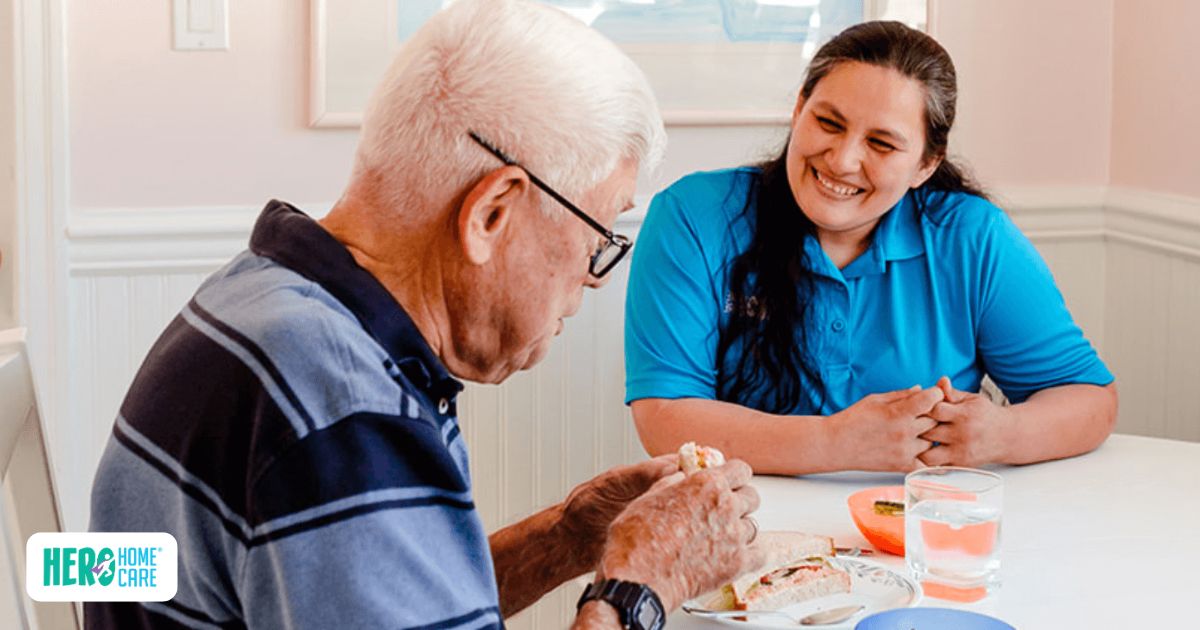
Support with meals often starts in simple, practical ways. A Hero might help prepare something easy to eat, set up meals for later, or make sure food is within reach during the day. The focus is not on complicated cooking, but on making sure meals actually happen and feel manageable.
There is also a steady awareness of eating habits. When someone is present regularly, it becomes easier to notice if portions are getting smaller or if meals are being skipped. Keeping meals at a similar time each day and maintaining a simple routine can help make eating feel more natural again.
Meals are also adjusted to fit the person, not the other way around. Familiar foods, preferred textures, and basic combinations are used to make eating more comfortable. On some days, that might mean preparing a warm meal; on others, it may just be helping set up something small that feels easier to eat.
Mr. Lee had started leaving his meals untouched more often, especially when portions felt like too much. His caregiver from Hero Home Care, Antora, began preparing smaller servings and sitting nearby during mealtimes, offering gentle encouragement without rushing him.
Over time, these small adjustments helped him finish more of his meals, with eating feeling a bit more manageable and less overwhelming.
Final Thoughts: Building Healthy Eating Habits for Seniors at Home
Healthy eating at home doesn’t have to be complicated to be effective. Familiar, practical meals can be enough to support energy, strength, and the ability to stay independent day to day. What matters most is not variety or perfection, but having something steady and consistent that works in real life.
Small habits, like eating regularly, keeping meals easy, and adjusting based on how the day feels, can make a meaningful difference over time. It’s okay if things aren’t always ideal. And when it starts to feel harder to keep up, having a bit of support can help make daily meals feel easier again.