
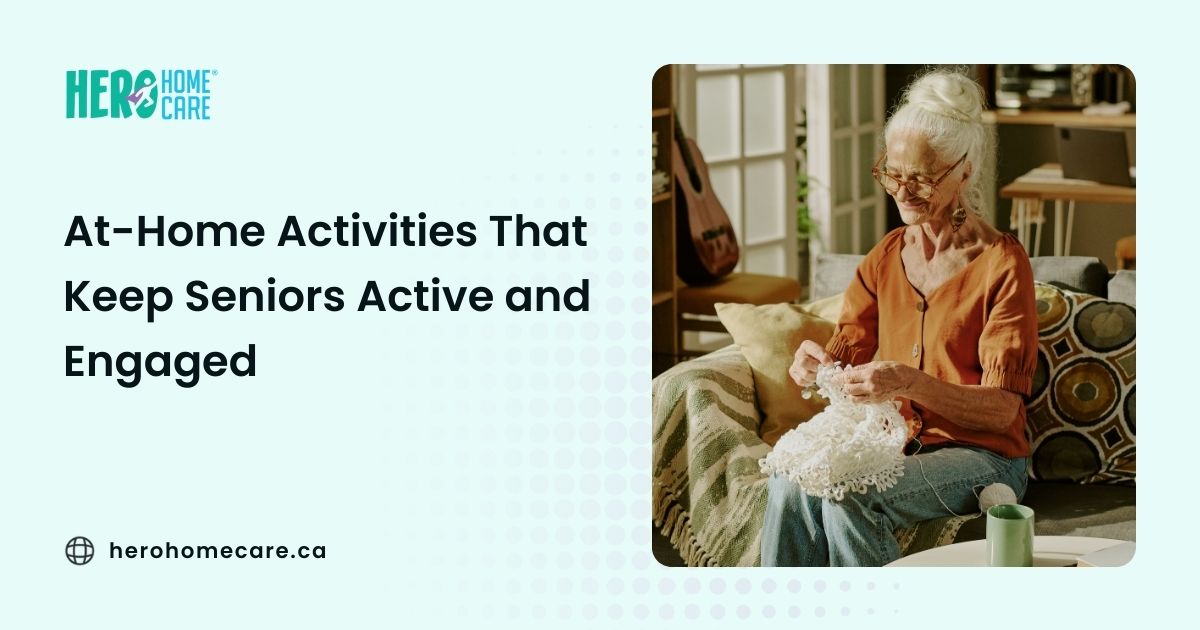
When seniors spend much of their time at home, staying mentally and physically active becomes especially important. Movement, creativity, and simple daily engagement help support overall health from maintaining mobility and focus to supporting mood and emotional well-being. Without these touchpoints, days can begin to feel long, repetitive, and quietly isolating.
Keeping seniors engaged isn’t about constant activity or busy schedules. It’s about creating moments that bring enjoyment, purpose, and connection into everyday life. Even simple activities can help reduce feelings of loneliness, support cognitive health, and encourage a sense of independence when they’re chosen with care.
At Hero Home Care, engagement is part of how seniors are supported at home. Heroes often assist in adapting activities to match a senior’s abilities, energy levels, and interests, whether that means making a favourite hobby easier to enjoy or offering steady support so participation feels safe and comfortable. The focus is always on helping activities feel accessible, respectful, and genuinely enjoyable.
This guide shares approachable activity ideas that can be done at home, either independently or with support, helping families make time at home feel healthier, more connected, and more fulfilling.
The information in this blog is provided for general educational purposes and does not replace medical advice. Always consult a physician or qualified healthcare professional before beginning any new exercise or physical activity. If pain, shortness of breath, dizziness, or discomfort occurs, stop the activity and seek medical guidance.
Here is the Quick Answer:
Simple, thoughtful activities can help seniors stay mentally engaged, physically comfortable, and emotionally connected while spending time at home. When activities are adapted to individual abilities and interests, everyday moments can feel more meaningful, whether enjoyed independently or with gentle support.
Why Fun Activities Are Important for Seniors
Everyday activities shape how seniors experience life at home. When days become quieter or more repetitive, even simple mental or physical engagement can help maintain clarity, movement, and a sense of rhythm. These small moments add purpose to the day and prevent time from feeling empty or stalled.
Enjoyable activities can lift mood and keep the mind engaged in a natural way. Reading, puzzles, light movement, or creative projects encourage concentration and memory without feeling like work. Physical activities, even gentle ones, help maintain mobility and confidence, making it easier for seniors to stay involved in their own routines.
One customer, Margaret, noticed a shift in her mother after they reintroduced simple daily activities at home. “She wasn’t bored before, just quieter,” she said. “Once she had something to look forward to again, her energy felt different.” The change wasn’t dramatic, but it was steady and reassuring.
Beyond health benefits, activities help seniors maintain a sense of independence and purpose. Choosing how to spend their time, engaging in familiar interests, and feeling connected to their surroundings all contribute to well-being. These moments remind seniors that home can still be a place of enjoyment, not just rest.
Fun Outdoor Activities for Seniors
Spending time outdoors can gently reintroduce variety into a senior’s day. Fresh air, natural light, and simple movement often support both physical comfort and emotional well-being, especially for those who are able to move around their home, patio, or yard safely.
Outdoor activities don’t need to be strenuous or structured to be meaningful. Even small moments outside, sitting in the sun, tending to a familiar space, or engaging in light movement can help seniors feel more connected to their surroundings and break up long hours indoors.
The following activities are designed to be flexible and approachable, with options that can be adapted to different energy levels and abilities, so time outside feels enjoyable rather than demanding.
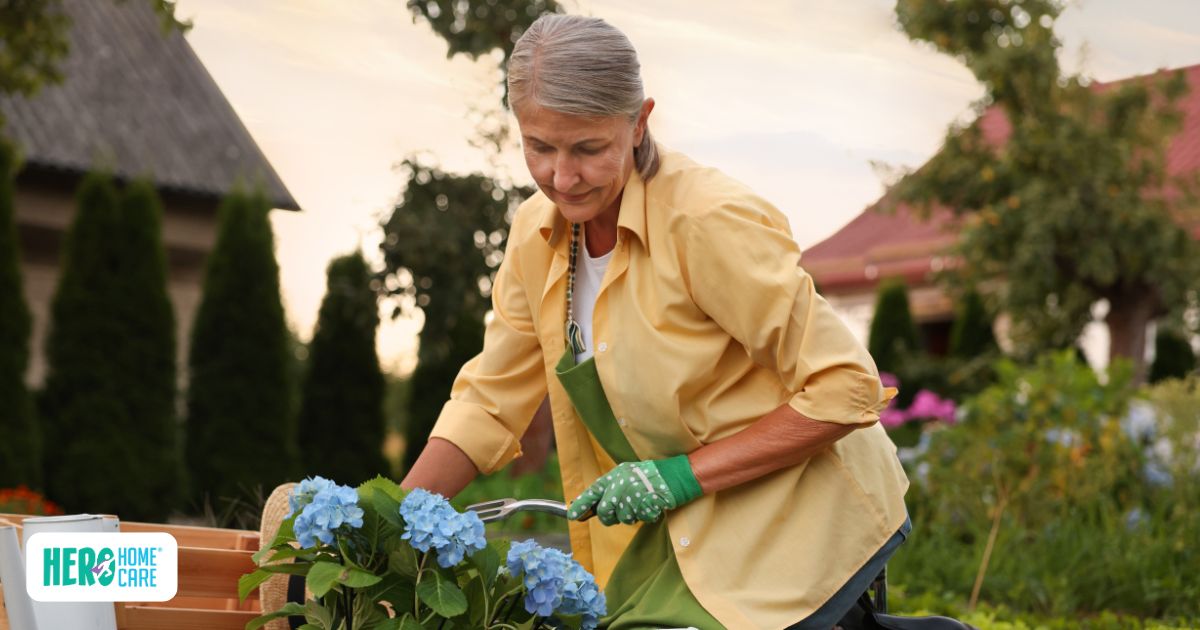
Gardening: Therapeutic and Fun for Seniors
Gardening offers a gentle way for seniors to stay active while spending time outdoors. The movements involved in reaching, watering, and tending to plants encourage light physical activity without feeling strenuous, and they can often be adjusted to suit different energy levels.
For seniors with limited mobility, container gardening or raised garden beds make participation more accessible. These setups allow plants to be cared for while seated or standing comfortably, reducing strain while still offering a sense of involvement. Even tending to a few herbs or flowers can create a regular, enjoyable routine.
Beyond physical benefits, gardening supports mental well-being. Watching plants grow over time provides a sense of progress and purpose, and the quiet rhythm of care can feel calming. These small moments of attention and growth help make time outdoors feel rewarding and familiar.
Bird Watching: Simple and Relaxing for Seniors
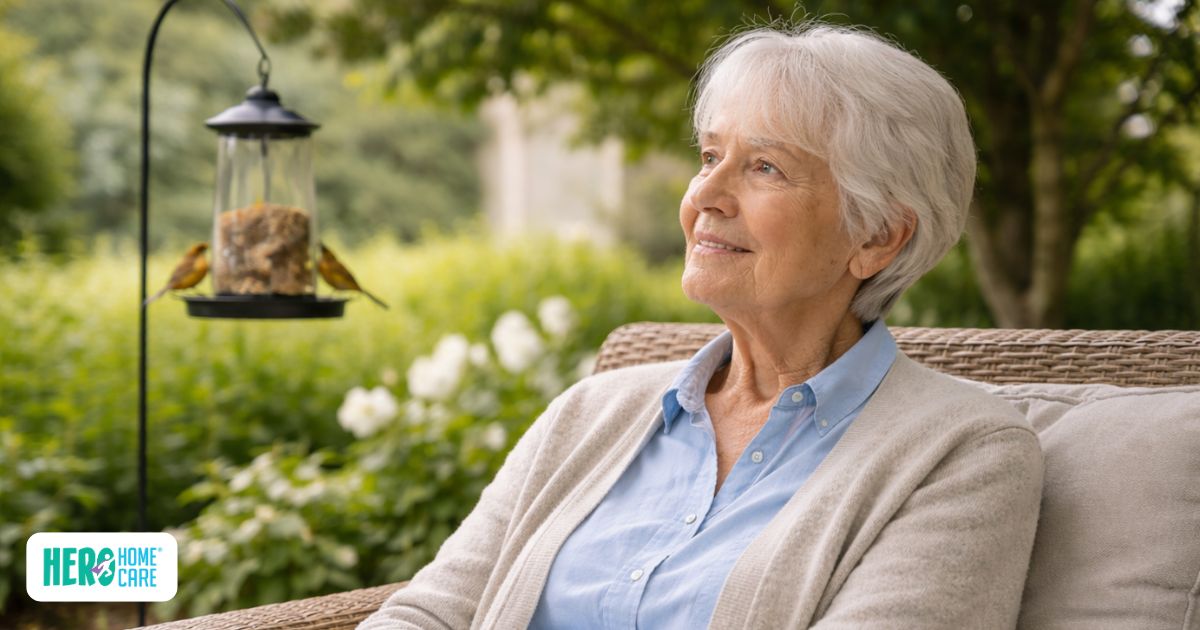
Bird watching is a calm, low-effort way for seniors to enjoy time outdoors while staying mentally engaged. It encourages observation and awareness, helping seniors slow down and focus on what’s happening around them rather than on the passing of time.
This activity can be enjoyed from a chair, patio, or window, making it accessible even for seniors with limited mobility. Noticing different birds, listening to their calls, or keeping track of which ones return regularly can gently stimulate memory and attention without feeling demanding.
For many seniors, bird watching becomes a quiet routine, something familiar to return to each day. These moments of mindfulness can support relaxation and provide a subtle sense of connection to the natural world.
Walking: A Light Exercise for Active Seniors
Short, easy walks can offer seniors a simple way to stay active while enjoying fresh air and a change of scenery. Whether it’s a few laps around the yard or a slow walk in a nearby park, walking supports circulation, mobility, and mood without placing too much strain on the body.
Safety and comfort make all the difference. Wearing supportive footwear, choosing even paths, and using a cane or walker when needed can help seniors feel more confident with each step. Keeping walks brief and familiar often makes them easier to maintain as a regular habit.
One Hero, Jason, shared how walking became part of his visits with Daisy, a customer who was eager to stay active but cautious after a recent health setback. They started with short walks at the same time each day, pausing when needed. “It wasn’t about distance,” he explained. “It was about helping him feel steady and comfortable again.” Over time, those walks became something the customer looked forward to, a small routine that brought both movement and reassurance.
When independent outings become difficult, Transportation for Seniors can help maintain access to parks, community spaces, and social activities safely.

Balloon Tennis: Low-Impact Fun for Seniors
Balloon tennis is a playful, low-pressure activity that brings light movement into the day without feeling strenuous. Using a balloon instead of a ball keeps the pace slow and reduces the risk of injury, making it a comfortable option for many seniors.
The game can be played standing or seated, indoors or outdoors, and adapted to suit different energy levels. Reaching, tapping, and tracking the balloon help support hand-eye coordination while encouraging gentle movement. It often feels more like play than exercise, which can make participation easier and more enjoyable.
Because there are no rules to follow closely, balloon tennis leaves room for laughter and creativity. These moments of light activity help keep seniors engaged while reinforcing that staying active can still feel fun and relaxed.
Indoor Activities for Seniors
Indoor activities often become the heart of daily life for seniors, especially when weather, mobility, or energy levels make going outside less appealing. Time spent indoors doesn’t have to feel limited or repetitive when activities are chosen with comfort and interest in mind.
Engaging in indoor activities supports mental focus, fine motor skills, and emotional well-being, all while allowing seniors to stay within familiar surroundings. Whether done independently or with light support, these moments help create structure in the day and offer something to look forward to.
The activities below focus on options that feel approachable and adaptable, so seniors can stay engaged at home in ways that feel natural and enjoyable.
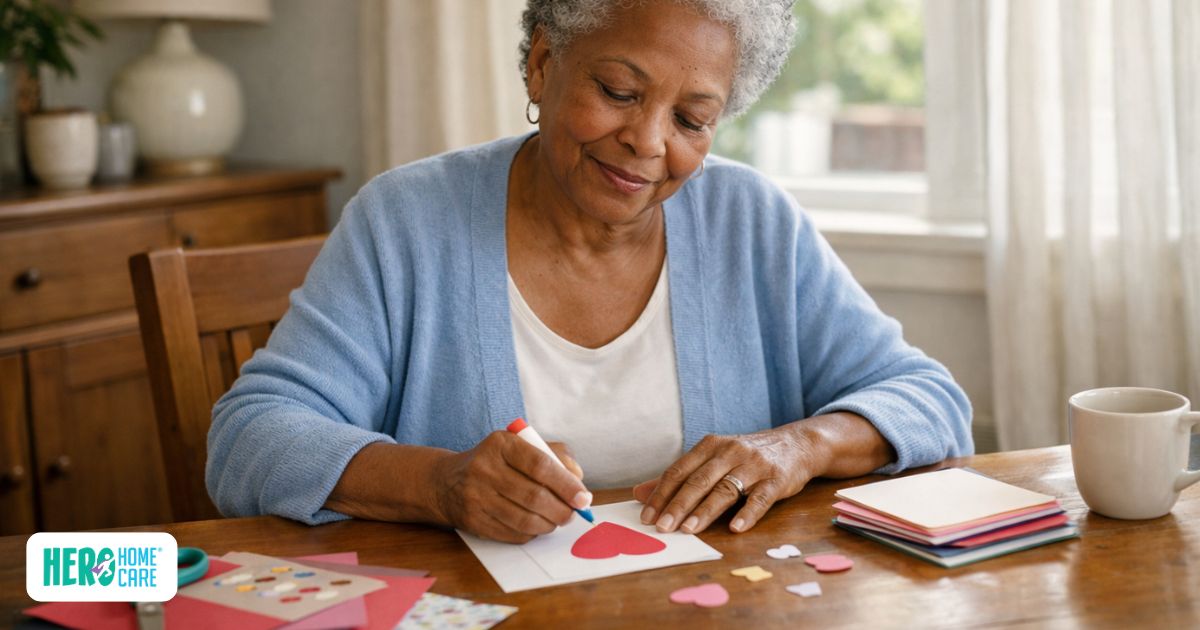
Crafts: Creative and Relaxing Fun for Seniors
Craft activities offer a quiet way for seniors to stay mentally engaged while working with their hands. Simple projects like knitting, crocheting, scrapbooking, or making greeting cards encourage focus and creativity without feeling demanding or rushed.
These activities support fine motor skills and hand coordination, which can help seniors maintain dexterity over time. Just as importantly, crafts provide a sense of accomplishment. Completing a project, no matter how small, gives shape to the day and something tangible to feel proud of.
Crafts can be adapted easily to different comfort levels. Some seniors enjoy working independently, while others prefer light assistance or company. In either case, creative time often becomes a calming routine that keeps both hands and mind gently engaged.
Reading: Mental Stimulation for Seniors
Reading is a flexible, calming activity that supports mental engagement while allowing seniors to move at their own pace. Whether it’s books, newspapers, or magazines, reading helps stimulate the brain, improve focus, and create moments of quiet relaxation throughout the day.
Many seniors enjoy mixing familiar favourites with something new, such as novels, short stories, biographies, or light nonfiction, depending on mood and energy. These choices can spark curiosity, memory, and conversation without requiring physical effort.
For seniors with vision changes, audiobooks and e-readers offer accessible alternatives. Listening to a story or adjusting text size allows reading to remain part of daily life, even when traditional print becomes tiring. In all forms, reading offers a comforting way to stay mentally active and connected to the world beyond the home.

Cooking: Fun and Healthy for Seniors
Cooking can be a comforting and rewarding activity for seniors, especially when it’s kept simple and familiar. Baking cookies, preparing a favourite family recipe, or helping with light meal preparation allows seniors to stay involved in daily routines while engaging both mind and senses.
Following steps, measuring ingredients, and tasting along the way offer gentle mental stimulation and a sense of accomplishment. Even small roles, such as washing vegetables, stirring, or setting the table, can help seniors feel useful and connected to the outcome.
When a Hero or family member is involved, cooking often becomes a shared moment rather than a task. These interactions can strengthen connections, spark conversation, and turn an ordinary activity into a warm, meaningful part of the day.
Puzzles: Brain-Boosting Fun for Seniors
Puzzles offer a quiet way for seniors to stay mentally engaged while enjoying time on their own. Activities like jigsaw puzzles, crosswords, or Sudoku encourage focus, problem-solving, and memory without creating pressure or urgency.
These activities can be especially appealing because they’re easy to pause and return to. Seniors can work at their own pace, spending a few minutes or a longer stretch depending on energy and interest. This flexibility helps puzzles fit naturally into the day.
Beyond cognitive benefits, puzzles often feel calming. The repetition and concentration involved can create a sense of ease, making them a comforting option for seniors who enjoy structured but relaxing activities.
Games for Seniors: Fun and Social Interaction
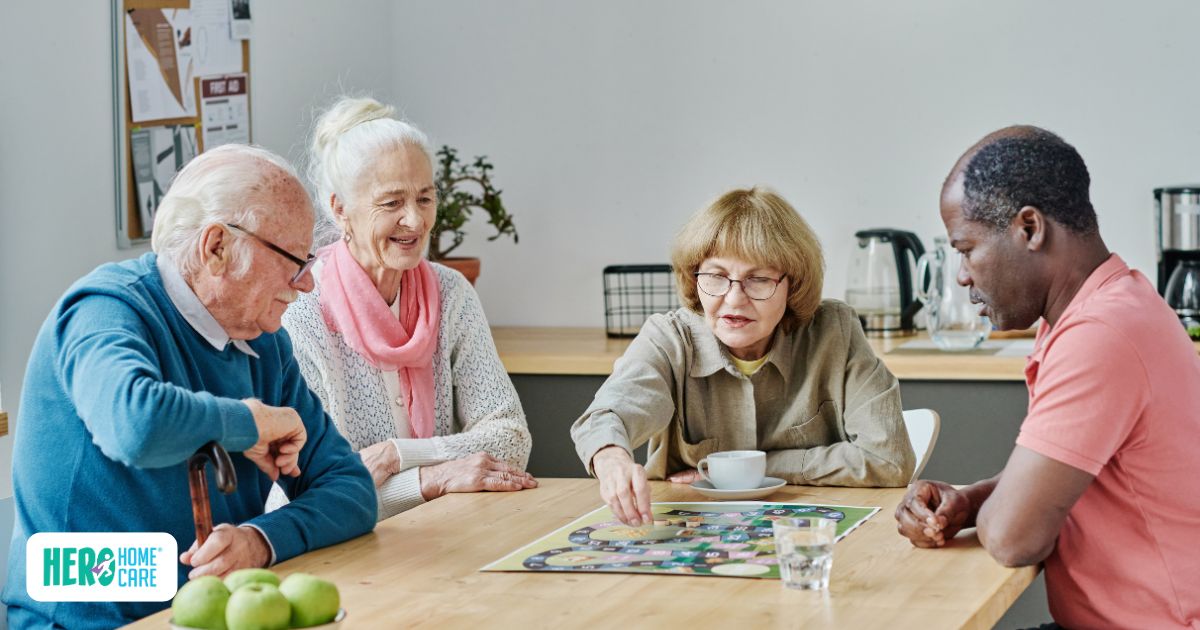
Games offer seniors a way to stay mentally active while adding moments of connection to the day. Whether played alone, with family, or with support, games create opportunities for focus, light challenge, and shared enjoyment.
Beyond entertainment, games help stimulate memory, attention, and problem-solving skills. They also open space for conversation and laughter, which can make time at home feel more social and less routine-driven.
The games below are chosen for their simplicity and flexibility, allowing seniors to participate at their own pace while enjoying both mental engagement and meaningful interaction.
Bingo: A Fun Classic for Seniors
Bingo remains a favourite for many seniors because it’s easy to follow and naturally social. Keeping track of numbers supports attention and memory. At the same time, the familiar rhythm of the game makes participation feel comfortable rather than challenging.
Bingo can be played in different ways depending on preference. Printable cards allow seniors to play at home with family members, while online versions let them join virtual games and stay connected with others. Some seniors enjoy playing independently, while others look forward to sharing the experience with someone nearby.
What makes Bingo especially appealing is its balance of mental engagement and interaction. It creates a sense of occasion without pressure, offering a simple way for seniors to stay involved and connected.
Card Games: Simple and Engaging for Seniors
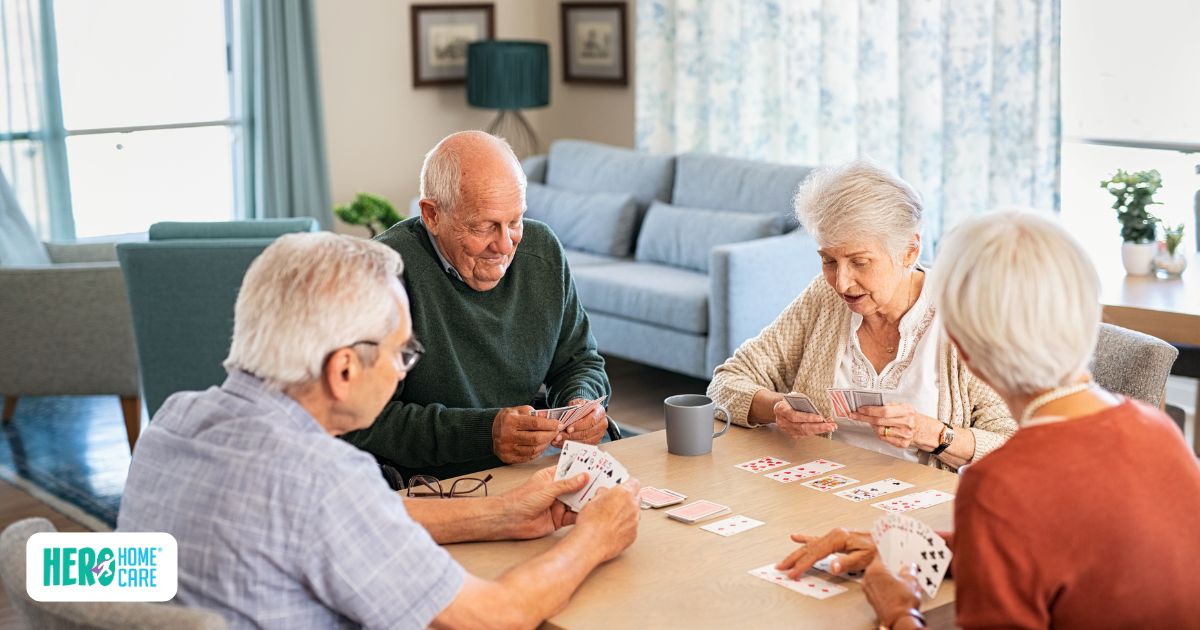
Card games offer a familiar and flexible way for seniors to stay mentally engaged. Games like Solitaire, Bridge, or Rummy encourage focus, memory, and light strategy, all while allowing seniors to play at a comfortable pace.
One of the strengths of card games is their adaptability. They can be played alone for quiet concentration or shared with family and friends for social interaction. Rules can also be adjusted to suit different abilities, making participation feel accessible rather than frustrating.
Because many seniors already recognize these games, card playing often feels natural and enjoyable. It’s a simple way to keep the mind active while creating opportunities for connection when others are involved.
Trivia Games: Fun for Memory and Learning
Trivia games provide an enjoyable way for seniors to exercise their memory and recall while engaging with topics they already enjoy. Questions related to history, movies, music, or familiar events can spark recognition and encourage conversation without feeling demanding.
These games can be played independently as a quiet activity or shared with family members and virtual friends for a more social experience. Group play often brings out storytelling and laughter, turning simple questions into meaningful moments of connection.
Because trivia can be tailored to personal interests and comfort levels, it allows seniors to participate confidently. This balance of learning, memory, and enjoyment makes trivia a flexible option for staying mentally engaged at home.
Socializing with Seniors: Why It Matters and How to Stay Connected
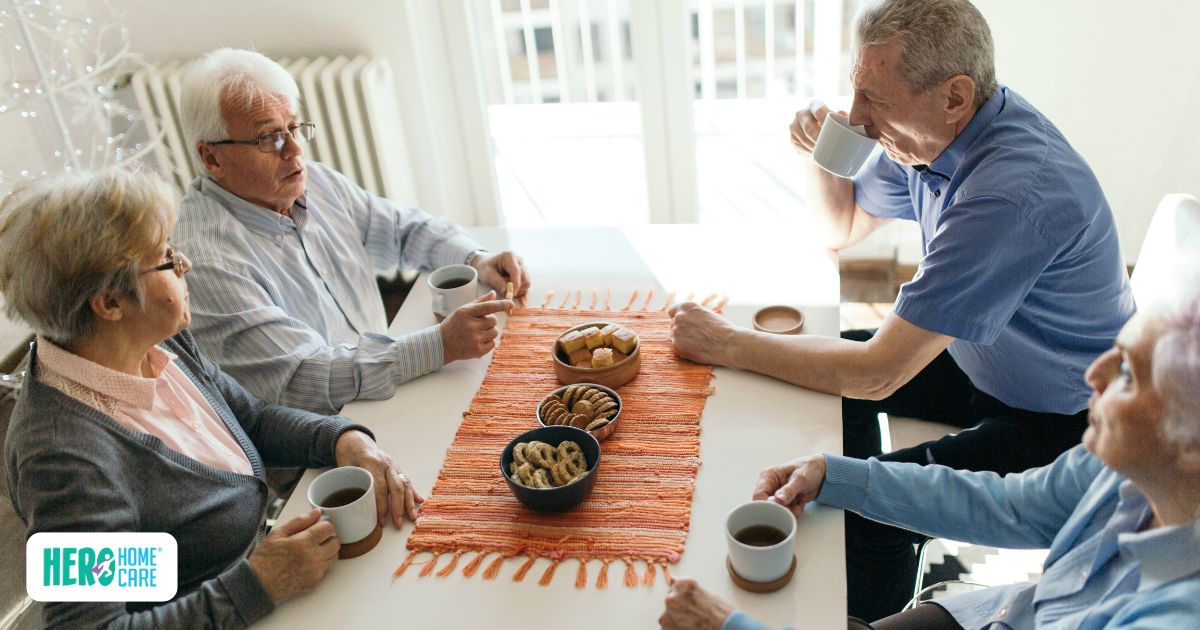
Social connection shapes how seniors experience life at home. Regular interaction, such as a conversation, shared activity, or familiar presence, helps days feel grounded and emotionally balanced. These moments don’t need to be frequent or elaborate to matter; consistency is often what makes the difference.
For seniors who benefit from regular visits, structured engagement through Companionship Care can provide consistent social interaction, shared activities, and meaningful connection at home.
One customer, Helen, noticed this shift with her father after his routine narrowed. “He wasn’t unhappy,” she said. “He just seemed less like himself.” When short, regular check-ins became part of his week again, a visit, a phone call, a shared game, his energy slowly returned. Nothing dramatic changed, but the days felt fuller.
Social engagement supports mental clarity, emotional well-being, and a sense of belonging. It reminds seniors that they’re still connected to people and rhythms beyond their immediate surroundings. Even small, familiar interactions can help time at home feel warmer and more meaningful.
The sections below explore simple ways seniors can stay connected, whether through virtual options or in-person moments that fit naturally into daily life.
Virtual Socializing: Connecting with Family and Friends Online
Virtual socializing has become a simple way for seniors to stay connected when in-person visits aren’t always possible. Video calls through platforms like Zoom, Skype, or FaceTime allow seniors to see familiar faces, share conversations, and feel included in everyday moments.
These online gatherings don’t need to be formal. Short family check-ins, virtual trivia nights, or a shared book discussion can give seniors something to look forward to and help maintain regular contact with loved ones. Even brief interactions can make time at home feel less disconnected.
With a bit of setup and support, virtual socializing can feel natural rather than technical. Once seniors become comfortable with the format, these connections often become an easy and enjoyable part of their routine.

In-Person Socializing: Safe and Fun Options for Seniors
In-person connection can bring a different kind of comfort, especially when it’s done in ways that feel safe and familiar. Simple outings, like a short visit to a nearby park or attending a small community event, give seniors a chance to enjoy fresh air, gentle movement, and face-to-face interaction.
Social time at home can be just as meaningful. Inviting a family member over for tea, a meal, or a quiet conversation allows seniors to stay connected without the effort of going out. Keeping visits relaxed and unhurried helps these moments feel enjoyable rather than tiring.
These in-person interactions support both physical and emotional well-being. Moving around, engaging in conversation, and sharing time with others can lift mood, support confidence, and help seniors feel more connected to the rhythms of everyday life.
How to Choose the Right Activities for Seniors Based on Their Abilities
Choosing the right activities starts with understanding how a senior experiences their day, their energy, comfort, and confidence, not just their limitations. What feels engaging for one person may feel tiring or frustrating for another, and those needs can change over time.
Activities are most successful when they’re adapted thoughtfully rather than avoided altogether. With small adjustments, many activities can remain enjoyable and accessible, allowing seniors to participate in ways that feel respectful and empowering.
The sections below offer guidance on matching activities to different abilities, helping families and Heroes support engagement that feels safe, meaningful, and suited to each senior’s individual needs.
Seniors with Limited Mobility
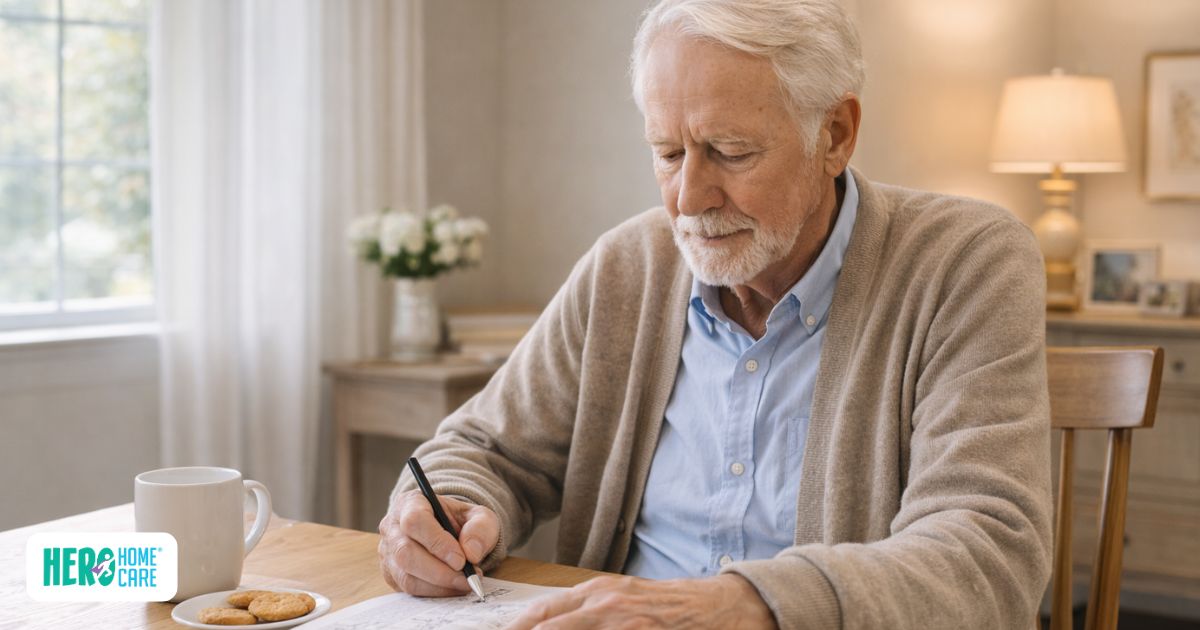
For seniors with limited mobility, activities that can be done while seated often feel the most comfortable and sustainable. Crafts like knitting, scrapbooking, or card making allow seniors to stay engaged without needing to move around frequently. Reading, puzzles, and light games can also offer mental stimulation while respecting physical limits.
Small adaptations can make a meaningful difference. Using grip-friendly scissors, larger puzzle pieces, or tools with cushioned handles helps reduce strain and keeps activities accessible. Adjustable tables or lap trays can also make it easier to participate comfortably from a chair or bed.
Some seniors benefit from gentle seated movement as well. Light stretching or simple seated exercise equipment can support circulation and flexibility without requiring standing or balance. When activities are adapted thoughtfully, participation feels possible and encouraging rather than restrictive.
Seniors with Dementia or Alzheimer’s
For seniors living with dementia or Alzheimer’s, activities are most helpful when they feel familiar and reassuring. The focus is on comfort and recognition, not performance or memory testing.
Families navigating cognitive changes may also benefit from specialized Dementia & Alzheimer’s Care, where routines and activities are thoughtfully adapted to support comfort, safety, and familiarity at home.
Activities that often feel supportive include:
- Remembrance-based activities: Looking through family photo albums, sharing familiar stories, or talking about past routines can help reinforce identity and create moments of connection.
- Sensory activities: Listening to favourite music from earlier years, holding familiar objects, or engaging with comforting textures can ease anxiety and support emotional well-being.
- Simple, low-pressure games: Matching cards, sorting items by colour or shape, or basic memory games encourage focus without causing frustration.
When activities are flexible and unhurried, seniors can participate in ways that feel safe and comforting. Even brief moments of engagement can provide reassurance and help the day feel more settled.
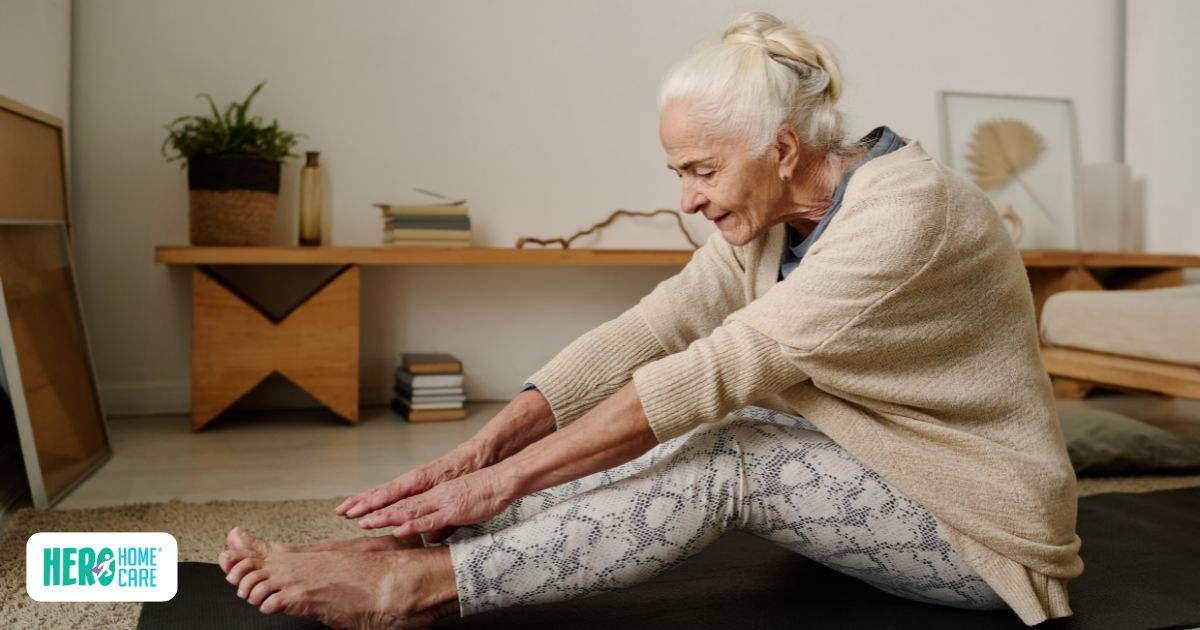
Physically Active Seniors
Some seniors continue to enjoy movement and physical activity, even if they need to be more mindful of pace or impact. For these individuals, staying active can support strength, balance, and overall confidence as long as activities are adapted thoughtfully.
Options like gardening, walking, or balloon tennis offer movement without requiring intense effort. These activities can be adjusted by shortening duration, choosing flatter surfaces, or taking breaks as needed. The goal is to support activity that feels energizing, not exhausting.
Lower-impact variations help seniors remain engaged while respecting changing abilities. Slower walks, lighter tasks in the garden, or seated versions of games allow seniors to stay active in ways that feel comfortable and sustainable. When movement is flexible and self-paced, physical activity remains a positive part of daily life.
Seniors with Hearing or Vision Impairments
When hearing or vision changes are part of daily life, activities work best when they’re adapted to how seniors naturally engage with their surroundings. The goal is to reduce effort and frustration while keeping familiar interests accessible.
For seniors with vision impairments:
- Large-print books or magazines make reading more comfortable
- Audiobooks and voice-assisted devices allow stories and news to remain part of daily routines
- Tactile activities like clay modelling, knitting with thicker yarn, or textured crafts encourage creativity through touch
For seniors with hearing impairments:
- Visual activities such as puzzles, drawing, or watching familiar films with captions support engagement
- Music-based activities that focus on rhythm or vibration can still be enjoyable
- Bird watching or time outdoors can shift focus toward movement and visual patterns rather than sound
For families in North Vancouver and surrounding areas, structured in-home support can make these activities easier to maintain consistently.
With thoughtful adjustments, activities remain enjoyable and familiar. When engagement aligns with a senior’s sensory strengths, participation feels natural, dignified, and rewarding.
Conclusion
Staying engaged at home helps seniors remain connected to themselves and the world around them. Activities that support movement, focus, creativity, or connection can quietly strengthen both physical well-being and emotional balance, especially when they reflect personal interests and daily rhythms.
What works best often shifts over time. Some days call for energy and interaction; others for calm, familiar routines. Paying attention to these changes and adjusting without pressure allows engagement to feel supportive rather than forced.
At Hero Home Care, Heroes often notice these small shifts first. They help seniors stay involved in ways that feel natural, respectful, and steady, meeting them where they are on any given day. If this resonates, a simple conversation may help clarify what support at home could look like without obligation, and at a pace that feels comfortable for your family.
When daily routines begin to feel more challenging, support through Personal Care Services can help seniors stay engaged in activities safely and comfortably.