
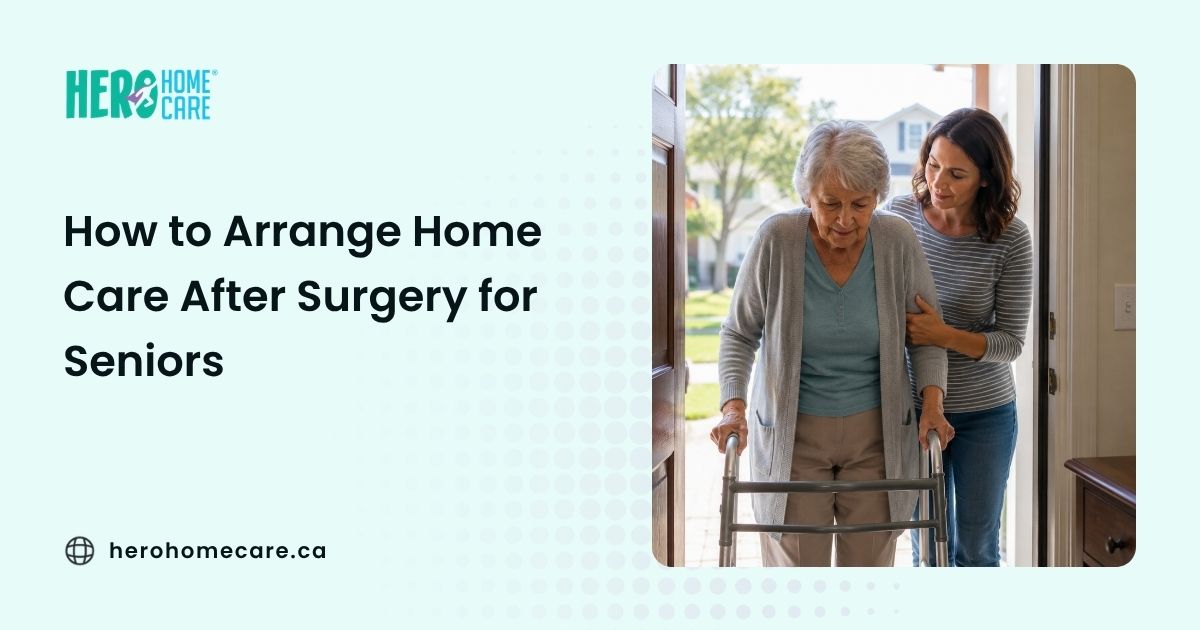
Yes, many seniors benefit from temporary in-home help after surgery, particularly during the first days or weeks after leaving the hospital. Even relatively routine procedures can temporarily affect balance, endurance, prescription organization, and the ability to manage ordinary responsibilities safely without another person nearby.
Healing is often more demanding for older adults because physical reserve is lower and progress tends to move more slowly. Fatigue may last longer than expected, stair navigation and transfers can become difficult, and anesthesia sometimes contributes to confusion or disorientation after returning home.
Relatives are frequently surprised by how much responsibility follows discharge. Transportation, meal preparation, hydration, lifting restrictions, and overnight interruptions can quickly become difficult to manage alongside work and existing obligations. In some situations, temporary outside help becomes necessary even when long-term involvement is not expected.
This article explains when post-surgical home care becomes appropriate, what type of involvement seniors commonly require, which warning signs households should watch for, and how recuperation is usually managed after returning home. It also outlines how local North Vancouver providers such as Hero Home Care assist during the transition from hospital to home.
Here is the Quick Answer:
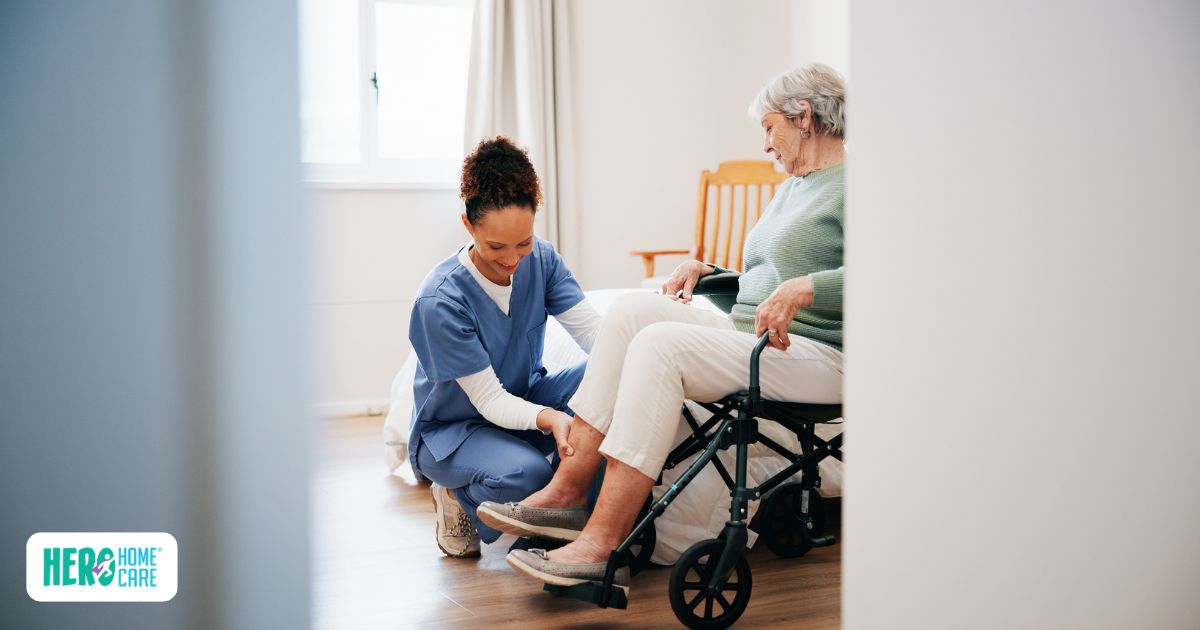
Seniors recovering from surgery often struggle more at home than families initially expect, especially after orthopedic, cardiac, abdominal, or fracture-related procedures. Temporary home care may include walking assistance, meal preparation, medication organization, transportation, and overnight supervision depending on stamina, balance, and cognitive status.
Recovery timelines vary widely, and needs often change after discharge rather than improving steadily. Early planning, realistic workload expectations, and close observation can reduce avoidable setbacks and make post-surgical recovery safer and more stable at home.
What type of home care do seniors need after surgery?
Post-surgical home care usually focuses on the everyday tasks that become harder temporarily after returning from the hospital. The type of involvement varies based on stamina, physical stability, medication complexity, and how safely the senior can manage routine activities without continuous observation.
Personal Care Assistance After Surgery
Ordinary routines such as bathing, dressing, toileting, getting out of bed, or moving between rooms can become difficult after an operation.
Pain, weakness, swelling, and movement restrictions often make transfers and shower access harder than expected. Someone returning home after a hip procedure, for instance, may struggle lowering into a chair or stepping safely into a bathtub without another person nearby.
Medication Management and Recovery Monitoring
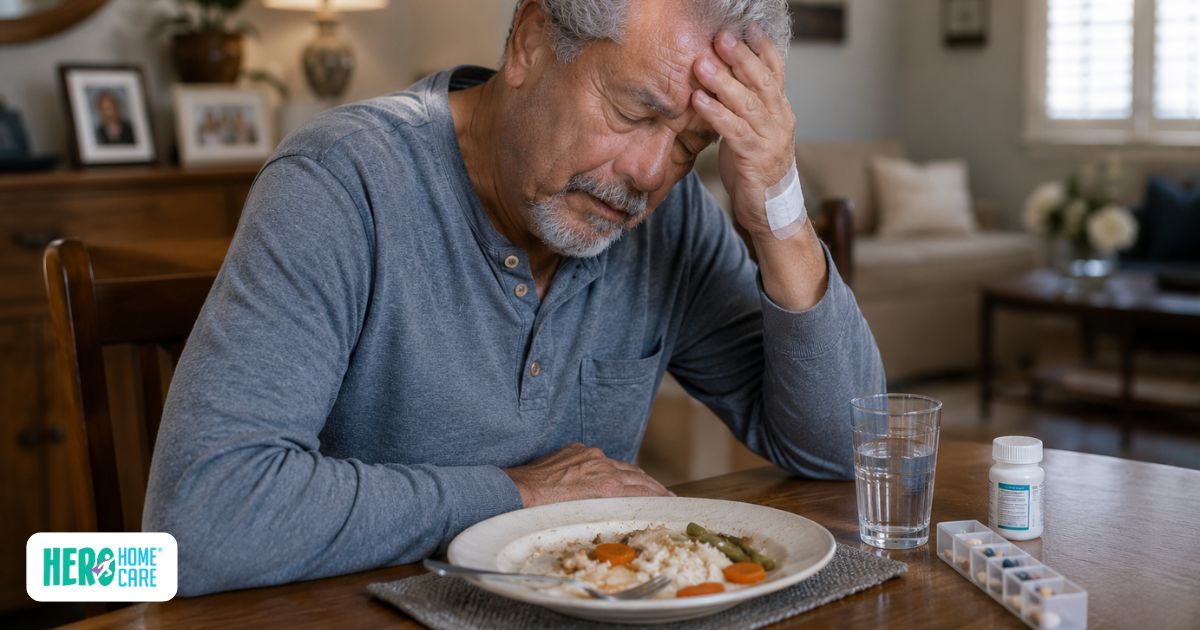
Medication schedules frequently become more complicated after hospitalization. Pain medication, blood thinners, antibiotics, and long-term prescriptions may all need to be taken at different times throughout the day, while dizziness, nausea, constipation, or confusion sometimes develop as side effects. Consistent check-ins also help identify unusual swelling, worsening discomfort, appetite decline, or sudden changes in condition.
Meal Preparation and Nutrition Support
Eating properly is not always easy after surgery. Reduced appetite, exhaustion, nausea, and restricted movement can make grocery shopping or meal preparation difficult, even for seniors who previously cooked independently.
Hydration frequently declines when repeated trips to the kitchen become tiring, which may slow tissue repair and increase weakness.
Transportation to Follow-Up Appointments
Driving is commonly restricted after orthopedic procedures, abdominal operations, or while taking pain medication. Even short car rides may become uncomfortable because of stiffness, soreness, or difficulty entering and exiting vehicles. Follow-up appointments, physiotherapy visits, imaging, and prescription pickups can quickly become difficult to coordinate for relatives balancing work and other responsibilities.
Companionship and Emotional Support
Recuperation at home can become isolating, particularly for seniors who were previously active and independent. Temporary dependence with dressing, walking, or meal preparation sometimes leads to frustration, withdrawal, or reduced motivation during the first several weeks after hospitalization.
Regular interaction from a consistent caregiver or recovery aide can help maintain engagement and day-to-day structure while energy levels remain low.
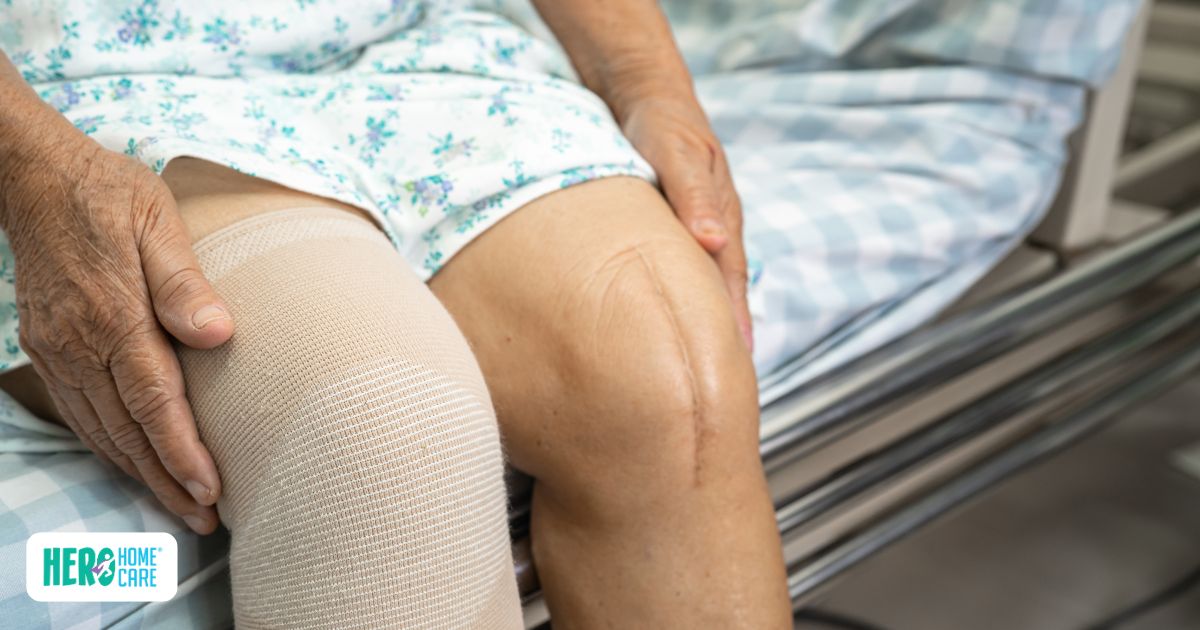
Common Surgeries That Often Require Home Care for Seniors
Certain surgeries require greater post-discharge care for seniors because strength, balance, endurance, or coordination may be temporarily reduced after returning home. The main difference between procedures is usually the type of limitation they create once the person is back at home.
Hip Replacement
Hip replacement frequently limits transfers, stair navigation, and lowering into seated positions during the early rehabilitation phase. Nighttime bathroom trips can become especially difficult when weight-bearing restrictions and pain affect balance and movement.
Knee Replacement
Swelling and reduced knee flexibility often make standing from chairs, climbing stairs, and walking longer distances exhausting. Limited bending also affects dressing, getting into vehicles, and moving comfortably through the home.
Cardiac Surgery
Cardiac procedures commonly leave seniors with very low endurance for several weeks after returning home. Simple activities such as showering, preparing food, or walking across the house may require frequent rest periods because physical endurance often returns gradually.
Regular daytime check-ins are sometimes necessary when exhaustion limits routine functioning.
Abdominal Surgery
Bending, lifting, coughing, and getting out of bed often place strain on the surgical area after abdominal procedures. Tasks involving repositioning, standing for extended periods, or handling household chores may temporarily require another person nearby.
Fracture Repair
Fracture recovery frequently involves temporary reliance on walkers, crutches, or wheelchairs while balance remains uneven. Short routes through the home may become harder to navigate safely while strength and coordination are still returning.
Spinal Surgery
Spinal procedures often restrict twisting, bending, and repositioning for extended periods. Sitting, sleeping positions, and vehicle entry can become difficult during periods of limited spinal movement, particularly when repositioning remains uncomfortable.
Cataract Surgery
Cataract surgery may temporarily affect vision comfort, depth perception, or daily routines during the early recovery period. Transportation restrictions and eye-drop schedules also create logistical challenges for seniors living alone.
Stroke-Related Procedures
Stroke-related recovery may involve one-sided weakness, coordination changes, speech difficulty, or cognitive slowing that interferes with ordinary tasks. Households navigating these challenges may also benefit from understanding how stroke rehab at home for seniors is commonly structured after discharge.

Related: What to Do After a Senior Is Discharged from the Hospital
Signs a Senior May Need More Help After Surgery
Small setbacks after surgery are common, but certain patterns suggest the current recovery arrangement may no longer be sufficient. Changes are often gradual rather than sudden, especially during the first weeks after returning home.
- Repeated confusion about appointments, conversations, or basic instructions
- Skipped doses, duplicate pills, or difficulty following prescription timing
- Difficulty moving between rooms without holding walls, furniture, or railings
- Noticeably reduced appetite or unfinished meals throughout the day
- Exhaustion that interferes with bathing, dressing, or getting out of bed
- Withdrawal from phone calls, conversation, or normal interaction
- Pain that continues worsening instead of gradually easing
- Near-falls, slipping, or visible instability while standing or turning
- Dry mouth, darker urine, or reduced fluid intake
- Clothing, bedding, or personal hygiene being neglected
- Unusual withdrawal, irritability, or loss of interest in normal interaction
Close observation during recuperation matters because smaller functional changes can build gradually. Smaller adjustments are usually easier to make before limitations begin affecting everyday functioning more significantly.
How long do seniors usually need post operative care at home?
Post-operative timelines vary by surgery type, age, chronic conditions, physical ability before the procedure, and the amount of help available at home. Initial discharge estimates do not always reflect how demanding everyday functioning may become afterward.
Short-term arrangements are common after procedures with predictable improvement patterns. Someone recovering from cataract surgery or a less complicated orthopedic procedure may only require brief help with transportation, meal organization, or moving around the house for a few weeks before resuming familiar habits more comfortably.
Longer rehabilitation periods are more common when surgery affects balance, strength, or overall physical capacity. Hip fractures, spinal procedures, or cardiac operations can limit activity for months, particularly when arthritis, diabetes, heart disease, or previous weakness already existed beforehand.
Someone who already had reduced balance, slower movement, or difficulty managing stairs before surgery will often require longer involvement afterward than a stronger senior undergoing the same procedure.
Timelines are also influenced by the amount of help available inside the living environment. Seniors living alone or relying on an older spouse often require regular in-home involvement for longer than households with multiple relatives sharing responsibilities.
Improvement is rarely perfectly linear. A senior might appear stronger one week, then struggle temporarily after poor sleep, reduced appetite, illness, or increased activity. Hours can expand during slower periods, then decrease again as daily functioning becomes steadier.
Some households only need brief assistance during the earliest phase after discharge, while others continue using regular in-home involvement for several months before returning to greater independence in stages. Regular reassessment usually gives families a more accurate picture than relying on one fixed timeline set immediately after surgery.

Benefits of Home Care After Surgery for Seniors
Organized in-home involvement after surgery often creates a more stable rehabilitation process, particularly during the first weeks after discharge. The biggest advantage is usually not one specific task, but the ability to keep everyday functioning more consistent while physical endurance is still limited.
Reduced Physical Strain During Everyday Activities
Transfers, stair use, bathing, and nighttime movement are often harder than expected after an operation. Extra hands during these activities can reduce physical strain while making ordinary movement less physically demanding during the early rehabilitation phase.
More Consistent Recovery Routines
Follow-up appointments, prescription timing, meals, hydration, and rehabilitation exercises are easier to maintain when responsibilities are shared more consistently. Structured routines also make smaller changes in appetite, energy, or physical functioning easier to notice before larger setbacks develop.
Lower Pressure on Relatives
Post-surgical workload can become difficult to sustain when one person is balancing transportation, overnight interruptions, employment, and household responsibilities alone. Dividing those responsibilities more realistically often reduces exhaustion during longer rehabilitation periods.
Support That May Help Reduce Avoidable Setbacks
Closer day-to-day support may help families notice worsening symptoms, medication confusion, dehydration, or mobility problems earlier. Addressing these issues promptly may reduce avoidable setbacks that sometimes lead to hospital readmission.
More Comfortable Recuperation at Home
Many seniors feel more settled recuperating in familiar surroundings rather than adjusting to a new environment immediately after hospitalization. Familiar sleeping arrangements, normal household rhythms, and regular interaction with known people can make the transition after surgery feel less disruptive while strength gradually returns.

Risks of Recovering Alone After Surgery
Older adults often appear stronger in medical settings than they function independently once they return home. Everyday tasks can become far more demanding when strength, balance, and endurance remain limited after an operation.

Related: How We Create Personalized Care Plans at Hero Home Care
Difficulties are not always obvious immediately, particularly during the first several days after discharge.
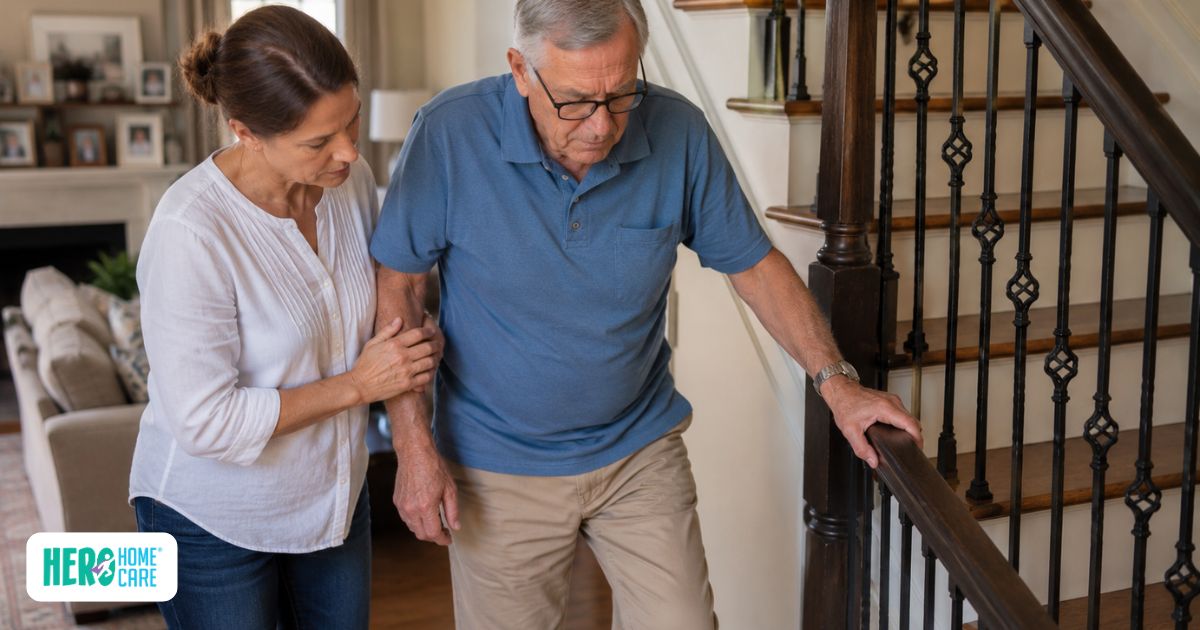
Falls are one of the most immediate concerns. Reduced balance and low endurance can make ordinary movement unexpectedly hazardous during the first weeks after surgery. The problem becomes more serious when nobody is nearby to notice increasing instability early.
Learn More: How to Reduce Fall Risk for Seniors
Prescription routines also become harder to manage when several new instructions overlap at once. Missed doses, accidental double dosing, or confusion around timing may interfere with pain control, infection prevention, or blood pressure regulation before changes become obvious. Reduced appetite and low fluid intake can create additional strain at the same time.
Isolation may gradually interrupt progress as well. Someone recuperating alone may become less consistent with exercises, avoid activity because ordinary tasks feel discouraging, or delay mentioning worsening symptoms simply because no one else is observing the changes developing day to day.
Delayed response times create another layer of concern when a setback occurs unexpectedly. Dizziness, infection-related symptoms, or exertion beyond physical restrictions can escalate more seriously when nobody is available to intervene quickly or recognize that the body is being pushed beyond safe limits.
How to Get Home Care After Surgery for Seniors
Arranging post-surgical home care usually works best when the process is broken into clear, manageable steps. Early planning often makes the transition home smoother and reduces last-minute decision pressure.
Step 1 – Talk to the Hospital Discharge Team
Before leaving the hospital, ask detailed questions about walking restrictions, transfer ability, wound instructions, prescription changes, follow-up appointments, and equipment recommendations.
Discharge teams can also identify whether stairs, bathroom access, or limited stamina are likely to create difficulties once the senior returns home.
Step 2 – Assess the Senior’s Recovery Needs at Home
Evaluate how realistically the senior will manage ordinary activities once they return home. Consider stair access, bathroom setup, meal organization, transportation needs, and whether another person will be available consistently during the first several weeks.
Step 3 – Decide Between Family Care and Professional Home Care
Short-term recovery assistance is sometimes manageable within the household, especially when several relatives can rotate responsibilities.
More complex situations involving lifting, overnight interruptions, multiple appointments, or reduced balance and physical steadiness often become harder to coordinate alongside full-time work schedules and other obligations. Professional help often becomes more appropriate when physical demands and scheduling pressure begin exceeding what relatives can safely maintain.
Step 4 – Choose a Home Care Provider Carefully
Look for organizations with post-surgical experience, clear communication systems, adaptable scheduling, and documented care plans tailored to the individual’s condition and mobility level. Questions about staff training, emergency procedures, and continuity are especially important during the first weeks after discharge.
In North Vancouver, Hero Home Care is one example of a local provider familiar with personalized post-surgical coordination and ongoing communication with relatives throughout the transition home.
Step 5 – Prepare the Home for Recovery
Small adjustments before discharge can make everyday movement easier and reduce avoidable strain. Bathroom access, sleeping arrangements, clear walkways, mobility equipment placement, meal preparation, and prescription organization should all be arranged ahead of time.
People preparing for a return home after surgery may also benefit from reviewing guidance on reducing fall risk for seniors before discharge.
Can seniors recover at home instead of moving to assisted living?
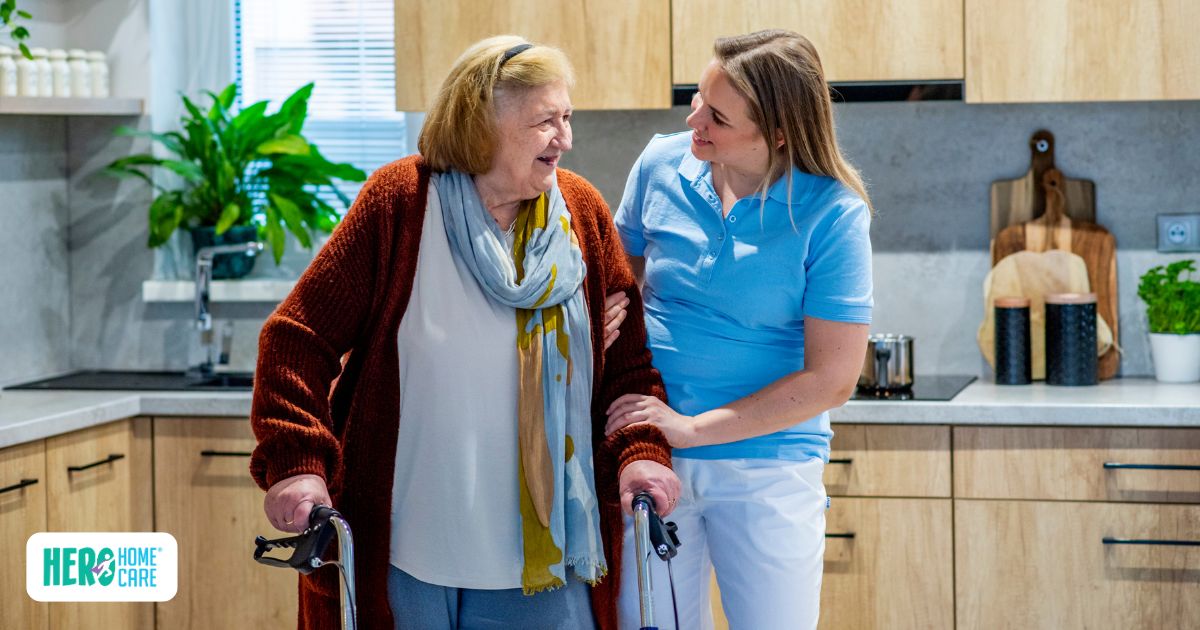
Many seniors recover successfully at home after surgery, particularly when limitations are expected to improve over time and enough day-to-day assistance is available during the first weeks after discharge. Temporary in-home arrangements are often used for several weeks or months without requiring permanent relocation.
Remaining at home may feel less disruptive for someone strongly attached to familiar surroundings and everyday patterns. Regular meals, personal belongings, and normal sleeping arrangements can make recuperation feel more stable, especially after a stressful hospitalization.
Rehabilitation facilities may be more appropriate when someone requires intensive therapy several times per day, complex medical oversight, or frequent nursing involvement that would be difficult to coordinate privately. Certain orthopedic procedures, stroke-related impairments, or significant weakness following hospitalization sometimes require a more intensive rehabilitation setting temporarily before returning home becomes realistic.
Assisted living decisions usually involve broader long-term concerns rather than one surgery alone. Persistent cognitive decline, inability to manage everyday activities safely, or ongoing functional deterioration may eventually make returning home impractical even after the surgical period ends. In these situations, the discussion extends beyond short-term recuperation and into longer-term living arrangements.
The most appropriate setting depends on medical condition, cognitive status, walking ability, available help nearby, and whether short-term limitations are expected to improve. Some seniors only require temporary in-home assistance before returning to their usual routines more comfortably.

How Hero Home Care Supports Seniors After Surgery in North Vancouver
Post-surgical recovery rarely follows a clean schedule once someone returns home. Energy levels fluctuate, discharge timelines shift, follow-up appointments change with little notice, and simple tasks can take far longer than expected during the first weeks after an operation.
In North Vancouver, those logistics are often complicated further by steep driveways, multi-level homes, winter weather, and relatives trying to coordinate transportation or overnight coverage around work hours. Households often bring Hero Home Care in during this stage when scheduling, transfers, and appointment coordination begin changing week to week.
One client recovering from abdominal surgery in Upper Lonsdale was managing stairs more slowly than expected after discharge, particularly in the evenings. Shorya, a Hero from Hero Home Care, adjusted evening visit timing several times during the first two weeks to better align with physiotherapy appointments and periods of lower stamina, while the client’s son coordinated remotely from Burnaby. By the third week, fewer evening hours were required, but transportation coordination remained in place for follow-up visits.
The workload after surgery often shifts week by week rather than improving in a straight line. In-home recovery tends to function more smoothly when someone is consistently tracking those adjustments instead of reacting to problems only after routines start breaking down.
Final Thoughts: Supporting a Safe Recovery After Surgery
Post-surgical recuperation is often more demanding than families expect, particularly during the first several weeks after returning home. Temporary outside involvement is common, and the amount of assistance required frequently shifts as stamina, walking stability, and day-to-day functioning improve. Earlier planning usually creates smoother transitions, especially when responsibilities are divided clearly and schedules can adapt as circumstances change.
The most sustainable arrangements are rarely built around one fixed formula, but around realistic expectations, flexibility, and steady coordination during a physically demanding period.
Families in North Vancouver who need post-surgery support at home can contact Hero Home Care for practical guidance and flexible recovery care options.