

Stroke recovery home care begins once your loved one returns home after a stroke. This stage often brings uncertainty, as families take on a larger role in daily care, safety, and supporting recovery.
The shift from hospital to home is significant. In the hospital, there are nurses, routines, and constant support. At home, that structure changes, and much of the recovery begins to happen under your care. Daily tasks, small movements, and simple routines start to play a bigger role than they did before.
Recovery doesn’t happen all at once. Some days may show small progress, while others move more slowly or present new challenges. It can be uneven, and that’s part of the process. What you see day to day may not always reflect the bigger picture, which can make it harder to tell if progress is on track.
This guide is here to walk you through what that reality looks like. It will help you understand what to expect in the first days at home, how daily care typically unfolds, what challenges may come up, and when it may be time to bring in extra support.
Here is the Quick Answer:
Stroke recovery at home is a gradual process that unfolds through daily routines, small efforts, and consistent care. The first days focus on rest and support, while the following weeks and months involve building structure, noticing small improvements, and adjusting to new challenges. Progress is often uneven, but even small changes can signal meaningful recovery.
Caregivers play a key role by providing stability, encouragement, and awareness of changes over time. It’s normal to feel unsure or overwhelmed at times. With patience, realistic expectations, and the option to bring in support when needed, recovery at home can become more manageable.
What is stroke recovery home care for seniors?
Once your parent comes home after a stroke, recovery doesn’t stop; it shifts into a different kind of care. Instead of nurses and scheduled check-ins, daily support becomes part of home life. Family members often take the lead, sometimes alongside outside help, handling the day-to-day needs that continue the recovery process.
In the hospital, care is structured, monitored, and supported by medical staff throughout the day. At home, recovery becomes more flexible and integrated into daily life, with family members often taking a more active role in supporting routines and progress.
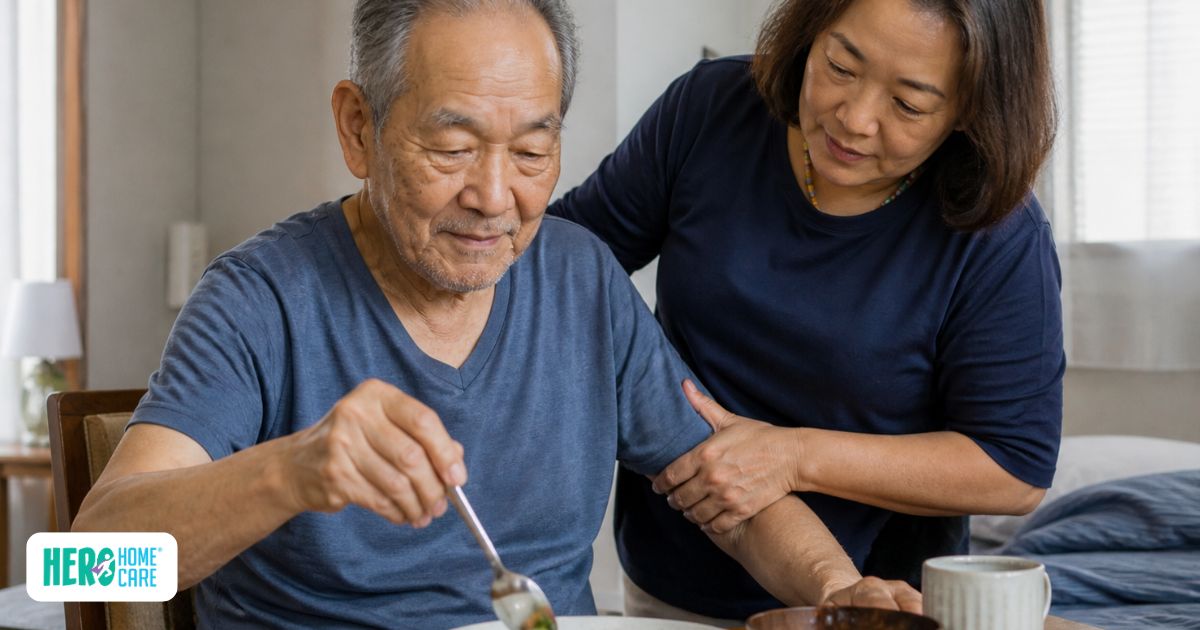
Stroke recovery at home is built around everyday activities. It includes helping your parent get out of bed, move safely around the house, eat regular meals, and follow simple routines. These tasks may seem basic, but they become the foundation of recovery. For example, you might help them sit up slowly in the morning, guide them to the chair, and stay nearby while they regain balance.
Recovery also touches different parts of daily life. Physically, your parent may need help with walking or using one side of the body. Mentally, they may forget steps in a task or seem confused at times. Emotionally, frustration or mood changes can come up, especially when simple things feel harder than before.
Home care brings all of this together in a practical way. It might mean helping with meals, guiding short exercises, assisting with getting dressed, or simply sitting nearby to reassure them when something becomes difficult. Over time, these small, repeated moments help make the home safer, more manageable, and easier to move through again.
Can seniors recover from a stroke at home?
Yes, many seniors can continue recovering at home after a stroke. Once they are medically stable and discharged from the hospital, the next phase of recovery often happens in a home setting. At the same time, how recovery unfolds depends on several factors, and it won’t look the same for everyone.
Seniors who recover at home are usually stable enough not to need constant hospital monitoring. They may still need help with daily tasks and movement, but their care can be managed at home with the right support. This is where family members often step in, sometimes with additional support, to help maintain a steady routine.
What happens day to day plays a big role in how recovery unfolds at home. The severity of the stroke plays a role, as well as how much help is available day to day. A consistent routine, a safe environment, and regular follow-through with care all make a difference. Even small details (like keeping meals on time or helping with movement the same way each day) can shape progress.
Recovery at home is usually gradual and doesn’t follow a straight line. Some days show progress, while others are slower or more frustrating. You might notice small improvements, like your parent sitting up with less help or holding a spoon more steadily, even if bigger changes take longer.
What to Expect During Stroke Recovery at Home
Recovery at home doesn’t stay the same from day to day. What you see in the first few days is very different from what things look like a few weeks later. Knowing how these stages tend to feel can make it easier to adjust and know what’s normal.
The First Days After Returning Home
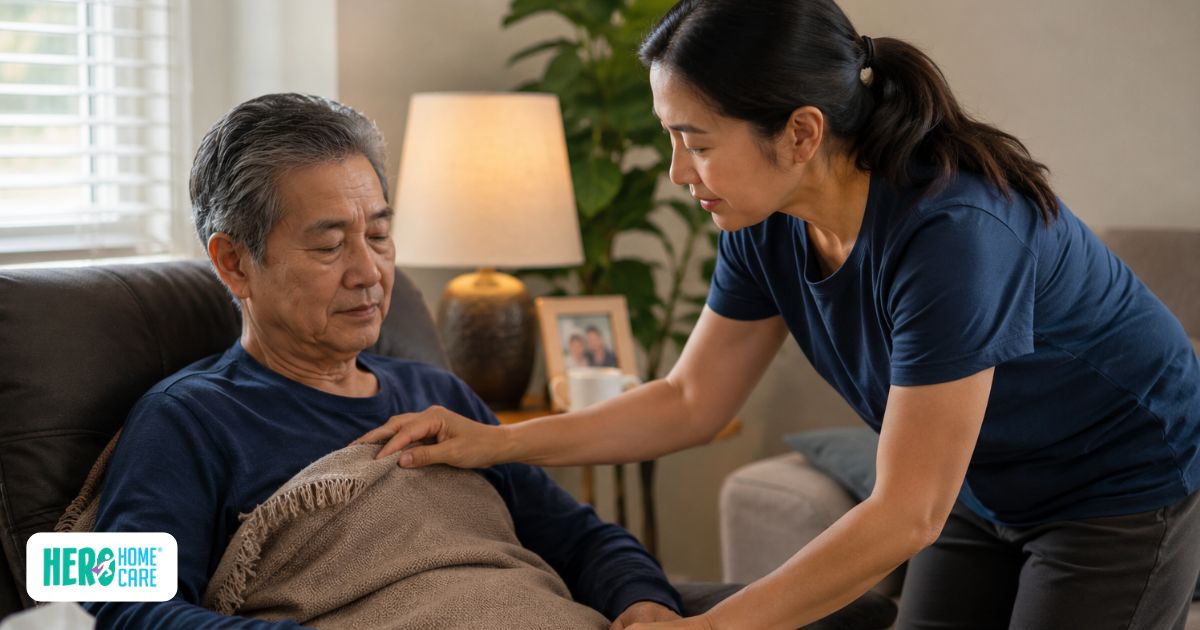
The first days at home are usually focused on rest and getting through basic tasks. Your parent may be very tired, need help sitting up, or require support just to move from the bed to a chair. You may find yourself helping with meals, getting dressed, and guiding even small movements that used to happen without thinking.
Emotionally, this stage can be uncertain. Your parent may seem confused at times or unsure of what they can do, and you may not always know how much to help or when to step in. The days are often slow and quiet, with much of the time spent watching closely, stepping in when needed, and learning what your parent can manage on their own.
The First Few Weeks of Stroke Rehab at Home
After the first few days, a routine usually starts to form. You may begin to include simple exercises, short periods of movement, and more structured times for meals and rest. You also start learning what works, when your parent has more energy, when they need breaks, and how much help they really need.
Physically, small changes may start to appear. You might notice your parent pausing before standing, taking a moment to steady themselves before moving. Your parent might be able to stand a little longer or take a few more steps with guidance. At the same time, progress can feel repetitive, with the same movements practiced again and again.
Emotionally, this stage often brings a mix of frustration and small wins. One task may go better than expected, while another remains difficult. These ups and downs are part of adjusting to a new normal at home.
Long-Term Stroke Recovery at Home
Long-term recovery is slower and more gradual. Improvements may continue, but they can be less noticeable from day to day. Some abilities may return step by step, while others take more time or remain limited.
There may also be periods where progress seems to pause. This can feel discouraging, but it doesn’t mean recovery has stopped. Staying consistent with daily routines and support often matters more than seeing quick results.
Over time, the focus shifts toward maintaining progress and building confidence in daily life. Recovery can continue for months or even years, and each small improvement, no matter how minor it seems, adds up in the bigger picture.
It’s important to keep expectations realistic. Progress is possible, but it happens at its own pace. Recovery looks different for every person. The goal is steady progress that fits your parent’s pace, not trying to rush recovery or get everything right all at once.

Common Challenges in Stroke Rehab at Home for Seniors
Recovery at home often comes with challenges that can feel unexpected at first. Many of these changes are a normal part of how the brain and body adjust after a stroke. Understanding what’s behind them can make it easier to respond without second-guessing yourself.
Mobility and physical limitations are usually one of the first things you notice. Your parent may have trouble walking steadily, seem off-balance, put more weight on one side, or struggle to use one arm or leg. This happens because the brain is relearning how to control movement, which can make even simple actions, like standing up or turning, slower and more effortful.
Speech and language can also be affected. Your parent might struggle to find the right words, speak clearly, or follow a conversation. This is because the stroke may have impacted the parts of the brain that handle communication, even if they understand more than they can express. You might notice them pausing mid-sentence or using simpler words than before.
Memory and thinking can feel different as well. Tasks that used to be automatic may now require more time or steps. Your parent might forget what they were doing, repeat questions, or seem unsure about what comes next. This reflects changes in how the brain processes and organizes information.
Emotional changes are also common and can be just as important as physical ones. Your parent may become frustrated more easily, seem discouraged, or have mood shifts that are out of character. This can result from both brain changes and the loss of independence. A simple task not going as expected can quickly lead to visible frustration, even if the task itself is small.
Caregiver stress is another part of this experience, even if it’s not always talked about. You may feel unsure or tired, or find yourself constantly on alert. That reaction is normal. Taking on this role at home comes with pressure, and it’s okay to carry that weight while you’re learning how to manage it.

What types of stroke rehab can be done at home?
Recovery at home for seniors often includes different types of stroke rehab at home, but they rarely feel like structured sessions.
Physical Therapy at Home
Physical therapy focuses on movement, strength, and balance. It helps your parent rebuild control and coordination through repeated practice.
At home, this often looks like practicing the same movement multiple times in a controlled way, such as shifting weight from one side to the other, holding a standing position for a few extra seconds, or slowly adjusting foot position to feel more stable. The focus is not on doing more, but on doing the same movement with better control each time.
Occupational Therapy at Home
Occupational therapy focuses on specific tasks and how they are completed. The goal is to retrain the body to perform everyday actions more effectively.
In practice, this might involve breaking a task into smaller steps, like guiding hand placement before starting an action or adjusting how an object is held to improve grip. You may find yourself showing the same motion repeatedly, helping your parent relearn how to complete that one task with more independence.
Speech Therapy at Home
Speech therapy supports how your parent communicates and processes language. It focuses on patterns in speaking and understanding rather than long conversations.
At home, this often means slowing down communication: pausing between words, repeating key phrases, or asking simple, familiar questions and giving them time to respond to encourage responses. You might notice that giving extra time and using the same words consistently helps your parent respond more clearly.
Cognitive Rehabilitation
Cognitive rehabilitation focuses on how your parent thinks through tasks. It helps rebuild the ability to follow steps, stay focused, and complete simple sequences.
This may look like guiding them through one step at a time, waiting for them to process, and then moving to the next step without rushing. You may notice that when tasks are broken down and repeated in the same order, your parent is able to follow along more comfortably.
How to Create a Safe Home Environment for Stroke Recovery
Small changes at home can make a noticeable difference during recovery. When the space is easier to move through and more predictable, daily activities feel less stressful and safer. The goal is to reduce strain and make each movement more manageable.
Making the Home Safe and Accessible
Start by looking at how your parent moves through the home and where spaces feel tight or awkward. Even small obstacles can interrupt movement and increase the risk of losing balance.
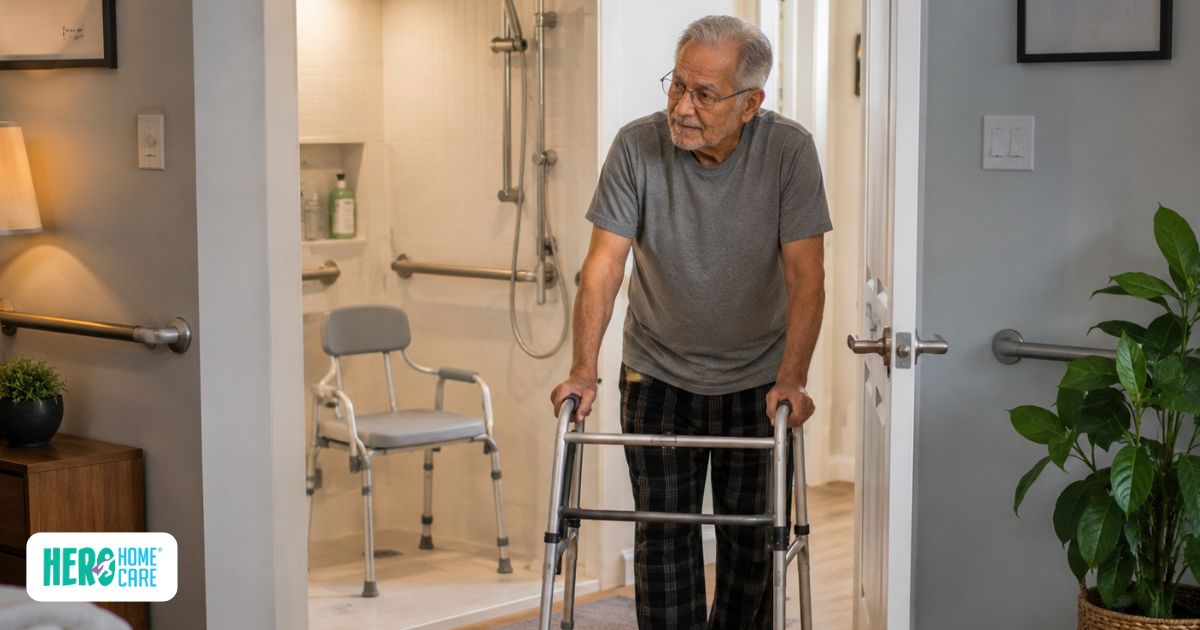
Removing loose rugs, keeping walkways clear, and making sure there’s enough space to move between furniture can help create a smoother path. Better lighting, especially in hallways and near the bed, can make it easier to see clearly and move with more confidence. Adjusting furniture placement so your parent doesn’t have to twist or reach too far can also reduce strain during simple movements.
Essential Equipment for Stroke Recovery
Some basic equipment can make daily movement safer and more supported. These tools don’t replace care, but they make certain actions easier to manage.
Grab bars in the bathroom can provide support when standing or shifting position. Bed rails can help with getting in and out of bed more steadily. A shower chair allows your parent to sit safely while bathing, reducing the need to stand for long periods. A walker or cane can offer extra stability when moving through the home, especially during short distances.
Creating a Comfortable Recovery Environment
Safety is important, but comfort also plays a role in how recovery feels day to day. A space that is calm and easy to navigate can reduce frustration and make routines smoother.
Keeping frequently used items within reach can limit unnecessary movement. Reducing clutter and keeping things in consistent places can make it easier for your parent to find what they need. A quiet, familiar setup, like having the same chair, same layout, and predictable surroundings, can help them feel more settled.
David found that his mother struggled when reaching for items placed too high in the kitchen. After a Free Care Consult with Hero Home Care, the care manager suggested rearranging a few everyday items to lower shelves, but not all at once. That small change made it easier for her to manage simple tasks without needing constant help or confusion.
Learn More: How to Create a Safe Home Environment for Aging Parents

Daily Care Routine for Stroke Recovery at Home
A consistent daily routine can make recovery feel more manageable and less overwhelming. It helps your parent regain structure, reduces confusion, and creates steady opportunities to rebuild strength and confidence.
Morning Routine
Mornings often set the tone for the day. Your parent may need extra time to wake up, sit up safely, and begin moving. Start slowly, allowing them to adjust before getting out of bed. You might help guide simple movements like sitting upright, placing feet firmly on the floor, and standing with support. Rushing this stage can increase the risk of dizziness or imbalance.
Helping with Daily Activities
Daily tasks like bathing, dressing, and eating often require patience and support. It’s important to strike a balance between helping and allowing independence. For example, you might assist with setup (laying out clothes or preparing food) but give your parent time to complete parts of the task on their own. This helps rebuild confidence and prevents frustration.
Medication and Appointments
Medication routines need to stay consistent, especially after a stroke. Using a pill organizer or written schedule can reduce confusion and missed doses. Follow-up appointments, therapy sessions, and check-ins are also part of the routine. Keeping everything in one place, such as a notebook or calendar, can help you stay organized and reduce stress.
Learn More: Signs Your Senior Parent Is Forgetting Medication
Therapy and Movement
Recovery often depends on repetition. Simple exercises may be recommended by therapists, and these are usually done in short sessions throughout the day. This might include guided walking, balance practice, or basic coordination exercises. Focus on quality rather than quantity, and allow breaks when your parent becomes tired. Overexertion can slow progress.
Nutrition
Eating regularly can be more difficult after a stroke, especially if appetite, swallowing, or coordination is affected. Offering smaller, frequent meals can help maintain energy without overwhelming your parent. Soft foods, easy-to-handle utensils, and a calm eating environment can make meals easier and safer.
Rest and Sleep
Recovery takes energy, and fatigue is very common. Building in rest periods during the day helps prevent exhaustion and supports steady progress. Even short breaks between activities can make a difference. In the evening, a simple and consistent routine can help your parent settle into sleep more comfortably.
How Family Caregivers Can Support Stroke Recovery
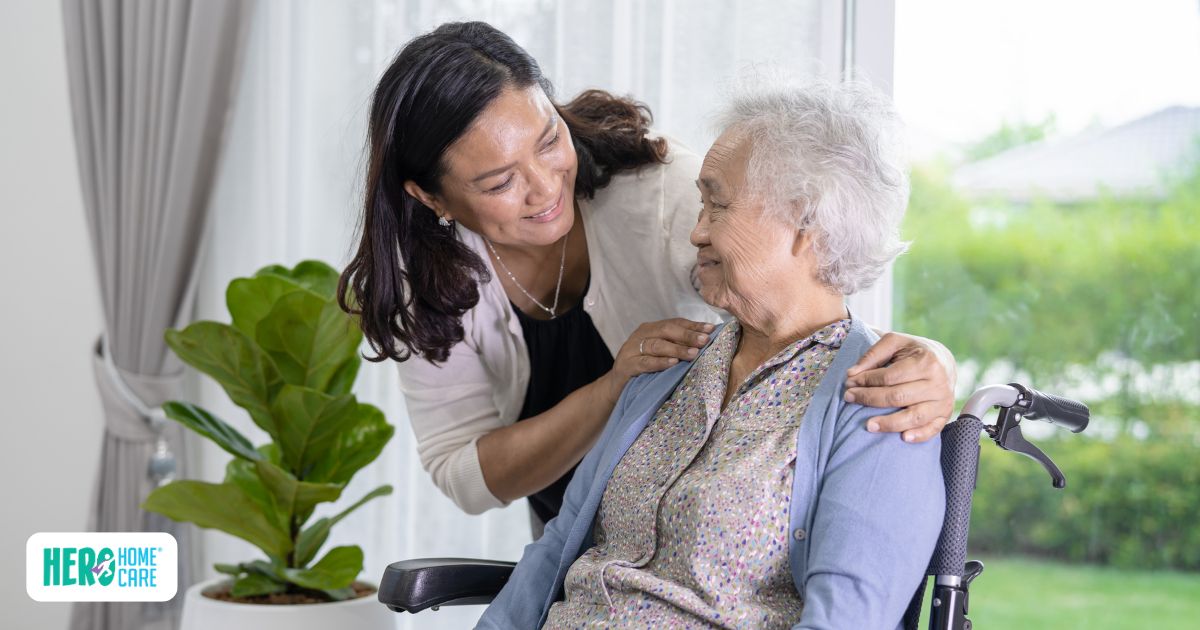
Family caregivers often become a central part of recovery once a parent returns home. That can be a lot to carry at first. What matters most is not doing everything perfectly, but being present and consistent from day to day.
Your role is less about doing everything yourself and more about helping the day stay steady. You’re there to support routines, notice what your parent needs, and reinforce what they’re already working on, not to replace professionals or have all the answers.
Emotional support becomes just as important as physical help. There will be moments when your parent becomes frustrated or discouraged. Staying calm, speaking gently, and giving those moments time to pass can make a noticeable difference. Sometimes just being nearby is enough.
Encouraging without pushing too hard takes some adjustment. It helps to give your parent time to try things on their own, even if it takes longer.
It’s also important to recognize your own limits. Being tired or unsure is part of caregiving. Taking breaks, asking for help, and not trying to carry everything alone can make this role more manageable over time.
Learn More: How to Help a Parent Recover Safely at Home After Surgery
Signs of Progress in Stroke Recovery at Home
Progress at home can be easy to overlook in everyday moments, especially when changes are subtle. It doesn’t always show up as big improvements, but in small shifts that make daily activities easier over time.
Physical improvements often appear in how movements come together. Your parent may pause before moving but complete the action more smoothly than before, or need slightly less support when adjusting their position. These moments can be brief, but they often show growing coordination and control.
Cognitive improvements can show up in how your parent handles familiar tasks. You might notice they need fewer reminders to complete something they’ve done before, or seem more certain about what comes next in a simple routine. These small signs of clarity can make daily interactions more predictable.
Behavioral and emotional changes can also reflect progress. Your parent may recover more quickly after something doesn’t go as expected, or show more willingness to stay engaged even when a task is challenging. These shifts can make the day more steady for both of you.
For example, you might notice your parent pausing less before responding to simple questions, making conversations a bit easier than before.
Warning Signs That Require Medical Attention
Recovery at home can have ups and downs, and not every difficult day means something is wrong. At the same time, some changes should not be ignored. Knowing when to act can make a critical difference.
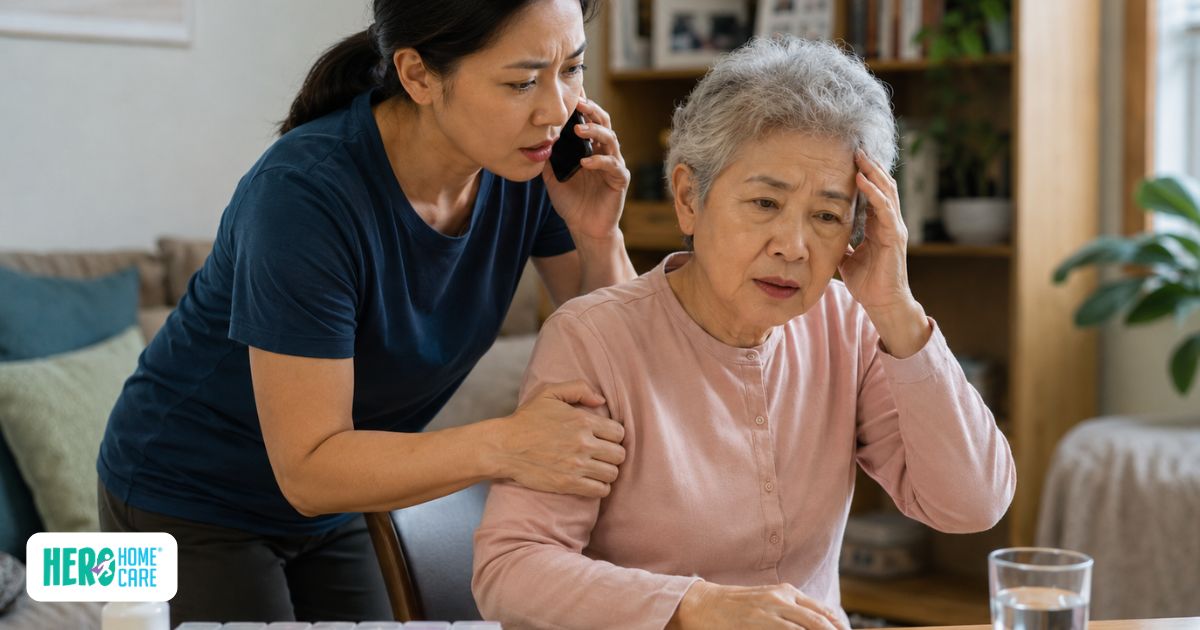
One of the most important things to watch for is signs of a possible stroke happening again. Sudden weakness on one side of the body, difficulty speaking or understanding, facial drooping, or a sharp change in awareness are all warning signs. If you notice any of these, call emergency services immediately.
A sudden decline in condition is another signal to take seriously. If your parent quickly loses abilities they had started to regain, becomes much more confused, or seems very different from their usual state, this is not part of normal recovery. In these cases, seek medical attention right away.
Safety concerns can also point to a need for urgent help. Frequent falls, a sudden inability to move safely, or a noticeable loss of balance that wasn’t there before should not be ignored. These changes can increase the risk of injury and may indicate something more serious.
If something feels sudden, unusual, or hard to explain, it’s always safer to get medical help.
When to Consider Professional Stroke Home Care Services
Many families begin by managing stroke recovery on their own. This is a natural first step. Over time, it’s common to reach a point where the day-to-day demands become harder to manage alone, and bringing in support becomes part of keeping things steady.
When care becomes physically or emotionally demanding, it can start to show in small ways. You may be constantly tired, find it harder to keep routines consistent, or feel like there’s no real break in the day. This is a common part of caregiving, not a sign that you’re doing something wrong.
Increasing safety concerns can also signal a need for additional support. If you’re noticing more near-falls, difficulty moving safely, or the need to watch every movement closely, it can become difficult to maintain that level of attention on your own.
Recovery may also become less structured. Routines can become inconsistent, exercises may be missed, or the next steps may not be clear. When that structure starts to slip, it can affect how steady progress remains at home.
At times, it may simply be hard to keep up. The day can become more about reacting to what’s happening rather than being prepared for it.
Reaching this point doesn’t mean you’ve fallen behind. It often means the situation requires more support than one person can comfortably provide, and it’s okay to respond to that.

How In-Home Care Supports Stroke Recovery
Support at home can make daily care more organized and easier to manage, especially as needs change from one day to the next. This added structure brings consistency into the day without making it rigid or overwhelming.
Personalized care plans are shaped around how your parent is doing each day. Some mornings may start slower, while other times they may have more energy to do a bit more. Adjusting the pace (when to rest, when to try an activity) helps the day feel more manageable instead of overwhelming.
Therapy support at home is often about repetition and guidance. Instead of formal sessions, it can look like helping your parent repeat a movement correctly or reminding them of the next step in a simple activity. The focus stays on doing small things consistently, rather than trying to do too much at once.
Daily assistance is there to support, not take over. A caregiver may step in at the start of a task, then step back once your parent is able to continue. This balance helps maintain independence while still making sure tasks are completed safely and without unnecessary strain.
Ongoing monitoring happens quietly in the background. Small changes, like how steady your parent is, how much energy they have, or how they respond during the day, can be noticed early. This makes it easier to adjust the approach before those changes start to affect daily routines.
This kind of support can also take pressure off you, making it easier to stay consistent without having to manage everything on your own.

Stroke Recovery Home Care in North Vancouver: How Hero Home Care Helps Families
In North Vancouver, many families are supporting a parent’s stroke recovery at home while managing their own daily responsibilities. It’s often a balance between helping enough and not feeling overwhelmed. Local in-home care can help maintain that balance by fitting into the routines you’re already trying to manage.
Support is usually shaped around what the home situation actually looks like. Some families need help during certain parts of the day, while others need more consistent coverage. The approach stays flexible, adjusting to how your parent is doing and what kind of help is most useful in the moment.
Services are usually focused on keeping the day moving without unnecessary strain; supporting key parts of the routine so they don’t fall apart when things get harder to manage. Some families also use scheduled or overnight care when it becomes difficult to keep everything consistent.
There is also a level of familiarity that builds over time. Heroes are trained to support stroke recovery and work in a consistent way, so your parent isn’t adjusting to a new approach every day.
Lina noticed her father becoming stuck midway through getting dressed. Antora, a Hero from Hero Home Care, stepped in, guided the next step, then stepped back once he continued. The moment passed without building into frustration.
For families in North Vancouver, having this kind of steady, local support can make daily care feel more steady and easier to keep up with, without changing the home environment too much.
Final Thoughts: What Stroke Recovery at Home Really Looks Like
Stroke recovery at home is often quieter and slower than expected. It unfolds through small, repeated moments, such as helping with a task, adjusting the pace of the day, and noticing slight changes that build over time. Some days are steady, others are uncertain, and both are part of the process. What matters is not speed, but staying consistent and giving those small efforts time to add up.
You don’t have to get everything right to make a difference. Most caregivers learn as they go, adjusting based on what they observe each day. It’s okay if some moments are unclear or heavy. If recovery at home starts to feel difficult to manage alone, having the right support in place can make each day more structured, safer, and easier to navigate.