

When an elderly parent refuses to take medication, or when a senior won’t take medication consistently, it can feel unsettling. You may worry about their health, question what’s really happening, or feel caught between respecting their choices and trying to keep them safe.
It can sometimes be misunderstood as resistance, but in many cases, there are underlying physical, emotional, or cognitive factors shaping that response.
Understanding what this behaviour means is important. In many cases, it signals a gap between what your parent can manage independently and the level of support they now need.
Missed or inconsistent medication can affect health, especially for chronic conditions, but responding with pressure or urgency can sometimes increase resistance. Looking more closely at what’s behind the behaviour is often the first step toward addressing it effectively.
This blog explores why medication refusal happens, what it can signal, how to respond in a steady and respectful way, and when additional support may be helpful.
Here is the Quick Answer:
Medication refusal in older adults is more common than many families expect, and it’s rarely random. It can be linked to memory changes, side effects, confusion, emotional resistance, or difficulty managing routines. While occasional missed doses may not seem serious, repeated patterns can affect health and create growing uncertainty for caregivers.
Understanding the reason behind the behaviour and responding with calm, respectful communication can make a meaningful difference. Over time, small adjustments and consistent support (including help from others when needed) can reduce stress, improve medication habits, and make the situation feel more manageable for both the parent and the family.
Why do seniors refuse to take medication?
When a parent refuses medication, it can feel confusing and difficult to interpret. What looks like resistance is often shaped by underlying factors that aren’t immediately visible and can shift from day to day.
Forgetfulness and Memory Issues
For many seniors, missed medication is not a decision but a memory gap. They may forget whether they’ve already taken a dose or lose track of time entirely. This can lead to skipping medication to avoid taking it twice. For example, a parent may leave pills untouched because they’re unsure if they already took them earlier.
Learn More: Signs Your Senior Parent Is Forgetting Medication

Dementia or Cognitive Decline
Cognitive changes can affect how a person understands medication and why it matters. A parent may feel confused, suspicious, or unsure about what the medication is for. This can lead to hesitation or refusal, even if they previously followed the routine.
Mary began hiding her pills in a drawer because she believed they were unnecessary, even though she had taken them consistently before. Over time, her confusion made it harder to connect the medication to her health.
Side Effects or Discomfort
Some seniors avoid medication because of how it makes them feel. Nausea, dizziness, or fatigue can create a strong association between medication and discomfort. Even mild side effects can be enough to make someone hesitant to continue. In some cases, medication is avoided after a single unpleasant experience.
Emotional Resistance or Loss of Independence
Taking medication can feel like a reminder of aging or loss of control. Some seniors may resist because they want to maintain a sense of independence or avoid feeling managed. This kind of resistance is often rooted in how the situation feels, rather than the medication itself. For example, a parent may delay taking medication when reminded, simply to feel in control of the decision.

Complexity of Medication Routines
Managing multiple medications at different times can quickly become overwhelming. Confusion about timing, dosage, or instructions can lead to avoidance altogether. When routines feel too complicated, it’s easier to skip than risk making a mistake. An afternoon dose might be skipped simply because the timing feels unclear.
Physical Difficulties
Physical challenges can also make taking medication harder than it seems. Difficulty swallowing pills, opening containers, or reading labels can create quiet barriers. These challenges are often easy to miss but can quietly interfere with daily routines. For example, a parent may leave medication untouched because the bottle is too difficult to open.
Medication refusal can take different forms. Some seniors forget doses unintentionally, while others actively resist taking medication due to fear, discomfort, or confusion. In some cases, a parent may delay taking medication, take it inconsistently, or agree in conversation but not follow through. Recognizing the type of refusal can make it easier to choose the right approach.
Is it dangerous when elderly stop taking medication?
It’s natural to feel concerned when a parent starts missing or refusing medication, especially when it’s unclear whether the impact is immediate or gradual.
In some cases, missing medication can lead to gradual changes that aren’t immediately obvious. Conditions like blood pressure, diabetes, or heart issues may become harder to manage, and symptoms can slowly return or worsen.
For example, someone managing blood pressure may feel fine at first after missing doses, but over time, their levels can rise without clear warning. When medications are stopped suddenly, the body can also react to sudden changes, sometimes causing withdrawal effects or noticeable physical discomfort, depending on the medication.
The level of risk varies depending on the medication and condition, but repeated missed doses can still lead to serious health consequences over time. Even when the impact is not immediate, ongoing gaps can increase the chances of complications, including the need for urgent medical care or hospitalization.

Signs Your Parent Is Not Taking Medication Properly
The signs aren’t always obvious at first. Changes in medication routines often show up in small, easy-to-miss ways, especially when everything else seems normal.
Sometimes pills remain in the organizer at the end of the day, or a bottle looks fuller than expected. Routines may become inconsistent, with doses taken at different times or skipped without a clear pattern. A parent may also seem unsure about what each medication is for, asking the same questions or hesitating before taking it.
In other cases, the signs appear more gradually. Symptoms that were once stable may begin to return, or energy levels and mood may shift in ways that don’t have a clear explanation. These changes are often subtle and easy to attribute to something else at first.
More noticeable patterns can also emerge over time, such as more frequent doctor visits or even hospitalizations without a clear explanation. These situations are sometimes linked to inconsistent medication use, especially when routines have been quietly breaking down.
One evening, Sara noticed that her father’s pill organizer looked the same as it had the night before. He insisted he had taken everything, but something felt slightly off. That small detail was enough to make her pause and look more closely at the routine.
Noticing these small shifts can help bring clarity to a situation that may otherwise feel inconsistent or hard to interpret.
What to Do If Your Parent Refuses Medication or Stops Taking It
This situation can feel frustrating, especially when it’s not clear why it’s happening or how to respond. In many cases, small, thoughtful adjustments work better than pressure or repeated reminders.
If you’re wondering what to do if your parent refuses meds, the key is to focus on understanding the cause before trying to fix the behaviour.
Identify the Reason Behind Medication Refusal
Start by paying attention to patterns. Notice when medication is missed and what’s happening around that time, then ask simple, open questions without assuming the reason. Sometimes the reason becomes clearer by noticing patterns over a few days, rather than trying to solve it in a single moment.

Start with a Calm and Respectful Conversation
A calm, low-pressure conversation often creates more openness than repeated reminders. Try to speak at a neutral moment rather than during the routine itself, and focus on understanding rather than correcting.
Evelyn found that when she stopped reminding her father during meals and instead asked about it later in the day, he became more willing to share what was bothering him.
Simplify the Medication Routine
Reducing complexity can make a big difference. Using a simple pill organizer or linking medication to daily habits, like breakfast or bedtime, can make the process feel more natural.
The goal is to make medication part of the day, not a separate task to remember.
Address Physical or Medical Barriers
If taking medication feels physically uncomfortable, it may be avoided without being mentioned. Difficulty swallowing, unpleasant taste, or side effects can all play a role. In some cases, switching to a liquid form, adjusting timing, or reviewing side effects with a doctor can make the routine easier to follow.
Use Reminders and Support Systems
Gentle reminders can help when forgetfulness is part of the issue. This might mean placing medication where it’s easily seen, or building it into an existing routine so it doesn’t rely on memory alone.
Light supervision or check-ins can also provide reassurance without feeling intrusive.
Involve a Healthcare Professional
If the pattern continues or becomes more frequent, it may help to involve a doctor or pharmacist. A medication review can clarify what’s necessary, adjust doses, or simplify the routine. Professional input can bring clarity, especially when it’s unclear whether the issue is routine, tolerance, or the medication itself.

Signs That Medication Refusal Is Becoming a Serious Problem
It’s common for a parent to resist medication from time to time. What matters more is whether the pattern becomes consistent over days or weeks. When a pattern starts to form, it may signal that the situation is shifting beyond occasional resistance.
Repeated Patterns of Refusal
A single missed dose is usually not the issue. Concern grows when medication is skipped regularly or avoided in similar situations, such as the same time each day. Over time, these repeated gaps can quietly become part of the routine without being fully noticed.
Changes in Health or Symptoms
As missed doses continue, small changes in health may begin to appear. Conditions that were once stable can become less predictable, and symptoms may return gradually rather than all at once.
Loss of Independence and Safety Risks
Ongoing refusal can also affect how well a parent manages daily routines. Confusion about what to take or when can become more frequent, and tasks that once felt simple may start to feel overwhelming. As this builds, there may be subtle changes in balance, awareness, or overall safety that begin to affect how steady daily life feels.
These changes rarely happen all at once. They tend to build gradually, which is why noticing patterns over time often gives a clearer picture than focusing on individual moments.
Learn More: What Are the Early Signs a Senior Can’t Live Alone Safely

How to Talk to an Elderly Parent About Taking Medication
These conversations can feel uncomfortable, especially when emotions are already running high. It’s not always easy to bring up something that may lead to resistance or tension, which is why how you approach it often matters as much as what you say.
A calm, respectful tone can make a noticeable difference. When the conversation feels like a discussion rather than a correction, it’s easier for your parent to stay open. Slowing down, choosing the right moment, and speaking without urgency can reduce the sense of pressure.
Showing empathy can also shift the dynamic. Instead of focusing on whether the medication is being taken correctly, it can help to acknowledge how the process feels from their perspective. Feeling heard often reduces defensiveness more than being reminded or corrected.
Involving your parent in decisions, even in small ways, can restore a sense of control. Asking how they prefer to approach things or what feels difficult can make the situation feel more collaborative. When people feel included, they’re less likely to resist.
Norah shared that conversations with her mother often turned tense when she focused on reminding her. Over time, she shifted to asking simple questions about how her mother felt about the medication, and the tone changed. The issue didn’t disappear, but the conversations became calmer and more productive.
Keep Reading: Communicating With Elderly Parents
What Not to Do When Seniors Stop Taking Medication
It’s easy to react quickly when you’re worried, but certain responses can unintentionally make the situation harder.
Forcing medication, even with good intentions, can create resistance and damage trust. When someone feels pushed, they’re more likely to withdraw or become less open in future interactions.
Arguing or correcting can also escalate tension. Trying to prove a point or convince your parent they’re wrong may lead to defensiveness, rather than understanding.
Ignoring the issue might feel easier in the moment, especially if conflict is uncomfortable. But over time, avoiding the conversation can allow patterns to continue without being addressed, making the situation harder to manage later.

How In-Home Care Can Help When Seniors Stop Taking Medication
Managing medication on your own can become difficult over time, especially when routines change or resistance begins to build. In-home support can ease that pressure while still allowing your parent to feel independent and in control of their routine.
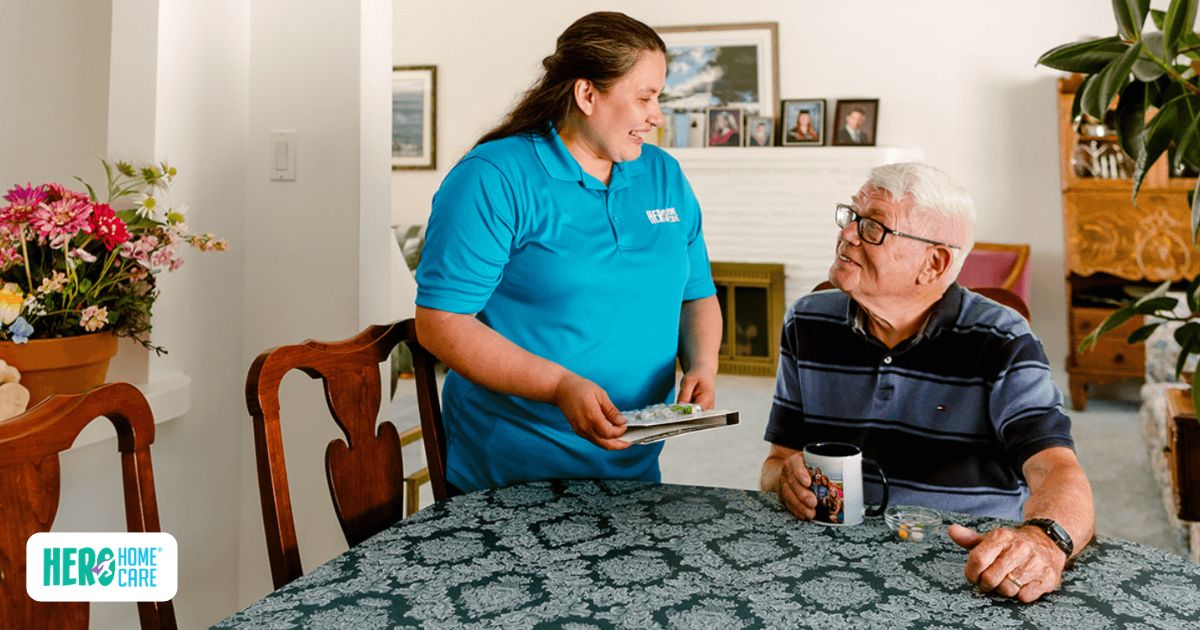
With the right kind of support, medication becomes part of a natural routine rather than something that feels imposed. A trained support professional can offer gentle reminders at the right moment, often tied to daily habits like meals or bedtime, which makes the process feel less disruptive. Instead of constant checking or correcting, the focus stays on consistency without adding pressure.
Ongoing presence also makes a difference. When someone is there regularly, small changes are easier to notice, and support can adjust quietly over time. This kind of light monitoring helps reduce missed doses without making your parent feel watched or controlled. At the same time, companionship can lower resistance, as trust builds through everyday interaction, rather than relying on repeated reminders.
One daughter, Ginny, shared that medication had become a daily point of tension with her father. She arranged a free care consult through Hero Home Care. Soon after, a Hero named Vanessa began visiting in the mornings. Over time, Ginny noticed her father was more open to taking his medication when it came up naturally in conversation, rather than as a separate reminder. The routine wasn’t perfect, but it felt more manageable for both of them.
Over time, this kind of support can make things feel more steady. It helps create steadier habits while reducing pressure on family relationships, allowing family members to step back slightly without feeling like everything depends entirely on them.
Learn More: When Elderly Parents Refuse Home Care: What You Can Do Next
When to Consider Hero Home Care in North Vancouver
Deciding when to bring in support doesn’t usually happen all at once. For many families, it’s a gradual realization that the situation is becoming harder to manage consistently. It’s also common to feel unsure about when that shift is happening.
One of the first signs is when medication refusal becomes a pattern rather than an occasional moment. If reminders, conversations, or routines no longer seem to make a difference, it may point to a need for more consistent support than a family member can provide alone.
Another situation is when family members are no longer able to monitor things regularly. Work schedules, distance, or other responsibilities can make it difficult to stay involved day to day, even with the best intentions. Over time, this can create gaps in care that are hard to close without additional help.
Changes in memory or understanding can also make medication routines more difficult to manage. When confusion becomes more frequent, or when instructions are harder to follow, support may help create a steadier structure without adding pressure to the relationship.
Tom once shared that he didn’t notice the shift right away. His mother had always managed her medication independently, but over time he found himself double-checking more often and feeling less certain. It wasn’t one moment that stood out, but a gradual sense that things were becoming harder to keep track of on his own.
In situations like these, families sometimes begin to explore support options such as Hero Home Care in North Vancouver. Having access to local, consistent care can provide an added layer of stability, especially when it’s introduced before the situation becomes overwhelming.
Final Thoughts: Supporting Your Parent Without Conflict
Supporting a parent through medication challenges can feel more complicated than it seems on the surface. What looks like resistance is often shaped by fear, confusion, or a need to hold onto independence, which can make the situation emotionally charged for both sides.
In many cases, progress comes through patience and consistency rather than trying to fix the issue quickly. When the focus shifts from control to understanding, conversations tend to feel less tense and more cooperative, even if the situation doesn’t change overnight.
Over time, some families find that sharing responsibility makes the process more manageable. Whether that support comes from relatives or options like in-home care or medication management services, having someone alongside you can ease the pressure and help maintain a calmer, more balanced approach.