
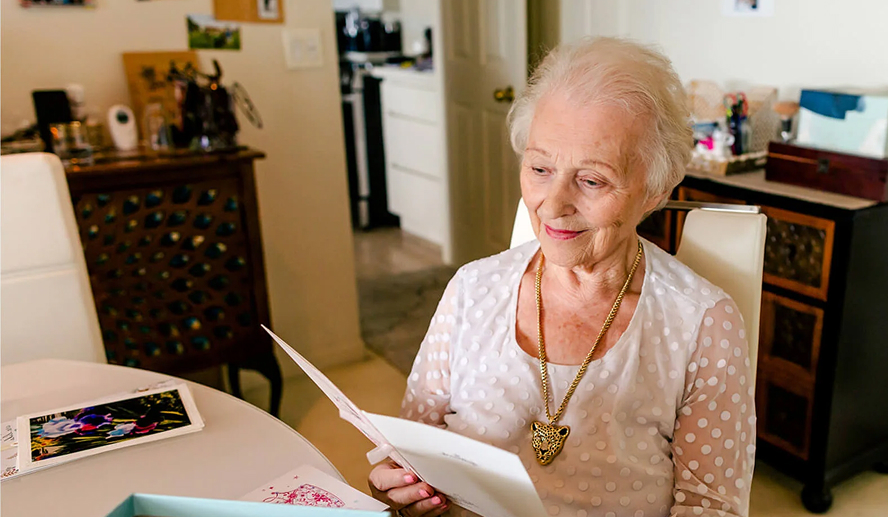
Dementia & Alzheimer’s Care in Burnaby
Compassionate in-home support for seniors living with memory loss. Hero Home Care provides steady, personalized care that brings comfort, safety, and dignity to every day.
CompassionateAlzheimer’s and Dementia Carefor Seniors in Burnaby
- Memory changes can make daily life feel unfamiliar and overwhelming, both for seniors and their families. Hero Home Care provides calm, structured support that helps each day feel safer, more predictable, and more connected.
- Our approach centers on empathy, patience, and personalized routines. Heroes listen closely, move at a gentle pace, and adapt care to match each individual’s abilities, preferences, and comfort. Families trust us because we treat every person with the respect and understanding they deserve.
- This service is designed for seniors living with Alzheimer’s, dementia, or early memory loss, as well as families who need professional guidance and reliable day-to-day support.
- Dementia care in Burnaby may need to account for busy apartment and high-rise environments in areas such as Metrotown or Brentwood as well as quieter residential settings. Hero can help with familiar routines, personal care, meals, companionship, and everyday activities while medical diagnosis and treatment remain with healthcare professionals.
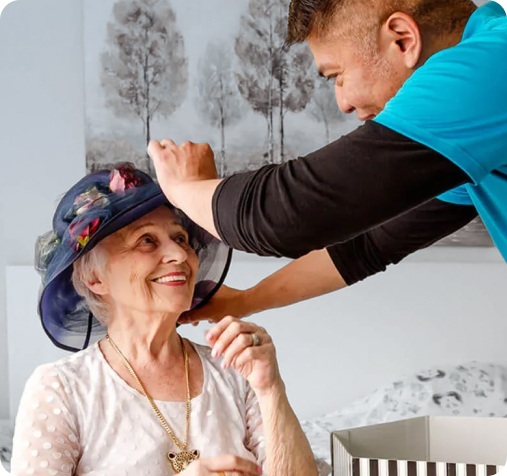
What’s Included in Our Alzheimer’s and Dementia Care Services?

Maintaining a familiar and safe environment
We reduce confusion by supporting simple layouts, clear pathways, and consistent routines.
Memory games and activities
Gentle cognitive engagement through music, conversation, puzzles, and reminiscence.
Providing consistent visits and a regular routine
Predictable schedules that bring stability, ease, and emotional reassurance.
Respite care for family members
Reliable support that gives caregivers time to rest, recharge, and tend to personal needs.
Personal care
Assistance with bathing, grooming, dressing, and mobility delivered with dignity and patience.
Cooking and meal preparation
Familiar meals prepared with attention to safety, nutrition, and personal preference.
Homemaking
Light housekeeping and tidying to keep the home calm, organized, and supportive.
How Alzheimer’s and Dementia Care Helpsand Benefits Seniors in Burnaby
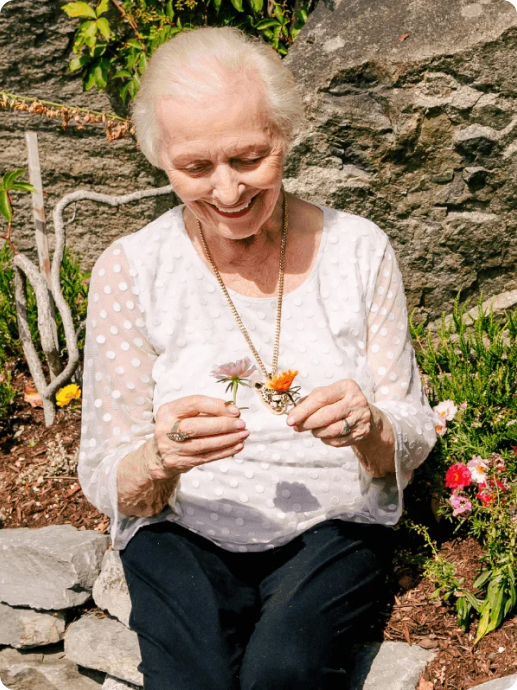
Greater emotional stability
Familiar routines, gentle redirection, and calm companionship help reduce anxiety, agitation, and confusion.
Improved safety at home
Meaningful social connection
Support for families
Personalized care at every stage
Why ChooseHero Home Care in Burnaby?
Our Heroes
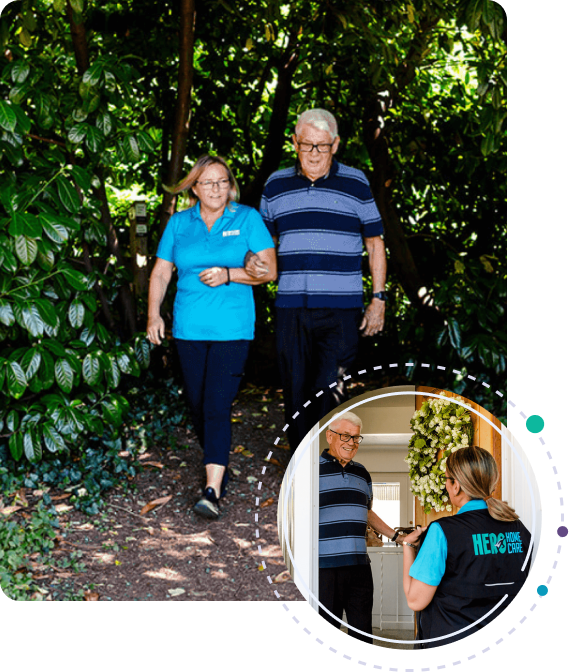
We don’t just recruit caregivers, we hire heroes. Every one of our caregivers is hero approved and offered a living wage, health benefits, and ongoing training and development opportunities. We take care of our heroes so they can take care of you.
Nurse Care Management
24/7 Access. 24/7 Service.
Scheduling and Care Coordination
We Always Go Above and Beyond
Local Care on the Burnaby
Getting Started with Alzheimer’s and Dementia Carein Burnaby
Book a free Care Consult
Contact us
Looking for help, but don’t know where to start? Give us a call anytime to book your free in-home Care Consult.
Free Care Consult
Our Care Manager will meet with you and your family for a free in-home Care Consult to design your personalized home care solution.
Meet Your Hero
We will match you with a hero based on your needs, personality and preferences and be there to introduce them to you at your first visit.

See What our 3000+Customers Are Saying
Explore More of Our Services in Burnaby
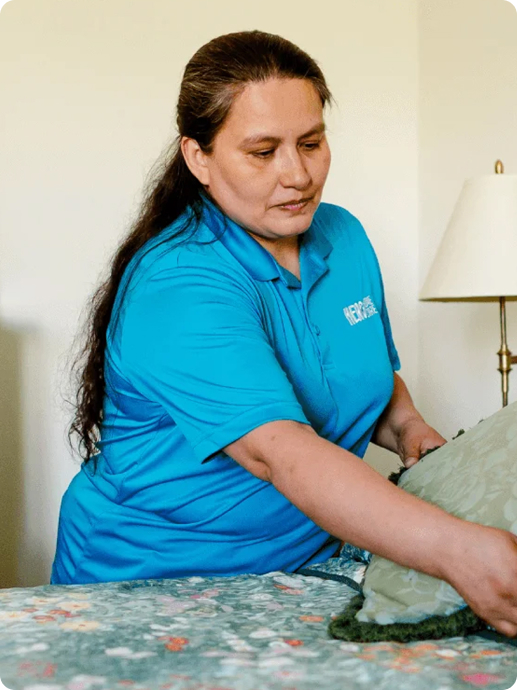
Homemaking Services in Burnaby

Personal Care in Burnaby
Transportation for Seniors in Burnaby
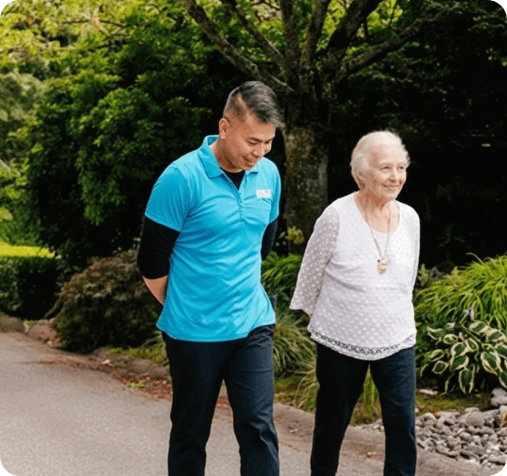
Companionship Care in Burnaby
End of Life Care at Home in Burnaby

Medication Management Services in Burnaby

Nursing Care in Burnaby
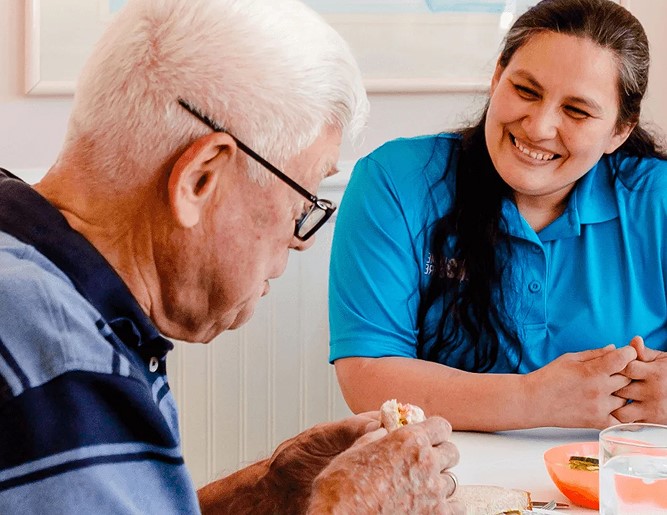
Senior Meal Preparation in Burnaby
The Hero Blog
All Journal Post

How Home Care Supports Seniors With Limited Mobility
Limited mobility can make walking, personal care, meal preparation, household tasks, and community activities more difficult. The cause may be a health condition, an injury, surgery, a hospital stay, or gradual changes in strength, balance, flexibility, and endurance. Home care for mobility issues can provide practical assistance without taking over…

Home Care Tips for Seniors With COPD: A Complete Guide to Safe and Comfortable Living at Home
Living with COPD often becomes more demanding with age because routine activities require more energy than they once did. Reduced stamina, slower recovery after exertion, and changing physical abilities can make daily routines and independent living at home more challenging. Tasks such as getting dressed, preparing meals, climbing stairs, shopping,…

North Vancouver Senior Resources: A Complete Guide for Seniors and Families
Choosing among senior services can become difficult when health, transportation, housing, memory, social connection, and family-caregiving needs change at different times. A resource that is useful after a hospital discharge may not address longer-term concerns such as isolation, mobility, dementia planning, or the sustainability of the current living arrangement. This…
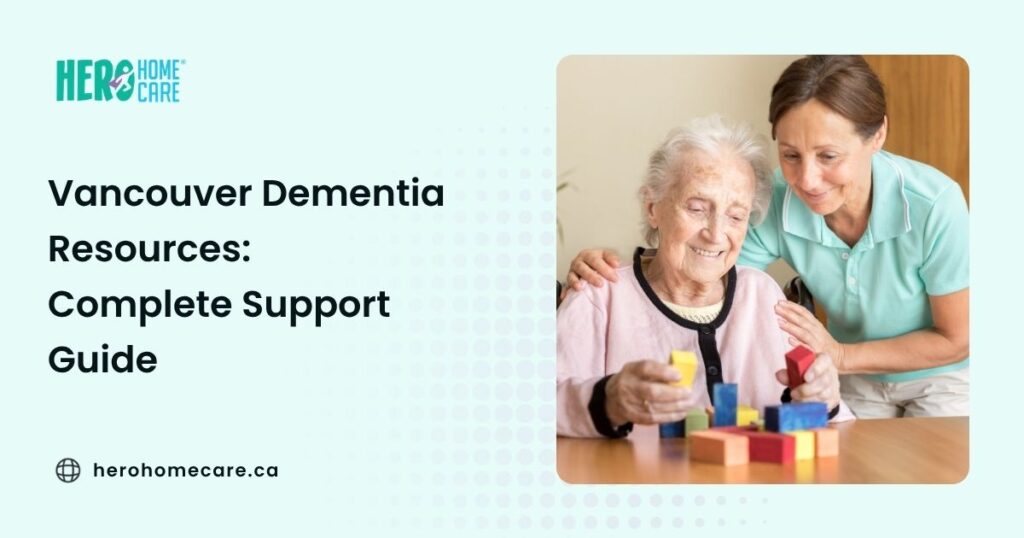
Vancouver Dementia Resources: A Complete Guide to Dementia Support
A dementia diagnosis can introduce questions about medical care, safety, caregiving, finances, legal planning, community involvement, and future living arrangements. Vancouver families may need to coordinate several organizations and services, often without knowing which resource to contact first. This guide explains the principal dementia resources available in Vancouver, including medical…

Elderly Refusing to Eat at End of Life: What Families Should Know
Watching an older adult lose interest in food during serious illness can feel unsettling, especially when long-standing eating habits begin to change. Relatives frequently worry they are missing something critical or not doing enough. In many situations, though, eating and drinking less can be part of the body’s natural changes…

How We Create Personalized Care Plans at Hero Home Care
Standardized home care arrangements can overlook details that shape how an older adult actually functions day to day. A schedule that works well for one person may become difficult for someone managing reduced balance, memory changes, disrupted sleep, chronic pain, or a stair-heavy household layout. At Hero Home Care, planning…
Frequently Asked Questions
01
What is included in Alzheimer’s and dementia care?
02
How do I schedule Alzheimer’s and dementia care?
03
Does Hero Home Care provide services throughout Burnaby?
04
How is Hero Home Care different from other dementia care providers in Burnaby?
05
What types of activities help with memory support?
06
How do you handle wandering or agitation?
07
How do you integrate family into the care plan?
08