
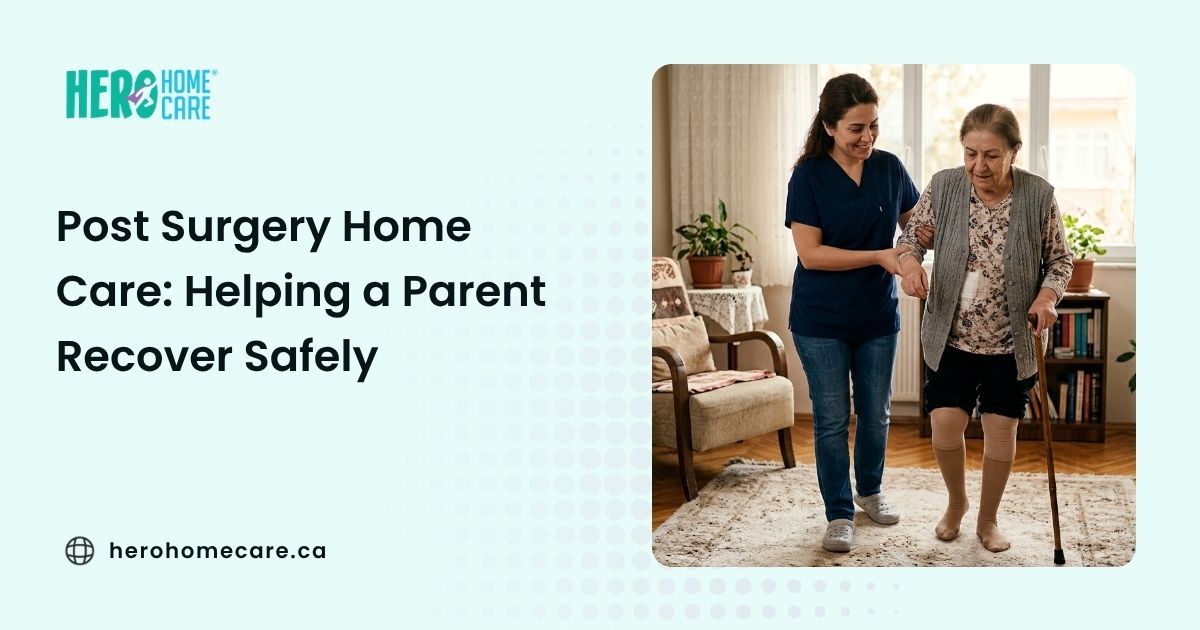
Bringing a parent home after surgery can feel overwhelming in a way that’s hard to anticipate. The discharge instructions may seem clear at the hospital, but once you’re home, the responsibility becomes real. You may find yourself wondering if they’re moving safely, taking the right medications, or showing signs of recovery as expected.
Recovery at home is rarely just about rest. It often involves managing mobility, medications, meals, hygiene, and changes in energy or awareness. For many families, the challenge is not a lack of effort, but uncertainty about what matters most and what could go wrong.
This guide is here to make that process clearer. It explains what post surgery home care involves, how to prepare your home, what to expect in the early days, and when additional support may help make recovery safer and more manageable.
Here is the Quick Answer:
Helping a parent recover safely at home after surgery means focusing on mobility, medication, daily routines, and early warning signs.
The first few days are the most important, as seniors may be weaker, at higher risk of falls, and more dependent on support. Preparing the home, staying organized with medications, and watching for complications can make recovery smoother.
If your parent cannot move safely, manage routines, or be left alone comfortably, short-term home care support can reduce risk, prevent setbacks, and ease the burden on family caregivers.
What does post surgery home care include?
Post surgery home care refers to the support a person needs after returning home from the hospital to recover safely. While discharge usually means that immediate medical risks are under control, it does not mean your parent has returned to their normal level of independence.
In practice, recovery at home involves a mix of physical assistance, supervision, and routine support. A parent may need help moving safely, managing medications, preparing meals, or completing basic daily tasks that were previously routine. There is also an element of observation: watching for changes in condition, signs of complications, or difficulties following recovery instructions.
For older adults, recovery can be slower and more complex. Even minor procedures can temporarily affect balance, strength, memory, or confidence. This is why many families find that post surgery care involves more day-to-day support than they initially expected.
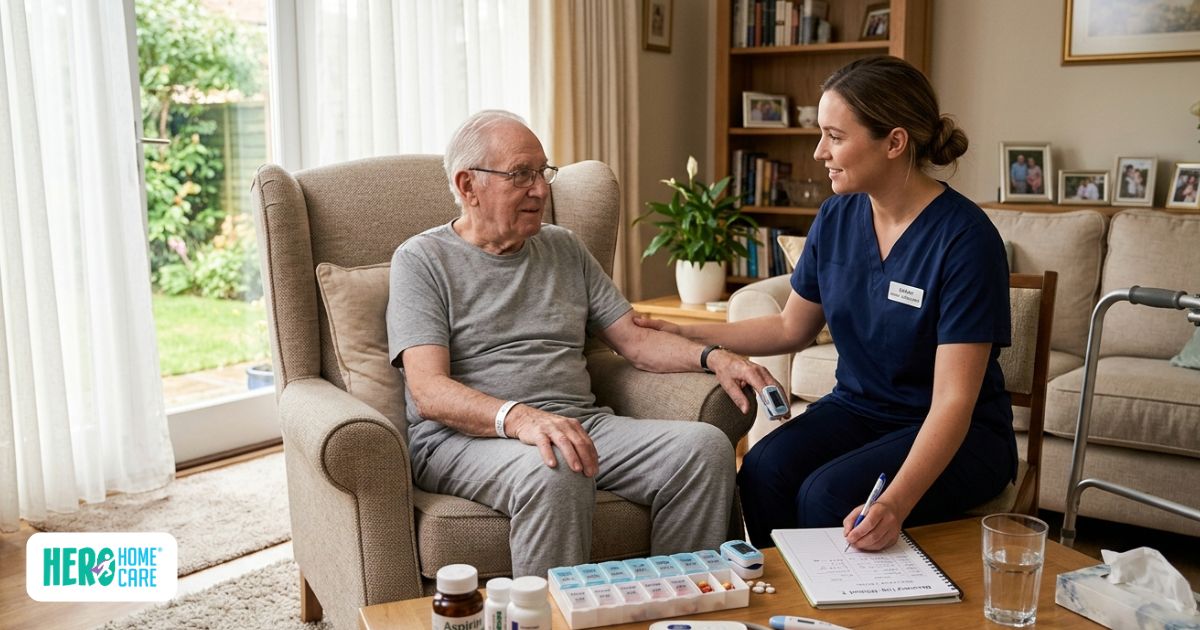
How to prepare a parent’s home before returning after surgery
Preparing the home environment before your parent returns can make a meaningful difference in how smoothly recovery begins. The goal is not to make major changes, but to reduce unnecessary risks and make daily movement easier.
What to prepare before your parent comes home:
- Clear walkways and remove tripping hazards
- Ensure easy access to the bathroom and main living areas
- Set up a comfortable resting space, ideally avoiding stairs if possible
- Place essential items within easy reach
- Prepare simple meals in advance
- Organize medications and written instructions
- Improve lighting, especially for nighttime movement
These small adjustments help reduce physical strain and allow your parent to move through their day with less effort and risk.
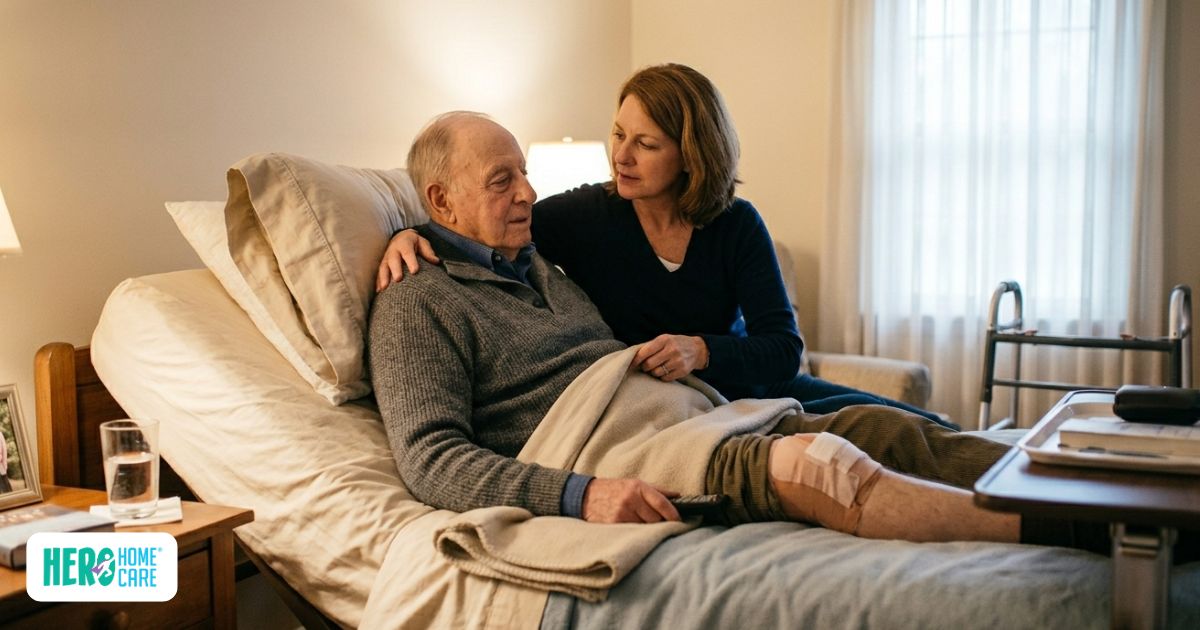
The First Few Days of Post Surgery Care at Home
The first few days after hospital discharge are often the most demanding. It is common for seniors to feel weaker than expected, more tired, or temporarily disoriented, especially if anesthesia or new medications are involved.
During this period, the focus should be on stability rather than progress. Your parent may need help getting in and out of bed, walking short distances, or using the bathroom safely. Even tasks that seem simple can require supervision at first.

Related: Do Seniors Need Home Care After Surgery?
Establishing a calm, predictable routine can help reduce confusion and support recovery. Encouraging rest while maintaining gentle, guided movement (based on medical advice) can also help prevent stiffness and improve circulation.
Rather than trying to do everything perfectly, it is more important to stay attentive and responsive to how your parent is actually feeling day to day.
In one situation observed by Hero Home Care, a similar turning point emerged during the first few days at home. On his second day after hip surgery, David’s father insisted on getting up on his own to use the bathroom. He had been independent before, and to him, this felt like a small, manageable task.
But halfway there, he became unsteady and had to grab onto the wall to keep from falling. Nothing serious happened, but it changed how David approached the rest of the week.
From that point on, he stayed closer during transitions, slowed things down, and focused less on “getting back to normal” and more on making each movement safe. It was a small adjustment, but it made the rest of the recovery feel more controlled and less uncertain.
Helping a Parent Move Safely After Surgery
Mobility is one of the most important, and most delicate, parts of recovery.
After surgery, balance may be reduced, muscles may feel weaker, and pain can affect how a person moves. This creates a higher risk of falls, particularly when getting out of bed, standing up, or walking without support.
Helping your parent move safely often means slowing things down. Encourage them to take their time when standing, use any prescribed mobility aids, and avoid rushing to complete tasks independently before they are ready.
Bathroom trips, especially at night, are a common point of risk. Making sure there is adequate lighting and that help is available when needed can significantly reduce the chance of a fall.
Recovery is not about regaining independence immediately. It is about rebuilding it safely, step by step.
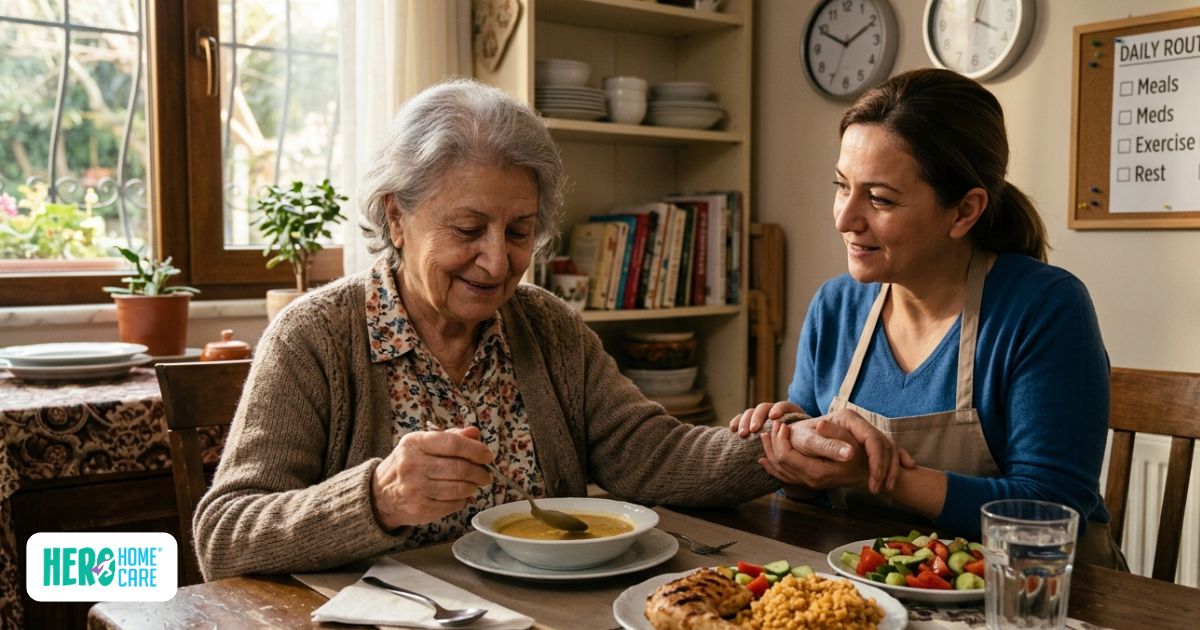
How to Support Personal Care, Meals, and Daily Routines During Recovery
During recovery, everyday routines often become the areas where help is most needed.
Your parent may need assistance with bathing, dressing, or grooming, particularly if movement is limited or uncomfortable. These tasks can feel physically demanding and sometimes emotionally sensitive, especially for someone who is used to managing independently.
Meals are another important area. Appetite may be reduced, but proper nutrition and hydration are essential for healing. Keeping meals simple, regular, and easy to eat can help maintain energy and support recovery.
What matters most is consistency. When daily routines become predictable (meals at regular times, medications taken as scheduled, rest balanced with activity) recovery tends to feel more stable and less overwhelming.
Medication Support and Recovery Routines After Surgery
Medication management is one of the most common sources of stress after surgery.
A parent may be prescribed new medications, temporary treatments, or adjusted routines that differ from what they are used to. Pain medication, in particular, can affect alertness, memory, and coordination.
Confusion about timing or dosage can lead to missed doses or accidental duplication. For this reason, it is helpful to create a simple, clear system, whether through a written schedule, labeled containers, or reminders.
Following discharge instructions carefully is important, not only for comfort but for preventing complications. When routines are organized and consistent, recovery becomes easier to manage for both the parent and the caregiver.
Warning Signs and Complications to Watch for After Surgery
Even when recovery is going well, it is important to stay alert to changes that may need medical attention.
Watch for the following warning signs:
- Increasing or severe pain
- Redness, swelling, or discharge at the surgical site
- Fever or signs of infection
- Sudden confusion or unusual behavior
- Difficulty moving or increased weakness
- Falls or near-falls
- Poor appetite or signs of dehydration
If something feels different or is getting worse rather than better, it is always appropriate to contact a healthcare provider. Acting early can help prevent more serious complications.
Keep Reading: When Is 24-Hour Home Care Necessary for Seniors?

How long does a parent need help after surgery at home?
Recovery timelines vary widely. Some seniors regain independence within days, while others require several weeks of support.
The need for help often decreases gradually. A parent who needs full assistance in the first few days may begin managing some tasks independently over time, while still requiring support in others.
Rather than focusing only on time, it is more useful to observe how your parent is functioning. Are they moving safely? Managing routines? Maintaining strength and awareness?
Recovery is not defined by the calendar, but by how safely and consistently daily life can be managed.
When Family Caregiving Is Not Enough After Surgery
Many families begin with the intention of managing recovery on their own. While this is often possible, it can become more demanding than expected.
Physical tasks such as assisting with movement, combined with managing medications, meals, and appointments, can quickly become exhausting. Sleep may be interrupted, and the emotional weight of responsibility can build over time.

Related: What to Do After a Senior Is Discharged from the Hospital
Recognizing these limits is not a failure. In many cases, bringing in additional support can improve both safety and the overall recovery experience.
Learn More: Signs That Your Aging Parent Might Need Some Help at Home
When to Consider Professional Post Surgery Home Care
Professional support can be helpful when the level of care required goes beyond what the family can comfortably provide.
This may include situations where mobility is unsafe without assistance, routines need close monitoring, or the parent should not be left alone for extended periods.
In many cases, short-term support during recovery can reduce stress, improve consistency, and help prevent setbacks that could delay healing.
Learn More: How to Find the Right Caregiver for You or Your Loved One
What Professional Post Surgery Care at Home Can Help With
Professional post surgery care is designed to support both the senior and the family during recovery.
This support may include help with movement, personal care, meals, and daily routines, as well as supervision to reduce fall risk. It can also provide reassurance that someone is present to notice changes and respond when needed.
The goal is not to take over care completely, but to create a safer and more manageable recovery environment.
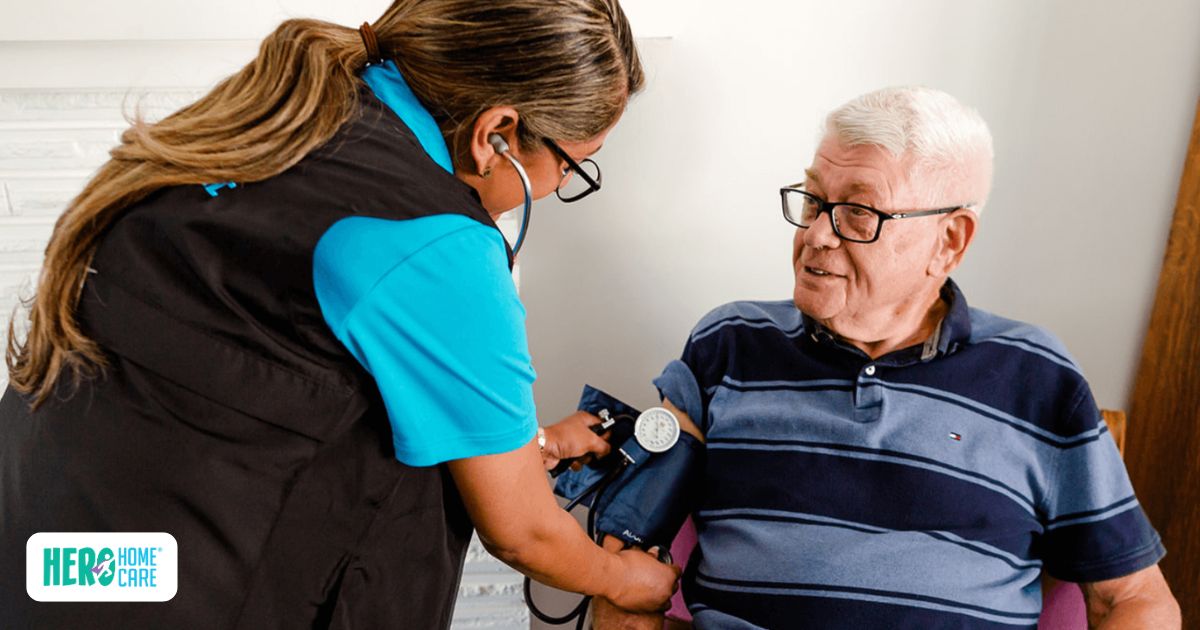
Post Surgery Home Care in North Vancouver
Having access to local support can make a meaningful difference during recovery.
For families in North Vancouver, coordinating care, managing schedules, and responding to changes can feel more manageable when help is nearby. Local providers can also adapt more quickly as recovery progresses.
Hero Home Care works with families to provide flexible in-home support during post-surgery recovery. Care can be adjusted based on how needs evolve, whether support is needed for a short period or for a longer recovery.
When to Reach Out for Help During a Parent’s Recovery
It may be time to seek additional support when recovery begins to feel difficult to manage safely.
This can include situations where mobility feels uncertain, daily routines are hard to maintain, or the parent should not be left alone. It may also arise when the family feels overwhelmed or stretched too thin.
Reaching out early allows you to plan ahead rather than react to a crisis. Even a conversation with a home care provider can help clarify what level of support may be helpful.