
Caregiver
Summary
Hero Home Care is looking for exceptional Caregivers to join our team of Heroes and help improve the lives of seniors in our community! As a caregiver (Casual Caregiver) you will work one-on-one with seniors in their homes helping promote independence and allowing them the choice to live life on their own terms.
Duties and Responsibilities:
Engaging clients physically and mentally in a home and community setting.
Delivering personalized care to help improve the quality of life of your clients.
Supporting clients with morning and nighttime routines, personal care, meal support, light housekeeping, and companionship.
Preparing for client visits by regularly reviewing Care Plans and communicating with fellow caregivers and Care Managers.
Completing daily tasks as instructed in the Care Plan and reporting on any changes in client conditions.
Engaging in open communication with your Care Manager when opportunities present themselves to elevate your client’s experience and care.
Position Requirements:
Passionate about caring for seniors
Self-led and enjoy working independently
Ability to communicate effectively with clients, fellow caregivers, and our Care Managers over email, phone, and through our Hero Home Care app.
A skill for identifying and solving problems with effective and lasting solutions.
Professional caregiver training considered an asset.
Driver’s license and access to vehicle considered an asset
Criminal background check (paid for by Hero Home Care!)
Educations:
Secondary School (preferred)
Licences/Certifications:
Class 5 Licence (required)
The Hero Journal
All Journal Post
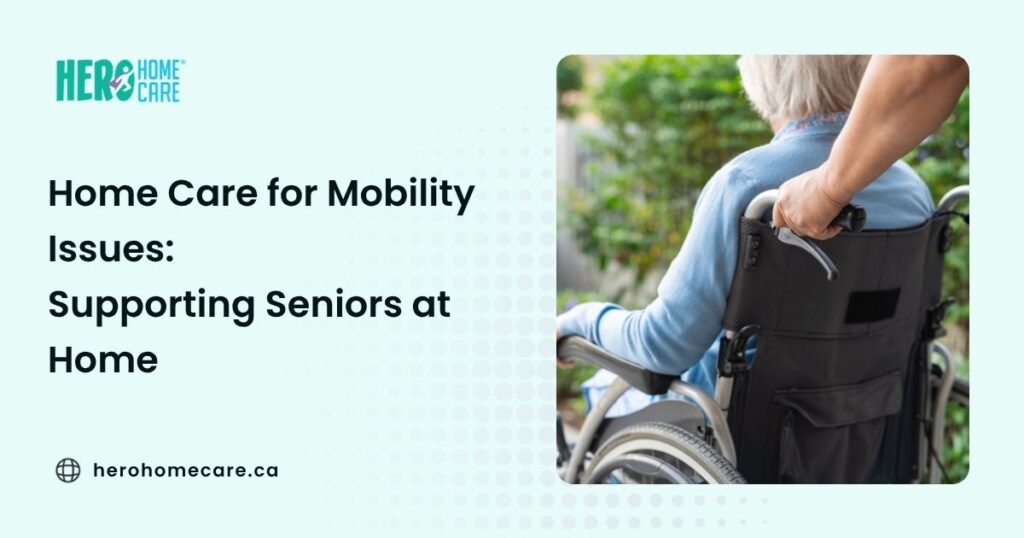
How Home Care Supports Seniors With Limited Mobility
Limited mobility can make walking, personal care, meal preparation, household tasks, and community activities more difficult. The cause may be a health condition, an injury, surgery, a hospital stay, or gradual changes in strength, balance, flexibility, and endurance. Home care for mobility issues can provide practical assistance without taking over…

Home Care Tips for Seniors With COPD: A Complete Guide to Safe and Comfortable Living at Home
Living with COPD often becomes more demanding with age because routine activities require more energy than they once did. Reduced stamina, slower recovery after exertion, and changing physical abilities can make daily routines and independent living at home more challenging. Tasks such as getting dressed, preparing meals, climbing stairs, shopping,…
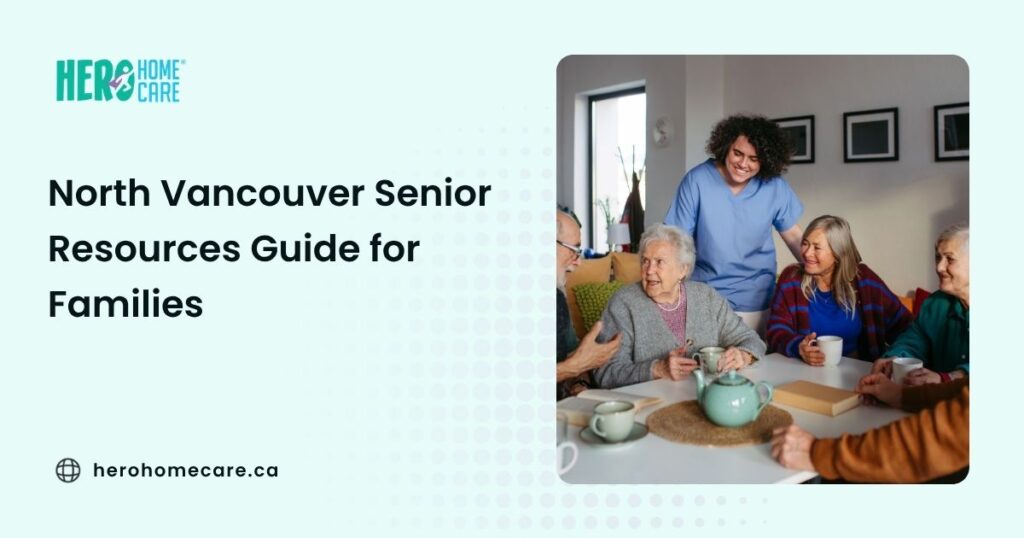
North Vancouver Senior Resources: A Complete Guide for Seniors and Families
Choosing among senior services can become difficult when health, transportation, housing, memory, social connection, and family-caregiving needs change at different times. A resource that is useful after a hospital discharge may not address longer-term concerns such as isolation, mobility, dementia planning, or the sustainability of the current living arrangement. This…
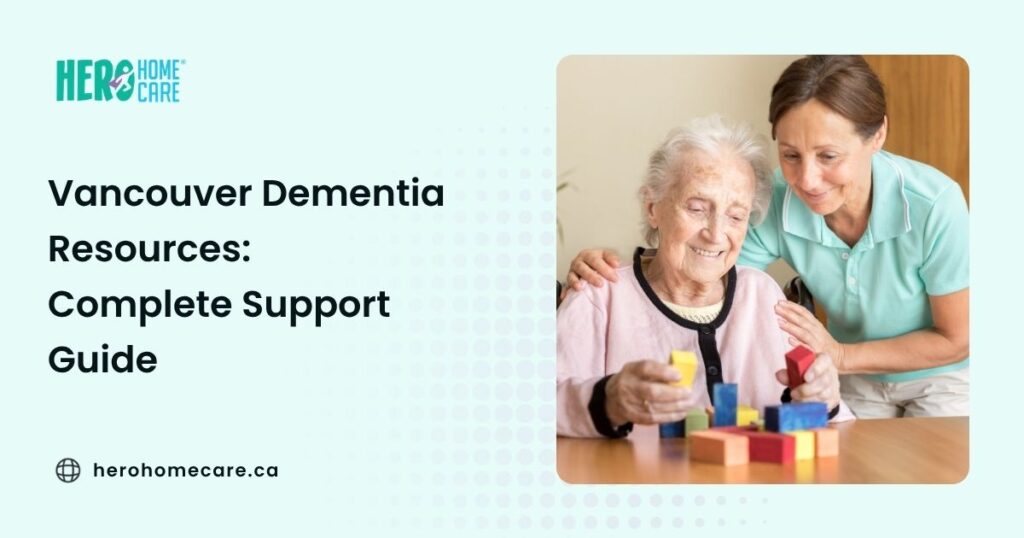
Vancouver Dementia Resources: A Complete Guide to Dementia Support
A dementia diagnosis can introduce questions about medical care, safety, caregiving, finances, legal planning, community involvement, and future living arrangements. Vancouver families may need to coordinate several organizations and services, often without knowing which resource to contact first. This guide explains the principal dementia resources available in Vancouver, including medical…

Elderly Refusing to Eat at End of Life: What Families Should Know
Watching an older adult lose interest in food during serious illness can feel unsettling, especially when long-standing eating habits begin to change. Relatives frequently worry they are missing something critical or not doing enough. In many situations, though, eating and drinking less can be part of the body’s natural changes…
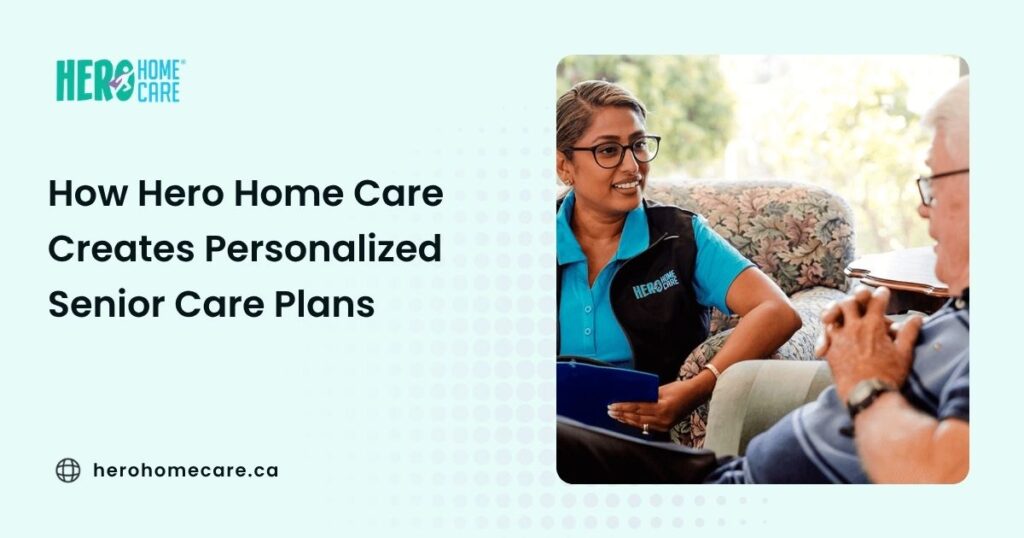
How We Create Personalized Care Plans at Hero Home Care
Standardized home care arrangements can overlook details that shape how an older adult actually functions day to day. A schedule that works well for one person may become difficult for someone managing reduced balance, memory changes, disrupted sleep, chronic pain, or a stair-heavy household layout. At Hero Home Care, planning…