

Finding the right caregiver often begins with a quiet realization rather than a clear plan. Maybe daily routines feel harder to manage, or support that once felt optional now feels more necessary. For many families, it’s not immediately obvious what kind of help is needed or where to begin.
Looking for a caregiver isn’t just about filling a role. It’s about finding someone who can fit into everyday life, respect existing routines, and provide support in a way that feels steady and natural. Skills matter, but so do presence, communication, and the ability to adapt as needs change.
This article explores how to find the right caregiver by breaking the process into thoughtful considerations. From understanding what support is truly needed to recognizing what makes a caregiving relationship work well, the goal is to help families move forward with clarity, confidence, and care.

Here is the Quick Answer:
Finding the right caregiver involves more than matching availability. Skills, experience, physical ability, patience, communication, compassion, and flexibility all play a role in how care feels day to day. Taking time to ask thoughtful questions, observe interactions, and follow a clear hiring process can help families choose a caregiver who fits both practical needs and personal routines, supporting safe, consistent, and respectful care over time.
What skills and qualifications should you look for when finding a caregiver?
When families begin looking for a caregiver, it’s natural to focus on personality and trust first. Those qualities matter, but skills, training, and experience form the foundation that keeps care safe, consistent, and reliable over time.
Basic qualifications often include relevant training or certifications, particularly for caregivers supporting older adults or individuals with health-related needs. This may involve education in personal care, dementia support, or health and safety practices. Background checks are also an important part of ensuring trust and accountability, helping families feel confident about who is coming into the home.
Experience plays an equally important role. A caregiver who has supported someone with similar needs, such as chronic illness, memory changes, or mobility challenges, is often better prepared to recognize subtle changes and respond calmly. In many cases, hands-on experience paired with the right guidance can be just as valuable as formal credentials.
During a consultation, our care manager spoke with Noah, who was helping arrange support for his mother. He wasn’t sure whether certifications or experience mattered more. Noah asked a simple question first: “What feels hardest for her day right now?” As Noah described his mother’s fatigue and memory lapses, the conversation shifted from credentials alone to finding someone with hands-on experience in similar situations. That clarity helped the family focus on the kind of training and background that would truly support daily safety and comfort.
For families navigating this decision, common questions include:
- What qualifications should I look for in a caregiver?
- Are certifications necessary, or can experience be just as important?
Ultimately, the right caregiver brings a balance of training, experience, and awareness supporting well-being not just through tasks, but through informed, attentive care.

Physical Capabilities of a Caregiver: Why It’s Crucial in Finding the Right Fit
Caregiving often involves more physical effort than families initially expect. Even when care feels light at first, daily support can include helping someone stand, walk safely, or move through their home with confidence. Over time, these small moments add up, making physical capability an important part of finding the right caregiver.
Matching a caregiver’s physical abilities with the needs of the person receiving care helps reduce strain for everyone involved. Tasks such as assisting with transfers, supporting balance, or handling mobility aids require strength, coordination, and proper technique. When a caregiver is physically prepared, care feels steadier and safer, especially as needs change.
This doesn’t mean every caregiving role requires heavy lifting. Instead, it’s about understanding what support looks like day to day and ensuring the caregiver can meet those demands comfortably. Someone supporting mobility or managing medical equipment should be able to do so without rushing, hesitation, or risk.
Families often consider questions like:
- How important is physical capability in caregiving?
- Should a caregiver be physically fit or able to assist with moving someone safely?
Understanding physical requirements early helps families choose a caregiver who can provide support confidently and consistently, supporting safety, comfort, and peace of mind for everyone involved.
Patience in Caregiving: A Key Trait for the Caregiver You Need
Patience is one of the qualities families often mention first when describing a good caregiver, and for good reason. Caregiving frequently involves repetition, slower routines, and moments of uncertainty, especially when supporting someone with memory changes, mobility limitations, or chronic conditions.
Simple tasks can take longer than expected. Getting dressed may require extra time. Conversations may need to be repeated. Emotions can shift without warning. In these moments, patience allows care to feel steady rather than rushed, and supportive rather than frustrating.
During a trial visit, Helen was watching closely as Sam, a Hero she was considering, helped her husband get ready to leave the house. When her husband paused, confused about where his shoes were, Sam didn’t rush him or finish the task himself. Instead, he asked a simple question: “Do you remember where you usually keep them?” and waited.
It took longer than Helen expected. But when her husband found the shoes on his own, his shoulders relaxed. Later, Helen said that moment mattered more than anything else she’d seen. “It wasn’t about the shoes,” she explained. “It was about being treated with patience instead of being corrected.”
Patience also plays a role in emotional support. Caregivers who remain calm during moments of confusion, resistance, or fatigue help reduce stress for everyone involved. Over time, this steady presence can make daily life feel more manageable and less overwhelming.
When evaluating patience, families may consider:
- Why is patience such an important trait in a caregiver?
- How can I assess a caregiver’s patience during interviews or trial shifts?
Observing how a caregiver responds to delays, repetition, or unexpected changes often reveals more than direct questions alone. Patience shows up not in what is said, but in how moments are handled quietly, consistently, and with care.

How can effective communication help you find the perfect caregiver?
Clear communication plays a central role in how caregiving works day to day. A caregiver may have the right training and experience, but without strong communication, important details can be missed, and expectations can become unclear.
Effective caregivers listen carefully, explain what they’re doing, and share observations in a way that’s easy for families to understand. This includes noticing changes in routine, mood, or health, and communicating those changes early rather than waiting for problems to escalate. Regular, thoughtful updates help families stay informed and involved without feeling overwhelmed.
Communication also works best when it’s two-way. Caregivers should feel comfortable asking questions or flagging concerns, just as families should feel able to share feedback or request adjustments. When communication flows openly in both directions, care can be adapted smoothly as needs evolve.
Families can often assess communication skills during interviews by paying attention to how clearly a caregiver explains their approach, how well they listen, and how they respond to questions. Reference checks can also offer insight into whether a caregiver consistently kept others informed and worked collaboratively.
Families may consider questions such as:
- How can I be sure the caregiver communicates clearly and consistently?
- How do caregivers share updates or address changes in care needs?
Strong communication helps caregiving remain organized, responsive, and aligned, supporting a relationship built on trust and shared understanding.
Compassionate Caregiving: Why You Need a Caregiver Who Cares
Compassion shapes how care feels in everyday moments. It influences tone of voice, body language, and how a caregiver responds when someone is anxious, frustrated, or simply having a difficult day. Skills and experience matter, but compassion is often what turns support into comfort.
Caregivers who lead with compassion tend to notice more than tasks. They pay attention to emotional cues, respond with patience, and adjust their approach based on how the person is feeling in that moment. This kind of awareness can ease stress, build trust, and help individuals feel respected rather than managed.
During an interview, compassion often shows up in small ways. A caregiver who listens without interrupting, asks thoughtful questions, or speaks gently about past experiences may be demonstrating genuine empathy. Observing how they interact, eye contact, pace, and tone can reveal more than answers alone.
Caregivers who truly care help support emotional well-being alongside physical needs. Over time, this steadiness can reduce anxiety, encourage openness, and make daily routines feel less overwhelming.
Families often consider questions like:
- What makes a caregiver compassionate?
- How can I recognize compassion during an interview or introduction?
Compassion isn’t something that needs to be announced; it’s something families often feel when it’s there.
Flexibility in Caregiving: How to Ensure the Caregiver Fits Your Changing Needs
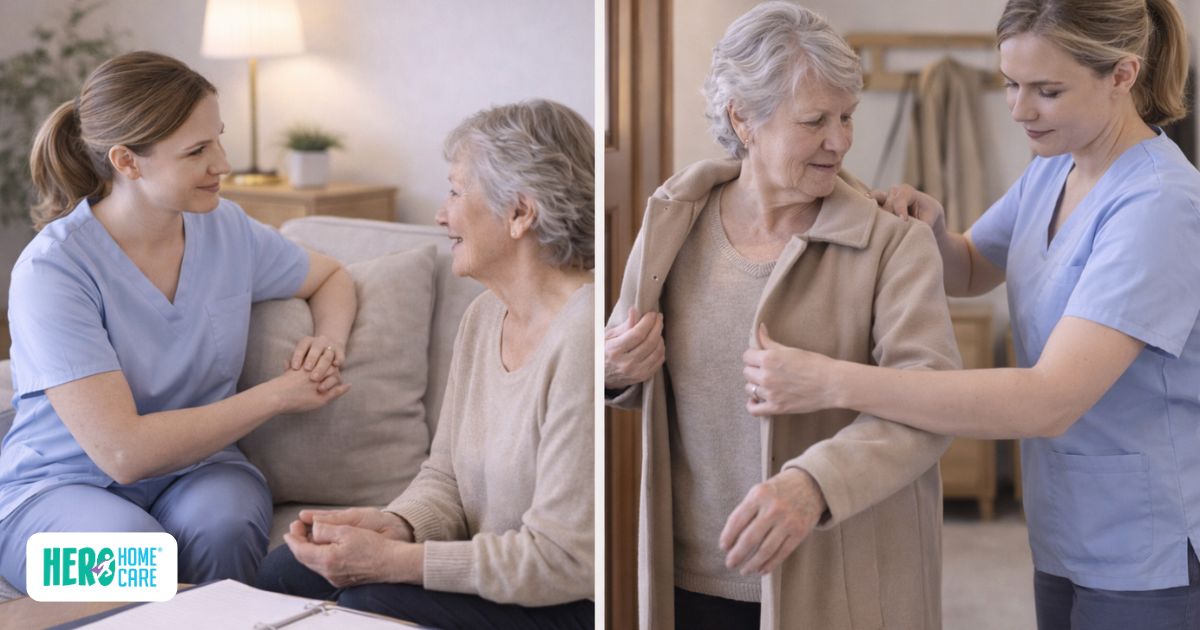
Care needs rarely stay the same for long. What works well at the beginning may need to shift as routines change, health evolves, or new challenges arise. This is why flexibility is such an important quality to look for when choosing a caregiver.
A flexible caregiver can adapt their approach as circumstances change, whether that means adjusting schedules, supporting new routines, or responding calmly when a day doesn’t go as planned. This adaptability helps care feel responsive rather than rigid, especially when health needs fluctuate or unexpected situations arise.
Flexibility also matters in how caregivers manage their responsibilities. A caregiver who can shift focus from companionship one day to more hands-on support another helps ensure continuity without disruption. This kind of adaptability supports both the person receiving care and the family coordinating it.
During interviews or trial visits, families can explore flexibility by asking about past experiences with changing care needs or schedule adjustments. Listening to how a caregiver describes these situations can offer insight into whether they approach change with openness or hesitation.
Families often ask:
- Why is flexibility important when hiring a caregiver?
- How can I assess whether a caregiver will adapt as care needs change?
Choosing a caregiver who is comfortable with change helps create a care arrangement that can grow and adjust over time, providing steadiness even as circumstances evolve.

A Step-by-Step Guide to Hiring Your First In-Home Health Care Support Aide
Hiring in-home care for the first time can feel unfamiliar. Taking it one step at a time helps families move forward with clarity and confidence.
Step 1: Clarify the type of support needed
Start by identifying what kind of help would be most useful right now. This may include assistance with daily routines, mobility, medication reminders, or companionship. Understanding these needs makes it easier to describe what you’re looking for and assess whether a caregiver is a good match.
Step 2: Prepare for caregiver interviews
Before speaking with caregivers, write down key questions about experience, availability, and comfort with specific care needs. Interviews are not just about answers; they’re also a chance to observe communication style, patience, and attentiveness.
Step 3: Interview and observe carefully
During interviews, ask caregivers to share examples from past experiences. Notice how they listen, explain their approach, and respond to concerns. These interactions often reveal how well they may fit into your household.
Step 4: Check references and background information
Speaking with previous employers or references can provide insight into reliability and consistency. This step helps confirm what you’ve learned during interviews and builds confidence in your decision.
Step 5: Discuss practical details clearly
Talk through schedules, pay rates, expectations, and boundaries early. Clear conversations about these details help avoid misunderstandings and create a shared understanding of roles and responsibilities.
Step 6: Start with a trial period
Many families choose to begin with a trial period. This allows time to see how the caregiver fits into daily routines and whether adjustments are needed. Open communication during this stage helps set the tone for a positive caregiving relationship.
Step 7: Revisit and adjust as needed
Once care begins, check in regularly. Needs can change, and small adjustments can help care continue to feel supportive and well-aligned over time.
Families often ask:
- What steps should I take to hire my first caregiver?
- How do I know I’m hiring the right person for the job?
Following a clear, step-by-step approach helps families feel supported throughout the process, making the transition into in-home care more manageable and thoughtful.
Conclusion
Finding the right caregiver is about more than checking qualifications or filling a role. Skills, physical capability, patience, communication, compassion, and flexibility all work together to shape how care feels in everyday life. When these qualities align, caregiving becomes a steady presence rather than a source of stress or uncertainty.
Taking time with this decision matters. Care needs can change, and the right caregiver is someone who can adapt while still offering consistency and respect. Asking thoughtful questions, observing how caregivers interact, and trusting your instincts all help guide you toward a choice that feels right for you or your loved one.
If you’re beginning this process, remember that you don’t need to have every answer immediately. Some families start by learning more about companionship care to support daily routines and reduce isolation. Others look into personal care support when hands-on assistance becomes part of everyday life, or explore in-home nursing care when medical needs require professional oversight. Understanding these options can help clarify what kind of support may fit best right now.
At Hero Home Care, we believe care decisions should be made with clarity, not pressure. We offer a free care consultation where families can ask questions, talk through concerns, and better understand which types of support may align with their situation. Our role is to help you move forward thoughtfully, at your own pace, with confidence in the care you choose.